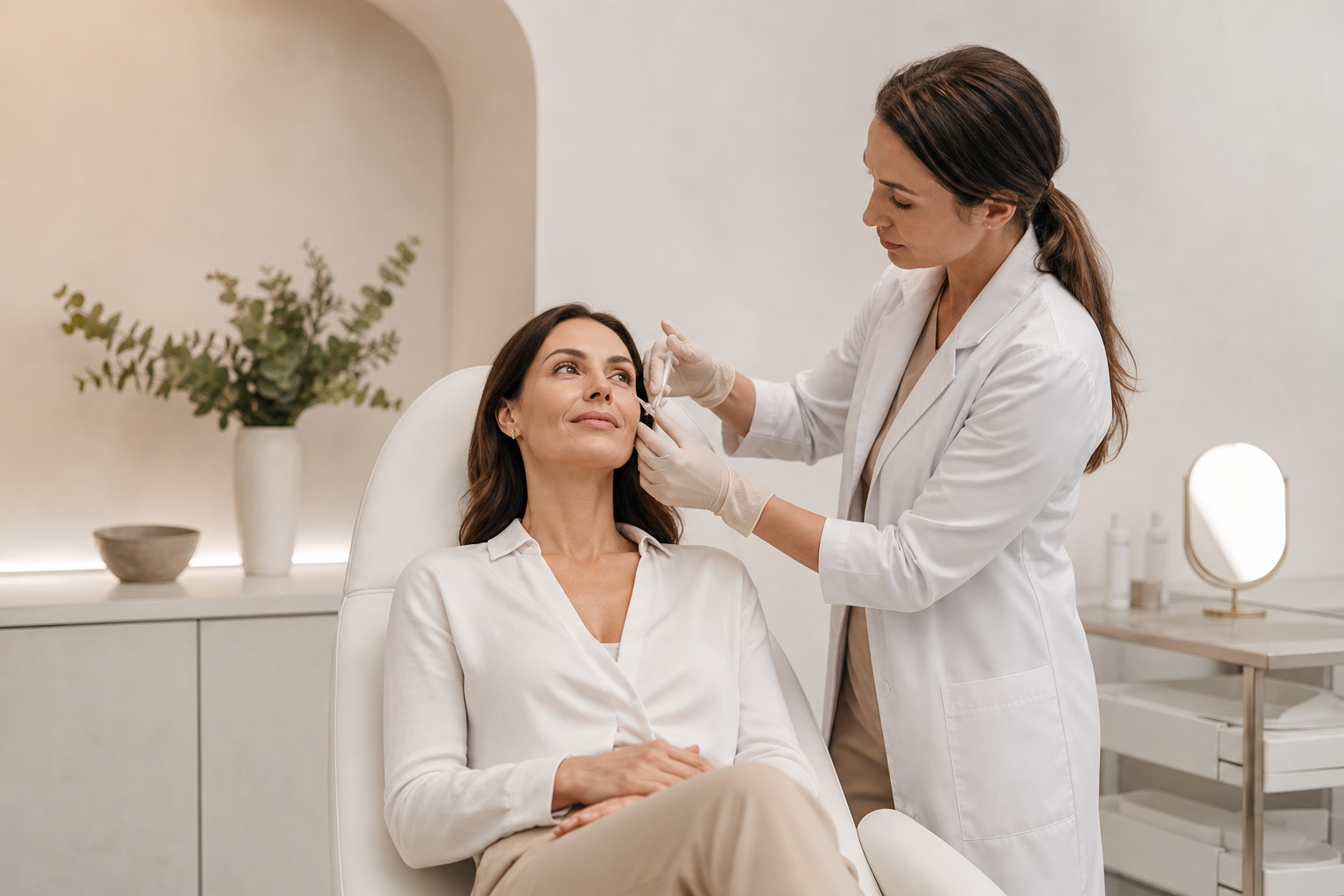
Entering your forties is a pivotal moment in the ongoing journey of skincare and aesthetic maintenance. As the skin reveals the early but unmistakable signs of aging, many turn to effective, minimally invasive treatments like Botox to preserve youthfulness and confidence. However, the approach to Botox in your forties demands a deeper understanding of how aging uniquely affects the skin and facial musculature, calling for not just the isolated use of Botox but often its thoughtful combination with other complementary treatments. This editorial explores the nuances of utilizing Botox during this critical decade, offering insightful guidance for those seeking to age gracefully and for professionals striving to optimize patient outcomes.
Botox—an injectable neuromodulator that temporarily relaxes muscles responsible for dynamic wrinkles—has long been heralded for its efficacy in younger adults aiming to prevent the deepening of lines. But as we enter our forties, the facial aging process broadens in complexity. Here, wrinkles begin to transition from dynamic to static; skin elasticity diminishes; and volume loss in key facial areas becomes more pronounced. These changes necessitate a strategic expansion beyond single-modality therapy. The convergence of Botox with volumizing fillers, collagen-stimulating treatments, and skin rejuvenation procedures can recalibrate the skin’s youthful architecture while maintaining natural facial expression and movement.
This discourse is intended for individuals who are navigating the forties—a decade marked by evolving aesthetic needs—and for aesthetics practitioners seeking expert insights into crafting balanced, individualized treatment plans. Understanding when to combine Botox with other interventions and how to tailor these combinations to each patient’s unique presentation is paramount in achieving harmonious, long-lasting results without compromising safety or authenticity.
The Fundamental Mechanism of Botox and Its Role in Facial Rejuvenation at Forty
Botox, scientifically known as botulinum toxin type A, exerts its cosmetic effect by temporarily blocking the neurotransmitter acetylcholine at neuromuscular junctions. This blockage relaxes the targeted muscles, thereby reducing the contractions that generate dynamic wrinkles on the forehead, glabella (the area between the eyebrows), and crow’s feet around the eyes. Particularly during the forties, when lines are predominantly dynamic, Botox’s muscle-relaxing properties are highly effective in smoothing these expression-induced creases.
Unlike static wrinkles, which result from cumulative collagen degradation and skin laxity, dynamic wrinkles are directly related to muscle movement. Therefore, administering Botox during this period not only mitigates existing lines but also acts prophylactically to delay the progression and deepening of wrinkles. It preserves a refreshed, natural look without freezing facial expression. The precision afforded by Botox injections allows for tailored modulation of muscle activity, enhancing the patient’s appearance while maintaining emotional expressiveness and vitality.
Furthermore, Botox in the forties can subtly lift certain facial features by relaxing depressor muscles, contributing to an overall rejuvenated contour. This strategic application complements other interventions aimed at volumizing or resurfacing the skin, amplifying the rejuvenating effect beyond mere wrinkle reduction.
Addressing Botox’s Limitations: The Imperative of Combination Therapies in Your Forties
Despite Botox’s notable efficacy in managing dynamic wrinkles, its scope is inherently limited in addressing other hallmark signs of aging that become pronounced in the forties. Skin thinning, diminished elasticity, and volume loss—especially around the cheeks, midface, and jawline—are phenomena attributable to intrinsic aging and lifestyle factors, and they are not corrected by muscle relaxation alone.
To restore facial harmony, it is often necessary to complement Botox with dermal fillers such as hyaluronic acid-based products, which replenish lost volume and re-contour the face. These fillers can soften static wrinkles, plump hollowed areas, and redefine youthful facial structure. Additionally, collagen-stimulating treatments—like microneedling, chemical peels, laser resurfacing, or mesotherapy—support skin firmness and texture by enhancing the dermal matrix.
Combining Botox with these treatments enables a multifaceted approach that addresses the range of aging manifestations simultaneously. This synergy enhances the natural aesthetics of the face more effectively than any single treatment could achieve. Importantly, such combination therapies demand careful assessment and sequencing to maximize benefit and minimize risk, underscoring the importance of expert clinical guidance.
Customizing Treatment Plans: The Cornerstone of Effective Botox Use and Combined Procedures
The forties present a diverse array of facial aging patterns, making a personalized treatment strategy essential. A comprehensive evaluation by a qualified specialist involves assessing the distinction between dynamic and static wrinkles, quantifying volume deficits, analyzing skin quality, and understanding the patient’s lifestyle and aesthetic goals.
Based on this analysis, a bespoke plan can be devised—for example, carefully dosed Botox injections targeting specific muscles to soften dynamic wrinkles, combined with strategically placed fillers to restore volume and structure. Adjunct skin resurfacing or collagen induction therapies may be incorporated to enhance skin tone and texture. Timing and sequencing of treatments are adjusted according to individual healing and response patterns.
This tailored approach prioritizes not only aesthetic results but also patient safety and satisfaction. Well-crafted plans respect facial expressiveness and focus on subtle enhancements that harmonize with the patient’s natural features rather than creating an artificial appearance.
Ensuring Safety and Optimal Outcomes Through Specialist Consultation
The safety profile of Botox and its combinations is excellent when administered by trained, licensed practitioners. Nevertheless, improper technique, incorrect dosing, or inappropriate patient selection can lead to undesirable effects such as asymmetry, drooping, or excessive muscle paralysis.
Patients should seek consultation from dermatologists, plastic surgeons, or certified aesthetic medicine specialists who bring extensive knowledge of facial anatomy and aging processes. These professionals not only perform detailed pre-treatment assessments but also provide education about realistic outcomes and post-procedure care.
Moreover, patients with certain medical conditions or medication regimens require specialized evaluation before undergoing Botox or related injectable therapies. A thorough clinical consultation reduces the likelihood of complications and enhances the durability and natural quality of results.
Timing and Expectations: Initiating Botox Treatment in Your Forties
Many individuals begin considering Botox during their forties either for pre-existing wrinkles that have become more noticeable or as a preventive measure to curb further wrinkle formation. Ideally, Botox becomes part of a proactive, continuing strategy rather than a single intervention.
Results from Botox typically emerge within a week and last approximately four to six months, necessitating regular maintenance treatments for sustained benefits. Importantly, patients must recognize that Botox does not reverse aging or eliminate deep static wrinkles completely. Its role is most potent in softening dynamic lines and preventing worsening of early wrinkles.
When paired with fillers and skin rejuvenation treatments, Botox contributes to a comprehensive, layered anti-aging regimen that maintains a youthful appearance and delays invasive procedures that might otherwise be considered in later years.
Advanced Personalization: Aligning Botox with Lifestyle and Individual Goals
A sophisticated understanding of each patient’s unique aging trajectory, facial dynamics, and lifestyle considerations informs the choice and combination of treatments. For instance, individuals with expressive faces or professions requiring frequent social interaction may benefit from conservative Botox dosing to preserve mimicry, while others may prioritize firmer lines for a more refreshed look.
Adjustments also factor in previous treatments, skin type, and ongoing skin care regimens. This personalized philosophy ensures treatments complement not only the physical aspects but also the psychological and social dimensions of aging gracefully. Such a patient-centered approach fosters empowered decision-making and supports long-term satisfaction and well-being.
Post-Treatment Guidelines: Maximizing Efficacy and Minimizing Risks
Following Botox and combination treatments, adherence to post-care instructions is critical. Patients should avoid strenuous exercise, excessive heat exposure, and massaging treated areas for several days after injections to prevent displacement and minimize bruising or swelling.
Hydration, sun protection, and gentle skincare routines maintain treatment results and promote skin health. Regular follow-ups enable the practitioner to monitor progress, adjust future sessions, and integrate additional therapies as needed, ensuring a sustained youthful appearance with minimal downtime and discomfort.


