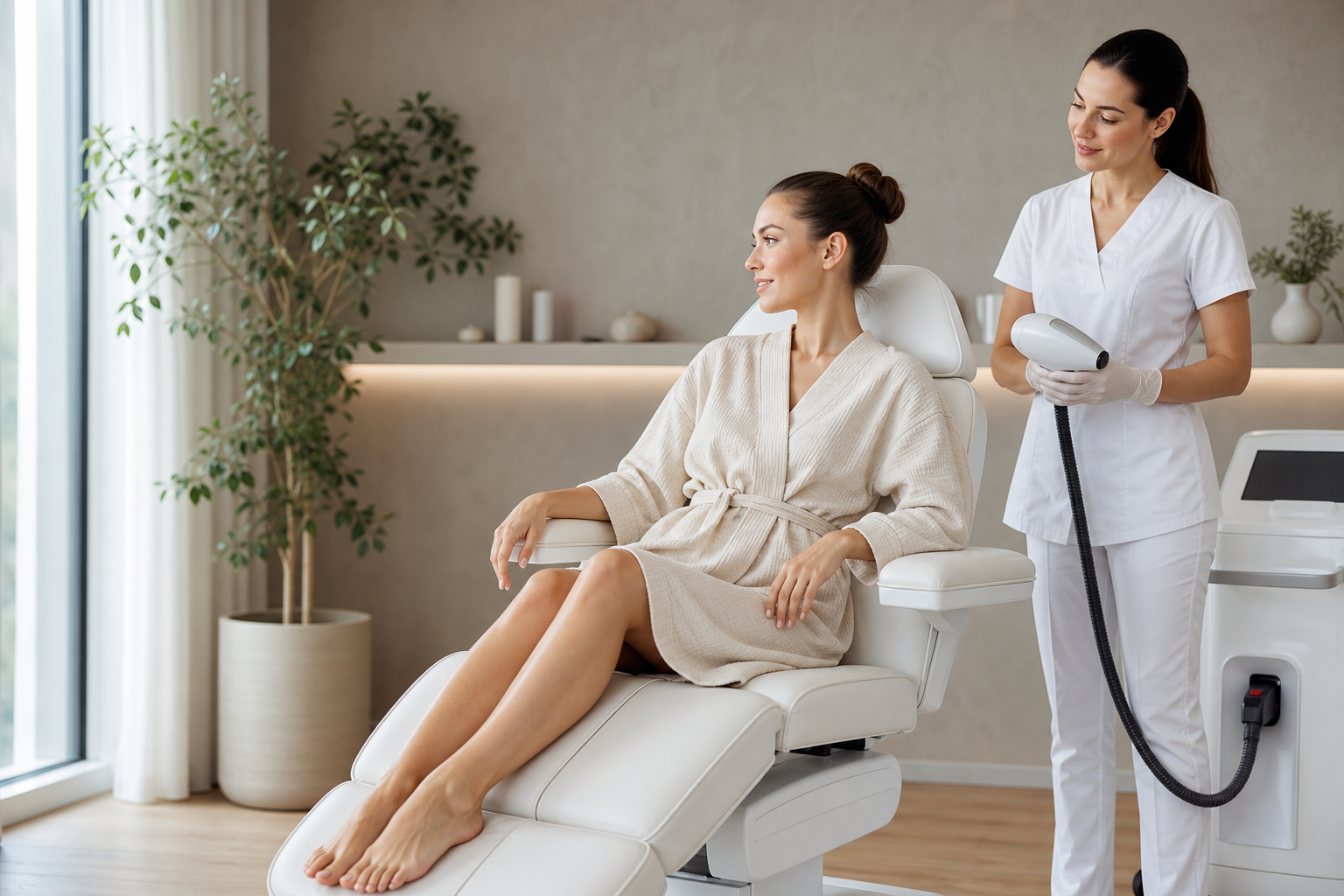
Laser skin tightening represents a pivotal advancement in aesthetic dermatology, offering a non-invasive solution to address sagging and laxity of the skin. It harnesses the precision of laser technology to stimulate the skin's natural collagen production, restoring firmness and elasticity without the need for surgical intervention. This treatment appeals to individuals seeking to improve the visual texture and tightness of their skin while avoiding the downtime associated with more invasive procedures.
Who exactly benefits from laser skin tightening? While the procedure holds broad appeal, candidates typically share common characteristics that maximize the efficacy and safety of this treatment. Understanding who is a good candidate involves recognizing various factors, including skin type, age, severity of skin laxity, and overall health status. In the evolving landscape of skin rejuvenation, matching the right individual to this procedure ensures enhanced satisfaction and visible, lasting outcomes.
The significance of identifying ideal candidates extends beyond patient preference; it entails a proper clinical assessment that balances expectations with biological response. For patients and practitioners alike, this knowledge facilitates informed decision-making and cultivates optimal treatment experiences. This editorial delves into the nuances of candidate suitability for laser skin tightening, framing the discussion within the broader context of aesthetic laser treatments.
What Is Laser Skin Tightening and How Does It Work?
Laser skin tightening utilizes specific wavelengths of light energy targeted at the dermal layers of the skin. The laser penetrates the upper skin surfaces safely, delivering controlled heat to stimulate fibroblast activity, which prompts the synthesis of new collagen and elastin fibers. These structural proteins are fundamental to maintaining skin elasticity and tensile strength.
The precise control of heat is what differentiates laser skin tightening from ablative procedures; it avoids damaging the epidermis while inducing a remodeling process underneath. This remodeling effect gradually enhances skin tightness and smoothness, making it effective for areas prone to aging-induced laxity such as the jawline, neck, and cheeks.
Technological advancements have refined laser devices to cater to diverse skin types and treatment goals. Devices such as fractional lasers, radiofrequency combined with laser modalities, and infrared lasers exemplify the spectrum of technologies that practitioners can select to tailor patient care. This versatility contributes to the appeal of laser skin tightening as a customizable, outpatient treatment with minimal side effects.
Who Is Considered an Ideal Candidate for Laser Skin Tightening?
While laser skin tightening is versatile, ideal candidates generally fall within a moderate age range, typically from their late 30s through 60s, where the skin exhibits signs of mild to moderate laxity but maintains reasonable elasticity. This demographic can benefit from collagen stimulation before the need for more invasive surgical interventions arises.
A good candidate should have realistic expectations, understanding that laser skin tightening can produce subtle to moderate lifting and firming results but is not a substitute for a facelift or more extensive surgical procedures. Persons with significant sagging or excess skin might require adjunctive or alternative interventions for optimal aesthetic improvement.
Skin type also plays a crucial role in candidacy. Individuals with Fitzpatrick skin types I through IV typically have favorable outcomes, as these skin tones respond predictably to laser energy with a lower risk of pigmentary alterations. However, recent advances have expanded safe treatment options to include darker skin types, though these patients require careful assessment and treatment customization to mitigate adverse effects.
Moreover, an ideal candidate should be in good general health, free from active skin infections or inflammatory conditions in the treatment area. Patients should also disclose any history of photosensitivity, recent sun exposure, or medications that may predispose to skin reactions, as these factors influence laser suitability and safety.
What Are the Benefits of Laser Skin Tightening for Suitable Candidates?
For those appropriately selected, laser skin tightening offers multiple benefits. Foremost, it provides a non-surgical alternative to improve skin laxity, allowing patients to achieve a refreshed and youthful appearance without incisions, general anesthesia, or significant recovery time.
The collagen stimulation induced by laser treatments contributes not only to increased skin firmness but also enhances skin texture and reduces fine lines, working synergistically to rejuvenate the facial contour. Unlike fillers or neuromodulators that focus on volume and muscle relaxation, laser treatments address the skin’s structural matrix directly.
The incremental nature of results, often seen over weeks to months as new collagen forms, appeals to those seeking gradual improvement that mimics natural aging reversal rather than abrupt changes. This aspect can yield a more natural-looking enhancement, fostering patient confidence in social and professional settings.
Importantly, laser skin tightening treatments can be tailored to specific problem areas such as the jowls, under-eye region, neck, or décolletage, allowing a personalized treatment plan that aligns with individual aesthetic goals. The minimal downtime and low risk profile also allow patients to fit treatments conveniently into their lifestyles, further enhancing the appeal of this modality.
How Is the Laser Skin Tightening Procedure Performed?
The procedure typically begins with a thorough consultation and skin assessment. Clinicians evaluate skin laxity levels, texture, and patient history to determine appropriate laser settings and treatment parameters. Pre-treatment photography is often taken to document baseline conditions.
During the treatment, the skin is cleansed and sometimes a topical anesthetic is applied, depending on the laser’s intensity and patient comfort. The laser handpiece is then directed over the targeted areas in systematic passes, delivering calibrated pulses of energy that reach the dermal layers without disrupting the epidermis.
Treatment sessions generally last between 30 to 60 minutes, depending on the size of the treatment area and the device used. The sensation during treatment varies but is often described as a warming or mild prickling feeling. Post-procedure, patients may experience mild redness or swelling that typically resolves within a few hours to days.
Most treatment protocols recommend a series of sessions spaced 4 to 6 weeks apart to maximize cumulative collagen remodeling and achieve durable results. Maintenance sessions can also be scheduled to sustain improvements over time.
When Should Laser Skin Tightening Be Considered Over Other Procedures?
Laser skin tightening is particularly suited for individuals seeking moderate skin firming without undergoing surgery or those who prefer less invasive options with quicker recovery. It is an excellent choice for early signs of aging when skin laxity is present but not severe.
Patients hesitant about incisions or concerned about the risks of general anesthesia often find laser treatments reassuring. Additionally, those who want to enhance the results of other aesthetic procedures—such as injectables or chemical peels—may use laser skin tightening as an adjunct to improve skin structure and tone.
Conversely, individuals with advanced skin sagging, pronounced jowling, or excessive tissue redundancy might find better outcomes through surgical facelifts or combination treatments. In such cases, laser skin tightening can complement but not replace these interventions.
What Outcomes and Expectations Should Candidates Have?
Patients should anticipate a gradual improvement in skin tightness and texture over the weeks following treatment, corresponding with the natural timeline of collagen synthesis. Visible lifting and firming effects typically become noticeable after multiple sessions, highlighting the importance of adherence to the recommended treatment plan.
Results can vary based on age, skin quality, lifestyle factors such as sun exposure and smoking, and individual biological responses. While laser skin tightening improves skin contour and reduces laxity, it does not address deep wrinkles, volume loss, or bone resorption, which may require complementary therapies.
Realistic expectations are essential to patient satisfaction. Success lies not in dramatic transformation but in subtle refinement and rejuvenation that enhances natural beauty rather than alters appearance drastically.
What Are Common Concerns and Questions From Potential Candidates?
One frequent inquiry concerns pain or discomfort during laser sessions. Most candidates tolerate the procedure well, with some mild warmth or tingling sensations, and topical anesthetic options are available to enhance comfort.
Another concern revolves around safety and risk of side effects. When performed by trained professionals with proper patient selection, laser skin tightening is considered safe, with rare complications such as burns, pigmentation changes, or scarring.
Patients often ask about the longevity of results. Skin tightening effects can last a year or more, but natural aging continues. Maintenance treatments can sustain improvements, and healthy lifestyle habits support skin health post-procedure.
Cost is also a common consideration. Pricing varies by provider, device type, treatment area, and number of sessions, so candid discussions about financial aspects form part of an informed consent process.


