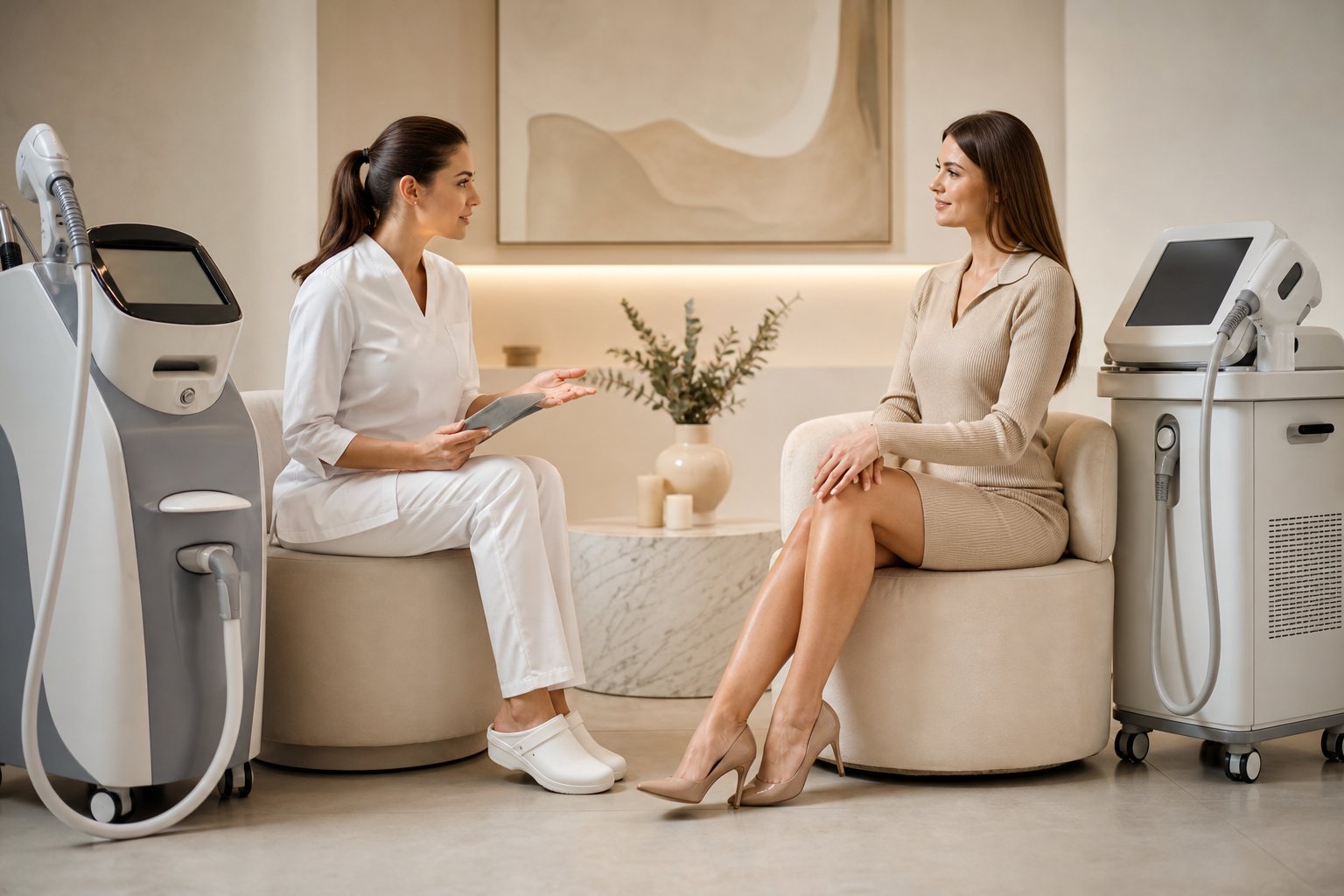
In the ever-evolving landscape of cosmetic dermatology and skin care, two technologies often stand at the forefront of conversations: IPL (Intense Pulsed Light) and laser treatments. Both offer promising solutions for a variety of skin concerns ranging from unwanted hair to pigmentation issues, vascular problems, and skin rejuvenation. However, despite their frequent interchange in casual discussions, IPL and laser are distinctly different modalities, each with its own set of mechanisms, benefits, and ideal candidates.
This comprehensive guide explores the nuances between IPL and laser treatments, answering common questions and providing clarity for anyone considering advanced cosmetic procedures. Whether you are a prospective patient researching the best options for hair removal or skin correction, or a beauty professional seeking a deeper understanding of these technologies, this article delivers an informative foundation. By understanding the differences and benefits, you can better navigate the choices available in the realm of advanced skin treatments, optimizing results and satisfaction.
Why does it matter? Skin treatments are not one-size-fits-all. Selecting the wrong approach can lead to ineffective results or unwanted side effects. Therefore, grasping the distinctions between IPL and laser empowers individuals to make educated decisions tailored to their skin type, treatment goals, and lifestyle.
What Are IPL and Laser Treatments? Defining the Technologies
Intense Pulsed Light (IPL) and laser treatments are both forms of light-based therapies used in dermatology and aesthetic medicine. While they share the common principle of targeting specific chromophores in the skin—such as melanin or hemoglobin—the nature of their light emission differs fundamentally.
IPL devices emit a broad spectrum of light wavelengths, usually ranging from 500 to 1200 nanometers, delivered in light pulses. This polychromatic light can be filtered to target particular issues but inherently covers multiple wavelengths simultaneously. IPL is sometimes referred to as a photofacial or photorejuvenation technology owing to its versatility in treating multiple skin concerns.
In contrast, laser devices produce a coherent, monochromatic, and collimated beam of light at a specific wavelength. This precision allows lasers to focus energy on a singular target with minimal diffusion to surrounding tissues. Different laser types utilize distinct wavelengths to achieve different results: for example, Alexandrite lasers (755 nm) for hair removal, Nd:YAG lasers (1064 nm) for vascular lesions, and fractional lasers for skin resurfacing.
Who Benefits From IPL and Laser Treatments? Understanding Suitability
Determining the right treatment depends largely on individual skin type, problem areas, and long-term goals. While both IPL and laser offer solutions for hair removal, pigmentation correction, vascular issues, and skin rejuvenation, their effectiveness varies based on these parameters.
IPL is often favored for individuals with lighter skin tones (Fitzpatrick I–III) due to the broad light spectrum and the risk of pigmentary changes in darker skin. Its versatility and generally milder energy levels suit those seeking improvement in mild to moderate pigment irregularities, rosacea, sun damage, and superficial vascular lesions.
Laser treatments, with their precise wavelength targeting, are suitable for a broader range of skin types—including darker complexions—when using specific lasers adjusted for safety and effectiveness. For instance, Nd:YAG lasers penetrate deeper and can be safely used on darker skin to treat spider veins or hair removal without significant risk of burns or hyperpigmentation. Those looking for more dramatic skin resurfacing or permanent hair reduction often lean towards laser therapies.
How Do IPL and Laser Treatments Work? Examining Mechanisms and Effects
Both IPL and laser therapies rely on photothermolysis—the principle of selective light absorption by skin chromophores resulting in heat damage to targeted cells or structures. However, the differing light sources produce distinct clinical effects.
IPL’s broad-spectrum light allows simultaneous targeting of melanin (for pigmentation), hemoglobin (for vascular lesions), and water (for skin texture improvement). The selective absorption generates heat that disrupts pigmented or vascular lesions and stimulates collagen remodeling in the dermis, achieving rejuvenation effects.
Laser treatments, delivering monochromatic light, can be finely tuned to precisely affect specific chromophores with less collateral impact. For example, laser hair removal targets the melanin in hair follicles, destroying them to reduce hair growth. Fractional lasers create microscopic injuries that trigger skin healing mechanisms, improving texture and tone.
What Are the Key Benefits of IPL Compared to Laser Treatments?
IPL offers several advantages making it an attractive choice for certain patients seeking skin improvement or hair reduction:
Versatility: IPL can treat a range of conditions, including pigmentation irregularities, redness, fine lines, and mild acne, in the same session due to its broad-spectrum nature.
Comfort and Downtime: Generally, IPL treatments involve less discomfort and shorter recovery times, making them appealing for those seeking minimal disruption.
Cost-Effectiveness: IPL devices tend to be less expensive, with treatments typically costing less per session, suitable for patients seeking gradual improvement over time.
What Advantages Do Laser Treatments Hold Over IPL?
While IPL has its merits, laser treatments exhibit unique benefits that make them indispensable in advanced dermatology:
Precision: The monochromatic and coherent nature of laser light enables precise control over depth and energy concentration, optimizing efficacy for targeted treatments such as permanent hair removal or vascular lesion ablation.
Suitability for Diverse Skin Types: With different laser types tailored to skin tone and condition, laser therapies can safely address a wider range of patients, including those with darker skin, minimizing risks.
Long-Term and Dramatic Results: Laser treatments, though sometimes requiring more downtime, often yield more pronounced and durable outcomes, especially for hair removal and skin resurfacing.
How Many Sessions Are Typically Required for IPL and Laser to Achieve Desired Results?
The total number of sessions depends on treatment goals, area size, and individual skin response. IPL treatments often recommend 3 to 6 sessions spaced four weeks apart to gradually improve pigmentation or vascular issues.
Laser hair removal similarly requires multiple treatments—commonly 6 to 8 sessions—because hair grows in cycles and the laser targets follicles most effectively during the active growth phase. Fractional laser resurfacing might necessitate fewer sessions but with more significant downtime per treatment.
Consistency is critical in both modalities, and adherence to recommended schedules optimizes success.
What Should Patients Expect During and After IPL and Laser Treatments?
During IPL treatment, patients may feel a mild snapping sensation as pulses of light target the treatment area. The session length can vary but is typically quick enough for lunchtime appointments. Post-treatment, slight redness or swelling may occur but usually resolves quickly.
Laser treatments can sometimes cause more discomfort, often described as a stinging or rubber band snap feeling. Cooling devices or topical anesthetics are commonly used to enhance comfort. Recovery may include redness, swelling, or peeling depending on the laser type used, with post-care instructions essential to protect healing skin.
Are There Common Risks or Side Effects Associated with IPL and Laser?
Both IPL and laser procedures are generally safe when performed by qualified practitioners, but certain risks exist. These include temporary redness, swelling, pigment changes (hyper- or hypopigmentation), blistering, and in rare cases, scarring.
The risk profile depends on skin type, treatment parameters, and adherence to pre- and post-care recommendations. Proper patient selection and device calibration minimize adverse outcomes.
How to Choose Between IPL and Laser for Your Skin Concerns?
Selecting between IPL and laser treatments requires assessing your unique skin characteristics, treatment objectives, and tolerance for downtime. A consultation with a qualified dermatologist or medical aesthetician is essential. They will evaluate your skin type, history, and goals, guiding you toward the technology best suited for you.
If your concerns include mild pigmentation irregularities, diffuse redness, or you prefer fewer side effects and quicker recovery, IPL might be the preferred option. Conversely, for more stubborn conditions like dense hair growth, deeper vascular lesions, or substantial skin resurfacing, laser treatments may offer superior efficacy.
The Future of Light-Based Skin Treatments: Innovations and Trends
Technology in the domain of skin therapy continues to advance rapidly. Hybrid devices combining IPL and laser technologies are emerging to harness the strengths of both. Personalized treatment protocols guided by artificial intelligence aim to optimize settings based on real-time skin analysis.
Moreover, ongoing research into novel wavelengths and delivery methods promises enhanced safety and effectiveness, broadening the patient population eligible for treatments once considered unsuitable.


