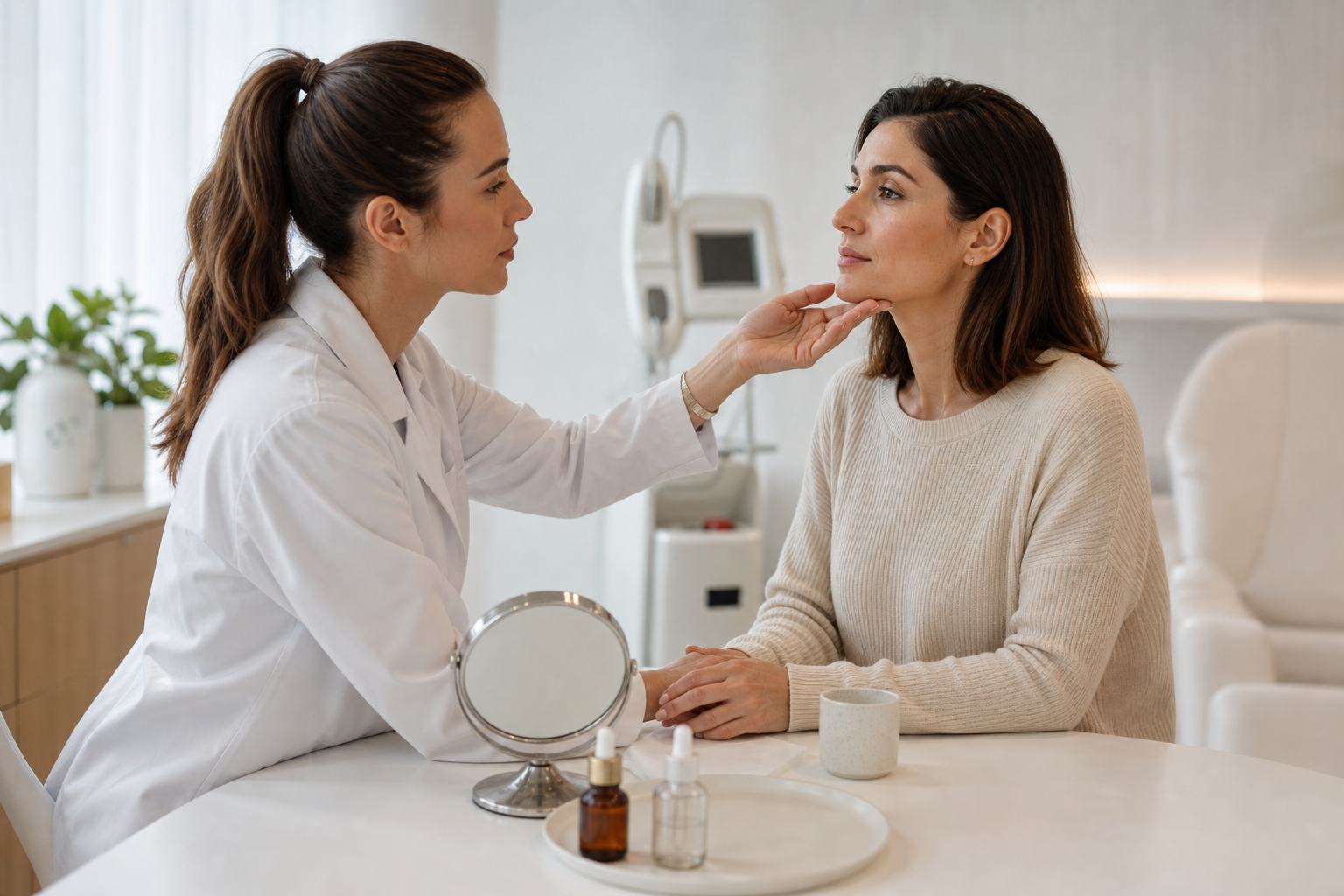
Consultation before laser pigmentation treatment is a pivotal step that determines the success and safety of the procedure for every individual seeking to improve their skin's appearance. Laser treatments aimed at reducing or eliminating pigmentary irregularities—such as age spots, melasma, sun-induced hyperpigmentation, or uneven skin tone—are complex and demand a thorough pre-treatment evaluation. This consultation process is especially critical because it allows practitioners to tailor the treatment plan to the patient’s unique skin condition, phototype, and medical history, ensuring an outcome that meets expectations while mitigating risks.
This article addresses those considering laser pigmentation removal, explaining what to expect during the pre-procedure consultation. It details why this step matters, what clinicians assess, how preparation impacts results, and what advice patients typically receive about post-treatment care and maintenance. Understanding these facets equips patients with realistic expectations and highlights the collaborative nature of the treatment, which depends equally on the clinical expertise and the patient’s adherence to recommended protocols.
Laser pigmentation treatments are not simply cosmetic; they involve medical devices interacting with the skin at a cellular level. Therefore, consultation acts as both a safety checkpoint and a roadmap, ensuring treatment decisions are evidence-based and customized. The following sections break down the consultation process to reveal its essential components and demonstrate why it is indispensable for achieving optimal, long-lasting skin clarity.
What Does a Pre-Treatment Consultation Entail?
A consultation before laser pigmentation therapy begins with a detailed medical and dermatological evaluation aimed at establishing the nature and cause of the pigmentary changes. The clinician first takes a comprehensive history, asking about the onset, progression, previous treatments, medical conditions, medication usage, and any known allergies. These questions help identify underlying factors that may influence the skin's response or increase the risk of adverse effects.
Next, the physical examination focuses on the affected skin areas, assessing the morphology, distribution, and intensity of pigmentation. Tools such as dermatoscopes or UV-enhanced imaging may be employed to discern benign pigmented lesions from those requiring biopsy or alternative management. Importantly, the clinician determines the patient's Fitzpatrick skin phototype—a critical factor influencing laser selection and treatment parameters. Phototypes vary from very fair (type I) to very dark (type VI), with darker skin types requiring more cautious laser settings to prevent complications like paradoxical hyperpigmentation or scarring.
Additionally, the expert evaluates skin sensitivity, texture, and any signs of inflammation or infection. All these observations feed into deciding if laser treatment is appropriate, and if so, which type of laser system and protocol will yield the best results. This process ensures precision, safety, and individualized care.
Who Is an Ideal Candidate for Laser Pigmentation Treatment?
Laser pigmentation therapy is generally recommended for individuals who present with localized or diffuse pigmentary changes that have not satisfactorily responded to topical treatments or other modalities. Typical candidates include those with age-related freckles, melasma patches, post-inflammatory hyperpigmentation, or sunspots. However, suitability is not universal and depends on several clinical considerations unravelled during consultation.
Patients with lighter skin types tend to respond more predictably to laser treatments, as their skin absorbs laser energy differently and carries a lower risk of pigmentary alteration. Conversely, those with darker skin tones may remain candidates but require careful device selection and treatment customization. Conditions such as active skin infections, certain autoimmune diseases, recent isotretinoin use, or photosensitivity disorders usually contraindicate laser therapy or necessitate deferral.
The consultation also serves to gauge the patient's expectations. The clinician clarifies what degree of pigment improvement is achievable, the likely number of treatment sessions, and the possibility of subtle skin texture changes or transient side effects. This dialogue fosters a realistic outlook, reducing dissatisfaction and aligning treatment goals.
How Does the Consultation Guide Skin and Patient Preparation?
One of the most critical roles of the consultation is to prepare both the skin and the patient for the upcoming laser session. Adequate preparation significantly enhances efficacy and safety, and the clinician provides tailored instructions accordingly.
Patients learn the importance of rigorous photoprotection prior to treatment. Sun exposure is a major factor aggravating pigmentation and compromising laser results. The specialist will recommend avoiding direct sunlight and employing broad-spectrum sunscreens with SPF 50+ diligently for several weeks leading up to the procedure. This minimizes skin sensitivity and reduces the risk of post-treatment complications.
Moreover, patients may be advised to discontinue the use of certain topical agents, such as retinoids, hydroxy acids, or bleaching creams, which can irritate or thin the skin if used too close to the treatment date. In some cases, pre-treatment regimens involving prescribed lightening agents like hydroquinone or kojic acid are initiated to lessen pigment intensity and promote uniform laser absorption.
These preparatory measures are carefully customized based on the diagnosis—such as melasma requiring a different approach than solar lentigines—and the patient's skin phototype, making the consultation indispensable for individualized care planning.
What Information and Skin Examination Occur During the Consultation?
The consultation is a comprehensive two-way communication session. Beyond history taking and clinical examination, the clinician educates the patient about the scientific principles underpinning laser pigmentation treatment. This includes explaining how lasers target melanin-containing cells, the types of lasers available (such as Q-switched Nd:YAG, Alexandrite, or fractional devices), and their respective strengths and limitations for different pigmentation disorders.
Visual aids, before-and-after photographs of similar cases, and detailed descriptions of procedural steps are often provided to demystify the process. Patients are encouraged to ask questions and voice concerns about pain, recovery, risks, and costs, promoting informed consent.
The clinician documents skin findings meticulously, sometimes utilizing photographic records for treatment planning and progress tracking. This objectivity helps in monitoring outcomes and adjusting protocols in subsequent sessions if needed.
Realistic Timeline of Results: What to Expect After Treatment?
Setting realistic expectations regarding the timing and nature of results is a vital component of the consultation. Laser-induced pigment resolution is a gradual biological process rather than an instant effect.
In many cases, treated pigment spots initially darken within days post-treatment, a phenomenon sometimes misinterpreted as treatment failure but actually representing melanin coagulation and breakdown. This darkening phase typically subsides over one to two weeks, often accompanied by mild redness, swelling, or superficial peeling.
Initial improvements are usually observed within three weeks, but multiple sessions—commonly spaced several weeks apart—are required to achieve significant clearing. The total number of treatments depends on pigment type, area size, and individual skin response. Patients should understand that some pigmented lesions, particularly melasma, may recur without ongoing maintenance.
The Crucial Role of Photoprotection and Maintenance Post-Treatment
Post-treatment care and photoprotection are essential to consolidate laser treatment benefits and prevent relapse. During consultation, patients receive clear guidance on strict sun avoidance and daily use of high SPF sunscreens tailored for their skin type. Protective clothing and behavioral modifications to reduce UV exposure are also emphasized.
Furthermore, maintenance regimens including topical antioxidants, moisturizers promoting skin healing, and occasional booster laser sessions may be recommended to sustain results. The clinician also schedules follow-up appointments to monitor skin status and intervene promptly if pigmentary changes recur.
Education about lifestyle factors, such as avoiding tanning beds and managing hormonal triggers, especially in melasma, fortifies long-term success. This comprehensive approach to maintenance underscores the consultation’s function as a foundation for enduring outcomes rather than an isolated initial step.


