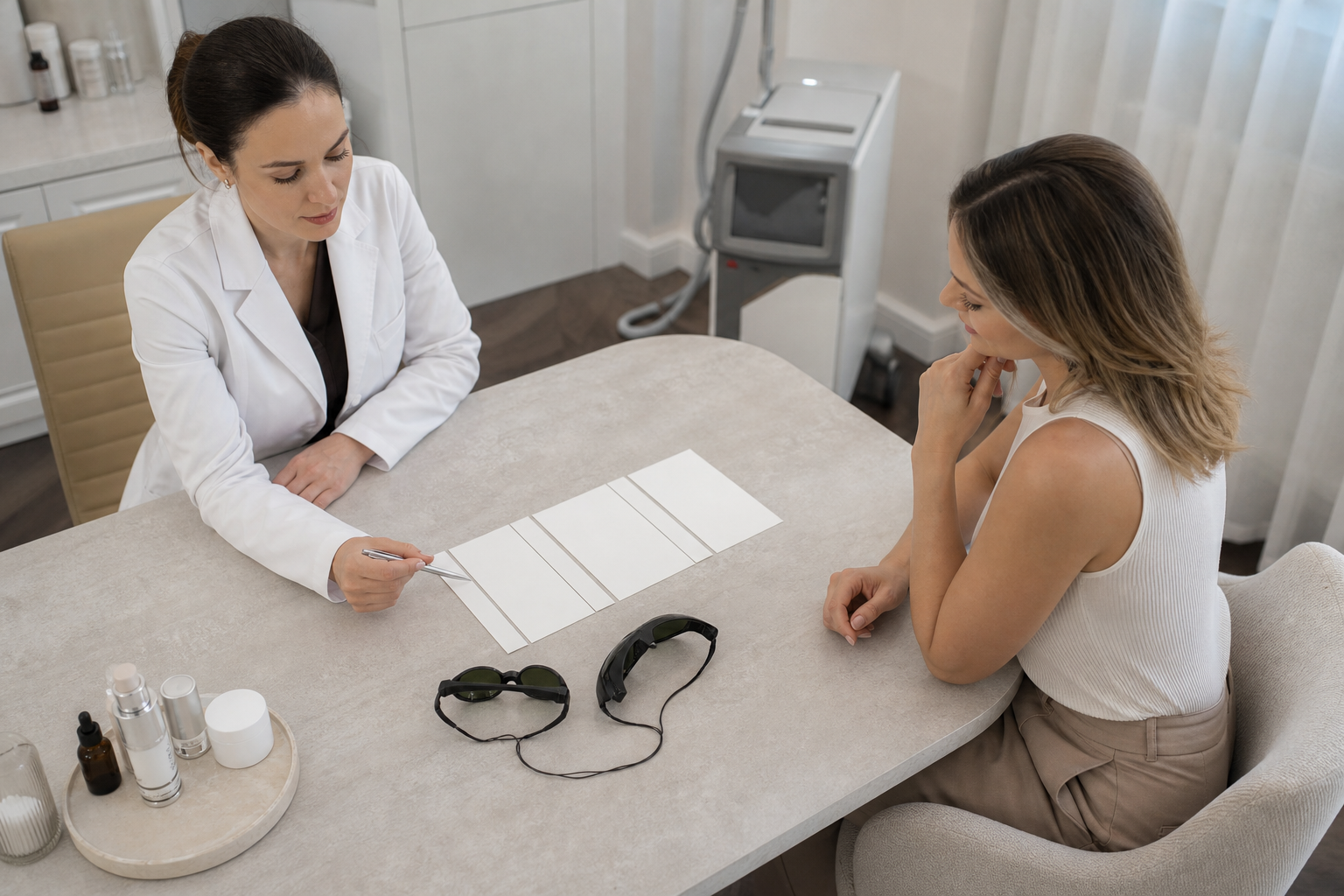
The use of CO₂ laser technology in dermatology has become an essential tool for advanced skin rejuvenation and treatment of various skin imperfections. Known for its precision and effectiveness, CO₂ laser resurfacing addresses issues ranging from wrinkles and fine lines to scars and pigmentation irregularities. As more individuals seek out this procedure to enhance their skin's appearance, a common and important question surfaces: When does skin return to normal after CO₂ laser treatment?
This question is crucial not only for prospective patients but also for healthcare professionals who guide them through the treatment journey. Understanding the expected recovery timeline helps manage expectations, ensures proper post-treatment care, and informs lifestyle choices during the healing process. The answer, however, is far from one-size-fits-all. The skin's return to its normal state after CO₂ laser therapy depends on several interrelated factors such as the laser's intensity, treatment depth, individual skin characteristics, and the clinician’s technique. This article aims to illuminate these nuances with clarity, prioritizing factual education over oversimplified promises.
The information presented here will benefit those considering CO₂ laser treatment for skin rejuvenation, as well as practitioners seeking reliable resources to educate their patients effectively. It will elaborate on the phases of skin healing, the variability in recovery duration, factors influencing outcomes, and key considerations for post-procedural care. While prescribing personalized protocols is outside the scope of this overview, references to related authoritative guides on preparation, procedure, and recovery offer pathways for deeper exploration into comprehensive skin laser treatments.
What Is CO₂ Laser Resurfacing and How Does It Affect the Skin?
CO₂ laser resurfacing involves the application of a carbon dioxide laser to precisely ablate layers of skin tissue using a specific wavelength in the infrared spectrum. This process removes damaged skin cells from the epidermis and parts of the dermis. The ablative nature of the laser triggers the skin’s natural wound healing mechanisms, promoting regeneration and stimulating collagen production. These biological responses lead to smoother, firmer skin with improved tone and texture.
The treated skin undergoes controlled injury, which, while therapeutic, temporarily disrupts its protective barrier. This disruption necessitates a recovery period during which the skin repairs itself. The extent and speed of healing are influenced by how deep the laser penetrates and how aggressively the treatment is applied. Superficial CO₂ laser treatments typically impact only the upper epidermal layers and require shorter healing times. In contrast, deeper ablative treatments stimulate extensive collagen remodeling but involve prolonged inflammatory responses and longer recovery durations.
The process of skin healing after CO₂ laser therapy can be broadly divided into three sequential phases: the inflammatory phase, which includes redness and swelling; the proliferative phase, marked by new cell growth and skin resurfacing; and the remodeling phase, during which collagen continues to reorganize to restore skin strength and elasticity. These phases illustrate why the skin's return to a ‘normal’ appearance is gradual and evolves over weeks to months.
Who Are Suitable Candidates for CO₂ Laser Treatment?
CO₂ laser skin resurfacing is typically reserved for individuals committed to addressing moderate to severe skin imperfections and those whose skin health facilitates proper healing. Candidates generally seek to improve deep wrinkles, significant sun damage, uneven pigmentation, and acne scars. The treatment is not universally appropriate; active skin infections, certain systemic health issues inhibiting healing, or predisposition to hypertrophic scarring or keloids can contraindicate the procedure.
Skin phototype also plays a critical role in candidacy assessments. Those with lighter skin tones tend to have fewer risks of pigmentation changes post-treatment, while individuals with darker skin require cautious evaluation due to potential post-inflammatory hyperpigmentation or hypopigmentation. Ultimately, candidacy determinations and treatment planning should be personalized and conducted by experienced professionals familiar with the patient’s medical history and skin characteristics.
What Is the Typical Timeline for Skin to Return to Normal After CO₂ Laser?
The question of when skin returns to its normal state after CO₂ laser resurfacing varies considerably but can be outlined within approximate timeframes to align with the natural healing process:
First 5 to 7 Days: This period marks the most intense phase of recovery. The skin appears markedly red and swollen, often accompanied by a sensation of warmth or tenderness. The treated area typically undergoes peeling or flaking as the superficial layers of epidermis shed, giving way to a new, fragile skin surface. Protective and moisturizing skin care is essential to support healing and minimize discomfort during this time.
Second to Third Week: Redness generally diminishes gradually; however, depending on treatment depth and individual response, mild erythema can persist. The skin’s texture becomes smoother and more uniform, with scaling decreasing significantly. Deeper dermal repair continues, including collagen synthesis, which is vital for long-term skin improvement. The skin may still feel slightly sensitive or delicate to touch.
By 3 to 4 Weeks: The visible signs of treatment have mostly resolved, and skin tone usually approaches baseline appearance. Most patients can resume usual cosmetic routines and tolerate environmental exposure, provided sun protection is diligently maintained. However, the remodeling phase extends beyond this point, often lasting several months, during which ongoing improvements in skin tightness and elasticity occur as collagen fibers reorganize.
Considering these general intervals, one can expect that technically, skin regains a normal external appearance within around one month, although underlying reparative processes continue silently afterward.
Which Factors Influence the Speed of Recovery After CO₂ Laser?
The variability of healing timelines stems from multiple interdependent factors:
Skin Type and Age: Thicker or more resilient skin types may recover faster, while older skin, with diminished regenerative capabilities, often requires extended healing times. Additionally, skin color affects risks of pigmentation sequelae, which can prolong perceived abnormality.
Intensity and Depth of Laser Treatment: Treatments with high-energy settings and deeper penetration cause more extensive tissue disruption, lengthening recovery. Conversely, fractional or less aggressive approaches induce quicker healing with fewer side effects.
Technique and Equipment: The clinician’s expertise and choice of laser device matter. Advanced fractional CO₂ lasers create treated zones interspersed with untreated skin, facilitating faster epidermal renewal and reduced downtime.
Post-Treatment Care: Adherence to recommended post-procedure regimens, including sun avoidance, use of gentle cleansers, and application of prescribed topical agents, supports optimal healing and mitigates complications.
What Happens During the Skin’s Healing Process Post-CO₂ Laser?
Immediately following treatment, patients often experience pronounced erythema (redness), edema (swelling), and a sensation of warmth, which correspond to the body's inflammatory response to acute skin injury. These signs are temporary and indicate the initiation of tissue repair.
Within days, the laser-ablated epidermis flakes off in the form of peeling or scaling, unveiling new skin underneath. This phase may include mild itching or tightness, signaling active cellular proliferation. As the new epidermal layer matures, surface smoothness visibly improves.
Subsequent remodeling at the dermal level involves ongoing collagen deposition and reorganization, which enhance skin texture and firmness. This process unfolds over months, reinforcing that while the skin’s surface may appear normal relatively quickly, complete regenerative benefits accrue gradually.
When Should One Seek Medical Advice During Recovery?
Although most symptoms after CO₂ laser treatment are expected and resolve naturally, certain warning signs merit prompt clinical attention. These include:
Persistent, intense pain or tenderness beyond initial recovery phases may suggest infection or other complications.
Prolonged redness or swelling past the expected timeframe accompanied by fever or malaise could indicate inflammatory or infectious concerns requiring intervention.
Appearance of purulent discharge or open sores that fail to heal necessitates professional evaluation.
Uncommon pigmentary changes such as extensive hyperpigmentation or hypopigmentation may require specialized management.
Engaging with the treating clinician swiftly when such issues arise supports optimal outcomes and safety.
How Does Proper Post-Treatment Skin Care Facilitate Optimal Recovery?
Post-CO₂ laser skin care is a decisive factor in accelerating healing and safeguarding against adverse effects. Fundamental care principles include:
Sun Protection: UV exposure significantly increases risks of pigmentation changes and delays repair. Broad-spectrum sunscreens and physical barriers are essential during and after the recovery period.
Gentle Cleansing and Hydration: Using mild, non-irritating cleansers and emollients helps maintain moisture balance and prevents infection.
Avoidance of Mechanical Trauma: Patients should refrain from rubbing or picking at peeling skin to minimize scarring and irritation.
Following Professional Recommendations: Adhering to prescribed topical medications or ointments promotes healing, manages discomfort, and protects the fragile epidermal barrier.
Successful adherence to these protocols reduces downtime and enhances long-term results.
What Are the Limitations and Risks of CO₂ Laser Skin Resurfacing?
While CO₂ laser treatments offer impressive rejuvenation potential, users must recognize inherent limitations and risks:
Limitations: Not all skin conditions are suitable for CO₂ laser therapy. Certain types of scars or pigmentation issues may respond better to alternative treatments. Also, the full aesthetic benefit of collagen remodeling unfolds slowly, requiring patience.
Risks: Potential side effects include transient redness, swelling, pigmentation changes, infection, and scarring. An experienced clinician minimizes these risks through appropriate treatment selection and technique.
Informed consent and realistic expectations are paramount to satisfactory treatment experiences.


