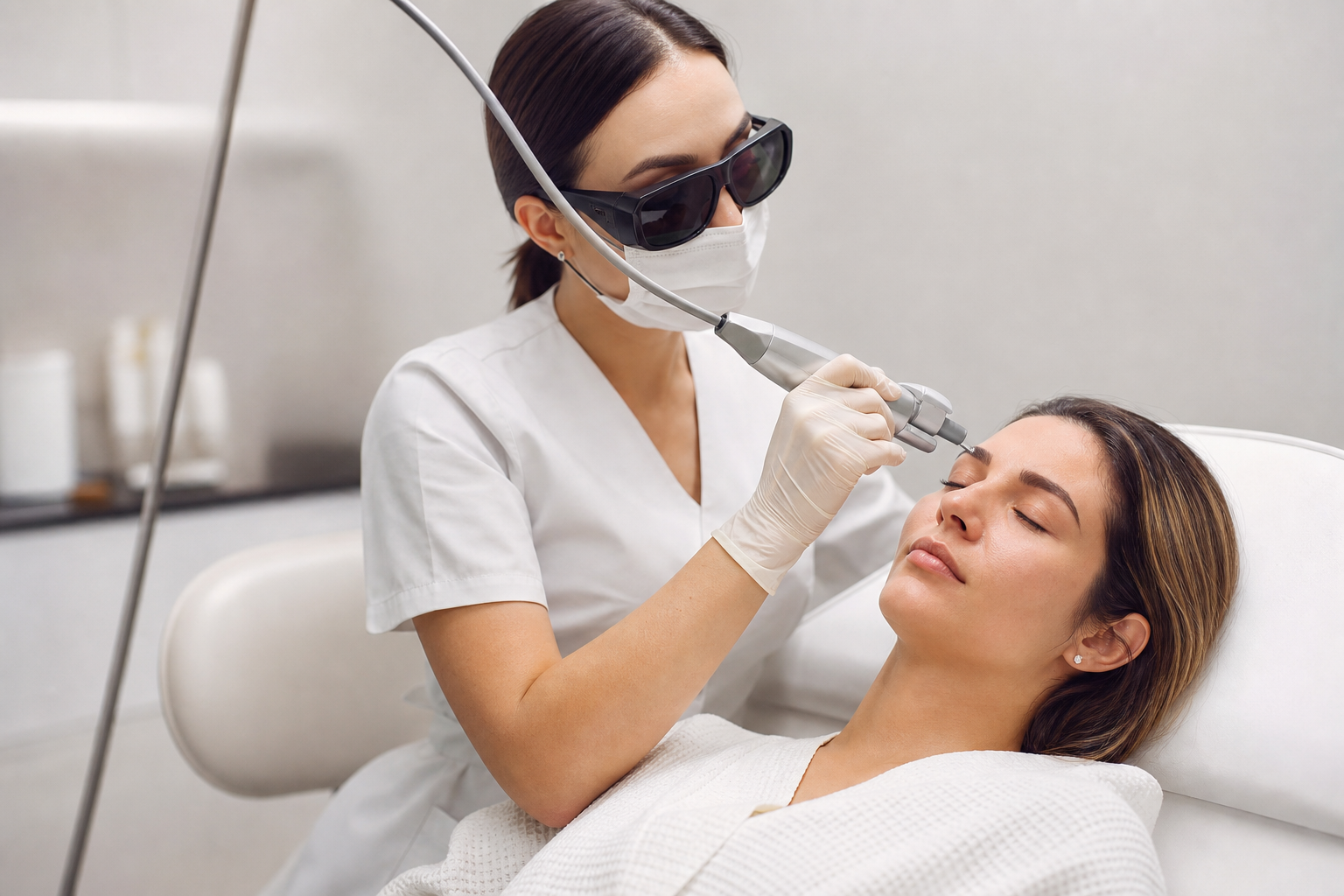
Laser removal of red and orange eyebrow pigments represents a highly specialized procedure within aesthetic dermatology and cosmetic treatments. This process is intended for individuals seeking to eradicate unwanted hues resulting from permanent makeup or eyebrow tattooing that have turned red or orange over time. Unlike more common ink colors such as black or blue, these warm-toned pigments pose unique challenges due to their chemical composition and interaction with laser light, necessitating a nuanced, individualized approach that prioritizes patient safety and efficacy.
Understanding laser removal for these vibrant pigments is essential for both professionals administering treatments and clients contemplating correction or removal of problematic eyebrow colors. The complexity arises mainly from the pigments' biochemical nature, which influences how they respond to laser therapy and the potential for color changes during treatment. This article will explore the intricacies of laser removal of red and orange eyebrow pigments, detailing the rationale for specialized protocols, the importance of test spots, potential risks, and realistic expectations around the procedures and outcomes.
For anyone confronting the issue of undesired red or orange eyebrow tattoos—whether due to dissatisfaction, pigment fading, allergic reactions, or aesthetic preferences—laser removal remains one of the most promising options, but demands careful preparation, expert execution, and patient cooperation to achieve safe and visually appealing results.
What Causes Red and Orange Eyebrow Pigments and Why Are They Difficult to Remove?
Red and orange eyebrow pigments frequently stem from permanent makeup or tattoo inks used in microblading, micropigmentation, or tattooing procedures. Unlike traditional dark pigments that rely mainly on carbon or iron oxides, these warm tones often incorporate metal oxides, organic dyes, or a combination thereof. Their unique chemical structures respond differently to laser light, making standard removal techniques less effective or even counterproductive.
Over time, the pigments' original color may shift due to skin exposure to sunlight (UV radiation), oxidation processes, or reactions within the body. In some cases, lower-quality inks or improper application can lead to early pigment alteration, where the brow colors turn from their intended shade to reddish or orange hues. These pigments tend to absorb laser light in ways that can increase saturation or trigger paradoxical color changes like darkening or undesirable shifts, complicating removal efforts.
Conventional tattoo removal lasers tuned for black and blue inks usually operate at specific wavelengths that target those pigments most effectively. However, the warm-spectrum red and orange pigments absorb these laser wavelengths differently, meaning that treatment without customization can fail or even exacerbate the issue.
Who Benefits from Laser Removal of Red and Orange Eyebrow Pigments?
This treatment is particularly beneficial for individuals who are dissatisfied with the color of their permanent eyebrow makeup. Reasons for dissatisfaction may include incorrect pigment choice, fading and discoloration over time, allergic reactions leading to pigment changes, or evolving aesthetic preferences requiring correction. Additionally, users who have attempted chemical removals or other corrective methods without success often turn to laser treatments as a more precise solution.
Clients who have undergone microblading or tattooing with red or orange inks—especially without prior quality testing—are prime candidates for laser removal. Cases of paradoxical darkening, where the pigment becomes darker instead of lighter following attempts at removal, highlight the necessity for laser treatment protocols that accommodate these colors' unique challenges.
Beyond color correction, laser removal can pave the way for clients to adopt a more natural eyebrow appearance or prepare the treated area for new, more suitable pigment application, thus improving confidence and satisfaction with their look.
What Are the Medical Considerations and Risks Associated with Laser Removal of Red and Orange Pigments?
The use of laser technology to remove pigments demands meticulous medical oversight, beginning with thorough patient history and skin type evaluation. Each session requires adherence to established health protocols to minimize risks such as scarring, infection, or unintentional skin damage.
One of the paramount risks in treating red and orange pigments is paradoxical darkening—a phenomenon where the pigment reacts chemically under laser exposure and becomes darker or even changes to a blackish hue. This can occur due to the presence of metal salts like iron oxides, which alter their oxidation state upon laser irradiation.
To mitigate risks, practitioners conduct test spots on a small area prior to full treatment to observe the skin's and pigment's reaction over several weeks. This step helps in refining the treatment parameters and deciding the suitability of laser removal for each individual case. Furthermore, continuous monitoring during the treatment process is critical to adapt strategies if adverse effects or unexpected pigment changes arise.
Given these complexities, laser removal should only be performed by experienced professionals with comprehensive knowledge of pigment chemistry, skin physiology, and laser-tissue interactions to ensure patient safety and treatment effectiveness.
How Are Individualized Protocols Developed for Laser Removal of Red and Orange Eyebrow Pigments?
Each patient’s treatment plan begins with a detailed consultation that includes an assessment of the pigment type, depth of deposition, skin phototype, and previous procedures performed. Based on this evaluation, the specialist selects laser types and wavelengths optimized for targeting the specific pigment particles while minimizing impact on surrounding tissue.
Test zones are critical components of these individualized protocols. A small patch of the eyebrow area is treated initially, with subsequent close follow-up for any color alterations, inflammation, or discomfort. This approach allows practitioners to tailor treatment intensity, intervals between sessions, and the necessity of combining different laser systems for complex pigment compositions.
Treatment schedules are spaced out adequately to allow full dermal recovery and immune-mediated pigment clearance, typically ranging from several weeks to months between sessions. Overly aggressive or rapid treatments can cause skin trauma and exacerbate pigment issues, hence the need for cautious progression.
Personalized protocols ensure not only safety but also optimize efficacy, maximizing pigment clearance while preserving the cosmetic integrity of the delicate eyebrow area.
What Can Patients Expect During and After Laser Removal Treatments?
Laser removal works by delivering pulses of specific wavelengths that target pigment particles, fragmenting them into smaller pieces that the body’s immune system then gradually removes. The sensation during treatment is often described as a mild snapping or tingling feeling, which is generally well tolerated.
Immediately after therapy, patients might observe redness, mild swelling, and slight peeling or crusting around the treated area—these are typical inflammatory responses and signs of the skin beginning its healing process. Post-treatment care usually involves gentle cleansing, avoiding sun exposure, and applying soothing topical agents as recommended by the specialist.
Complete pigment clearance is a gradual process that can take weeks to months and often requires multiple sessions. Especially with red and orange pigments, the removal may be incomplete in fewer treatments due to the pigments’ resistance, necessitating patience and adherence to the treatment plan.
Realistic expectations are crucial—patients should understand that while laser removal offers one of the most effective methods available for these colors, results can vary based on pigment type, individual healing, and treatment adherence.
What Are Common Challenges and Frequently Asked Questions About Removing Red and Orange Eyebrow Pigments?
A primary concern among patients is the safety of the laser procedure and whether it might damage the delicate skin around the eyes. When performed properly by qualified practitioners using tailored protocols, the risk to skin integrity is minimized.
Another common question relates to the paradoxical darkening phenomenon. Understanding that this effect is not a failure but a pigment chemistry reaction allows both specialist and patient to manage treatment accordingly, possibly incorporating alternative lasers or adjunct therapies.
Patients also often inquire about treatment duration and the number of sessions required. Since red and orange pigments are more resistant, multiple treatments spaced with adequate recovery time are the norm, rather than a single session cure.
How Does Laser Removal of Red and Orange Pigments Integrate Within Broader Permanent Makeup and Tattoo Removal Practices?
Laser technology remains the gold standard in the removal of permanent makeup and tattoos due to its ability to selectively target pigment particles with minimal skin damage. This contrasts with chemical peels or mechanical abrasion methods, which carry higher risks of scarring and uneven results.
Within laser removal, the approach for red and orange pigments demands additional consideration compared to darker tattoos, illustrating that not all pigment removal is uniform. This necessitates specialized knowledge and equipment availability to address the full spectrum of colors safely.
Understanding how pigments interact with different laser wavelengths also informs future permanent makeup applications, encouraging selection of pigments compatible with potential corrective treatments and advancing safer, more adaptable cosmetic standards.


