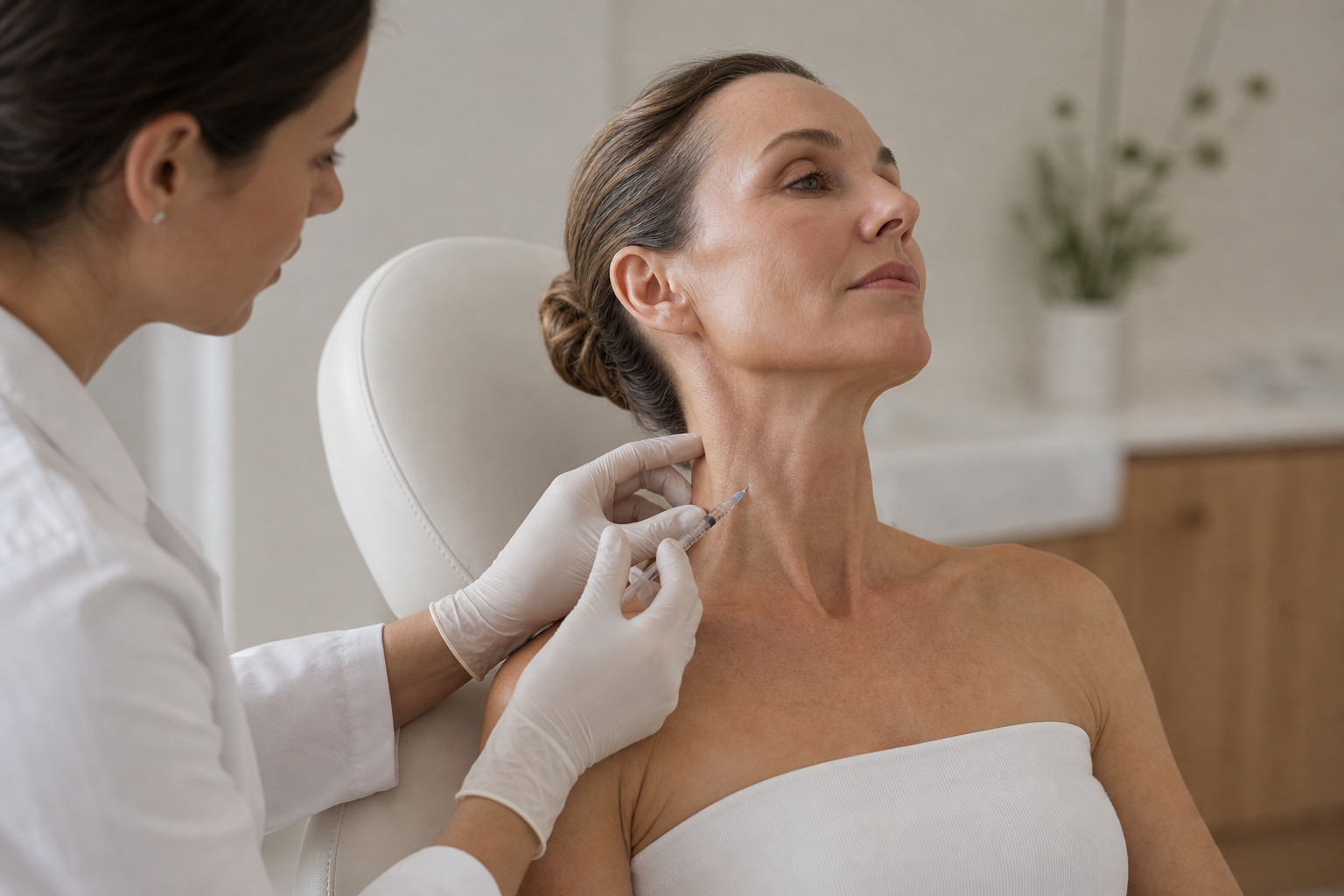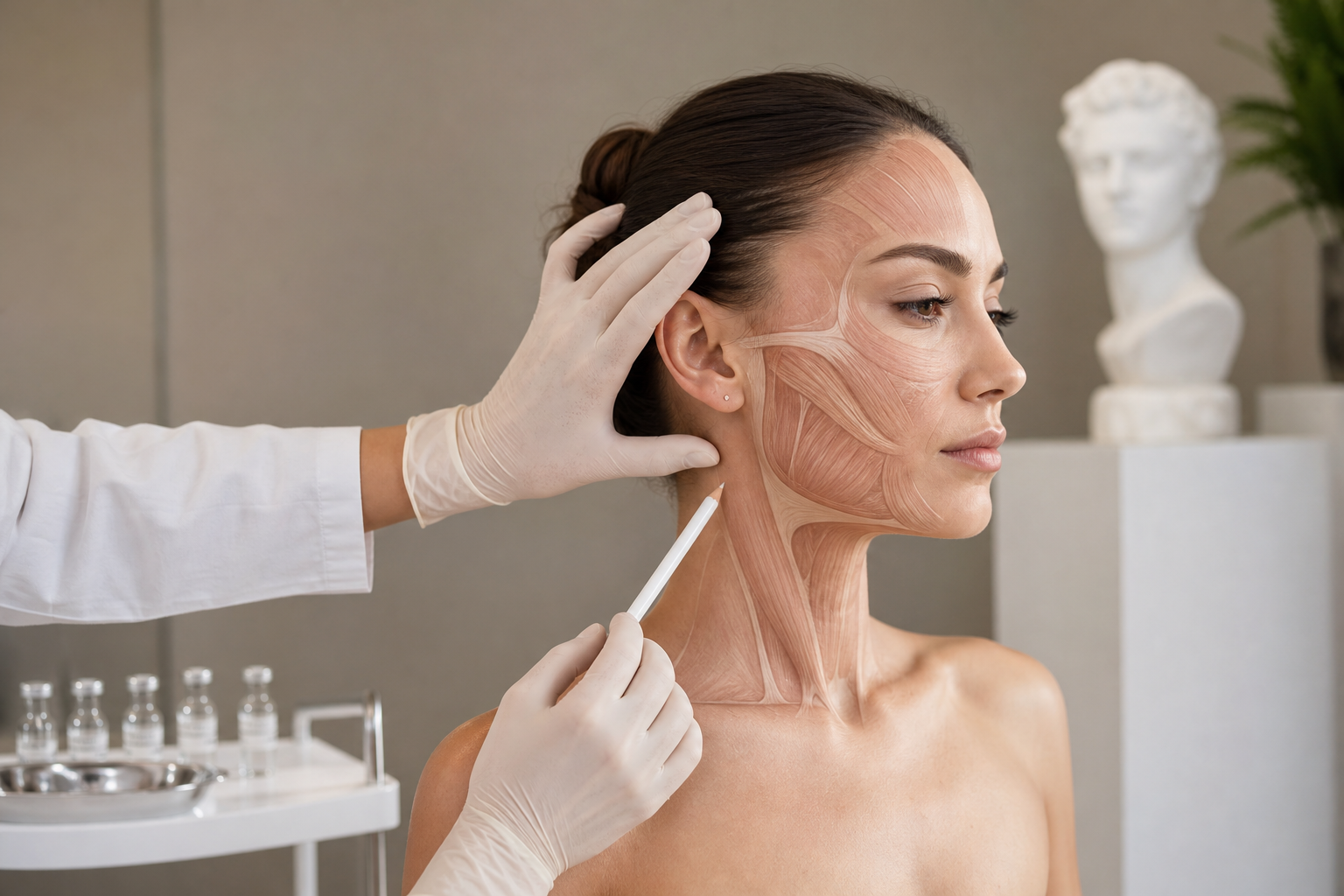
Botox has revolutionized the field of aesthetic medicine as one of the most sought-after treatments for minimizing wrinkles and combating visible signs of facial aging. This neurotoxin, derived from botulinum toxin type A, effectively relaxes targeted muscles to smooth dynamic wrinkles, offering a refreshed and youthful appearance. However, achieving natural, harmonious, and long-lasting results requires more than just standardized injections; it demands a profound understanding of facial muscle anatomy and its direct influence on Botox treatment planning.
This editorial is crafted for individuals contemplating Botox treatment, as well as medical professionals and aesthetic practitioners who aspire to deepen their knowledge of the anatomical principles behind effective Botox application. Understanding how the unique architecture and functionality of facial muscles dictate both the approach and outcome of Botox interventions is crucial in optimizing patient satisfaction, ensuring safety, and preventing adverse effects.
Facial muscles, unlike typical skeletal muscles, are intricately responsible for expression and subtle movements. Each muscle’s size, location, and interaction with neighboring muscles influence the formation of wrinkles, the patient’s facial expressions, and ultimately, the injection strategy that yields the best cosmetic outcome. In this comprehensive guide, we will explore how the anatomy of facial muscles shapes Botox planning, from mechanism of action and wrinkle types to treatment limitations and the indispensable role of professional assessment.
The Complex Anatomy of Facial Muscles that Shapes Botox Targeting
The human face hosts a sophisticated network of muscles collectively known as the muscles of facial expression. These muscles are unique in that they insert directly into the skin, enabling delicate and wide-ranging movements that convey emotion — laughter, surprise, anger, or concern. Unlike muscles anchored to bones to generate gross motor function, facial muscles operate in concert to create intricate dynamic expressions.
Among these, particular muscles feature prominently in Botox planning due to their role in wrinkle formation. The frontalis muscle, stretching across the forehead, is pivotal in raising the eyebrows and forming horizontal forehead lines. The corrugator supercilii and procerus muscles, located between and above the eyebrows, contract to cause vertical frown lines, often termed glabellar lines or the “11s.” Meanwhile, the orbicularis oculi muscle forms concentric rings around the eyes, facilitating blinking and smiling but also generating crow’s feet wrinkles at the lateral eye corners.
Each muscle’s distinctive anatomical scope and fiber arrangement influence how Botox is administered. For instance, the large, flat frontalis muscle may require more dispersed injection points for even relaxation, whereas the corrugators and procerus being smaller and deeper demand precision to avoid unintended effects on surrounding muscles. The orbicularis oculi's circular structure necessitates subtle dosing to preserve essential eye functions while smoothing wrinkles.
The complexity extends to individual anatomical variations. Skin thickness, muscle strength, facial bone structure, and habitual expressions all vary among patients, requiring that treatment plans be highly personalized. Botox practitioners must meticulously assess these variables, often palpating muscle activity and observing natural expressions before deciding injection sites and doses. Neglecting the intricate anatomy risks complications such as eyelid drooping (ptosis), unnatural facial stiffness, or asymmetry.
Distinguishing Dynamic and Static Wrinkles in Botox Treatment Strategy
Effective Botox planning begins with differentiating between dynamic and static wrinkles, as the treatment’s action is specifically targeted at dynamic wrinkles caused by muscle contractions. Dynamic wrinkles manifest when muscles repeatedly contract during facial expressions, creating temporary ridges and folds. Over time, these lines deepen and can become permanent if skin elasticity diminishes.
Static wrinkles, by contrast, are persistent lines visible even at rest and generally result from cumulative skin changes such as collagen breakdown, loss of subcutaneous fat, and decreased moisture retention. Since Botox acts by inhibiting neurotransmitter release at the neuromuscular junction, preventing muscle contraction, it effectively softens dynamic wrinkles but cannot restore volume or elasticity lost in static wrinkles.
This anatomical and physiological understanding guides realistic treatment expectations. Early intervention with Botox can significantly delay the progression of static wrinkles by reducing repetitive muscle overactivity. However, advanced signs of aging with established static lines often require adjunct therapies such as dermal fillers, laser resurfacing, or microneedling to address skin texture and volume deficits.
Therefore, during consultation and planning, assessing the dominance of dynamic versus static wrinkles shapes the treatment protocol. For predominantly dynamic lines, Botox alone may suffice, while mixed wrinkle types necessitate combination therapies to achieve optimal rejuvenation.
Precision in Botox Injection Techniques Anchored in Muscle Anatomy
The artistry and effectiveness of Botox depend heavily on injection precision grounded in muscular anatomy knowledge. Selecting injection points is not merely about targeting wrinkles but understanding the underlying muscle action and how weakening certain fibers affects overall facial harmony.
For instance, treating glabellar lines involves injections into the corrugator and procerus muscles in a pattern that inhibits brow furrowing without impairing eyebrow elevation by the frontalis muscle. Over-treatment in this area can freeze facial expression and impart a harsh or unnatural look, while under-treatment may leave residual wrinkles.
Similarly, when addressing forehead lines, distributing Botox across several points in the frontalis muscle evenly relaxes the muscle to soften horizontal lines but preserves enough tone to avoid eyebrow ptosis or heavy lids. In the periorbital region, dosing must balance wrinkle reduction with preservation of the orbicularis oculi’s function to protect the eyes and maintain natural expressions.
Depth of injection is equally vital. Superficial injections mainly affect skin muscles, while deeper injections can compromise adjacent muscles or neurovascular structures. Knowledge of the precise three-dimensional course of facial nerves and vessels helps avoid adverse effects such as bruising, swelling, or unintended paralysis.
Each patient’s muscle strength and activity frequency also informs dose calculation. Stronger, frequently used muscles may require higher doses or more injection points to achieve satisfactory relaxation, whereas weaker muscles need less toxin to avoid excessive weakening. This informs not only efficacy but also the duration of Botox’s effect, as more active muscles metabolize the toxin differently.
Limitations and Best-Use Scenarios of Botox in Relation to Facial Muscle and Skin Physiology
Although Botox excels in smoothing wrinkles caused by muscle action, its limitations are rooted in anatomical and physiological realities. It is not a panacea for all aging signs and must be applied judiciously within its scope.
Botox cannot directly improve skin laxity resulting from collagen depletion or sagging from subcutaneous fat loss—changes clinically termed static aging. In such cases, complementary procedures like thread lifts, radiofrequency skin tightening, or dermal fillers offer volumetric support and skin firming beyond Botox’s neuromuscular effect.
Moreover, anatomical zones that rely heavily on muscle function for essential expressions or movements can be risky targets. For example, injecting Botox around the mouth for perioral wrinkles requires extreme caution as strong muscle relaxation here can impair speech, eating, or produce a “frozen” smile. Similarly, treatments in the neck and lower face require intricate anatomical knowledge to avoid dysphagia or compromised head posture.
Patient-specific factors must also be recognized. Conditions such as neuromuscular disorders, allergies to botulinum toxin components, or pregnancy contraindicate Botox use due to safety concerns. Detailed medical history and anatomical assessment are indispensable in identifying such contraindications and tailoring treatment accordingly.
Ensuring Safety and Optimal Outcomes Through Consultation with Qualified Specialists
The foundational step in effective Botox treatment is a thorough consultation with an experienced, board-certified dermatologist, plastic surgeon, or trained aesthetic practitioner. This evaluation transcends cosmetic desire, encompassing a detailed anatomical examination, medical history review, and discussion of realistic goals.
Competent specialists assess muscle mass, tone, and activity, determine wrinkle types, and identify any asymmetries or anatomical anomalies. This comprehensive appraisal anchors the treatment plan, optimizes dose and site selection, and significantly reduces the risk of complications.
Furthermore, patient education is integral to safety and satisfaction. Understanding how Botox works, what results can be expected, potential side effects, and the importance of follow-up empowers patients to make informed decisions and adhere to pre- and post-treatment guidelines. This educational dialogue builds trust and fosters long-term therapeutic relationships.
Given the nuances of muscle anatomy and pharmacodynamics involved, self-administration or unqualified injection poses significant hazards. Certified professionals remain pivotal in navigating the subtleties of individual anatomy, ensuring each treatment complements the patient's unique facial architecture and expression.