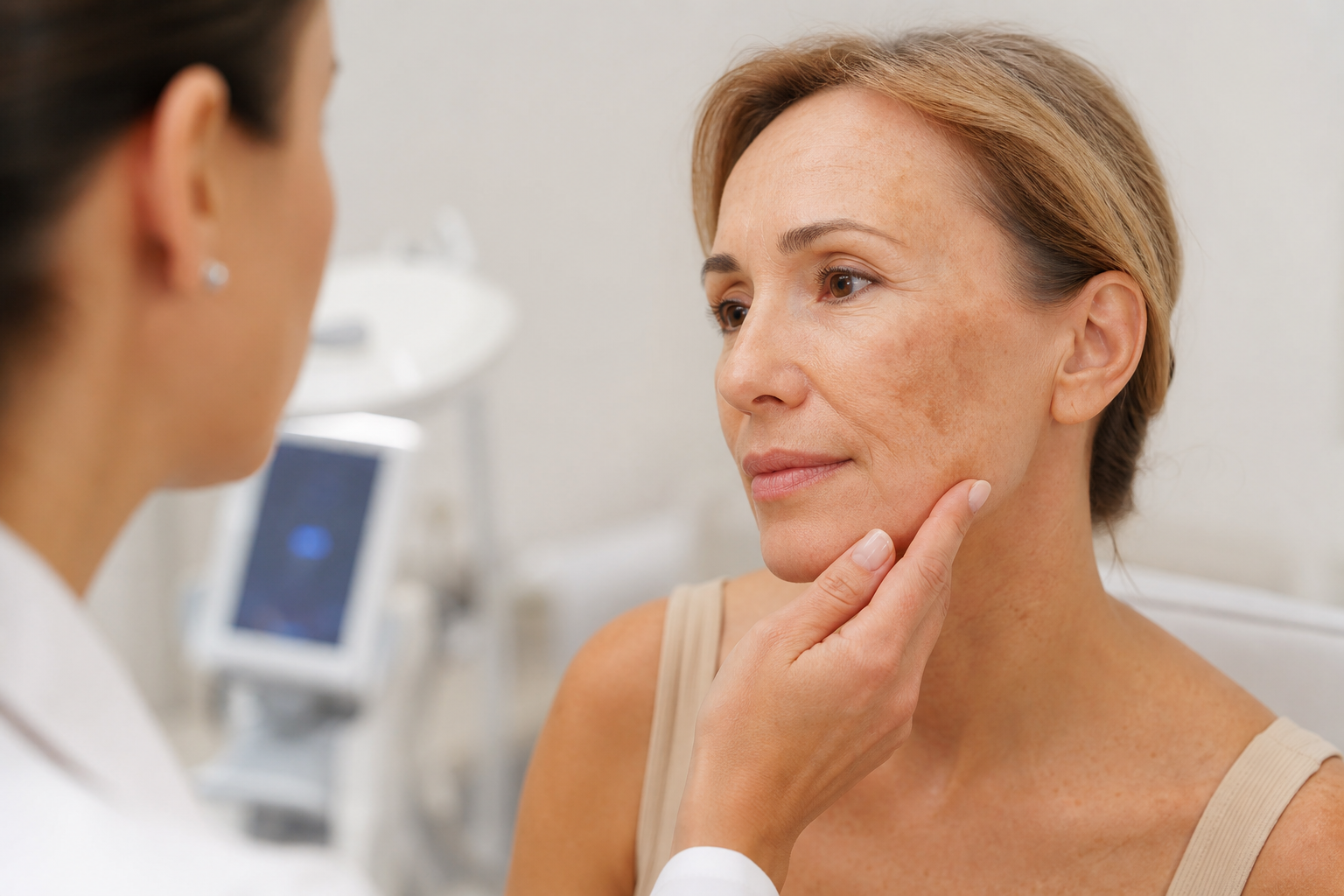
Dark spots on the face, often referred to as hyperpigmentation, solar lentigines, or age spots, are a common cosmetic concern affecting individuals of various ages and skin types. These spots typically emerge due to prolonged sun exposure, aging, and other intrinsic or extrinsic factors. While they are generally harmless, dark spots can significantly impact a person's aesthetic appearance and self-confidence. As a result, many seek effective, targeted solutions to achieve a more even and radiant complexion.
Laser removal of dark spots on the face stands out as one of the most advanced and effective methods available today for addressing these pigmentary changes. Tailored for those desiring skin rejuvenation without invasive surgery or prolonged downtime, laser therapy offers precision, safety, and promising results. Understanding the nuances of laser treatments—how they work, who benefits most, what results to expect, and how to maintain outcomes—is essential for anyone considering this approach.
This article comprehensively explores laser removal of dark spots on the face, examining the diagnostic process, treatment options, realistic outcomes, potential side effects, and the indispensable role of photoprotection in preventing recurrence. It also underscores the necessity of dermatologic assessment to exclude suspicious lesions prior to cosmetic intervention, ensuring safe and effective treatment.
What Are Dark Spots on the Face and Who Is Affected?
Dark spots, medically termed as hyperpigmentation, refer to areas of the skin where melanin—the pigment responsible for skin color—is produced in excess, resulting in localized discolorations. Among the various types, solar lentigines are particularly prevalent; these are flat, brownish patches commonly emerging on sun-exposed areas such as the face, hands, and décolletage. Photoaging, the cumulative damage from ultraviolet (UV) radiation, plays a pivotal role in their development alongside chronological aging.
Other forms of pigmentation include melasma, often triggered or exacerbated by hormonal changes and characterized by larger patches of uneven pigmentation. Post-inflammatory hyperpigmentation can occur following skin injury or inflammation, such as acne. The diversity in causes and presentations requires accurate differentiation to tailor suitable treatments.
Individuals with lighter to medium skin tones often notice these spots more distinctly, but they can affect all skin types. Those with a history of significant sun exposure, tanning bed use, or inadequate photoprotection are particularly susceptible. Beyond aesthetic concerns, dark spots may cause psychological distress, making effective management a priority for many.
How Does Laser Removal of Dark Spots Work?
Laser therapies target dark spots by utilizing specific wavelengths of light energy absorbed selectively by melanin within the skin. The absorbed laser energy disrupts pigment clusters, breaking them down into smaller fragments that the body's immune system can then eliminate naturally. This process not only diminishes the visible pigmentation but can also stimulate collagen production, improving overall skin texture and tone.
Several laser types are employed depending on the pigmentation's nature, depth, and patient skin type. Commonly used lasers include Q-switched Nd:YAG, Alexandrite, and picosecond lasers. Each offers unique advantages; for example, the picosecond laser delivers extremely short pulses that effectively shatter pigment with minimal thermal damage to surrounding tissue.
Choosing the appropriate laser and treatment parameters requires expert assessment by dermatologists or trained aesthetic practitioners who consider factors such as lesion color, size, depth, and the patient's skin phototype. This personalized approach maximizes efficacy while minimizing risks.
Which Dark Spots Are Best Suited for Laser Treatment?
Laser removal is most effective for pigmented lesions such as solar lentigines or sun spots, which are superficial and well-defined. These spots respond well because they contain concentrated melanin that lasers can precisely target. Melasma and post-inflammatory hyperpigmentation may also improve with laser therapy, though they often require a more nuanced approach due to their complexity and potential for recurrence.
It is important to highlight that not all facial spots should be treated with lasers immediately. Suspicious lesions characterized by irregular borders, rapid changes in color or size, or asymmetry necessitate thorough dermatologic evaluation and possibly biopsy to rule out malignancy before proceeding to cosmetic treatments. This step safeguards patient health and ensures that laser therapy is employed only when appropriate.
What Are the Advantages of Laser Treatments Compared to Other Methods?
Lasers offer unmatched precision, permitting focused treatment of pigmented areas while sparing surrounding skin. Unlike chemical peels or microdermabrasion, which exfoliate or abrade superficial layers more diffusely, laser therapy can penetrate deeper pigment deposits, delivering more effective clearance of stubborn spots.
The minimally invasive nature of laser treatments translates into shorter recovery times and less discomfort compared to surgical or aggressive chemical methods. Additionally, modern laser systems incorporate cooling technologies that enhance patient comfort and reduce post-procedure redness or swelling.
Laser sessions can also be combined with other dermatologic or aesthetic procedures, such as skin tightening or resurfacing, to provide comprehensive rejuvenation and further enhance skin quality beyond pigmentation correction.
Who Should Consider Laser Removal for Dark Spots?
Ideal candidates for laser pigmentation removal include individuals with well-defined, superficial sun spots who desire improvement in their skin's uniformity and brightness. Those with fair to medium skin tones tend to respond well, although advances in laser technology have expanded treatment options for darker skin types as well.
Conversely, patients with active skin infections, a history of keloids or pigmentation disorders, pregnant women, or those with certain medical conditions should consult thoroughly with a specialist before undergoing laser procedures. Prior adverse reactions to laser or light-based therapies warrant caution and may influence treatment planning.
Consultation is an indispensable step for assessing skin type, lesion characteristics, medical history, and patient expectations to devise a safe, effective, and individualized treatment plan.
What Does the Laser Treatment Process Involve? How Many Sessions Are Typically Needed?
The laser treatment typically begins with skin cleansing and protection of sensitive areas such as the eyes. Treatments last from a few minutes to around half an hour, depending on the size and number of spots.
Patients may experience sensations described as mild stinging or warmth during the procedure, which are generally well tolerated and transient. Immediately post-treatment, treated areas often appear red or swollen and may darken temporarily before pigment lightening becomes evident.
The number of sessions required varies; solar lentigines often respond favorably after 2 to 4 treatments spaced several weeks apart. More complex pigmentations like melasma may necessitate additional sessions combined with adjunctive therapies to achieve meaningful improvement.
Between treatments, strict sun protection and skincare adherence are vital to optimize outcomes and minimize recurrence risks.
What Should Patients Expect During Recovery and in Terms of Results?
Recovery from laser spot removal is relatively swift. Mild erythema and edema may persist for hours to a few days, manageable with gentle skincare and avoidance of irritants. Patients are advised to keep the skin moisturized and shielded from sun exposure to support healing and prevent new pigment formation.
Notably, treated spots often darken shortly after treatment—a sign of pigmentation destruction—before gradually fading over days to weeks. Visible improvement can be appreciated after the first session, but full benefits typically emerge after completing the full treatment course.
Continuing photoprotection indefinitely is crucial to sustaining results and delaying photoaging changes that contribute to spot formation.
Why Is Photoprotection Essential After Laser Spot Removal?
Following laser therapy, the skin is particularly vulnerable due to melanocyte disruption and ongoing regenerative processes. UV radiation can readily induce new pigmentation and inflammation, potentially nullifying treatment gains or causing adverse pigmentary changes.
Use of broad-spectrum sunscreens with high SPF, physical blockers like hats or umbrellas, and avoidance of peak sun hours are strongly recommended. Such measures not only preserve the treatment outcome but also contribute to overall skin health and reduced premalignant risks.
Consistent photoprotection is universally endorsed by dermatologists as a cornerstone of effective pigmentation management.
What Are the Potential Risks and How Can They Be Minimized?
While generally safe when performed by qualified professionals, laser treatments carry inherent risks including transient redness, swelling, crusting, hypopigmentation (lightening of skin), or hyperpigmentation (darkening of skin). These are usually mild and reversible but can be distressing if not anticipated.
Pre-treatment evaluation, selection of appropriate laser type and settings tailored to skin type, and adherence to post-procedure care protocols minimize such risks. Prompt reporting of unusual symptoms enables timely intervention should complications arise.
Importantly, avoidance of laser therapy on undiagnosed or suspicious lesions prevents overlooking potential skin cancers and severe adverse events.
How Can Laser Removal of Dark Spots Enhance Quality of Life?
Beyond the physical improvement in skin appearance, effective treatment of dark spots can significantly elevate a person's confidence and sense of wellbeing. A more even complexion can positively influence social and professional interactions, reducing self-consciousness associated with skin discolorations.
The minimally invasive nature of laser treatments, with their relatively short commitment and quick visible gains, makes them accessible solutions for those seeking subtle yet impactful cosmetic enhancements. By addressing concerns linked to photoaging and uneven pigmentation, patients may experience renewed satisfaction with their appearance and a consequent boost in quality of life.


