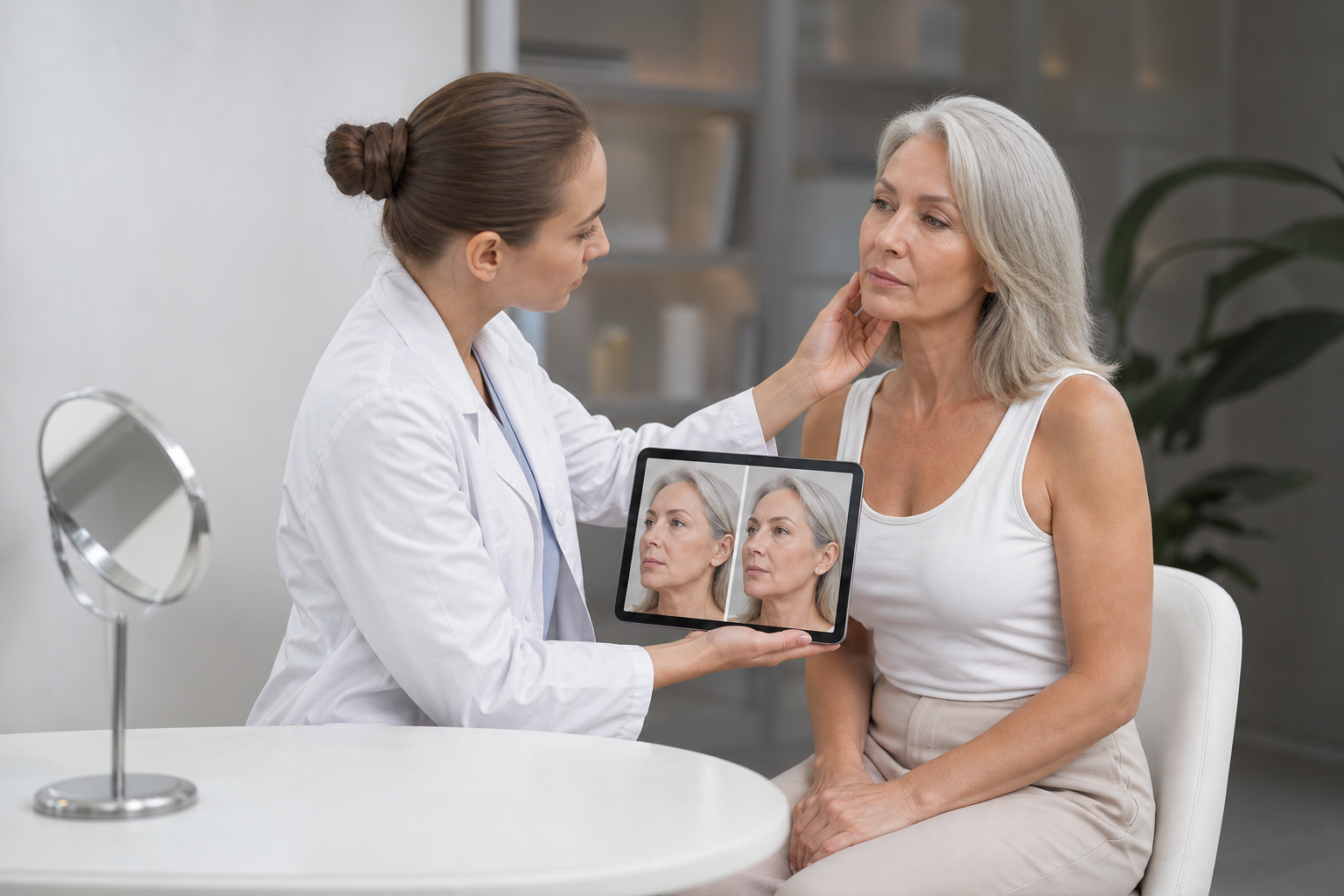
Botox has become an emblematic figure in the world of aesthetic medicine, widely celebrated for its ability to reduce the visible signs of aging with minimal invasiveness. Its popularity transcends demographics, attracting individuals seeking to soften dynamic wrinkles and refresh their facial appearance without surgery. Central to many prospective patients' decision-making process are the so-called "before and after" photos, which visually demonstrate the efficacy of Botox treatments. However, these images, while persuasive, can often be misleading or manipulated, sparking unrealistic expectations and confusion.
This article delves into the critical examination of Botox before and after photos, equipping readers with the knowledge to discern authentic results from deceptive portrayals. For anyone considering Botox—whether their primary interest lies in prevention, rejuvenation, or wrinkle correction—understanding how to evaluate such images is vital. The truth behind these visual stories impacts not only expectations but also decisions regarding safety and treatment planning.
We will explore Botox’s mechanism of action, the typical timeline for visible effects, and the nuances influencing individual outcomes. Moreover, this editorial reveals the common pitfalls in photo presentation, including lighting tricks, angles, and digital alterations. By fostering a grounded comprehension of Botox's capabilities and limitations, readers can make informed choices, seek qualified practitioners, and approach results with realistic anticipation.
The Science Behind Botox and Its Photographic Representation
Botox is a purified neurotoxin known as botulinum toxin type A, used in minute doses to create a temporary relaxation of targeted facial muscles. This paralysis smooths out dynamic wrinkles—those caused by repeated muscle contractions such as frown lines, crow's feet, or forehead creases. The key distinction here is that Botox addresses wrinkles linked to muscle movement rather than static lines that remain even at rest.
Photographs portraying Botox before and after results typically aim to depict this muscle-relaxing effect, showcasing smoother skin and fewer creases. Yet, interpreting these visuals requires understanding they do not represent a blanket erasure of all wrinkles. Deep, static lines often need adjunctive treatments like dermal fillers to achieve significant improvement.
Beyond the biological aspects, the presentation of these images is susceptible to manipulation. Lighting variance, facial positioning, expression changes, makeup application, and retouching software can profoundly alter perceived results. For example, a patient photographed under soft, diffused lighting with a relaxed expression may appear dramatically transformed compared to a harshly lit, tense initial photo. Such differences can exaggerate Botox’s effectiveness unfairly.
The Crucial Timeline for Assessing Botox Effects
Recognizing Botox’s pharmacodynamics is fundamental when evaluating before and after photos. Botox effects are not instantaneous; muscle relaxation initiates within 24 to 72 hours post-injection, but peak results typically materialize around 10 to 14 days. Some patients may experience a slightly delayed onset, depending on individual metabolism and the muscle groups involved.
Therefore, authentic after photos should be taken at least two weeks following treatment to reflect the full extent of muscle paralysis and wrinkle reduction. Images purportedly showing immediate post-injection results are likely inaccurate or staged, as residual swelling or needle marks can confuse visual interpretation.
Additionally, different facial areas respond at varying rates. For instance, forehead lines often soften sooner, while around the eyes may require more time to manifest noticeable improvement. Understanding these regional variations helps one critically appraise comparative photos that claim comprehensive effects prematurely.
Individual Variability in Botox Response and Its Visualization
The efficacy of Botox is influenced by unique patient factors. Muscle anatomy, strength, prior treatments, facial expressions, and metabolic rate contribute to differential outcomes. Such variability means that no two patients will have identical results, and some may require more units or multiple sessions to achieve desired effects.
In photographic representations, this diversity is seldom acknowledged. Marketing materials often present selective cases with exceptional results, omitting subtler or less dramatic improvements. This selection bias can misguide prospective patients, fueling unrealistic expectations and potential dissatisfaction.
Moreover, the degree of wrinkle severity preceding treatment is a significant determinant. Botox works best on dynamic wrinkles, while static wrinkles might persist if unaddressed by complementary interventions such as fillers or laser resurfacing. Photos that depict total wrinkle elimination with Botox alone often fail to represent this complexity.
Safety Considerations and the Role of Expert Consultation
While Botox is generally safe, incorrect dosing or injection technique can lead to adverse effects, including asymmetry, drooping eyelids, or unnatural facial expressions. Misleading photos may encourage patients to seek aggressive treatments or induce them to visit unqualified providers promising dramatic outcomes.
Qualified practitioners conduct a thorough assessment, review medical history, and tailor Botox administration to the individual’s anatomy and aesthetic goals. They set realistic expectations for onset, duration, and scope of effects, ensuring patient safety. Deceptive images can undermine this process by promoting shortcuts or exaggerations that jeopardize health.
Consequently, a professional consultation is indispensable to contextualize the photos you see and to frame them within your unique treatment plan. Experts can also provide documented, verified before and after portfolios with consistent photographic standards.
Techniques for Identifying Authentic Before and After Botox Photos
To determine if before and after Botox photos are trustworthy, consider several factors. First, examine whether the lighting conditions between the two images are consistent—similar intensity, direction, and color temperature help reveal true changes rather than illusions.
Next, observe the patient's head position and facial expression. Genuine photos should show comparable angles and a neutral or similarly relaxed face to avoid disguising persistent wrinkles with altered muscle engagement.
Check for signs of makeup or temporary skin treatments that might inflate perceived improvements. Also, scrutinize metadata or timestamps when available, ensuring a reasonable interval consistent with Botox's known onset timeline.
Avoid images lacking proper documentation or those accompanied by exaggerated claims devoid of clinical explanation. Reliable sources tend to offer background on injection sites, units used, and timing of photographic captures, fostering transparency.
Setting Realistic Expectations Based on Genuine Botox Outcomes
Understanding the scope and limitations of Botox helps manage expectations. Patients should anticipate softening of dynamic wrinkles rather than complete erasure of all facial lines. The treatment enhances a refreshed, natural-looking appearance that subtly diminishes age-related features.
The duration of effect generally spans 3 to 6 months, after which retreatment is necessary to maintain results. Photos implying lifelong wrinkle removal from a single session are misleading and set unrealistic standards.
Importantly, Botox does not freeze the face; it tempers excessive muscle movement while preserving expressive capability. Photos showing unnaturally smooth, emotionless faces often reflect either excessive dosing or photo manipulation rather than authentic outcomes.
Realistic before and after images portray believable improvement, maintain individuality, and highlight the balanced artistry involved in cosmetic treatments.
Transparency and Integrity in Botox Result Presentation
In an era dominated by social media and digital marketing, the responsibility to present Botox results ethically has never been greater. Reputable clinics adhere to high standards for documenting treatment outcomes, ensuring images are unedited, time-stamped, and reflective of typical patient experiences.
Transparency fosters trust and patient education, helping individuals make decisions based on science and realistic outcomes rather than hype. When clinics provide comprehensive information about treatment procedures, expected timelines, and realistic effects, before and after photos become powerful tools rather than mere advertising props.
Patients are encouraged to seek practitioners who prioritize honesty and patient welfare over sensational marketing. This approach cultivates long-term patient satisfaction, safety, and effective aesthetic enhancements.


