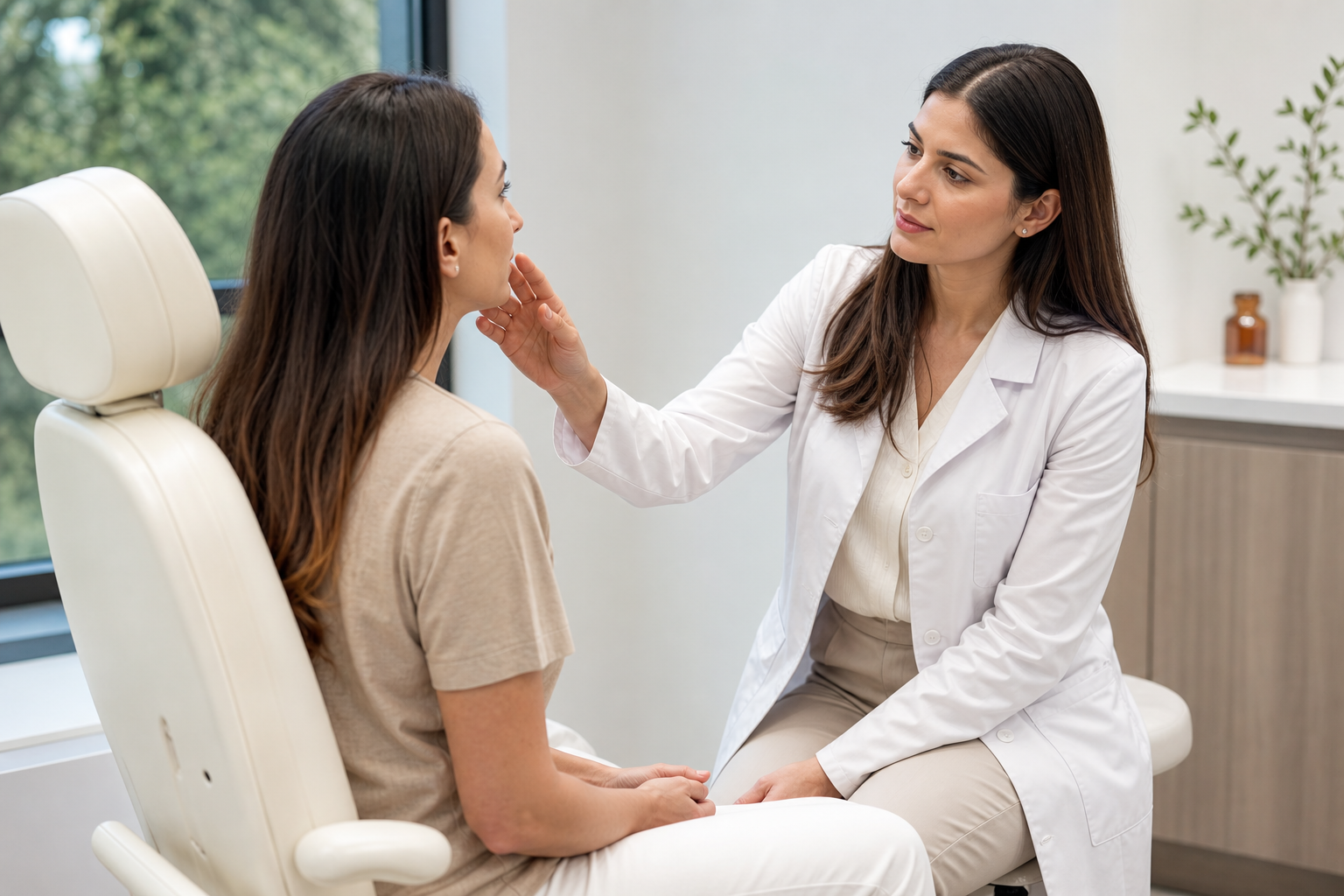
Facial capillary treatment has emerged as a refined solution in modern dermatology for addressing the delicate networks of tiny blood vessels visible on the skin's surface. Commonly known as spider veins or visible facial vessels, these capillaries can cause persistent redness, uneven skin tone, and a compromised aesthetic that many individuals seek to correct. The growing demand for effective treatments reflects the desire to restore skin clarity and revitalized appearance, especially among those with fair or sensitive skin prone to vascular imperfections.
Understanding the duration of one facial capillary treatment is crucial for prospective patients and skincare professionals alike. It helps set realistic expectations regarding the procedure, recovery period, and eventual outcomes. This knowledge also facilitates better scheduling, preparation, and follow-up care, maximizing the efficiency and satisfaction related to the treatment.
Laser treatment for capillaries stands out as a leading technique due to its precision and ability to target blood vessels without damaging surrounding tissues. Diverse laser types and settings offer customizable approaches tailored to individual patient's skin characteristics and vascular concerns. In this extensive editorial, we delve into the intricacies of facial capillary treatment duration, unpack the factors influencing treatment time, explore the post-procedural recovery trajectory, and clarify essential considerations for those considering this intervention.
What Exactly Is Laser Treatment for Capillaries on the Face?
Laser treatment for capillaries involves applying focused light energy to visibly dilated or broken blood vessels beneath the skin's surface. This energy is absorbed preferentially by hemoglobin within the red blood cells, generating controlled heat that coagulates and closes the targeted vessels without harming adjacent skin tissues. Over time, the body naturally absorbs these closed vessels, leading to a reduction in redness and an improved, more uniform complexion.
Commonly used lasers for addressing facial vascular conditions include Pulsed Dye Laser (PDL), Nd:YAG laser, and vascular-specific devices that vary in wavelength, pulse duration, and depth of penetration. The choice depends on factors such as skin type, location and size of the capillaries, and patient tolerance.
Unlike intense pulsed light (IPL) treatments, which use broad-spectrum light and are not lasers, vascular lasers deliver monochromatic light that can precisely target capillaries. This specificity often results in higher efficacy and fewer side effects, establishing laser therapy as the gold standard in managing visible facial blood vessels.
How Long Does One Facial Capillary Treatment Typically Take?
The duration of a single facial capillary treatment session generally ranges from 15 to 30 minutes. This relatively brief timeframe includes preparatory steps such as cleansing the skin and adjusting device parameters, the active laser application, and initial post-treatment care. However, the exact length depends on multiple interrelated factors:
Extent and Location of the Treatment Area: Small, localized clusters of spider veins require less time compared to wider facial zones exhibiting diffuse redness and multiple visible capillaries. For example, treatment limited to the nose or cheeks will be quicker than encompassing the entire lower face.
Type and Settings of the Laser Device: Advanced lasers with optimized wavelengths and pulse durations can achieve better results in shorter sessions. Highly experienced clinicians utilize settings that maximize vascular absorption and minimize treatment repetitions within one session.
Individual Skin Characteristics and Vessel Depth: Patients with shallow, fine capillaries may experience faster treatments than those with deeper or thicker vessels. Skin sensitivity and tone also influence how cautiously the laser is applied, potentially extending session time.
Clinician Expertise and Technique: Skilled practitioners adept in laser therapy can efficiently and accurately navigate the treatment, reducing unnecessary delays without compromising safety or efficacy.
In practical terms, a single session targeting discrete facial capillaries will often last about 15 minutes, while treating more extensive vascular networks might extend closer to half an hour. This timeframe balances thorough coverage with patient comfort and clinical precision.
What Happens During the Laser Treatment Process?
Upon arrival at the dermatology or aesthetic clinic, the patient undergoes an initial skin assessment to determine the severity and distribution of visible vessels and to rule out any contraindications. The treatment area is then thoroughly cleansed to remove oils, makeup, and debris.
Depending on patient sensitivity and treatment area, a topical anesthetic may be applied, although many individuals tolerate vascular laser procedures well without anesthesia. Protective eyewear is essential to safeguard both patient and practitioner from the laser light.
The clinician then delivers carefully targeted laser pulses to the affected capillaries. Patients often perceive sensations described as mild snapping, tingling, or warmth during the emission of laser energy. This is indicative of effective vessel absorption but is generally well tolerated.
The laser’s energy induces coagulation and gradual closure of the capillaries, leading to their eventual resorption over subsequent days to weeks. The procedure respects the integrity of surrounding tissues, minimizing collateral effects.
Upon completion, soothing agents or cooling devices may be used to alleviate any immediate discomfort or inflammation.
What Is the Recovery Time After One Facial Capillary Treatment?
Recovery following laser treatment for facial capillaries is typically prompt, with most individuals resuming normal activities within a day. However, some transient effects are common and should be anticipated:
Redness and Swelling: Mild to moderate erythema and localized swelling may appear in the treated regions. These reactions typically peak within the first 24 hours and diminish progressively.
Sensation and Sensitivity: A tingling or slight burning sensation can occur immediately post-treatment, resolving in a few hours. Some patients report heightened skin sensitivity for a day or two.
Minor Bruising and Skin Flaking: In rare cases, subtle bruising or superficial peeling may develop, reflecting the body's healing response. These effects are temporary and fade within days.
Proper aftercare significantly influences recovery speed and quality. Meticulous sun protection using broad-spectrum SPF formulations with high factor values is indispensable starting from the day of treatment. Ultraviolet exposure without adequate protection can exacerbate redness, delay healing, and provoke pigmentary changes.
Hydration and gentle skincare regimens also support the skin’s reparative processes. Patients are advised to avoid harsh exfoliants, irritants, or extreme temperature exposures during the initial healing phase.
Does Laser Treatment for Capillaries Hurt?
Discomfort experienced during laser treatment for facial capillaries is usually mild and manageable. Patients often describe sensations ranging from light snapping or prickling to gentle warmth at the treatment site. The intensity varies with individual pain thresholds, laser settings, and treated area sensitivity.
Clinicians frequently employ cooling mechanisms incorporated within laser devices or external cooling aids to alleviate discomfort. In cases involving particularly sensitive patients or delicate regions, topical anesthetics may be offered.
Compared to more invasive procedures, laser therapy is minimally painful and boasts a favorable patient tolerance profile. This comfort level contributes to its popularity among those seeking safe and effective vascular treatments.
How Important Is SPF After Capillary Treatment?
Following laser treatment aimed at facial capillaries, the skin becomes temporarily more vulnerable to environmental aggressors, particularly ultraviolet (UV) radiation. The increased photosensitivity underscores the critical importance of applying a high-factor sun protection factor (SPF) diligently.
Consistent use of SPF acts as a protective barrier, mitigating risks of post-inflammatory hyperpigmentation, prolongation of inflammatory responses, and additional skin vessel damage. Dermatology guidelines universally recommend daily sunscreen application, even when the patient is indoors or during cloudy weather, in the weeks following treatment.
Moreover, physical sun protective strategies complement topical SPF use. These include wearing wide-brimmed hats, avoiding direct sun exposure during peak hours, and utilizing protective clothing. Together, these measures help preserve the treatment’s beneficial effects and support sustained skin health.
Who Is the Ideal Candidate for Facial Capillary Laser Treatment?
Laser treatment for visible facial blood vessels is suitable for individuals exhibiting persistent redness, spider veins, or diffuse flushing that detracts from their desired skin aesthetics. People with rosacea, couperose skin, or those prone to broken capillaries often find this therapy particularly advantageous.
Optimally, candidates possess skin types and medical histories that support safe laser application without increased risk for adverse effects. Consultation with a qualified dermatologist is essential to assess individual suitability, evaluate underlying conditions, and establish personalized treatment plans.
Patients with active skin infections, photosensitive disorders, or recent excessive sun exposure typically must defer treatment until their conditions are resolved or stabilized. Additionally, those with darker skin tones may require tailored laser settings to minimize pigmentation risks.
What Can Patients Expect in Terms of Treatment Outcomes?
Following laser therapy sessions, patients can expect a gradual diminution of visible capillaries and redness, leading to a more even and clearer skin tone. While one session can yield appreciable improvement, multiple treatments spaced over weeks or months may be necessary for optimal correction of extensive or stubborn vascular lesions.
The results tend to be long-lasting, provided that patients adhere to recommended skincare routines and sun protection protocols. Maintenance treatments may be advisable depending on individual predispositions and environmental exposures.
Importantly, laser treatment addresses the cosmetic vascular manifestations but does not cure underlying systemic vascular conditions. A comprehensive approach involving lifestyle modification and medical management may be needed where appropriate.
Common Questions About Facial Capillary Treatment Duration
Q: How soon can I do my daily activities after the treatment?
Typically, patients resume their regular routines the same day or within 24 hours post-procedure, given mild skin reactions.
Q: Will I need multiple sessions, and does each take the same amount of time?
Multiple treatments are often recommended depending on severity; subsequent sessions usually have similar durations, potentially shorter as the vascular load decreases.
Q: Does treatment duration include consultation and preparation?
The quoted treatment time refers mainly to the active laser procedure; consultations and preparation extend appointment times and should be factored into scheduling.


