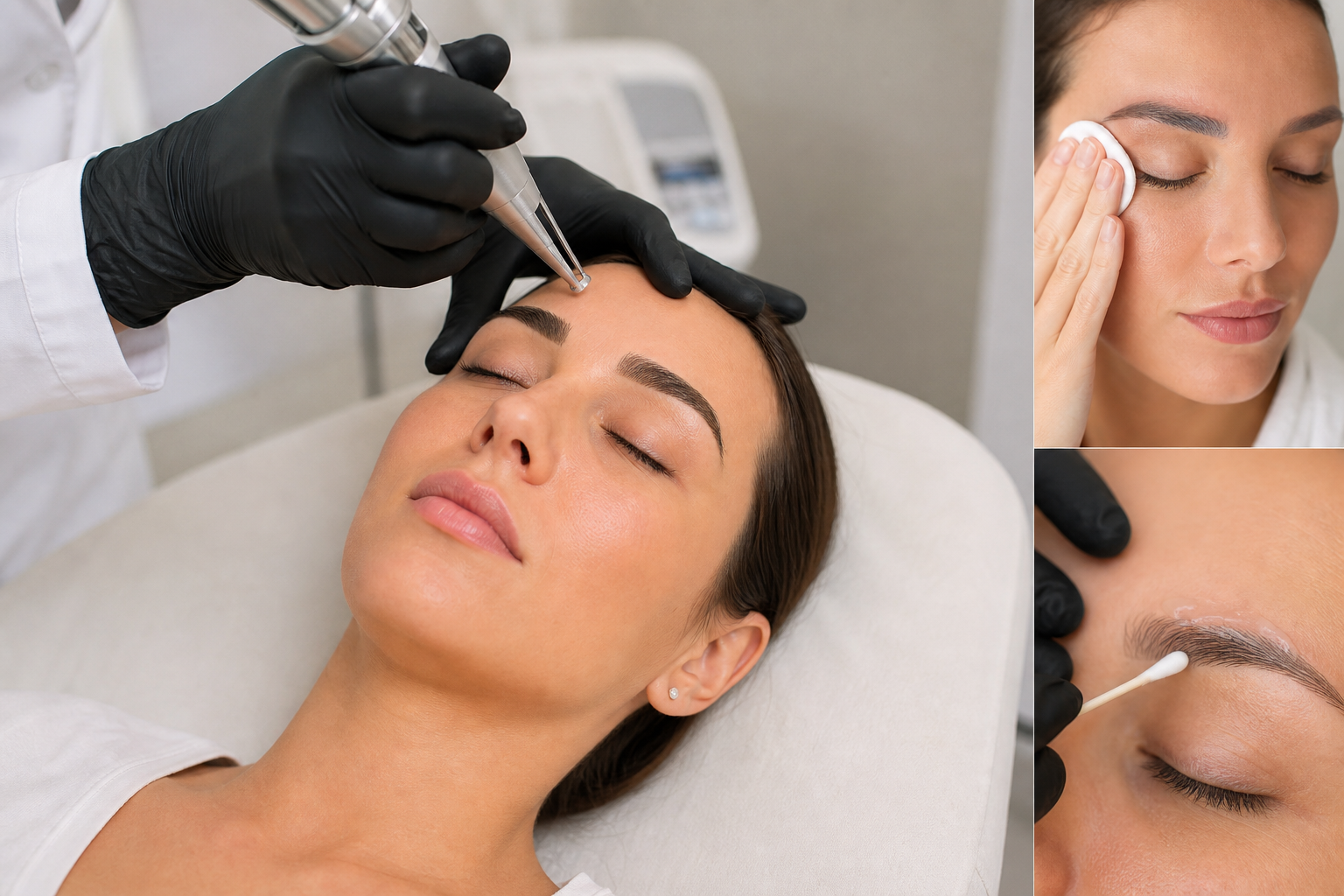
Laser removal of permanent eyebrows is an advanced aesthetic procedure designed to eliminate or significantly fade unwanted or incorrectly applied permanent makeup on the brow area. Permanent eyebrows, a popular form of micropigmentation and semi-permanent tattooing, provide a long-lasting solution for individuals seeking precisely shaped and pigmented brows without the need for daily makeup application. However, dissatisfaction with appearance, changes in pigment color, or rare adverse skin reactions can lead clients to consider removal methods.
This article is intended for individuals exploring how laser technology can be used to remove permanent eyebrows safely and effectively. Whether you are unsatisfied with the initial outcome, experiencing complications, or simply reconsidering your cosmetic choices, understanding the laser removal process, potential risks, and realistic expectations is essential. A tailored, medically responsible approach is paramount, given the complexity arising from varying pigment types, skin responses, and the delicate location of the eyebrows.
By delving deeply into the mechanisms of laser removal, its distinctions from tattoo removal, patient candidacy, treatment protocols, and risk management, this editorial aims to equip readers with comprehensive knowledge to make informed decisions about laser removal of permanent eyebrows.
How Does Laser Removal of Permanent Eyebrows Work?
Laser removal of permanent eyebrow pigment utilizes the principle of selective photothermolysis, where specific wavelengths of light target the pigment particles embedded in the skin without damaging the surrounding tissue. The laser emits concentrated pulses that fragment the pigment into smaller particles. These fragmented pigments are then naturally cleared away by the body's lymphatic and immune systems over time.
Because permanent eyebrow pigments vary widely in color composition, chemical makeup, and depth of placement beneath the skin surface, laser parameters and treatment protocols must be carefully adjusted. Different pigments, such as organic versus mineral-based colors, absorb and react to laser energy distinctly. For example, a black or dark brown pigment may respond well to a Q-Switched Nd:YAG laser, while pigments with reddish or orange hues might require alternative lasers to minimize adverse effects.
Moreover, lasers like Q-Switched and picosecond devices are generally preferred for their precision and low thermal impact, which reduce the risk of collateral skin damage. However, the practitioner's expertise in selecting appropriate wavelengths and pulse durations is critical to the success of the procedure and the safety of the patient.
What Distinguishes Permanent Eyebrow Pigmentation from Traditional Tattoos?
Understanding the differences between permanent eyebrow pigmentation and conventional tattoos is key to appreciating the challenges of laser removal in this context. Permanent eyebrow makeup, often termed micropigmentation or cosmetic tattooing, involves depositing pigments at a shallower skin depth compared to traditional tattoos. The pigments are often formulated with organic compounds, producing more natural hues tailored to skin tones.
In contrast, traditional tattoos utilize mineral-based inks inserted deeper into the dermis, which typically consist of more robust pigments that respond differently to laser light. Because cosmetic pigments are more susceptible to heat and energy transformations, they present unique risks during laser removal, such as paradoxical darkening or color shifts toward unwanted tones like blue, green, or black.
These complexities necessitate specialist knowledge to avoid complications. For instance, pigment color-change after laser exposure, including the phenomenon of paradoxical darkening of cosmetic pigments, is more prevalent in micropigmentation. Such changes can complicate removal and require additional corrective treatments.
Who Should Consider Laser Removal of Permanent Eyebrows?
Laser removal is appropriate for individuals who are dissatisfied with their permanent eyebrow results due to poor shape, fading, or color changes that affect the natural appearance. It’s also for patients experiencing adverse skin reactions, including allergic responses or granulomatous inflammation, that necessitate pigment elimination for health reasons.
In some cases, lifestyle changes, aesthetic preference shifts, or desire to pursue alternative brow enhancements drive the decision to remove permanent eyebrows. Prospective patients should possess realistic expectations, understanding that multiple sessions may be necessary to achieve satisfactory fading or complete removal and that some residual pigmentation or mild skin textural changes might remain.
Importantly, laser removal candidates must be evaluated for skin type, pigment characteristics, and medical history to determine individualized treatment plans. This evaluation often includes performing a test spot to predict pigment behavior and skin reaction, a critical step to minimize risks and tailor treatments effectively.
What Are the Potential Risks and Side Effects of Laser Eyebrow Removal?
Laser removal, while generally safe when performed by experienced clinicians, carries inherent risks tied to the nature of pigment interaction, skin sensitivity, and laser parameters. Common side effects include temporary redness, swelling, itching, and minor peeling or crusting at the treatment site, typically resolving within a few days.
One notable challenge with permanent eyebrow pigment removal is the risk of pigment color alteration caused by laser energy, such as the paradoxical darkening phenomenon referenced earlier. This unintended effect can complicate treatment outcomes and may require additional laser modalities or corrective approaches.
Other potential complications, though less frequent, include infection, scarring, and post-inflammatory hyperpigmentation or hypopigmentation, particularly in individuals with darker skin types or those who do not adhere strictly to recommended post-treatment care. Maintaining stringent hygiene and sun protection protocols during recovery is essential to mitigating these risks.
What Does the Treatment Protocol and Recovery Process Involve?
The laser removal journey begins with a thorough consultation and skin assessment, including a patch test to evaluate pigment response and sensitivity. This test spot helps to identify any risk of adverse pigment changes and informs laser selection and settings.
Treatments are typically scheduled at intervals of 6 to 8 weeks to allow sufficient time for the skin to heal and the immune system to clear fragmented pigment particles. Patients can expect a series of 3 to 8 sessions or more, depending on pigment density, color complexity, skin reaction, and aesthetic goals.
Immediately following each session, treated areas often show redness and slight swelling. Minor scabbing or peeling may occur but usually resolves within a week. Patients are advised to keep the area clean, moisturized, and protected from direct sunlight. Use of sunscreen and avoidance of irritants during recovery help minimize pigmentary changes and promote optimal skin healing.
It is important to note that complete pigment removal is not guaranteed, particularly with certain colors or deeply embedded pigments. Often the goal is maximal fading to facilitate subsequent cosmetic procedures or to improve the natural brow appearance.
Why Is Choosing an Experienced Specialist Crucial for Laser Removal?
The delicate anatomy of the eyebrow area, combined with varying pigment compositions and skin types, demands that laser removal be conducted by licensed medical professionals with demonstrable expertise in laser dermatology or cosmetic procedures. Such specialists possess the knowledge to adapt protocols precisely, address unexpected pigment reactions, and manage patient care comprehensively.
Furthermore, reputable clinics use FDA-approved devices and adhere to strict safety regulations, reducing the likelihood of complications. They also provide transparent communication about treatment limitations and realistic outcomes, enabling patients to make informed decisions.
When selecting a provider, reviewing certifications, client testimonials, and before-and-after images can be beneficial. Prioritizing clinics that integrate dermatological insight with laser technology expertise ensures that the complex variables entailed in permanent eyebrow removal are properly managed.
How Can Undesired Effects Like Paradoxical Darkening Be Prevented?
Paradoxical darkening arises due to photochemical changes in certain cosmetic pigments when exposed to the energy of lasers with inappropriate wavelengths or settings. Avoiding this requires pre-treatment evaluation using test spots, which help predict pigment behavior. This testing phase allows practitioners to modify laser type, wavelength, fluence, and pulse duration accordingly.
Utilizing lasers designed specifically for the pigment colors present and employing emerging technologies such as picosecond lasers can reduce the incidence of this phenomenon. Additionally, some studies advocate combining treatment approaches or integrating topical agents post-laser to enhance pigment breakdown without triggering color shifts.
Patient education about the necessity of multiple sessions and close follow-up monitoring fosters timely adjustments in the treatment plan should any adverse pigment changes arise, thereby optimizing safety and outcomes.


