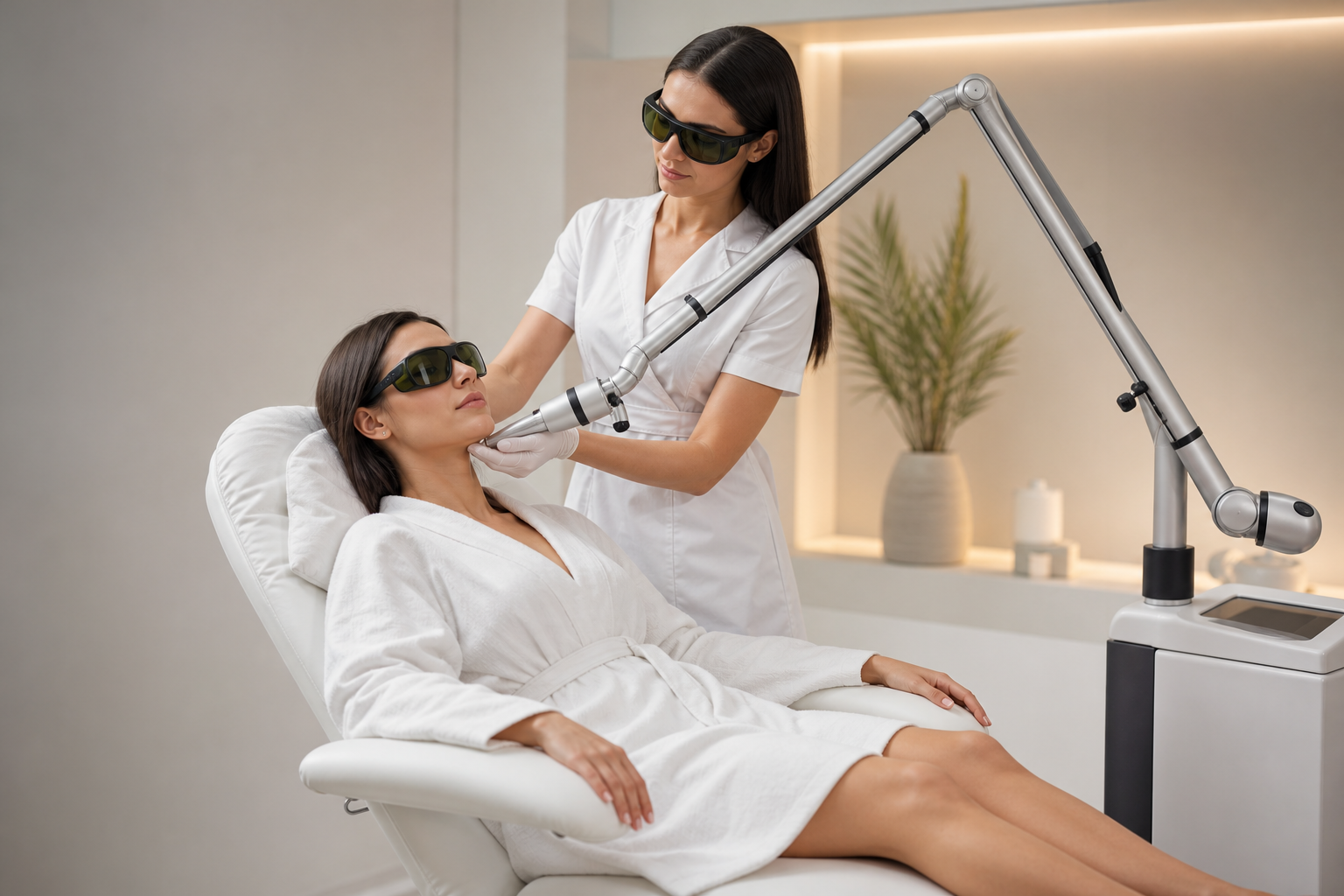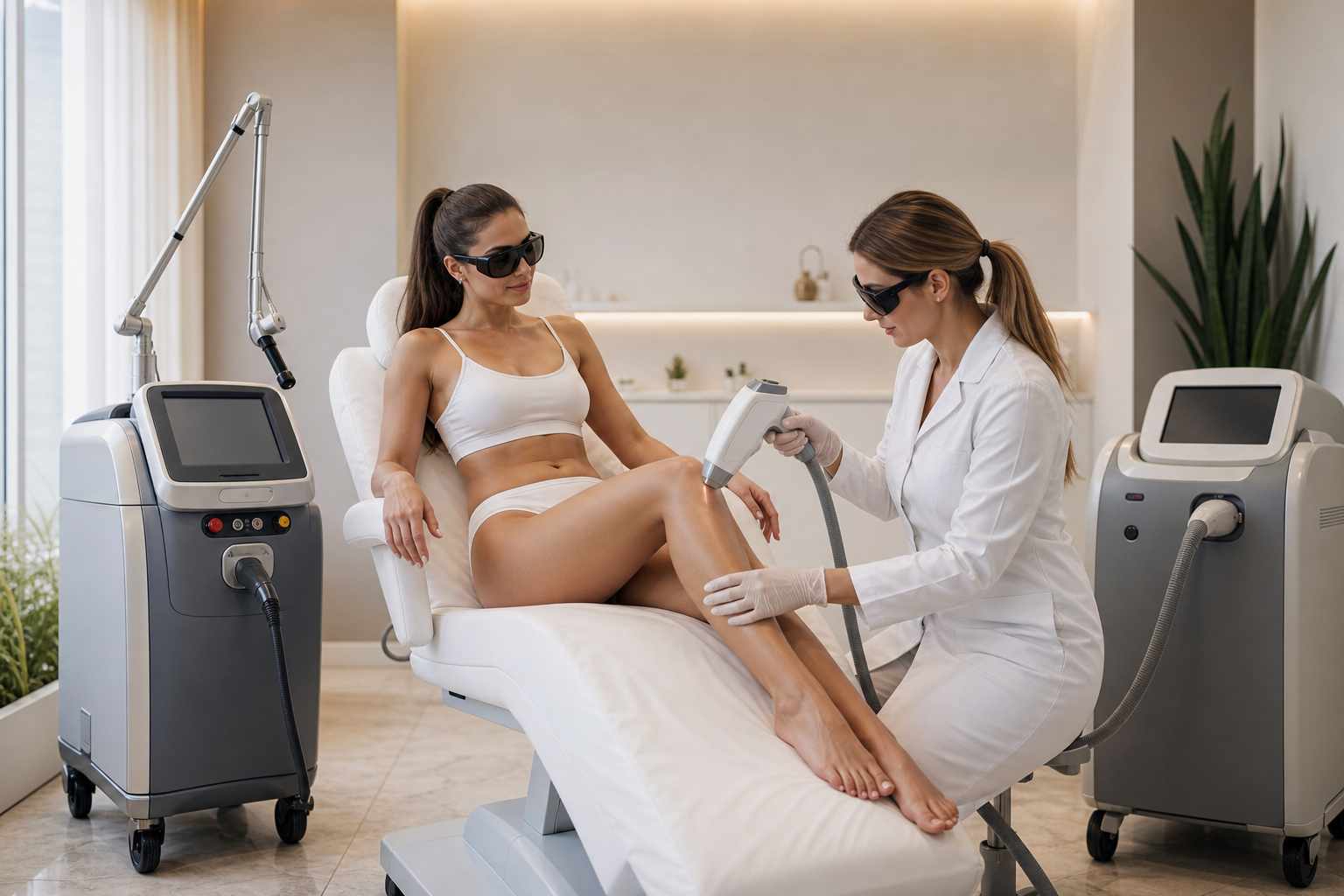
Laser hair removal has become a revolutionary advancement in the realm of aesthetic treatments, offering a long-term solution to the age-old problem of unwanted hair. As demand for efficient and lasting hair removal grows, a common question arises among patients and practitioners alike: which laser technology is best for achieving optimal, safe, and lasting results? Among the prominent contenders are diode, Alexandrite, and Nd:YAG lasers, each celebrated for unique capabilities and suitability for different skin types and hair textures. Understanding these technologies is crucial for anyone considering laser hair removal, whether seeking to enhance their practice or make an informed personal choice.
This article unpacks the intricate differences and advantages of diode, Alexandrite, and Nd:YAG lasers in hair removal. It caters to individuals exploring aesthetic options, dermatologists, laser technicians, and those with specific skin and hair concerns who want clarity on what technology aligns best with their needs. Beyond a superficial comparison, this guide dives into the mechanics, safety profiles, treatment efficacy, and patient comfort associated with each laser type. Such knowledge empowers consumers and clinicians to select the most appropriate laser device, thereby maximizing satisfaction and minimizing risks or adverse effects.
Choosing an effective laser system is more than a matter of personal preference; it is intertwined with scientific considerations such as melanin absorption, wavelength penetration, skin phototype compatibility, and session timing. Because laser hair removal is a significant investment of time and resources, understanding the nuanced distinctions between diode, Alexandrite, and Nd:YAG technologies ensures that patients do not merely pursue a one-size-fits-all option but embrace a customized, evidence-based treatment plan that meets their unique skin and hair characteristics.
What Are the Fundamental Differences Between Diode, Alexandrite, and Nd:YAG Lasers?
Laser hair removal technologies are defined primarily by their wavelength, which influences how deeply the laser penetrates the skin and how effectively it targets melanin in hair follicles. The diode, Alexandrite, and Nd:YAG lasers differ distinctly in their wavelength ranges and operating principles, leading to varied efficacy and safety profiles depending on skin type and hair color.
The diode laser operates typically at a wavelength of about 800 to 810 nanometers (nm). This wavelength provides a balanced absorption rate by melanin, enabling effective treatment for a broad range of skin types, primarily Fitzpatrick skin types I to IV. Diode lasers penetrate deeply with moderate melanin absorption, making them versatile and efficient for many patients.
In contrast, the Alexandrite laser emits light at a shorter wavelength of approximately 755 nm. This shorter wavelength is highly absorbed by melanin, giving Alexandrite lasers exceptional efficiency for those with light to olive skin (Fitzpatrick types I–III). The higher melanin absorption means it excels at targeting finer or lighter hair but carries a greater risk of epidermal injury in darker skin types due to excessive melanin uptake in the epidermis.
Meanwhile, the Nd:YAG laser operates at a much longer wavelength of 1064 nm. This wavelength penetrates deeper into the dermis and is less absorbed by melanin, rendering Nd:YAG lasers safer for darker skin types (Fitzpatrick IV–VI). Its lower melanin absorption translates to less risk of pigmentation changes or burns in pigmented skin but generally requires more treatment sessions or higher energy to achieve comparable hair reduction results on fine or light hair.
How Does Each Laser Type Work in Hair Removal and What Makes Them Effective?
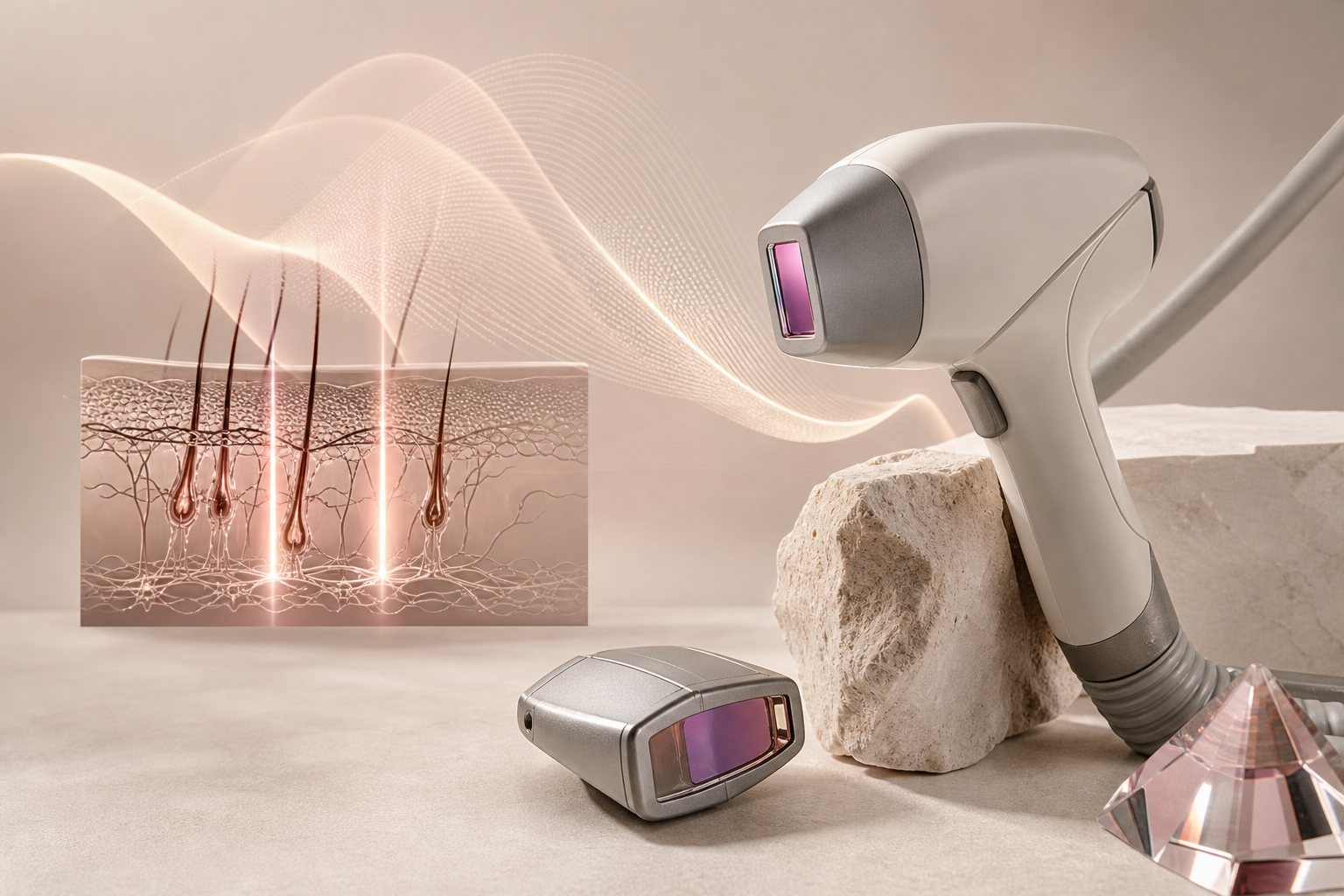
The principle underlying all laser hair removal technologies is selective photothermolysis: the laser emits light absorbed preferentially by the melanin pigment in hair follicles, generating heat that disables follicular function without damaging surrounding skin tissue. However, each laser's wavelength influences this process differently.
Diode lasers provide a sweet spot between penetration depth and melanin absorption, enabling high efficacy in disabling hair follicles while maintaining patient comfort and minimizing epidermal damage. The longer pulse durations used in diode systems allow heat to disperse adequately through the follicle, maximizing destruction while preserving skin integrity.
Alexandrite lasers, with their shorter wavelength, have heightened melanin targeting, making them faster and often delivering results in fewer sessions compared to other lasers, especially on lighter skin tones. Their capability to treat broad areas rapidly makes Alexandrite lasers appealing for large surface treatments such as legs and backs.
The Nd:YAG laser, due to its deeper penetration and reduced melanin absorption, is uniquely suited to safely treat darker skin without inducing burns or hyperpigmentation. It requires higher fluences and often multiple treatment passes or sessions, but its safety margin notably stands out in ethnic skin populations traditionally underserved by earlier laser technologies.
Who Should Use Diode, Alexandrite, or Nd:YAG Lasers? Patient Skin and Hair Considerations
Correctly matching laser type to the patient’s skin phototype and hair characteristics is pivotal to treatment success and safety. Dermatologists and laser specialists rely on the Fitzpatrick skin classification system as a guideline for choosing the appropriate laser technology.
For light to medium skin tones (Fitzpatrick I–III) with dark, coarse hair, the Alexandrite laser often yields the fastest and most efficient hair removal. Its strong melanin absorption effectively targets follicles with fewer sessions, but caution is warranted to avoid injury on patients with higher melanin levels in the skin.
Diode lasers stand out as an all-around option for those with light to intermediate skin tones (Fitzpatrick I–IV), offering a balance of safety and efficacy. Patients with medium skin tones may find diode treatment safer than Alexandrite, while still benefiting from potent hair follicle targeting.
Patients with darker skin (Fitzpatrick IV–VI) are best served by Nd:YAG lasers, which minimize risks of epidermal injury and post-inflammatory hyperpigmentation. While treatments may require greater frequency or higher energy settings, the Nd:YAG laser enables safe access to laser hair removal for communities with traditionally challenging skin tones.
Hair color and texture also influence laser choice: darker, coarser hair absorbs laser energy more effectively, generally resulting in superior outcomes across all laser types. Gray, red, or very fine hair poses more difficulty for laser removal regardless of the laser used.
What Are the Benefits and Limitations of Each Laser Type in Real-World Treatments?
Understanding practical benefits and constraints helps manage patient expectations and guides clinicians in tailoring treatment strategies.
Alexandrite Lasers: Their speed and efficacy on lighter skin with dark hair make treatments relatively quick, often with fewer sessions needed for significant hair reduction. However, their high melanin absorption implies elevated risk of burns and pigment changes for darker skin or tanned patients, necessitating cautious patient selection and sometimes pre-treatment cooling mechanisms.
Diode Lasers: Known for versatility, diode lasers adapt well to multiple skin types with a good safety profile. Treatment duration is moderate, and patients benefit from comfortable procedures with effective results. Downsides include slightly longer session times compared to Alexandrite in certain cases and potentially less efficiency on very light or fine hair.
Nd:YAG Lasers: Offering unparalleled safety for dark skin and tanned patients, Nd:YAG lasers enable inclusive access to laser hair removal services. The tradeoff involves longer treatment plans, occasionally requiring more sessions to achieve similar reduction percentages. Also, lower melanin absorption means less ideal performance on light-colored hair.
How Do Safety and Comfort Compare Across Diode, Alexandrite, and Nd:YAG Systems?
Patient safety and procedural comfort are critical considerations in laser hair removal. Due to their varying wavelengths, these lasers interact differently with epidermal melanin and dermal structures, impacting both risk profiles and patient experience.
Alexandrite lasers are generally well-tolerated but entail a higher risk of epidermal injury in darker skin. Enhanced cooling systems and practitioner expertise are vital to minimize adverse events such as blistering and pigmentation shifts.
Diode lasers tend to have favorable comfort levels due to optimized pulse sequences and integrated cooling technologies. Their intermediate absorption allows for effective follicular targeting without excessive epidermal heating, reducing pain and side effects.
Nd:YAG lasers, while safe for darker skin tones, can produce a sensation of more intense heating due to higher energy settings required. Effective cooling and practitioner skill are essential to maintaining comfort and preventing post-treatment complications.
What Should Patients Expect During and After Treatment with Each Laser Type?
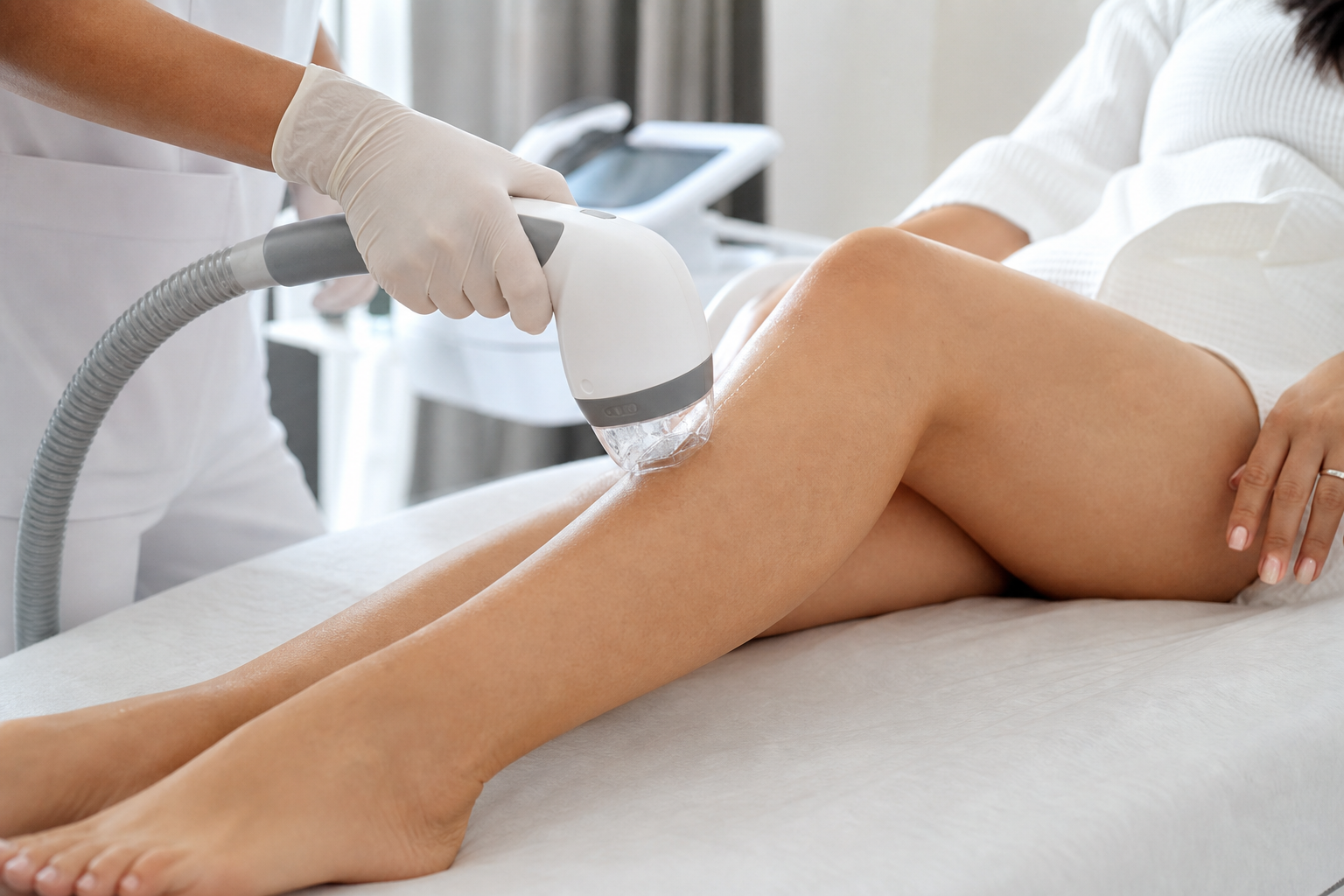
Treatments typically involve multiple sessions spaced several weeks apart to target hair follicles in their active growth phase effectively. Patients might experience mild redness, swelling, or discomfort immediately post-treatment, varying by laser type and individual sensitivity.
With Alexandrite lasers, patients often notice faster visible results, with hair shedding occurring within days to weeks. Slight post-treatment sensitivity is common but resolves quickly.
Diode laser treatments generally produce gradual hair thinning and reduction, with sessions tailored to patient response. Transient erythema and minor discomfort may occur but are manageable with cooling and topical remedies.
Nd:YAG laser clients might require patience as results accumulate more slowly. Redness or localized swelling can be present but usually subsides within a day or two.
Regardless of laser type, adherence to post-procedure care such as sun protection and skin hydration is vital to enhance outcomes and avoid pigmentation disturbances.
How Does Laser Hair Removal Fit Into Broader Aesthetic Treatment Protocols?
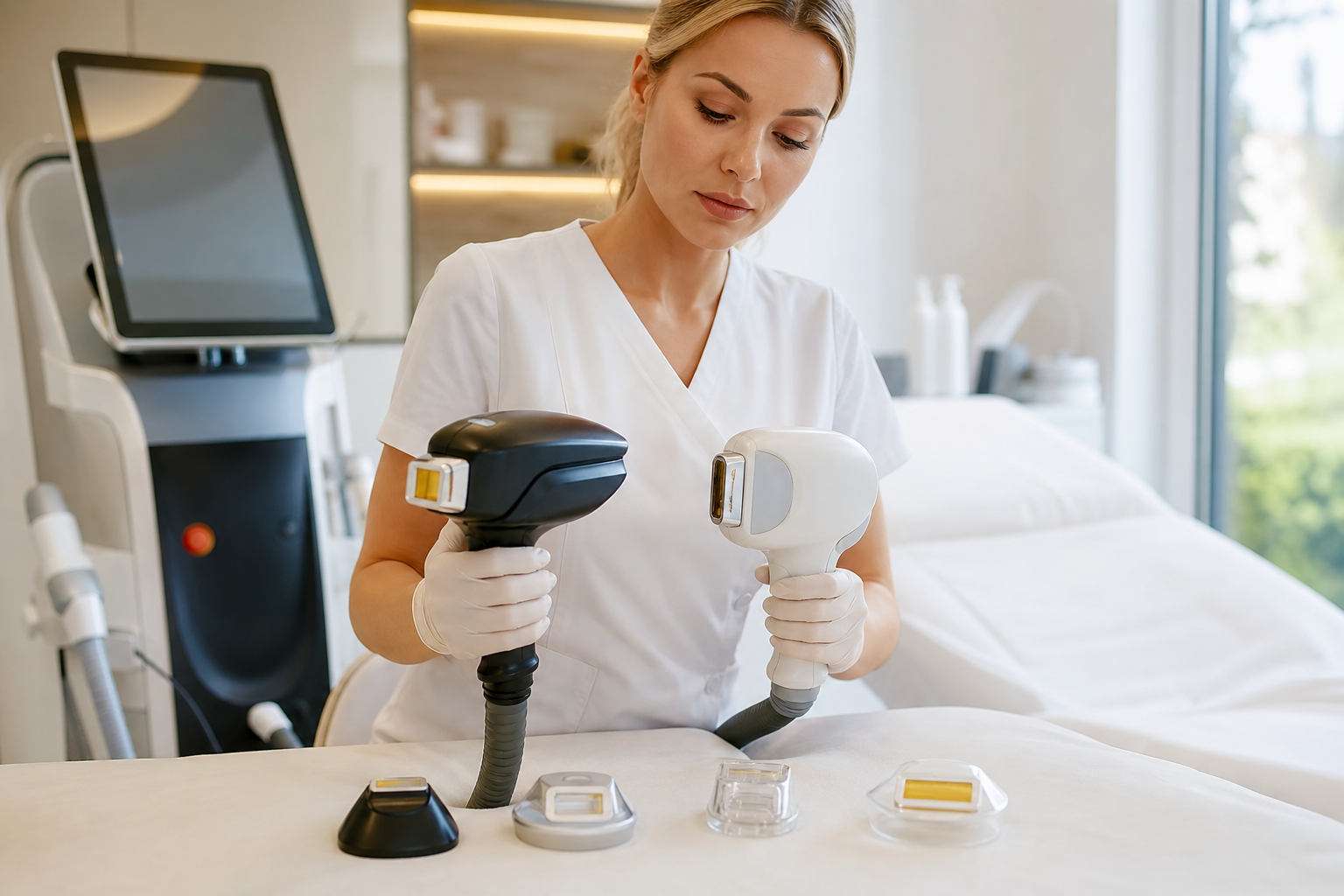
Laser hair removal often complements other laser procedures like skin rejuvenation, pigmentation correction, and vascular treatments. Many clinics integrate diode, Alexandrite, and Nd:YAG lasers into multi-modality platforms, enabling tailored treatments that address not only unwanted hair but also textural skin issues, pigmentation irregularities, and vascular concerns.
Understanding the appropriate laser selection extends beyond hair removal; it informs how practitioners combine therapies safely and effectively, sometimes performing sequential or combined treatments. For patients, choosing a provider experienced with multiple laser technologies and phototypes enhances chances for holistic skin health improvements alongside hair reduction goals.
Common Questions Regarding Diode, Alexandrite, and Nd:YAG Laser Hair Removal
Is laser hair removal permanent? While laser hair removal offers significant long-term hair reduction, multiple sessions are needed, and some regrowth can occur. Maintenance treatments might be required over time to sustain results.
Which laser is best for tanned or recently sun-exposed skin? Nd:YAG lasers are generally safer for recently tanned skin due to lower melanin absorption, decreasing risks of burns or pigmentation changes.
Can all hair colors be treated effectively? Lasers target melanin, so darker hair responds best. Blonde, red, gray, and white hairs are less responsive to laser treatment regardless of the laser type.
Are sessions painful? Tolerance varies by individual and laser type. Cooling mechanisms and topical anesthetics help reduce discomfort during treatment.