Loose skin after significant weight loss is a common concern that affects many individuals who have dedicated themselves to improving their health and appearance. While achieving a healthier weight is a monumental victory, the subsequent challenge of excess or sagging skin can impact self-esteem and comfort. This issue is particularly prevalent among those who experience rapid weight loss or lose a large amount of weight after bariatric surgery or lifestyle changes. One of the most innovative and effective solutions in aesthetic medicine today is laser treatment for loose skin, a non-invasive approach to tightening and rejuvenating the skin without the need for surgical intervention.
Laser treatments for loose skin provide a promising option for those seeking to restore firmness, enhance skin elasticity, and improve overall skin texture. This article delves into the science and application of laser therapies specifically designed to address the problem of loose skin following weight loss. It serves as an essential guide for patients, clinicians, and anyone considering non-surgical skin tightening, explaining how these treatments work, who can benefit, and what to expect throughout the process.
Understanding laser procedures within the context of skin tightening underscores why they have become a preferred choice for patients looking to avoid scarring and downtime. The article draws upon current advancements in laser technology, exploring various types of laser treatments, their mechanisms, safety profiles, and long-term results. By offering a comprehensive perspective on this subject, we help readers make informed decisions about their skin rejuvenation journey after weight loss.
What Are Laser Treatments for Loose Skin?
Laser treatments for loose skin encompass a range of procedures using focused light energy to stimulate natural collagen production, remodel existing collagen fibers, and encourage skin regeneration. Collagen, often described as the skin's scaffolding, is essential for maintaining firmness and elasticity. After significant weight loss, collagen and elastin fibers in the skin may be damaged or depleted, leading to sagging and laxity.
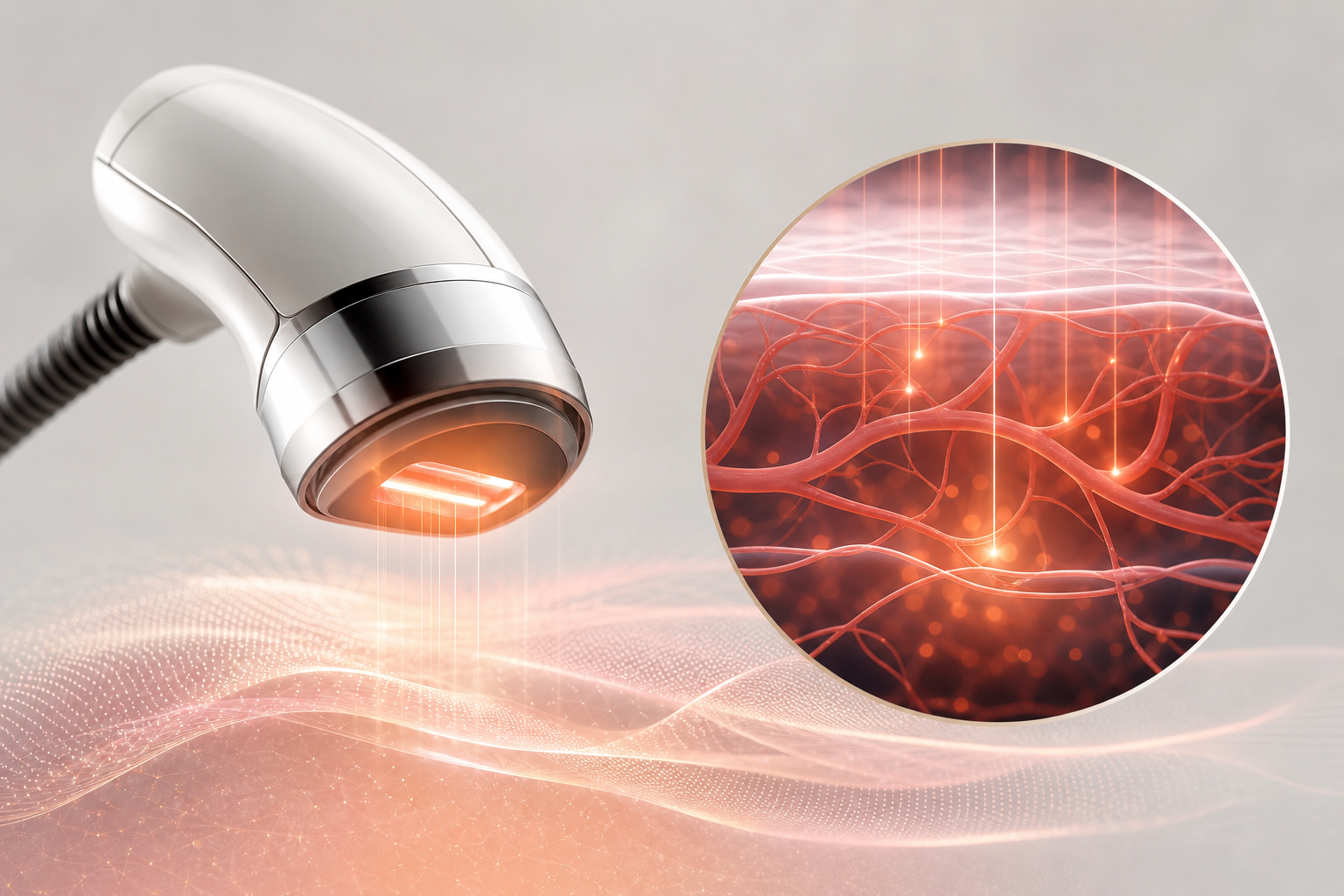
The lasers used in these treatments emit controlled wavelengths of light that penetrate the dermis, the skin's middle layer, triggering a healing cascade that results in tightening and smoothing of the skin surface. Unlike invasive surgical procedures such as tummy tucks or body lifts, laser treatments are typically non-ablative or minimally ablative, meaning they cause minimal surface damage while promoting internal repair.
Common laser technologies include fractional lasers, radiofrequency-based lasers, and infrared lasers, each calibrated for specific penetration depths and skin concerns. These treatment modalities have been refined to maximize collagen remodeling and skin contraction, offering promising outcomes for patients troubled by loose skin in areas like the abdomen, arms, neck, and thighs.
Who Can Benefit from Laser Tightening After Weight Loss?
Not everyone with loose skin is an ideal candidate for laser treatment, but many individuals can experience significant improvements. Generally, candidates are those with mild to moderate skin laxity rather than severe excess skin, which may require surgical intervention.
Patients who have stabilized their weight after recent weight loss and those with good overall skin health tend to respond best. Younger individuals or those with a history of well-maintained collagen quality often achieve more noticeable and lasting results. Moreover, patients seeking improvements without undergoing surgery or wanting minimal downtime prefer these treatments.
Laser skin tightening can also be beneficial for patients who want to address specific areas of concern with precision, such as the face or neck, where loose skin can be especially stubborn and visible. However, expectations should be realistic; while laser treatments enhance skin texture and firmness, the degree of tightening may be limited compared to invasive procedures.
How Do Laser Treatments Stimulate Skin Tightening Mechanisms?
The fundamental principle behind laser treatments for loose skin is the induction of controlled dermal heating, which stimulates fibroblast activity. Fibroblasts are specialized skin cells responsible for producing collagen and elastin, the essential proteins that maintain skin structure and elasticity.
Laser energy heats the dermis to temperatures sufficient to contract existing collagen fibers and initiate a wound healing response, prompting fibroblasts to synthesize new collagen. This gradual process results in tighter, smoother skin over the following weeks to months after treatment.
Some advanced laser systems combine light energy with radiofrequency to achieve deeper dermal heating without damaging the epidermis. This synergistic effect enhances collagen remodeling and triggers more profound skin tightening effects, making these options particularly effective for treating loose skin caused by significant weight fluctuations.
What Are the Different Laser Modalities Used for Skin Tightening?
Laser technology in skin tightening includes several modalities, each with its advantages and nuances. Understanding these options helps patients and clinicians choose the most suitable treatment based on skin type, area of concern, and desired outcomes.
1. Fractional CO2 Lasers: These ablative lasers create microscopic columns of thermal damage, encouraging robust collagen remodeling. Fractional CO2 treatments are effective but often involve more downtime and may require multiple sessions for optimal tightening.
2. Non-Ablative Fractional Lasers: These lasers, such as fractional erbium or Nd:YAG lasers, penetrate the dermis with less surface damage, offering skin tightening with reduced recovery time. Suitable for mild to moderate laxity, they provide gradual improvements.
3. Radiofrequency (RF) Lasers: RF devices deliver energy in the form of heat to the dermis, stimulating collagen production. RF technology can be combined with laser light to enhance penetration and efficiency. These treatments are popular due to their comfort and safety profile.
4. Infrared Laser Systems: Utilizing deeper penetration, infrared lasers increase dermal temperature, promoting collagen contraction and new collagen synthesis. They are appreciated for treating larger areas like the abdomen or thighs.
What Should Patients Expect During and After Laser Skin Tightening Treatment?
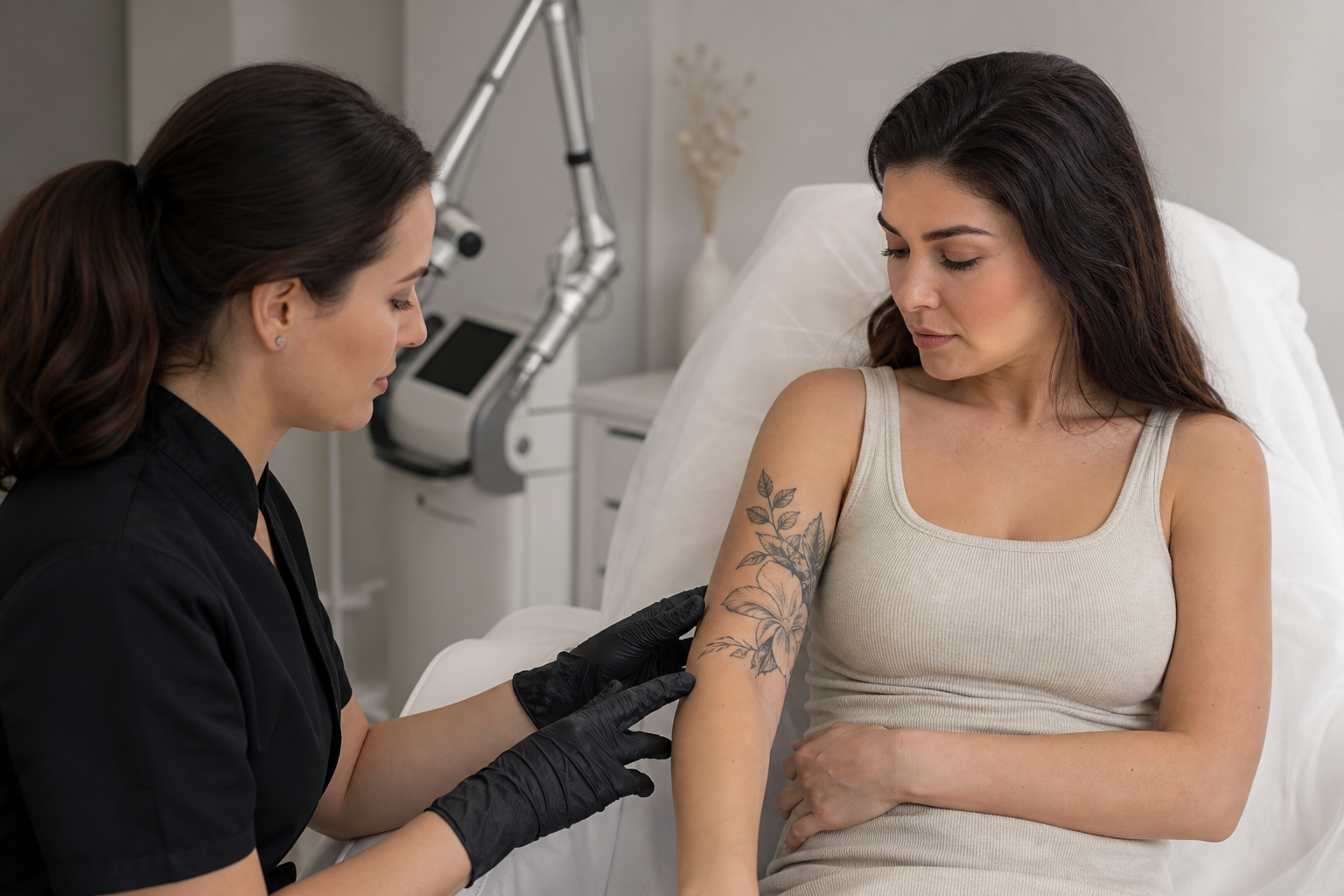
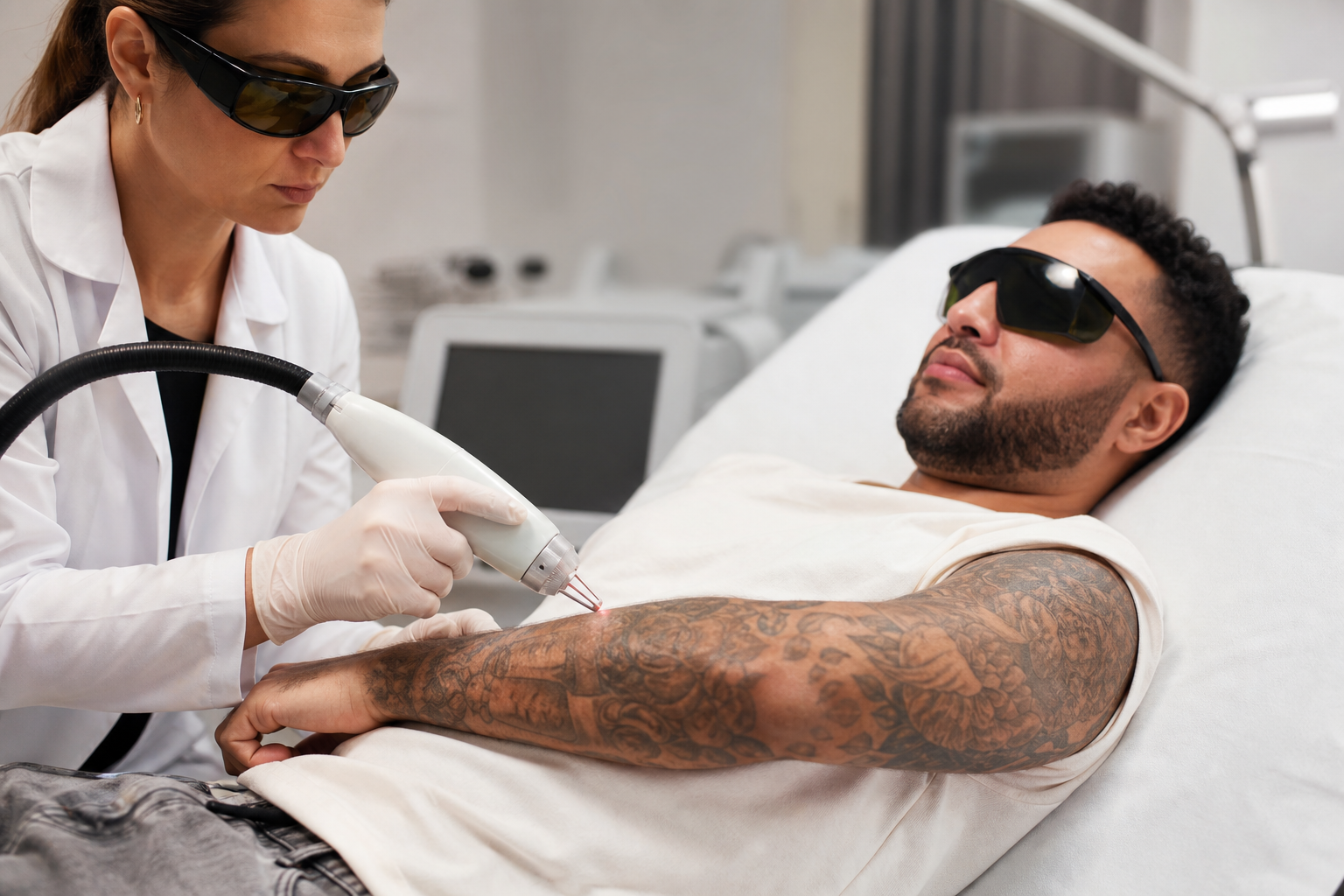
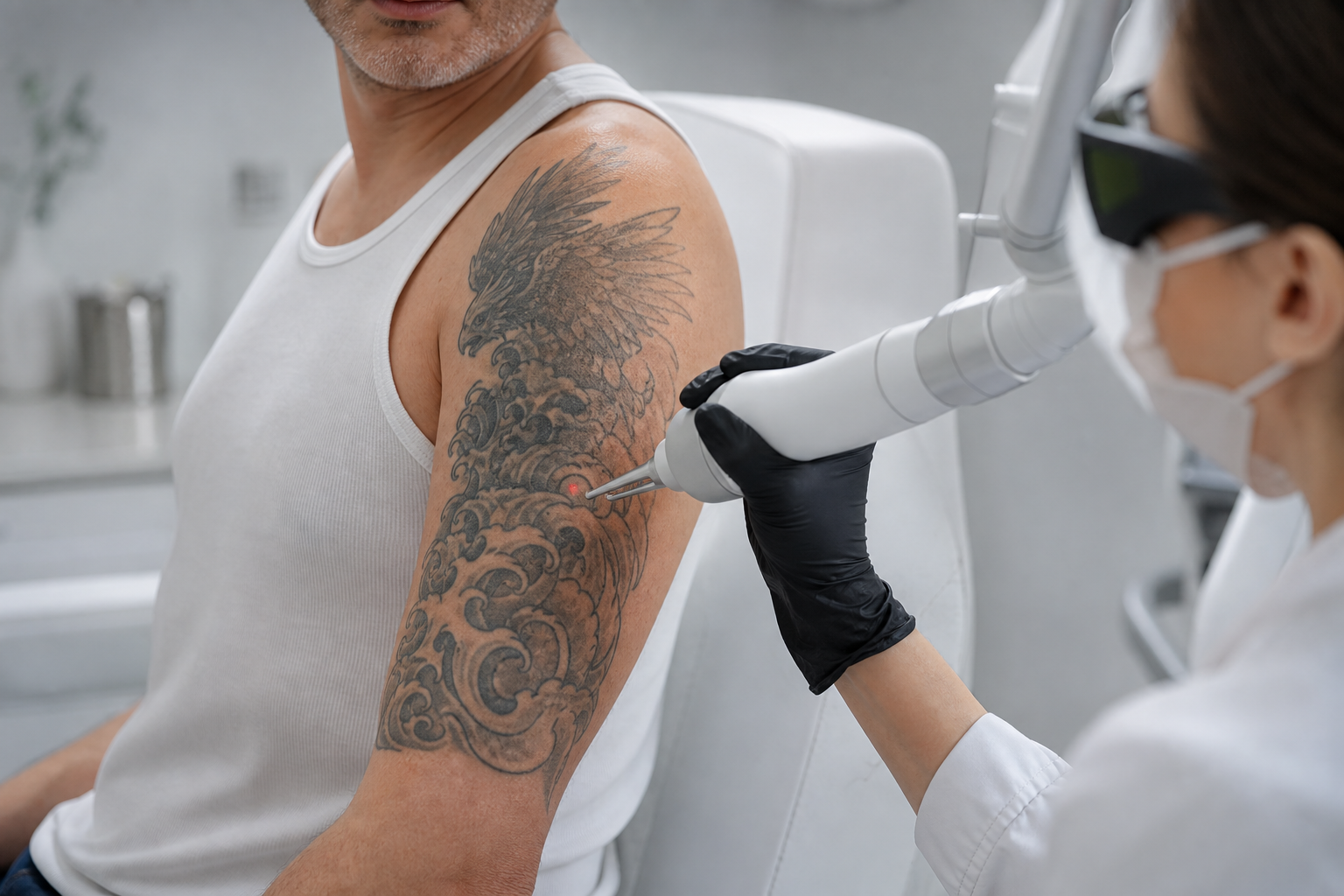
Laser skin tightening treatments are typically outpatient procedures that involve minimal discomfort. Prior to treatment, the skin is cleansed and may be numbed with topical anesthetics to enhance comfort. Sessions generally last between 30 to 60 minutes depending on the size of the area being treated.
Immediately after treatment, patients might experience temporary redness, swelling, or a sensation similar to mild sunburn, which usually resolves within a few hours to days. Multiple sessions, spaced several weeks apart, are often necessary to achieve optimal results since collagen remodeling is a gradual process.
Patients are advised to avoid direct sun exposure and use sunscreen diligently, as laser-treated skin can be sensitive. Most individuals can resume normal activities immediately after treatment, making these procedures highly convenient compared to surgical alternatives.
How Do Laser Treatments Compare with Surgical Options for Loose Skin?
While surgical procedures such as abdominoplasty, arm lifts, or thigh lifts remain the gold standard for removing significant excess skin, laser treatments offer several distinct advantages. They are less invasive, involve reduced risks, avoid surgical scars, and require little to no downtime.
However, it is important to acknowledge that laser treatments have limitations. For individuals with excessive skin folds or very loose skin, surgery may be more effective in providing dramatic contour improvements. Conversely, laser treatments are ideal for those with mild to moderate laxity seeking subtle but noticeable enhancements.
Aesthetic practitioners often recommend a combination approach for some patients—starting with laser therapy to improve skin texture and firmness followed by surgical excision if necessary—to maximize outcomes.
What Are the Long-Term Benefits and Considerations of Using Laser Treatments?
Laser skin tightening therapies promote natural collagen production, which can lead to sustained skin improvements over one to two years post-treatment. Patients benefit from enhanced skin tone, elasticity, and texture, contributing to a more youthful and contoured appearance.
Long-term maintenance may require periodic follow-up sessions to sustain collagen levels, especially in individuals prone to skin laxity due to aging or lifestyle factors. Additionally, adopting healthy habits such as proper skincare, hydration, sun protection, and nutrition supports the longevity of laser treatment results.
It is essential for patients to consult with experienced practitioners and discuss their medical history, skin condition, and goals to design a personalized treatment plan that balances safety and efficacy.
Are There Any Risks or Side Effects Associated with Laser Skin Tightening?
Laser skin tightening is generally regarded as safe when performed by qualified professionals. Nonetheless, as with any medical procedure, potential side effects may occur, including transient redness, swelling, mild discomfort, hyperpigmentation, or rarely, blistering.
Proper patient selection and adherence to post-treatment care protocols significantly minimize risk. Individuals with certain skin conditions, active infections, or specific medical histories should disclose this information prior to undergoing laser therapy to avoid complications.
Ongoing technological enhancements continue to improve safety and comfort profiles, making laser treatments an increasingly accessible option for skin tightening after weight loss.
How to Choose the Right Laser Treatment for Your Skin Tightening Needs?
Choosing the optimal laser treatment involves evaluating factors such as skin type, degree of laxity, treatment area, budget, and desired downtime. Consultation with a board-certified dermatologist or aesthetic specialist is critical to assess these variables comprehensively.
During such consultations, patients can expect a thorough examination, discussion of previous treatments, and tailored recommendations. Advances in laser technology mean that multiple treatment types can sometimes be combined or sequenced to achieve superior results.
Transparency about expectations and potential outcomes helps establish realistic goals, empowering patients to make informed decisions about their skin tightening journey.