RF facial lifting is an advanced, non-invasive cosmetic procedure designed to rejuvenate and tighten the skin using radiofrequency technology. Unlike traditional surgical facelifts, which involve incisions, anesthesia, and lengthy recovery times, RF facial lifting harnesses the power of controlled radiofrequency energy to stimulate the skin’s natural regenerative processes. This treatment is ideal for individuals experiencing mild to moderate signs of aging—such as skin laxity, fine lines, and diminished elasticity—who prefer a gentle yet effective approach to facial rejuvenation without the risks and downtime associated with surgery.
At its core, RF facial lifting targets the deeper layers of the skin, specifically the dermis, where collagen and elastin proteins reside. These proteins are essential for maintaining skin’s firmness, tone, and youthful appearance. Over time, natural aging and environmental factors reduce collagen and elastin production, leading to sagging skin and wrinkles. By delivering controlled thermal energy via radiofrequency waves, this treatment stimulates fibroblast activity, promoting collagen remodeling and elastin regeneration. The result is tighter, smoother, and plumper skin that reflects a refreshed and revitalized complexion.
Understanding the nuances of RF facial lifting is crucial for anyone considering this treatment as a skin-tightening solution. The spectrum of RF therapies includes non-invasive surface treatments, fractional RF techniques without needles, microneedling devices combined with RF energy, and minimally invasive procedures that utilize microneedles to deliver heat deeper into tissue. Each method offers distinct advantages and addresses different aesthetic goals and skin conditions. This comprehensive guide explores these variations in detail, explaining how RF facial lifting works, the preparation and recovery involved, and what patients can expect throughout the process.
What Exactly Is RF Facial Lifting and How Does Radiofrequency Tighten Skin?
RF facial lifting is a cosmetic procedure that uses radiofrequency electromagnetic waves to generate heat within the deeper layers of the skin. The energy penetrates dermal tissue without damaging the outer epidermis, resulting in a controlled thermal effect that activates fibroblasts—the specialized cells responsible for producing collagen and elastin fibers. This stimulation triggers a natural wound-healing response, prompting the skin to repair and remodel itself with increased collagen synthesis.
Collagen and elastin are structural proteins that maintain skin’s elasticity and firmness. As we age, collagen production dwindles, and elastin fibers degrade, leading to wrinkles, sagging, and loss of skin tone. By reactivating these processes, RF treatments not only temporarily tighten the skin but can also produce longer-lasting regeneration over weeks and months as collagen remodeling continues. This is why RF lifting is considered a medical-grade skin tightening solution that works by encouraging the body’s own regenerative mechanisms rather than relying on external fillers or chemicals.
The advantage of RF facial lifting lies in its minimally invasive nature. Because the radiofrequency energy heats tissue beneath the surface without incisions or abrasions, there is no surgical trauma, stitches, or significant downtime. Most patients can return to their daily activities immediately post-treatment. Additionally, RF devices include built-in cooling systems and precise energy delivery controls to ensure patient comfort and safety throughout the procedure.
Who Is an Ideal Candidate for RF Facial Lifting?
RF facial lifting suits a diverse range of patients who desire non-surgical skin rejuvenation. It is particularly beneficial for individuals in their late 30s through 60s who notice early signs of aging such as mild to moderate skin laxity, fine wrinkles, and decreased facial volume. Candidates seeking gradual improvements with natural-looking results often prefer RF treatments to more invasive facelifts.
Patients with good overall health and realistic expectations about outcomes make the best candidates. Because RF stimulates collagen production, results are cumulative and improve over time, rather than producing immediate drastic changes. It is an excellent option for those wishing to maintain skin firmness as part of routine anti-aging maintenance or for younger patients wanting preventative skin care. Patients with significant skin sagging or heavy wrinkles might require more invasive procedures in addition to RF therapy for optimal results.
It is also suitable for most skin types and tones, including darker skin, as the radiofrequency energy does not target pigment and carries a lower risk of pigmentation changes than laser treatments. However, certain conditions such as active skin infections, open wounds, implanted electronic devices like pacemakers, or pregnancy may contraindicate RF treatments and should be discussed with a medical professional before proceeding.
Exploring Different Types of Radiofrequency Facial Treatments
Within the realm of RF technology for facial rejuvenation, there are several distinct modalities, each with unique techniques and benefits. Understanding these categories helps patients and clinicians tailor treatment plans to specific skin concerns and comfort levels.
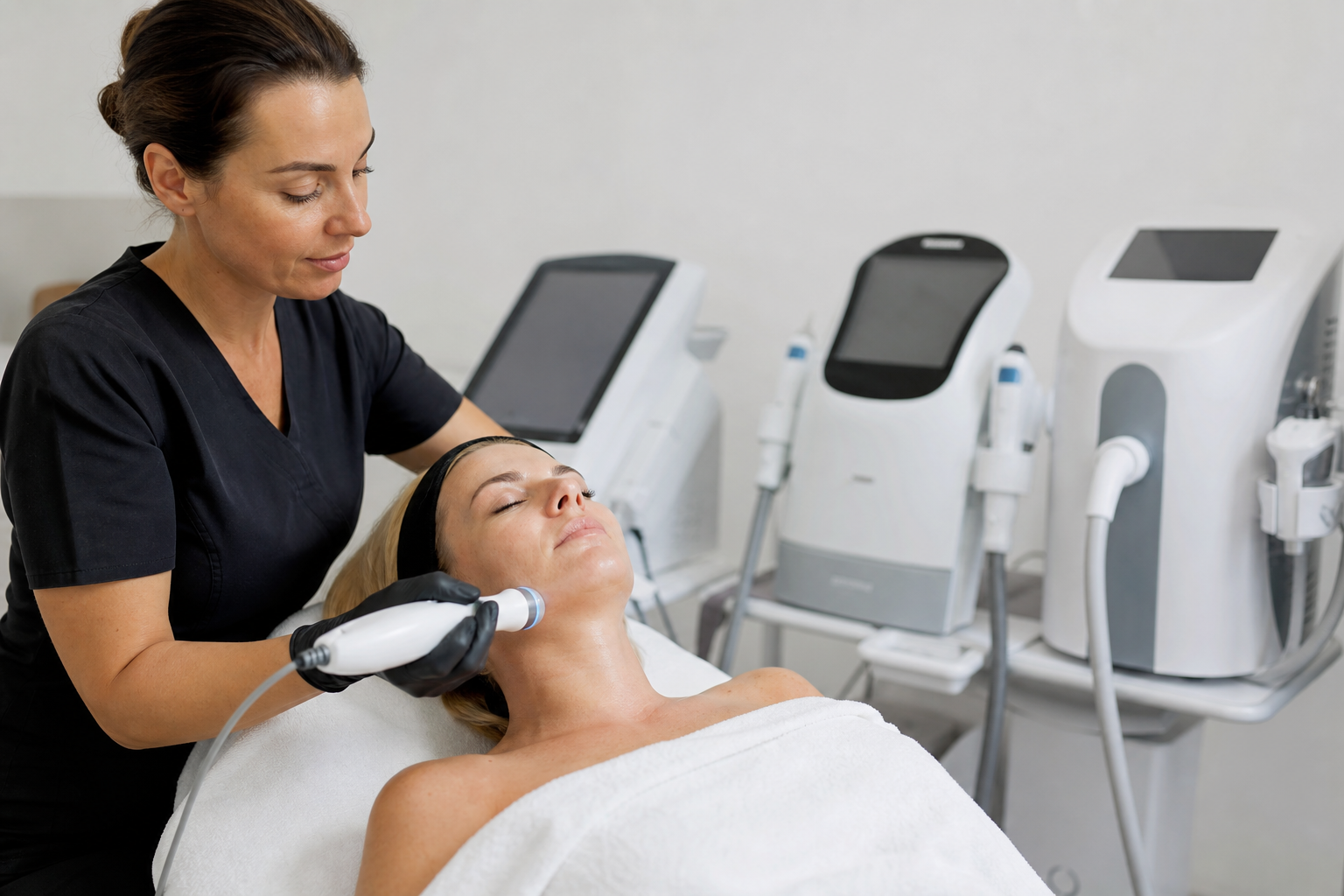
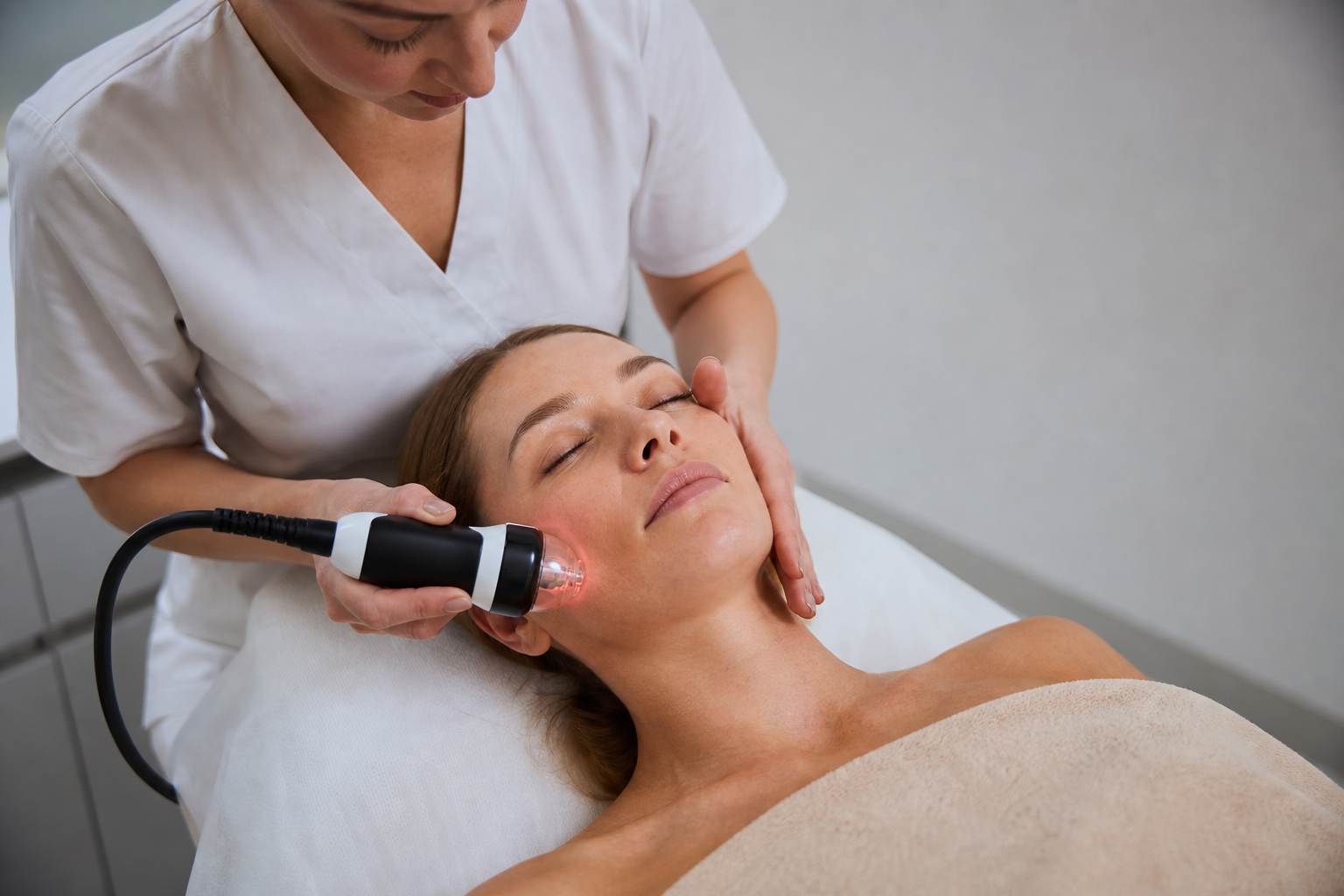
Non-Invasive RF Facial Lifting: This approach involves applying a handheld device externally over the skin’s surface. The device emits radiofrequency waves that heat the dermis while maintaining epidermal integrity. It requires no needles or anesthesia, making it comfortable with minimal to no recovery time. Non-invasive RF is ideal for mild skin tightening and improving skin texture and tone, often suited for first-time users or those preferring gentle interventions.
Fractional RF Without Needles: This technique delivers RF energy in a fractional pattern with microelectrodes placed on the skin but without penetrating needles. It creates controlled microthermal zones that stimulate skin remodeling more intensely than traditional non-invasive RF. Patients can expect enhanced collagen production with slightly longer recovery, including transient redness or swelling.
RF Microneedling: Combining microneedling with radiofrequency, this method uses tiny needles to penetrate the skin, delivering RF energy directly into the dermis at precise depths. The dual action promotes collagen induction through both mechanical injury and thermal stimulation, making it suitable for patients with moderate signs of aging, acne scars, or uneven texture. Minimal discomfort and redness occur post-treatment, with visible improvements appearing over several weeks.
Minimally Invasive RF Procedures: These involve inserting small needles beneath the skin to deliver radiofrequency energy deeper into subdermal tissues. This method enhances tightening effects on the connective tissue and can address moderate to severe skin laxity. While recovery is slightly longer than non-invasive methods, it avoids large incisions associated with surgery, offering a balanced option between conservative and surgical approaches.
Preparing for an RF Facial Treatment: What You Need to Know
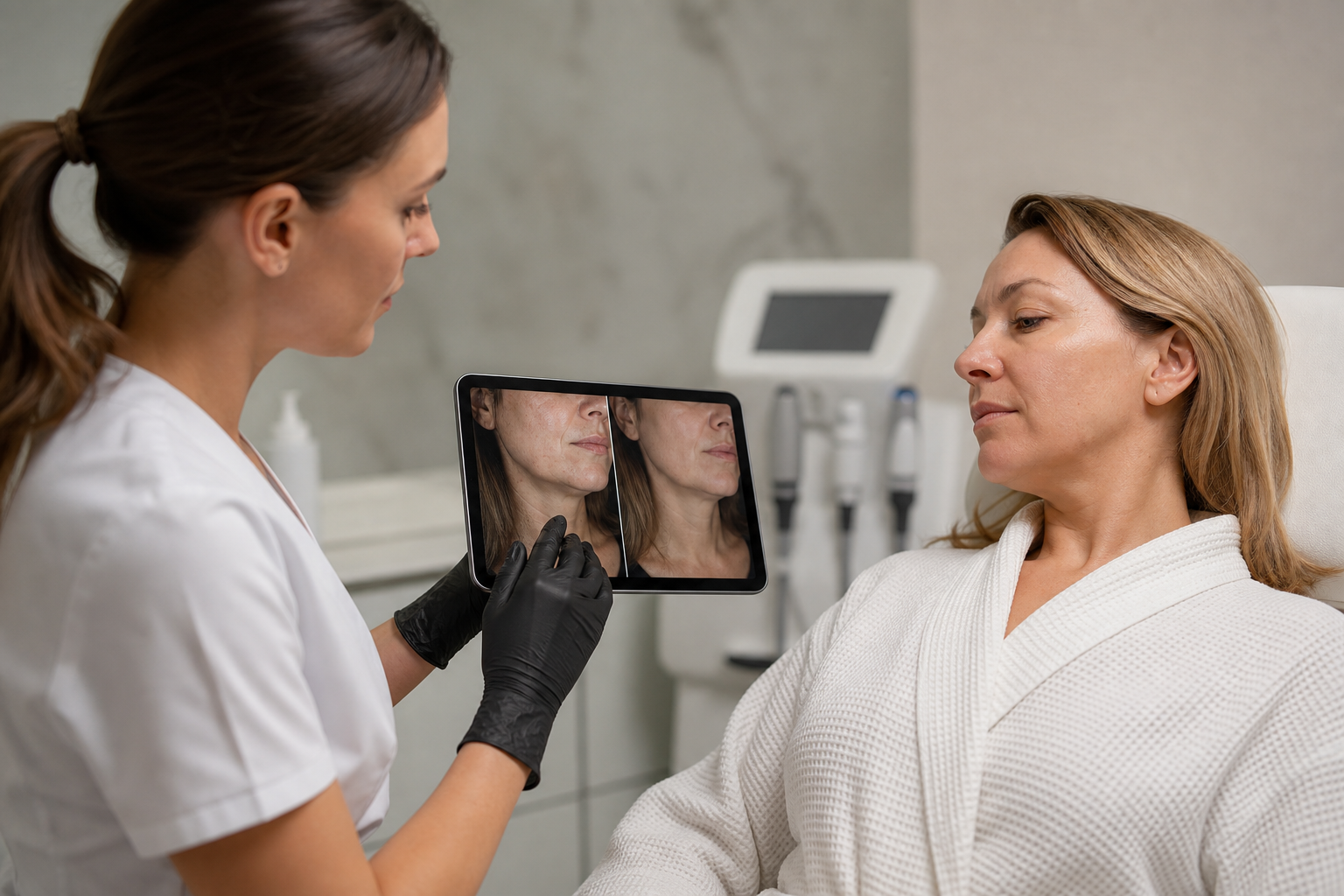
Proper preparation ensures the treatment proceeds smoothly and maximizes outcomes. Prior to your RF facial lifting session, consultation with a qualified practitioner is essential to assess skin condition, discuss medical history, and establish realistic goals.
Leading up to the procedure, patients should avoid prolonged sun exposure, tanning beds, and harsh skincare products that can irritate or sensitize the skin. On the day of treatment, it is advisable to arrive with a clean face, free of makeup, lotions, or sunscreen.
Most RF treatments do not require anesthesia due to their mild discomfort level. However, for microneedling RF or minimally invasive procedures, topical numbing agents may be applied to enhance patient comfort. It is important to communicate openly with your clinician about pain tolerance and sensations experienced during treatment.
Step-by-Step RF Facial Lifting Procedure Explained
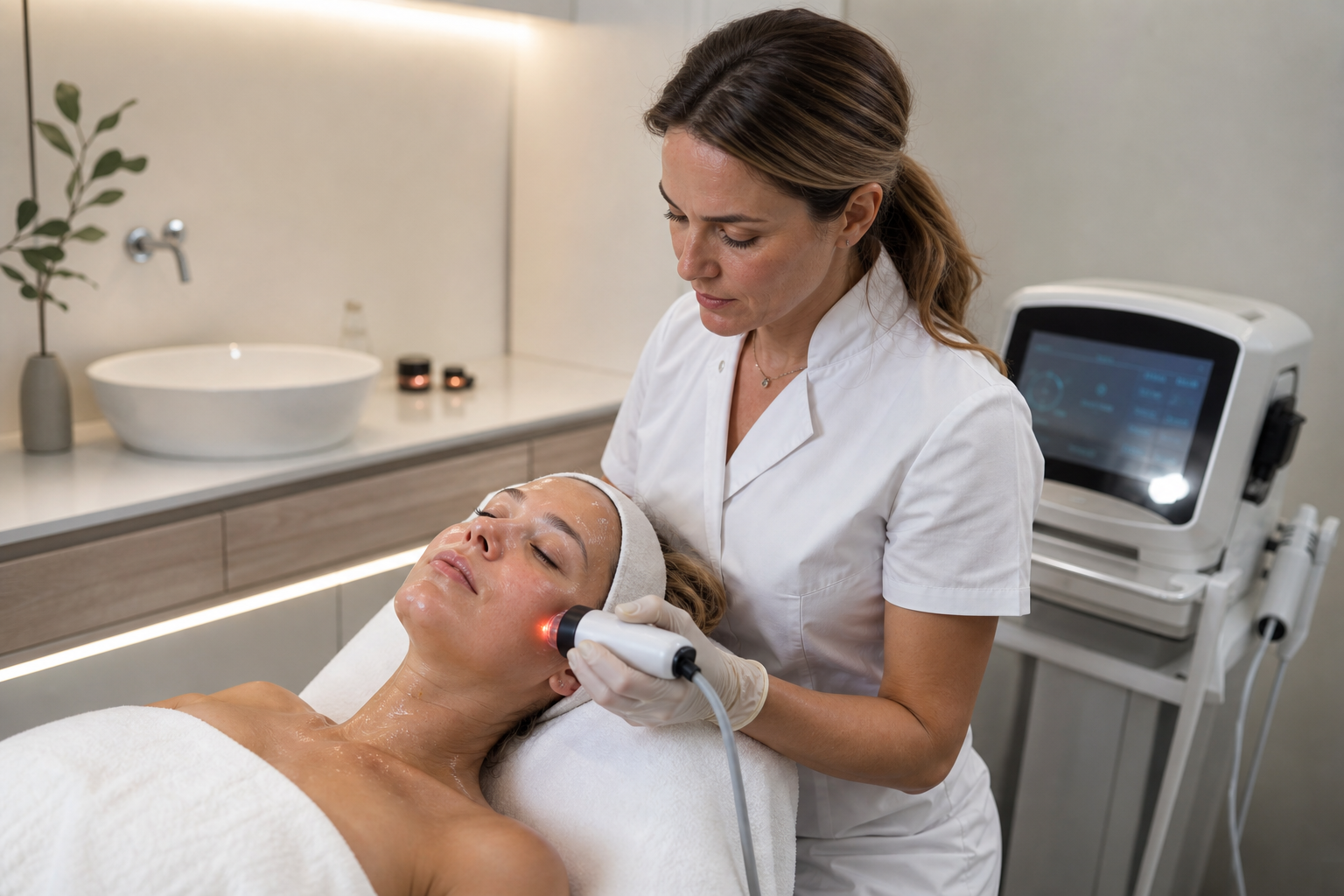
The RF facial lifting session typically begins with thorough cleansing of the face to remove oils and impurities. The practitioner may apply a conductive gel or lotion to facilitate smooth device movement and optimize energy transmission.
Next, the RF device is systematically passed over targeted areas of the face. In non-invasive treatments, the applicator handpiece emits controlled thermal energy, warming the dermis selectively, while you might feel gentle heat or tingling sensations. Treatments generally last between 30 to 60 minutes depending on the size of the area and device used.
For microneedling RF, the device’s fine needles penetrate the skin to deliver RF energy intradermally, creating micro-injuries that promote deep collagen induction. The practitioner carefully covers the face with precise, overlapping passes to ensure an even effect.
Minimally invasive RF procedures involve slightly more complex techniques but follow similar principles of delivering energy directly to deeper layers to tighten tissue. After treatment, the skin may appear flushed or mildly swollen but typically returns to normal within hours to a day.
What Does RF Facial Lifting Feel Like and Is It Painful?
Patients undergoing RF facial lifting usually describe the experience as a warm, soothing sensation. The controlled heat targets dermal layers without causing discomfort to the skin surface. Non-invasive RF is often compared to a gentle warming massage and is well tolerated without anesthetic.
During microneedling RF or minimally invasive treatments, mild pricking or pulling sensations may be noticeable due to needle penetration combined with heat delivery. Topical numbing cream effectively minimizes this discomfort, making the procedure tolerable for most individuals.
Immediately following treatment, some redness or mild swelling might be present, similar to mild sunburn, lasting a few hours. These are common and temporary side effects, indicating the skin is responding to stimulation.
How Long Does a Typical RF Facial Treatment Take and What Is the Recovery Like?
RF facial lifting sessions typically range from 30 to 60 minutes, depending on the treatment type and facial area size. Non-invasive treatments tend to be quicker, while microneedling or minimally invasive procedures may require additional time to ensure comprehensive coverage.
One of the most appealing aspects of RF facial lifting is the minimal recovery time. Patients can usually resume normal activities immediately after treatment without the need for downtime or special post-care. Temporary redness, swelling, or mild tenderness are the most common aftereffects and usually resolve within 24 to 48 hours.
Patients are often advised to avoid excessive sun exposure, use gentle skincare products, and keep the skin hydrated to support healing. Follow-up sessions may be recommended every few weeks for a series of treatments to achieve optimal and sustained results.
What Kind of Results Can Patients Expect from RF Facial Lifting?
RF facial lifting promotes subtle yet meaningful improvements in skin texture, tone, and tightness. Patients often notice their complexion appearing firmer and smoother, with diminished fine lines and improved elasticity. The full benefits gradually unfold over two to three months as collagen remodeling progresses beneath the surface.
While RF treatments do not replace surgical facelifts in cases of severe sagging, they provide a valuable alternative for those seeking natural-looking rejuvenation without the risks and recovery of surgery. Maintenance treatments every six to twelve months can extend results and inhibit further collagen loss.
Individual outcomes vary based on age, skin condition, and lifestyle factors, but the cumulative effect of RF facial lifting is enhanced skin vitality and a more youthful appearance.
Common Questions About RF Facial Lifting
Does RF facial lifting hurt? Most patients experience a warm, comfortable sensation during treatment with little to no pain. Mild discomfort may occur during microneedling RF, but topical anesthetics reduce this significantly.
Is anesthesia required? Anesthesia is generally not necessary except for microneedling RF or minimally invasive procedures, where a topical numbing cream is typically applied.
Are there any side effects? Temporary redness, swelling, or tenderness are normal and usually subside quickly. Serious complications are rare when treatments are performed by qualified professionals.
How many treatments will I need? A series of 3 to 6 sessions spaced several weeks apart is common for optimal results, though maintenance treatments may be required over time.