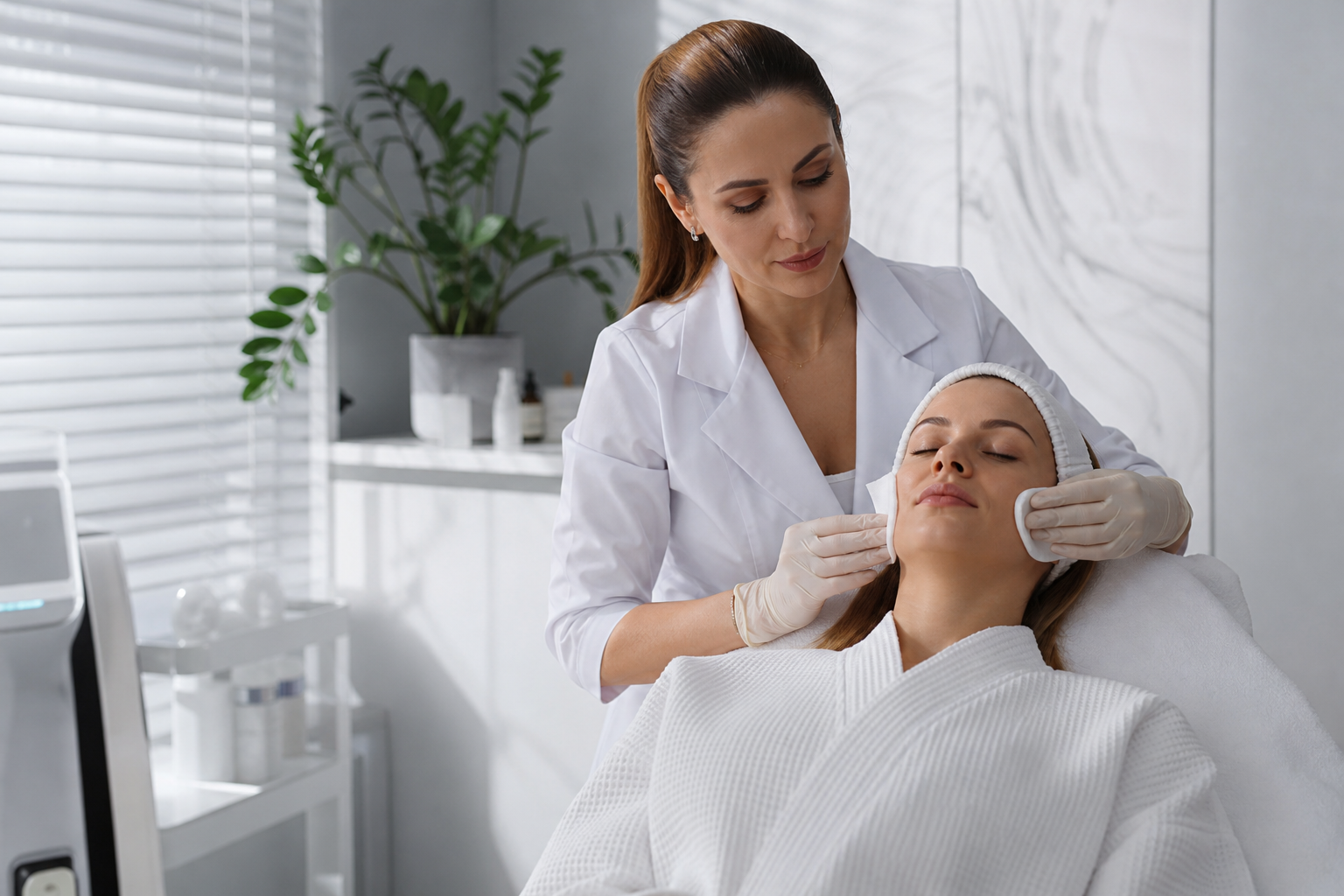
Choosing the right laser treatment and a reputable clinic is a critical decision for anyone looking to enhance their skin's health and appearance through advanced dermatological procedures. Laser treatments have become a cornerstone in modern skincare, addressing a spectrum of concerns ranging from unwanted hair removal to skin rejuvenation, pigmentation correction, and vascular lesion treatments. However, the broad availability of technologies combined with the varying expertise of practitioners can make this choice daunting.
This article is intended for individuals considering laser treatments who seek to make informed, safe, and effective decisions tailored to their unique skin type, concerns, and lifestyle. Understanding the nuances of laser therapies and the characteristics of a trustworthy clinic not only maximizes the potential benefits but also minimizes risks and disappointments.
In the following extensive overview, we will explore how personal skin attributes and treatment goals influence the selection of laser procedures, detail the crucial consultation questions to ask, differentiate between device specifications and clinical expertise, and outline what realistic expectations and aftercare involve. We will also discuss the financial aspects and how to recognize credible providers who prioritize medical safety standards.
What Defines Laser Treatments and Who Typically Benefits from Them?
Laser treatments utilize concentrated beams of light energy to target specific skin structures for therapeutic effects. The technology is capable of precisely modifying the skin without extensive invasiveness, which is why it has become popular for multiple cosmetic and dermatological indications.
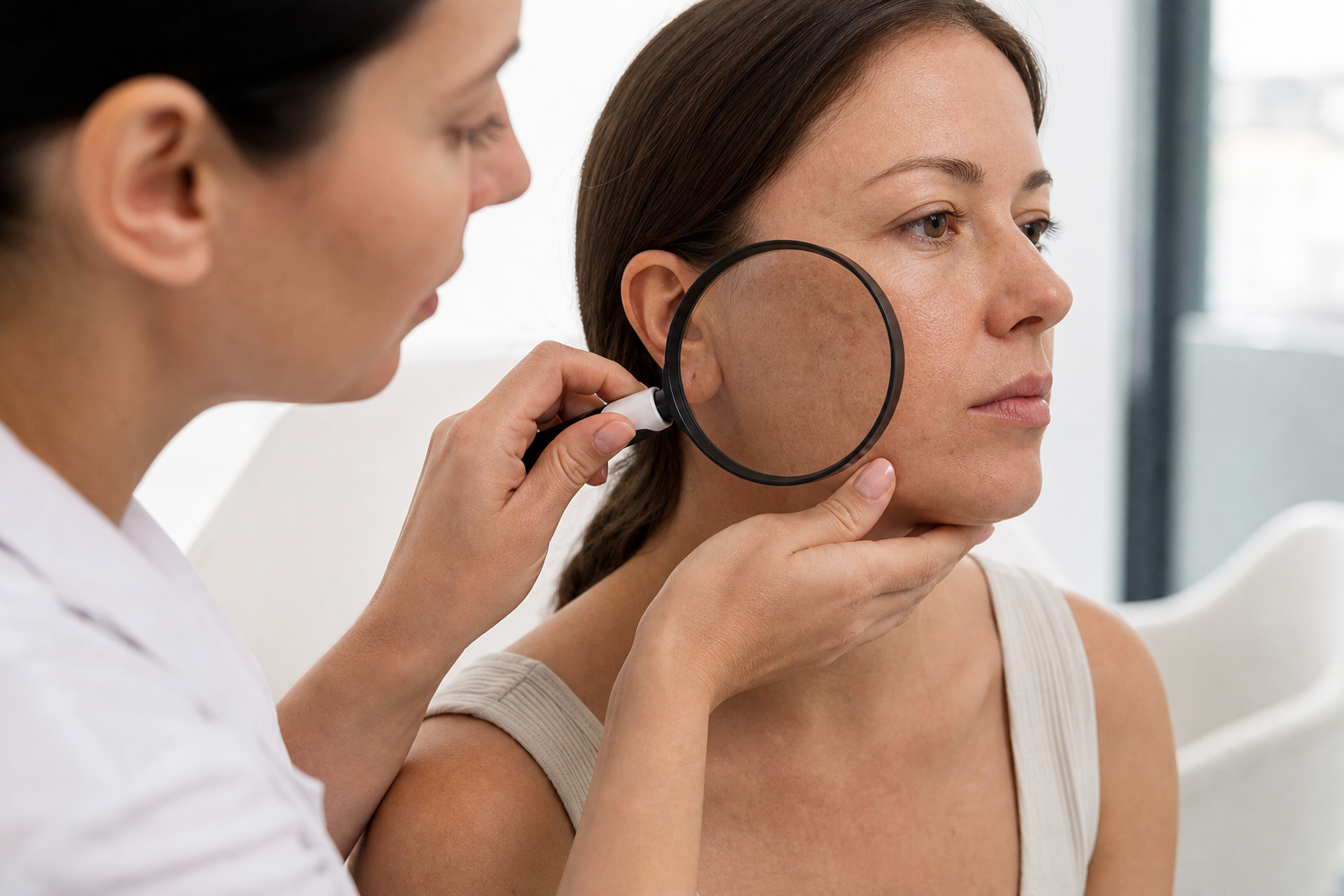
Common laser applications include the removal of unwanted hair, stimulation of collagen production for skin tightening and wrinkle reduction, the correction of pigmentation irregularities such as sun spots or melasma, and the treatment of spider veins or other vascular lesions. Candidates typically range from adults seeking long-term solutions for aesthetic improvements to patients with certain medical skin conditions requiring professional intervention.
The versatility and precision of laser therapy position it as a preferred choice for those who desire rejuvenated skin texture, clearance from persistent discolorations, or smoother, hair-free skin. Distinguishing between purely cosmetic and medically indicated treatments is essential, as it highlights the need for professional evaluation and tailored approaches.
How Can You Identify the Most Suitable Laser Treatment Based on Your Skin Type and Concerns?
Skin type—often classified by the Fitzpatrick scale into phototypes I through VI—greatly influences laser selection and treatment settings. For example, lighter skin types can tolerate certain types of lasers that may pose a higher risk of pigmentation changes in darker skin tones if used improperly.
The nature of skin concerns also guides the choice of laser technology. For instance, fractional ablative lasers might be recommended for deeper wrinkles or acne scars, whereas non-ablative lasers can address superficial pigmentation or mild skin laxity with reduced downtime.
Moreover, patient goals and tolerance for downtime determine treatment protocols. Some may opt for intensive treatments necessitating several days of recovery, while others seek gentler procedures compatible with their daily schedules.
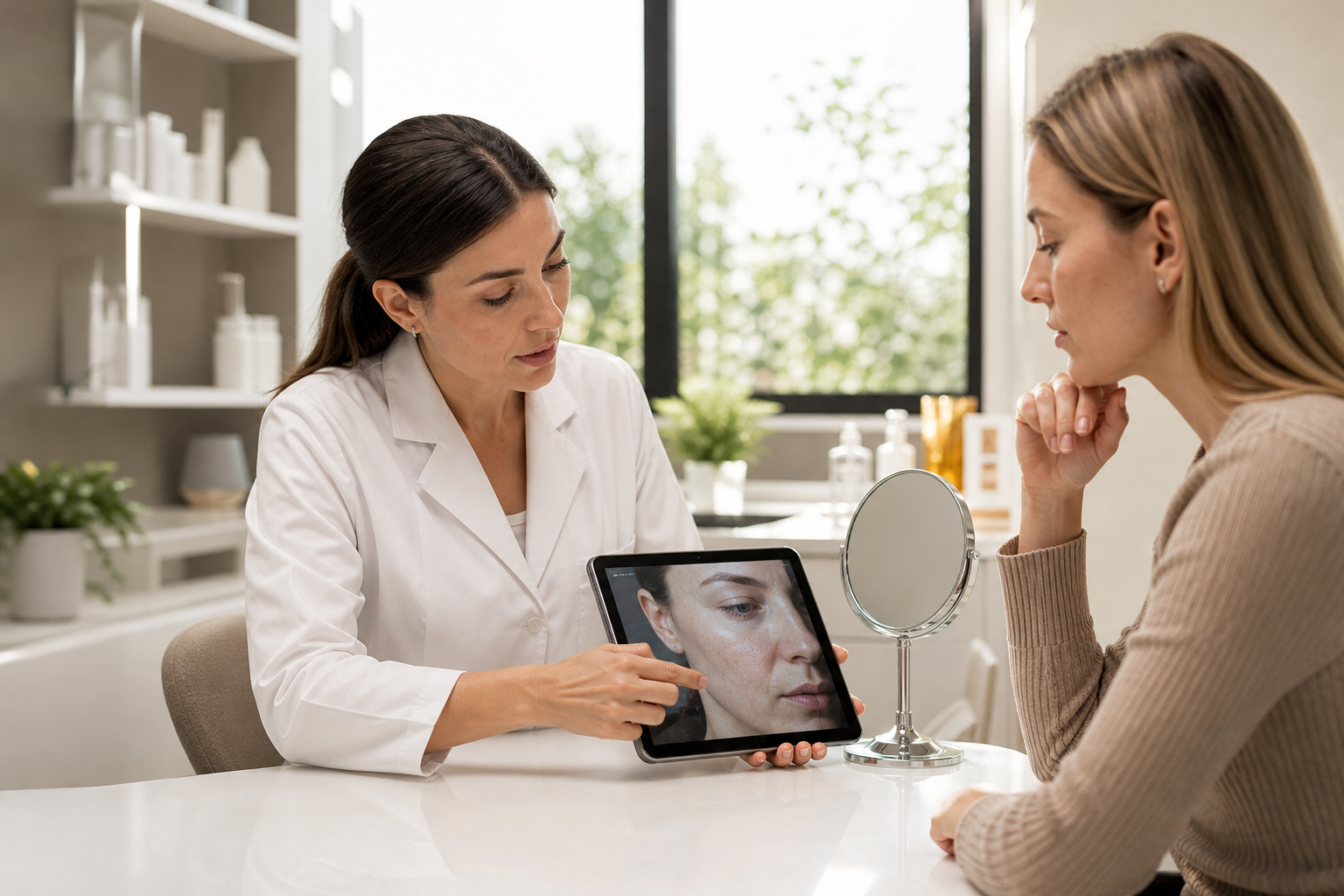
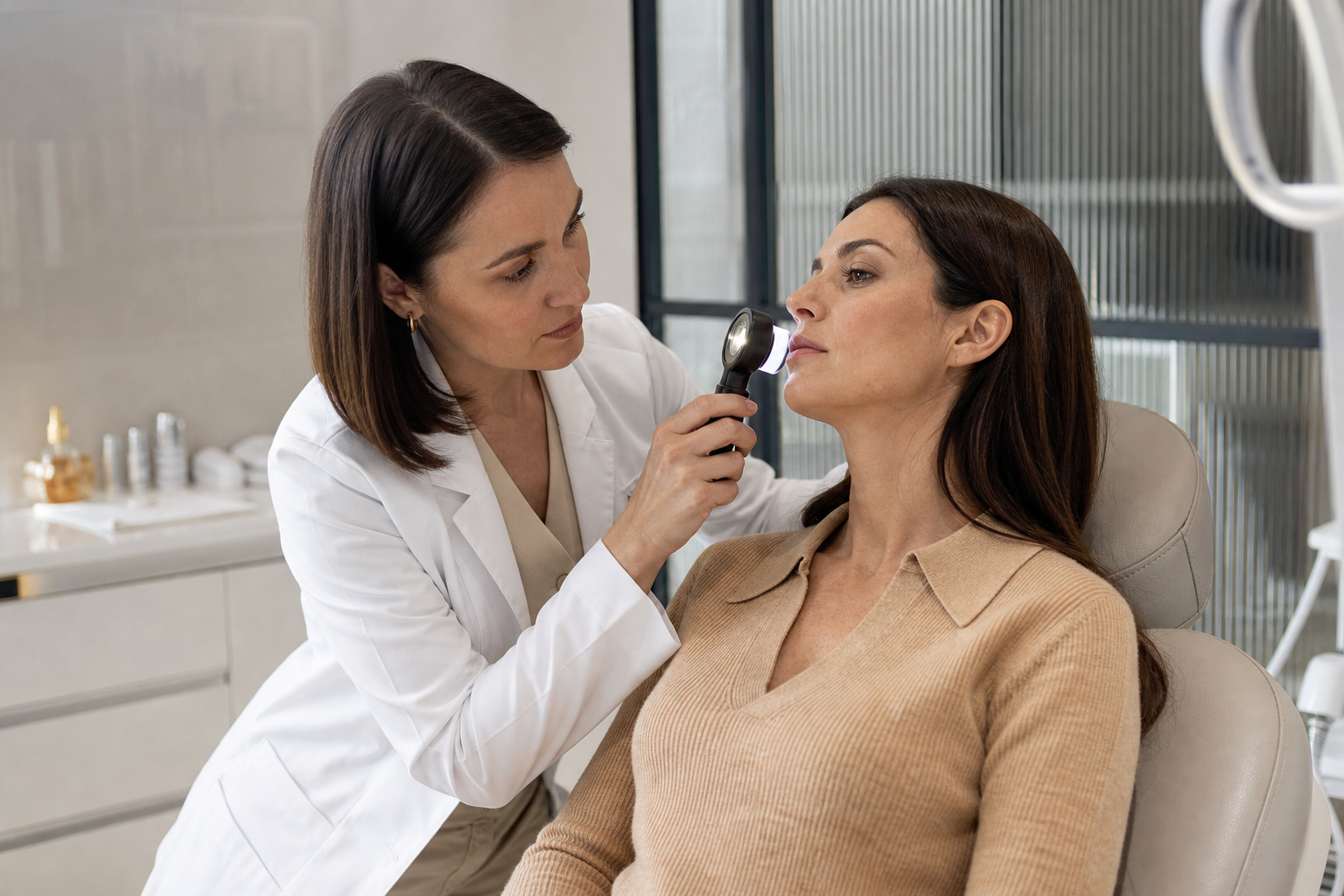
Consultation with a qualified dermatologist or laser specialist is indispensable for an individualized treatment plan. This professional will consider skin assessment, medical history, and aesthetic objectives before recommending the appropriate laser type, intensity, number of sessions, and expected intervals.
What Essential Questions Should You Ask During the Laser Treatment Consultation?
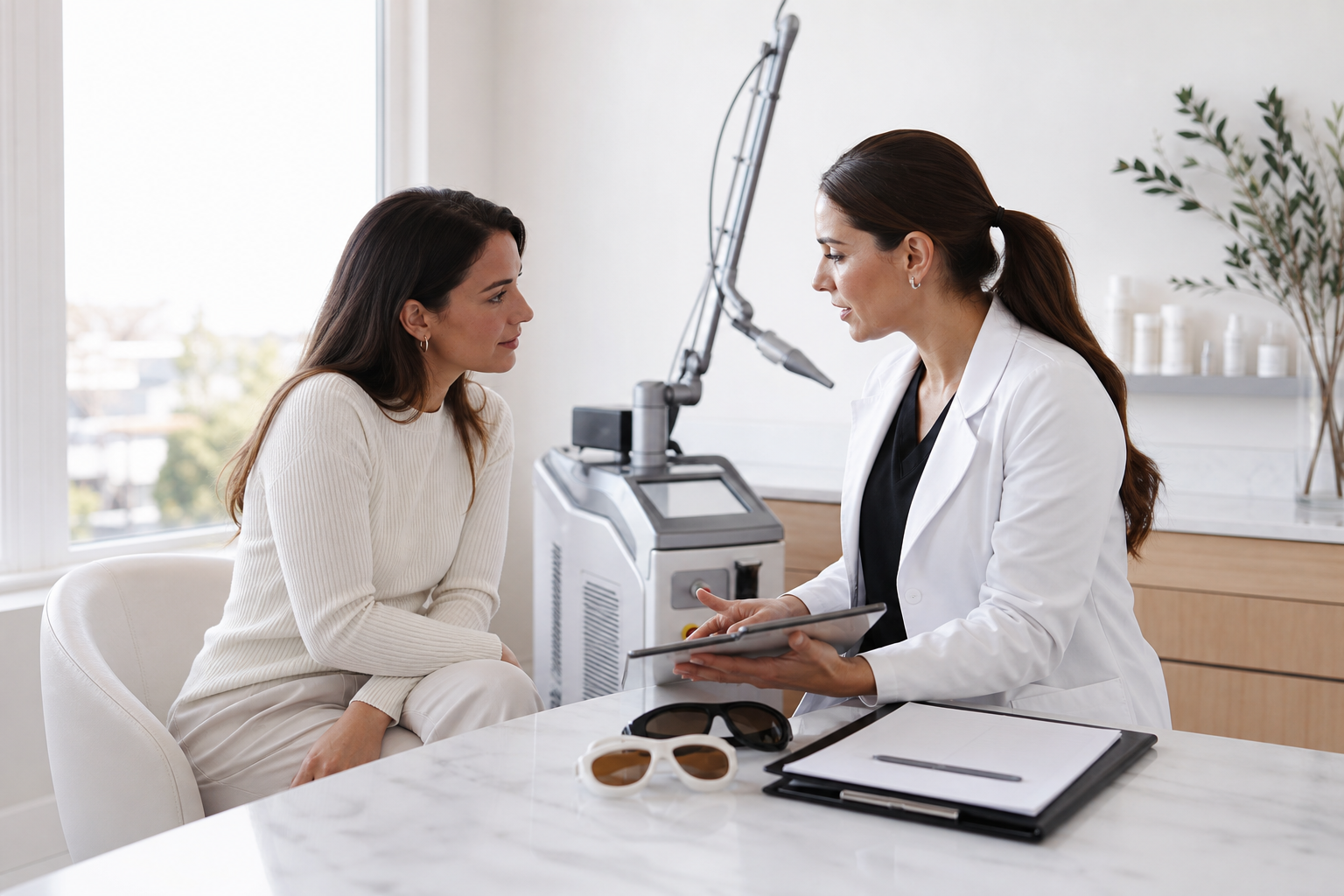
A thorough consultation establishes the foundation for a successful laser therapy journey. Patients should inquire about the qualifications and experience of the practitioner, ensuring they are licensed and knowledgeable in laser technologies and skin health.
Understanding the specific laser device used is important; however, it should be balanced with insights into the practitioner’s competence rather than device name alone. Questions to consider include the treatment methodology, session duration, pain management strategies, and typical outcomes supported by documented evidence such as standardized before-and-after photographs.
Inquiring about the entire cost structure—including consultation fees, treatment costs, post-treatment care products, and follow-up visits—ensures transparent expectations. Ask about the anticipated recovery timeline, potential side effects, and how complications are managed should they arise.
Finally, confirmation that the clinic adheres to medical regulations, maintains detailed patient records, possesses emergency protocols, and emphasizes eye protection during procedures is crucial to safeguard patient welfare.
Why Does Practitioner Expertise Often Matter More Than Laser Device Brand Names?
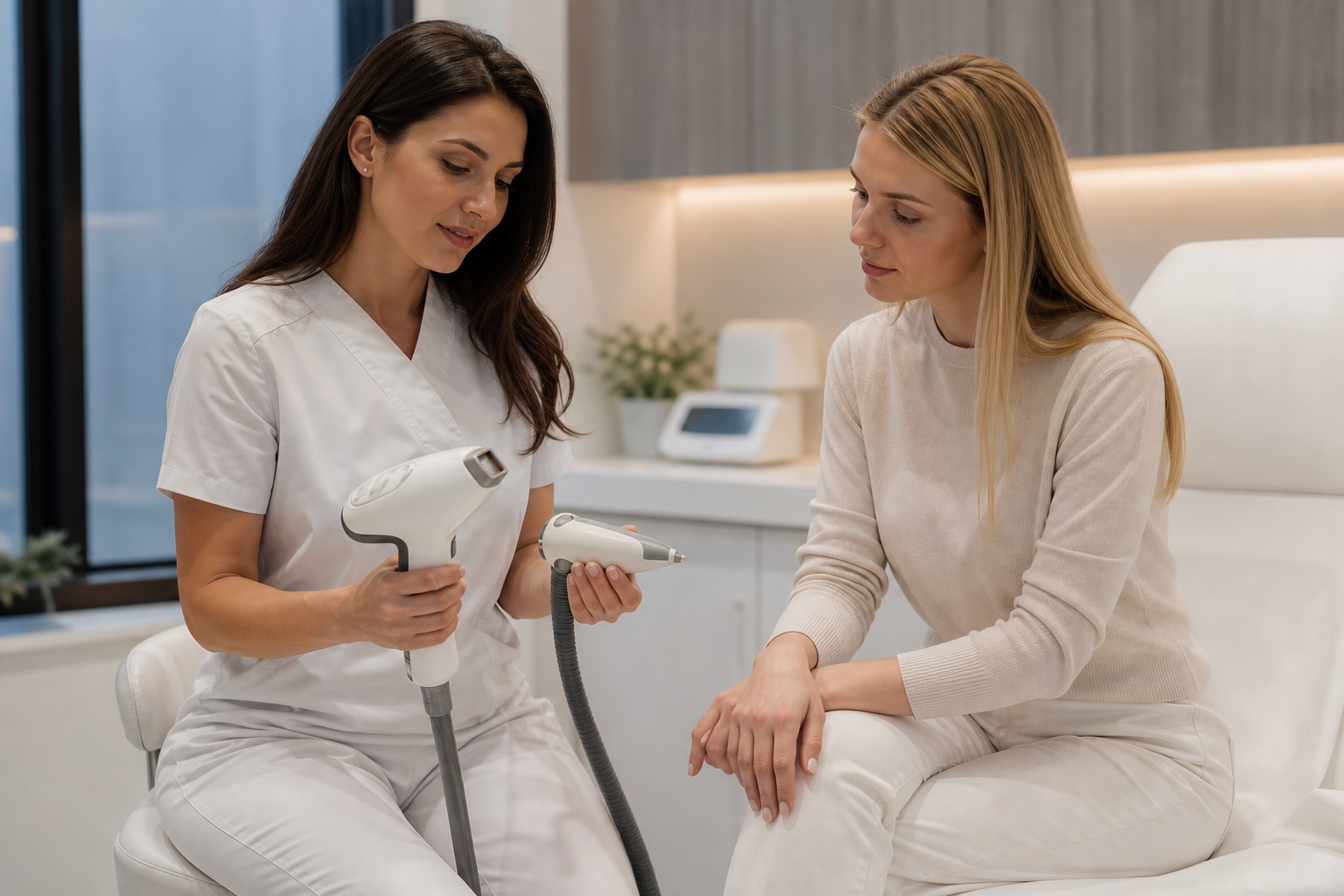
While advanced technology is an essential facet of any laser treatment, the practitioner’s skill, experience, and ability to customize treatments play a more pivotal role in achieving safe and effective results. Lasers are sophisticated instruments that require nuanced operation based on individual skin variations and responses.
Certified and extensively trained clinicians understand the delicate balance of laser parameters such as wavelength, pulse duration, and energy density tailored precisely to each patient’s needs. Moreover, ongoing education and adherence to updated safety protocols help mitigate risks like burns, scars, or pigmentary changes.
Conversely, clinics that emphasize flashy device names without proven medical credentials or clinical tracking may not provide the level of care needed, potentially leading to suboptimal or adverse outcomes.
How to Interpret Before-and-After Photos Accurately and Ethically?
Visual documentation is a helpful tool to assess a clinic’s treatment effectiveness; however, patients must approach such photos critically.
Ensure comparison images are captured under standardized conditions, including consistent lighting, camera angles, and patient positioning. Beware of digitally enhanced or retouched photos, as they distort reality and raise concerns about the provider’s transparency.
Viewing multiple examples featuring patients with similar skin types and concerns offers a more realistic representation of expected results. Keep in mind that laser treatments typically involve a gradual process, requiring multiple sessions and maintenance; instant, dramatic transformations are uncommon.
What Are Typical Risks of Laser Treatment and How to Spot Unrealistic Promises?
Like any medical procedure, laser treatments carry potential risks—ranging from temporary redness and swelling to alterations in skin pigmentation or, in rare instances, scarring. An ethical clinic will disclose all these possibilities openly and set measured, individualized expectations.
Be cautious of practitioners or advertisements claiming guaranteed, permanent removal of all skin imperfections or immediate lifting without any downtime. Such assertions often stem from insufficient knowledge or attempts to oversell services.
Prioritize providers who respect informed consent and offer post-procedure support. Realistic dialogue about achievable outcomes and complications is the hallmark of a trustworthy clinic.
What Factors Contribute to the Cost of Laser Treatments and What Should the Price Include?
Laser treatment prices vary widely depending on the procedure type, treated area size, session quantity, clinic location, and technology used.
Comprehensive pricing should cover pre-treatment consultation, the laser sessions themselves, prescribed skincare products for recovery, and follow-up appointments to monitor progress and address any issues. Transparent communication about what is included helps avoid unexpected expenses.
While budget considerations are understandable, cost should never overshadow the need for safety, expertise, and quality equipment in medical laser procedures.
How Do Medical Lasers Compare to Alternative Technologies for Skin Rejuvenation?
Beyond lasers, other skin treatments such as Intense Pulsed Light (IPL), radiofrequency (RF), and microneedling offer various rejuvenation benefits.
Medical lasers often provide superior precision by targeting specific chromophores or skin structures at defined depths, making them preferable for complex concerns like pigmentation correction, vascular lesions, or deep wrinkles. Their parameters are scientifically validated, and treatments occur under regulated medical environments.
IPL and RF treatments are versatile but may be less effective for certain skin types or deeper issues. Microneedling promotes collagen remodeling but involves a different mechanism of action and indications.
Choosing among these technologies is best guided by a knowledgeable practitioner who evaluates concern-specific efficacy, patient suitability, and safety.
What Documentation and Aftercare Practices Should Be Expected From a Reputable Clinic?
A responsible clinic maintains meticulous medical records detailing the treatment protocols, laser settings, session dates, and patient responses. This documentation is fundamental for monitoring outcomes and managing any adverse effects.
Eye protection measures must be strictly enforced during laser sessions to prevent damage to both patients and staff. Post-treatment instructions should include skincare regimens, sun avoidance tips, and signs warranting medical attention.
Informed consent forms clarify patients’ understanding of the procedure scope, risks, benefits, and alternatives. Clinics should also have contingency plans and accessible communication channels to address complications promptly and effectively.