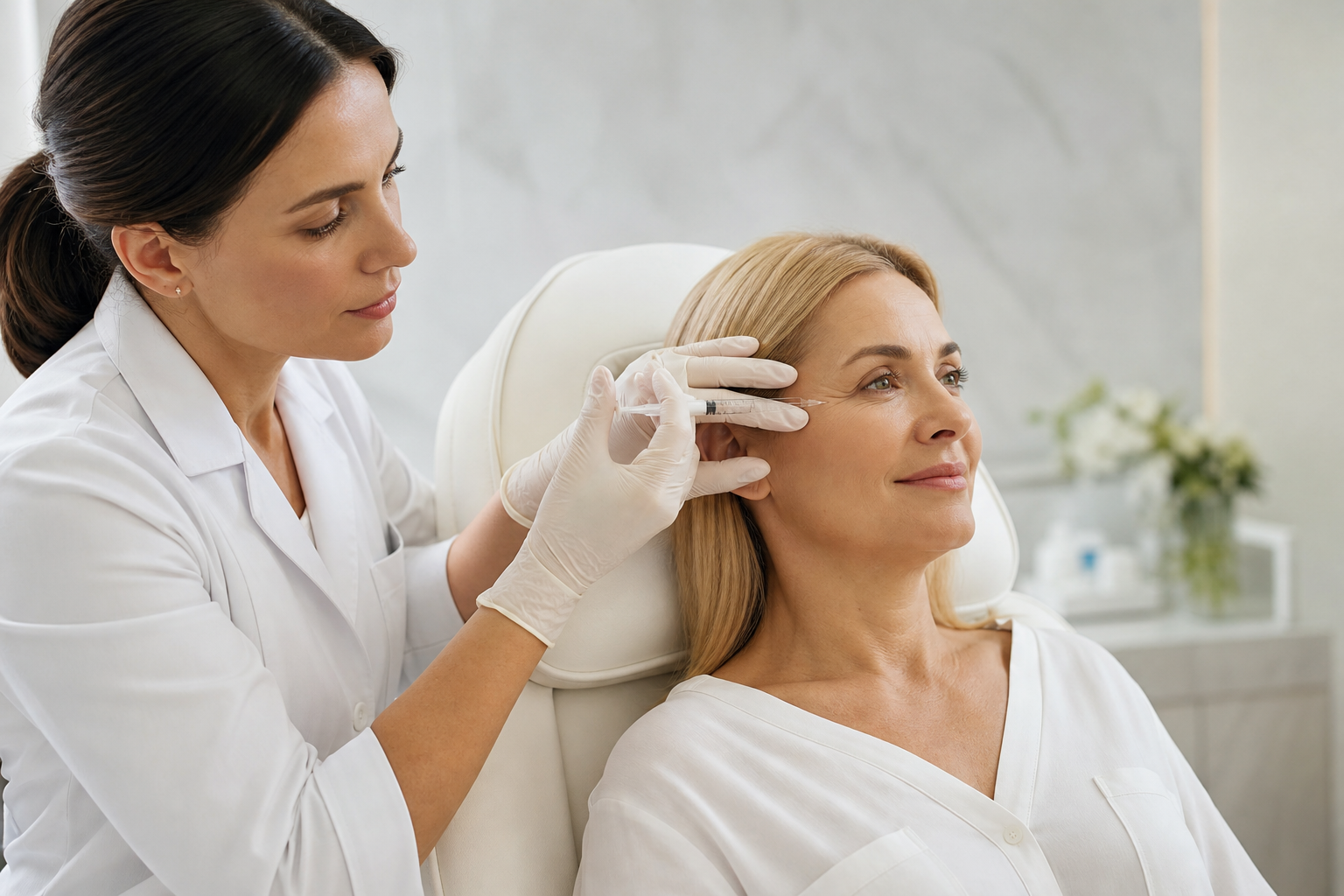
Eye wrinkles, often referred to as crow's feet or laugh lines, are among the earliest visible signs of aging. These fine lines around the corners of the eyes develop primarily due to repetitive muscle movements and gradual loss of skin elasticity. For many individuals, these wrinkles can affect not only their appearance but also their confidence and how youthful they feel. In recent years, Botox has emerged as a leading non-surgical treatment specifically for smoothing these delicate lines, offering an effective solution that doesn't require invasive surgery.
Botox for eye wrinkles targets the underlying muscle activity that causes the skin to crease and fold. By temporarily relaxing these muscles, the skin appears smoother, and wrinkles become less noticeable. This treatment is suitable for men and women who notice early dynamic wrinkles or those seeking to refresh their appearance with minimally invasive interventions. However, Botox is not for everyone. Understanding who benefits most from this treatment, how it works, its realistic outcomes, and potential precautions is essential for anyone considering Botox around the eyes.
Given the sensitive anatomy of the eye area, precision and expertise in administering Botox are crucial. This article explores in detail the mechanism of Botox for eye wrinkles, identifies ideal candidates, describes the procedure, discusses expected results and limitations, addresses safety concerns, and highlights the importance of consultation with qualified specialists. Whether you are beginning to notice the first signs of expression lines or are looking to maintain a youthful appearance, gaining a clear understanding of Botox in this uniquely delicate area is an important step toward making an informed decision.
The Mechanism of Botox in Smoothing Eye Wrinkles
Botox is derived from botulinum toxin type A, a neurotoxin that safely and temporarily interferes with signals between nerves and muscles. In cosmetic dermatology, it is used in minute doses to selectively inhibit the contraction of muscles responsible for forming dynamic wrinkles — those caused by repetitive facial expressions.
Specifically, in the eye region, Botox targets muscles such as the orbicularis oculi, which encircle the eyelids and are active during smiling, squinting, and blinking. By relaxing these muscles, the skin overlying them is less subjected to folding and creasing, leading to softened lines known colloquially as crow's feet.
Importantly, Botox does not freeze facial expressions completely but modulates muscle activity sufficiently to maintain natural movement without the pronounced skin folds that cause wrinkles. The effect begins within a few days post-injection, peaking around two weeks, and typically lasts four to six months before retreatment may be considered.
Identifying Candidates for Botox Treatment Around the Eyes
Botox for eye wrinkles is best suited for adults who develop dynamic wrinkles—those visible during facial expressions but not yet deeply etched at rest. Individuals often fall within the age group of 30 to 60 years, although treatment may start earlier as a preventive strategy against wrinkle formation.
Those who seek Botox in this region usually desire a refreshed, less tired appearance without invasive procedures. Botox can also be therapeutic for mild muscle spasms or twitching around the eyes. However, not everyone qualifies as an ideal candidate. People with neuromuscular disorders, active eye infections, inflammation in the treatment zone, or pregnant and breastfeeding women should avoid Botox procedures due to safety concerns.
Special consideration is required for contact lens wearers. While Botox itself does not contraindicate contact lens use, the proximity of injections to sensitive ocular tissues demands careful technique and pre-treatment assessment to minimize irritation or discomfort. A thorough consultation is essential to evaluate individual risks and plan the safest approach.
Realistic Expectations and Limitations of Botox for Eye Wrinkles
Understanding what Botox can and cannot achieve is critical to patient satisfaction. Botox is most effective for dynamic wrinkles caused by muscle movement rather than static wrinkles—deep lines present even in relaxed facial states typically resulting from natural aging, volume loss, or skin texture changes.
For static wrinkles around the eyes, alternative or adjunctive treatments like dermal fillers, laser resurfacing, or chemical peels may be more appropriate to restore volume and improve skin quality. Botox does not affect skin laxity or pigmentation but focuses solely on muscle-induced lines.
Furthermore, precise dosing and administration are essential. Overuse or incorrect injection points can lead to side effects such as eyelid drooping (ptosis), asymmetrical expressions, or impaired blinking. These outcomes underscore the importance of having an experienced injector perform the procedure.
The Botox Injection Process Around the Eyes
A Botox session targeting eye wrinkles begins with a detailed assessment by a trained clinician. This evaluation includes analyzing facial movements to identify which muscles contribute to wrinkle formation and determining optimal injection sites tailored to the individual's anatomy and aesthetic goals.
The injections use very fine needles and are typically completed within 15 to 30 minutes. Most patients experience minimal discomfort, and local anesthesia is generally unnecessary. After the procedure, patients are advised to avoid rubbing the treated area, strenuous exercise, or lying down for several hours to prevent diffusion of the toxin beyond the intended muscles.
Results begin to manifest within 3 to 5 days, reaching full effect approximately two weeks later. With proper care, the effects persist for four to six months, at which point retreatment can maintain the smooth appearance.
Considerations for Contact Lens Users and Individuals with Dry Eye Syndrome
For those who wear contact lenses or suffer from dry eye syndrome, Botox treatments near the eyes require special precautions. Contact lens wearers must ensure that their lenses are properly removed prior to treatment and handled with caution afterward to avoid irritation.
Dry eye syndrome is characterized by inadequate tear production or poor tear film quality, leading to discomfort and increased risk of corneal issues. Because Botox relaxes muscles around the eyes, it may influence eyelid function and tear distribution, potentially exacerbating dry eye symptoms if present.
A comprehensive eye examination and close communication between the patient and clinician are vital. In some cases, adjunct therapies to manage dry eye or temporary adjustments in contact lens use may be recommended to ensure comfort and safety.
Safety Profile and Potential Side Effects of Botox for Eye Wrinkles
When administered by experienced professionals, Botox treatments around the eyes have a strong safety record. Common transient side effects include mild bruising, swelling, or redness at the injection sites, which typically resolve within days.
Less common but important to recognize are side effects such as headaches, localized muscle fatigue, or asymmetry. In rare instances, inadvertent diffusion of Botox can cause ptosis or brow drooping, underscoring the necessity for meticulous technique and anatomical knowledge during injections.
Patients are encouraged to adhere strictly to pre- and post-treatment guidelines and to report any unexpected reactions promptly. Ensuring treatment is performed in a medical setting with proper sterile protocol further minimizes risks.
Integrating Botox Into a Comprehensive Facial Rejuvenation Strategy
While Botox offers effective smoothing of expression lines, it is but one component of a broad anti-aging skincare regimen. Combining Botox with other treatments such as dermal fillers, laser resurfacing, chemical peels, and tailored skincare routines can produce synergistic benefits, enhancing overall skin texture, volume, and tone.
A holistic approach to aging gracefully also involves lifestyle practices such as sun protection, antioxidant-rich nutrition, adequate hydration, and stress management. Regular follow-up consultations enable clinicians to adjust treatments according to evolving skin conditions and patient goals, resulting in personalized and enduring results.


