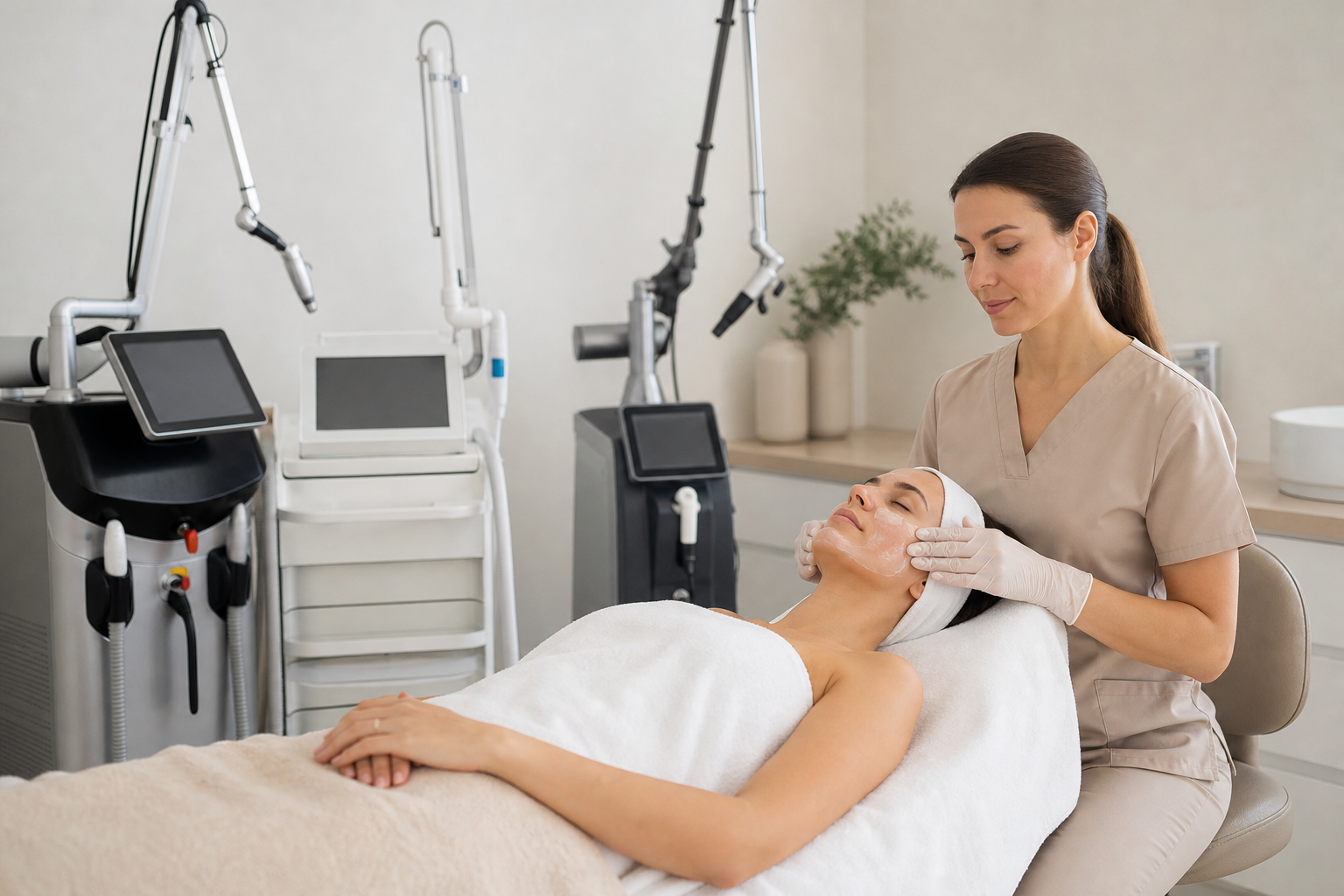
Laser treatments have become a cornerstone of modern dermatology and cosmetic procedures, offering solutions for a variety of skin concerns ranging from pigmentation issues and vascular lesions to acne scars and signs of aging. These treatments utilize concentrated light energy to target skin tissues delicately and stimulate natural regeneration processes. However, undergoing laser therapy is not a standalone event; the care provided to the skin in the days and weeks following the procedure significantly influences not only the speed of recovery but also the quality and longevity of the results.
This article is crafted for individuals who are considering or have recently undergone a laser skin treatment and seek an authoritative, practical guide on post-treatment skincare. It also aims to inform those researching recovery protocols to maximize benefits while minimizing potential adverse effects. Because laser treatments vary widely in type, intensity, and affected skin type, the post-care regimen must be tailored accordingly rather than relying on a one-size-fits-all approach.
Understanding how to properly care for skin post-laser treatment matters deeply because it directly affects the skin’s healing trajectory, risk of complications, and the ultimate enhancement of skin appearance. This detailed editorial synthesizes current, expert-backed information to present a nuanced perspective on post-laser skin care, emphasizing the importance of medical guidance, individual skin characteristics, and treatment specifics.
What Does Post-Laser Skin Care Involve and Why Is It Critical?
Laser treatments work by intentionally inducing controlled micro-injuries to skin layers with the goal of triggering regeneration and remodeling. This controlled disruption prompts the skin to heal, producing fresh collagen and cellular turnover, which in turn improves texture, tone, and clarity. Nevertheless, this process temporarily renders the skin more vulnerable to environmental stressors and irritants.
Post-treatment, the affected skin may present with redness, swelling, dryness, peeling, or a sunburn-like sensation. These responses vary in intensity depending on the laser type, treatment settings, and individual skin sensitivity. The immediate post-treatment phase is critical for safeguarding the skin's barrier and supporting optimal healing.
Inadequate or improper care during this window can prolong healing time, increase discomfort, elevate risks of infections or scarring, and potentially cause unwanted pigmentary changes. Conversely, well-managed post-laser skincare fosters faster recovery, diminishes complications, and amplifies the rejuvenative effects, making it indispensable to the procedural success.
Who Should Customize Their Skin Care After a Laser Treatment?
Post-laser care is not a blanket recommendation but a personalized regimen tailored to one's skin type, pre-existing conditions, and the specific laser technology used. For instance, an individual with sensitive or reactive skin may require more gentle, soothing products to calm inflammation, whereas someone with oily skin might benefit from non-comedogenic hydrators that prevent pore clogging.
Moreover, the severity and purpose of the laser enaction—whether ablative for deep resurfacing or non-ablative for subtle improvements—influence the extent of recovery care. Consideration of patient factors such as age, skin pigmentation, history of photosensitivity, and presence of dermatologic conditions are fundamental to devising an appropriate post-treatment protocol.
Consulting medical professionals specialized in laser dermatology ensures that aftercare instructions align with these individual needs, making the healing process as effective and comfortable as possible.
Fundamental Principles for Caring for Skin Immediately After Laser Treatment
The initial days after laser treatment are critical in setting the foundation for healing. The primary goals during this phase are to maintain skin hygiene, hydrate effectively, prevent infection, and protect the skin from external aggressors, particularly ultraviolet radiation.
Gentle Cleansing: The treated skin is fragile, so cleansing should involve mild, fragrance-free products recommended by clinicians. Abrasive soaps or vigorous scrubbing can disrupt delicate tissues and should be avoided.
Hydration: Adequate moisture supports barrier repair and soothes irritation. Hydrating lotions or gels containing calming ingredients like aloe vera, panthenol, or hyaluronic acid are typically advised. Heavy or occlusive products may not be suitable immediately following certain laser treatments.
Sun Protection: Post-laser skin is especially susceptible to UV damage. Broad-spectrum sunscreens with SPF 30 or higher are essential, along with physical barriers like hats or scarves. Direct sun exposure should be minimized to prevent hyperpigmentation and further inflammation.
Avoidance of Irritants: Products containing alcohol, retinoids, alpha-hydroxy acids, or other strong chemicals should not be used until skin has sufficiently healed. These substances can exacerbate sensitivity, delay recovery, or provoke adverse reactions.
How Does Aftercare Differ by Laser Treatment Type?
The diverse range of laser interventions necessitates distinct post-treatment care strategies tailored to the therapeutic modality and its impact on the skin.
Fractional Laser Resurfacing: Frequently employed for skin rejuvenation and scar correction, this procedure creates microscopic zones of thermal injury surrounded by intact skin. Post-treatment, the skin may exhibit fine crusting or peeling. Care focuses on gentle cleansing, enhanced hydration, strict sun avoidance, and refraining from makeup application until the barrier is restored.
Laser Removal of Pigmentation and Vascular Lesions: Targeting melanin or blood vessels, these treatments can induce transient redness or darkened spots as pigment breaks down. Post-care prioritizes anti-inflammatory hydration and rigorous photoprotection to prevent pigmentary rebound or worsening.
Laser Hair Removal: This procedure heats hair follicles to reduce hair growth, sometimes leaving the skin irritated or reddish. Immediate care involves cooling the area, applying soothing emollients, avoiding heat exposure or friction, and postponing other hair removal methods until the next session.
Managing Unexpected Reactions and Risks During Recovery
Although most post-laser reactions are mild and resolve without intervention, some individuals may experience prolonged redness, swelling, blistering, or pigmentation changes. Persistent discomfort or signs of infection, such as increased warmth, pus, or fever, require prompt clinical evaluation.
Prevention of complications hinges on meticulous adherence to post-care regimens and professional monitoring. Patients should avoid self-treatment with unapproved home remedies or over-the-counter products not vetted for use after laser procedures, as these may worsen outcomes.
When Is It Safe to Resume Makeup and Normal Skin Care Routines?
Resuming the use of makeup and everyday skincare products depends on the degree of skin recovery and the nature of the laser employed. Typically, applying makeup immediately after treatment is discouraged for at least 24 to 72 hours to allow the protective skin barrier to regenerate.
Once cleared to reintegrate cosmetics, choosing hypoallergenic, non-comedogenic, and fragrance-free products helps prevent irritation. It is advisable to reintroduce items gradually, monitoring skin response closely. Maintaining the photoprotective regimen remains critically important beyond this phase.
The Indispensable Role of Medical Guidance in Post-Laser Skin Care
Medical oversight is essential in tailoring post-laser care protocols and managing recovery effectively. Dermatologists and trained clinicians can assess treatment variables, individual healing progress, and recommend suitable products and adjustments to routines as needed.
Attempting to self-manage post-laser skin without professional input may risk suboptimal results or complication development. Follow-ups allow timely intervention in case of adverse reactions and provide reassurance during the healing journey.


