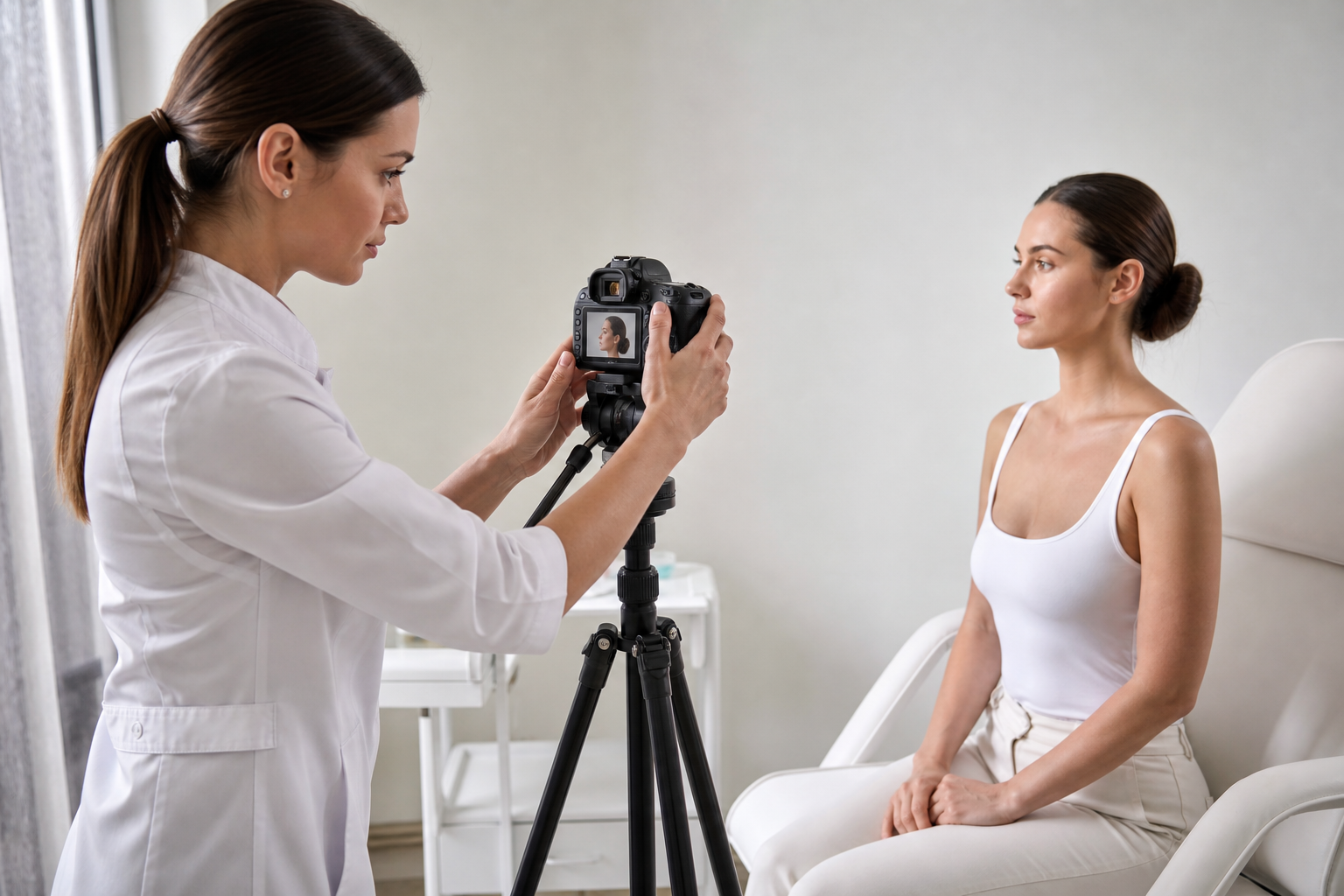
In the world of aesthetic medicine, specifically within the realm of non-surgical treatments like Botox, preparation and precision are key to achieving safe and satisfying results. Among these preparatory steps, one aspect often overlooked by patients is pre-Botox photography. While it may initially seem like a routine or cosmetic formality, the act of taking detailed, standardized photographs before Botox injections plays a critical role in ensuring treatment safety, setting realistic expectations, and guiding personalized treatment plans.
This editorial explores why pre-Botox photography matters for anyone considering their first Botox treatment or for those seeking to understand the thoroughness behind a quality consultation. It addresses how this process functions not only as documentation but as an essential analytical tool that bridges communication between patient and doctor, enhances the accuracy of treatment, and ultimately influences outcomes.
Botox is an intricately applied treatment tailored to individual facial anatomy and muscular expressions. Therefore, understanding the existing facial state through comprehensive visual documentation is indispensable. This article will elucidate how pre-Botox photography fits into the journey from decision to consultation, clarifying its role in improving both safety and satisfaction.
The Critical Role of Photography in Botox Treatment Planning
Photography before Botox serves as far more than just a visual record; it is a strategic evaluation tool. When performed under standardized conditions with consistent lighting and angles, it allows the practitioner to conduct an objective analysis of skin condition, wrinkle depth, and dynamic facial expressions. This level of detail is crucial because it moves beyond the subjective, often imprecise mirror reflection to a clearly documented baseline that highlights subtle asymmetries or skin variations that the patient might not notice.
Such photographs guide the clinician in identifying precise injection sites that will yield natural-looking and balanced results. Since no two faces are identical, personalizing the Botox approach based on in-depth visual assessment prevents over- or under-treatment and respects the patient's unique facial expressions and anatomy.
Moreover, the images foster transparent communication. By reviewing pre-treatment photos together, patient and doctor align their understanding of the current facial features and collaboratively set achievable goals. This dialogue is a cornerstone of a quality consultation and lays the groundwork for trust and realistic anticipation.
Enhancing Safety and Treatment Quality Through Pre-Botox Imaging
Safety concerns are paramount with any cosmetic injection. Pre-Botox photographs are a fundamental component of the safety protocol. They help clinicians detect areas where skin may be thinner or more delicate, marking those spots as likely to bruise or swell. Photographic evaluation also assists in mapping underlying anatomical structures such as muscles and blood vessels that must be considered carefully to avoid complications.
Additionally, photographic records form a vital part of the patient's medical documentation. Should adverse effects occur or retreatment be needed, these images provide an essential reference point that informs corrective strategies or alternative approaches. This continuity of care, supported by visual evidence, enhances not only immediate treatment safety but also long-term patient management.
Therefore, the integration of photography into the Botox treatment process reflects a medical standard designed to preempt risks, optimize results, and support clinicians in personalizing treatments meticulously.
Establishing Realistic Expectations with Visual Evidence
Setting proper expectations is often one of the most challenging aspects of aesthetic treatments, especially for first-time Botox patients. Pre-treatment photographs create a visual framework for patients to understand the extent of their wrinkles and the potential improvements Botox can offer. By comparing before images with the planned treatment zones, patients gain insight into how the injections work to reduce muscle activity responsible for wrinkle formation.
This visual aid helps demystify the process, making intangible concepts more tangible. It also curtails misconceptions about what Botox can achieve — for example, it clarifies that deep static wrinkles may require adjunct treatments for optimal results, or that changes will be subtle and natural rather than dramatic transformations.
Consequently, this open, image-based communication diminishes anxiety, fosters informed consent, and encourages patient confidence in the clinician's expertise and the planned protocol.
Recognizing Limitations Through Photography Prior to Botox
Pre-Botox photographs not only highlight what is possible but also reveal treatment limitations. Some wrinkles or skin laxities are better addressed with other modalities such as dermal fillers, skin resurfacing, or combined therapies. Visual assessment helps identify these cases early on, preventing patients from having unrealistic expectations of Botox alone.
In some scenarios, photographs may suggest postponing Botox until further skin improvements occur, or combining Botox with additional treatments to maximize benefits. This strategically tailored approach underscores modern aesthetic medicine's sophistication, where multiple technologies are matched to patient needs for comprehensive rejuvenation.
Such candid evaluations, grounded in photographic evidence, underscore an ethical and effective patient care philosophy, prioritizing individualized outcomes over one-size-fits-all solutions.
Best Practices for Effective Pre-Botox Photography
The value of pre-Botox photographs critically depends on how well they are taken. For accurate analysis, images must be captured using consistent, neutral lighting that evenly illuminates the face without shadows or glare. The patient’s face should be clean, free from makeup, relaxed, and captured from multiple angles including frontal, left and right profiles, and slight upward and downward tilts.
Such comprehensive perspectives enable clinicians to appreciate the three-dimensional dynamic of facial expressions and wrinkle patterns. Using high-resolution equipment or professional photography ensures details are not lost. This protocol guarantees that the subsequent comparisons before and after treatment are both meaningful and reliable.
This level of meticulousness in photographic documentation has become a hallmark of reputable clinics and skilled practitioners dedicated to delivering top-tier aesthetic care.
The Integral Role of Expert Consultation in Interpreting Pre-Treatment Images
Pre-Botox photography does not stand alone; it is an indispensable facet of a thorough consultation process. Discussion of medical history, allergies, skin concerns, and aesthetic goals combined with photographic review empowers the clinician to devise a safe, personalized treatment strategy. Moreover, the consultation cultivates a supportive environment where patients can express hesitations, ask essential questions, and gain a clear understanding of the treatment journey.
Experienced specialists leverage images to educate and guide patients, translating visual findings into actionable treatment plans. Their knowledge of facial anatomy, muscular interplay, and injection techniques paired with photographic insights ensures that each intervention aligns perfectly with patient needs and safety parameters.
This multifaceted evaluative approach distinguishes high-quality Botox practice from superficial or purely transactional treatments, contributing profoundly to patient satisfaction and confidence.
Photographic Records as a Temporal Benchmark for Monitoring Botox Efficacy
One of the most valuable benefits of pre-Botox photography is its function as a baseline for post-treatment evaluation. Botox’s effects develop progressively and vary from person to person, making comparative photographs indispensable for accurate assessment. Subsequent images at follow-up visits allow both clinician and patient to visually track changes, confirming treatment efficacy or identifying areas requiring enhancement.
Consistent photographic documentation facilitates understanding the duration and quality of Botox results. It also assists in fine-tuning future treatments and establishing a maintenance plan suited to individual responses and aesthetic preferences.
In embracing this photographic record-keeping, patients gain greater control over their rejuvenation journey, making informed choices supported by clear, objective evidence of progress.


