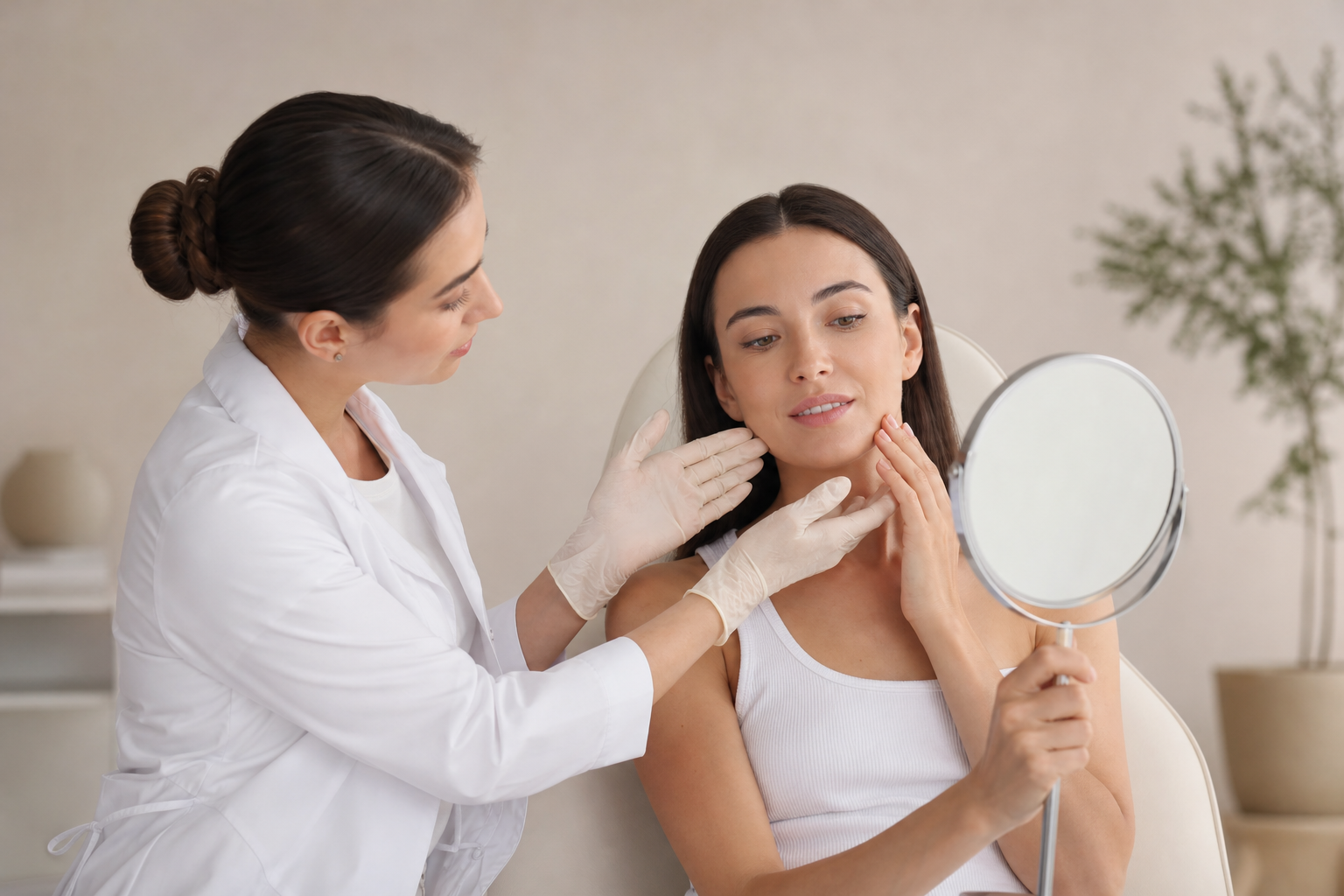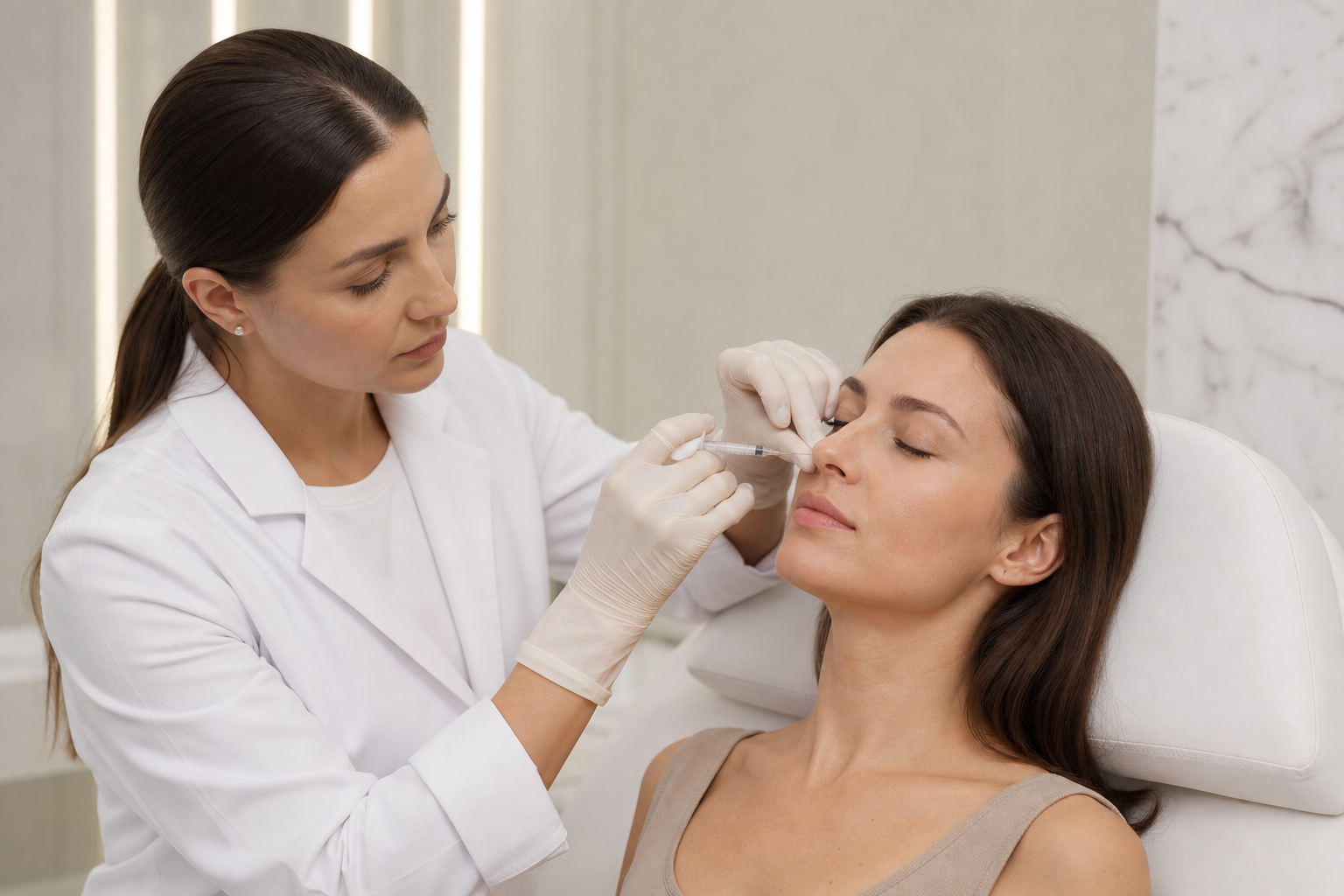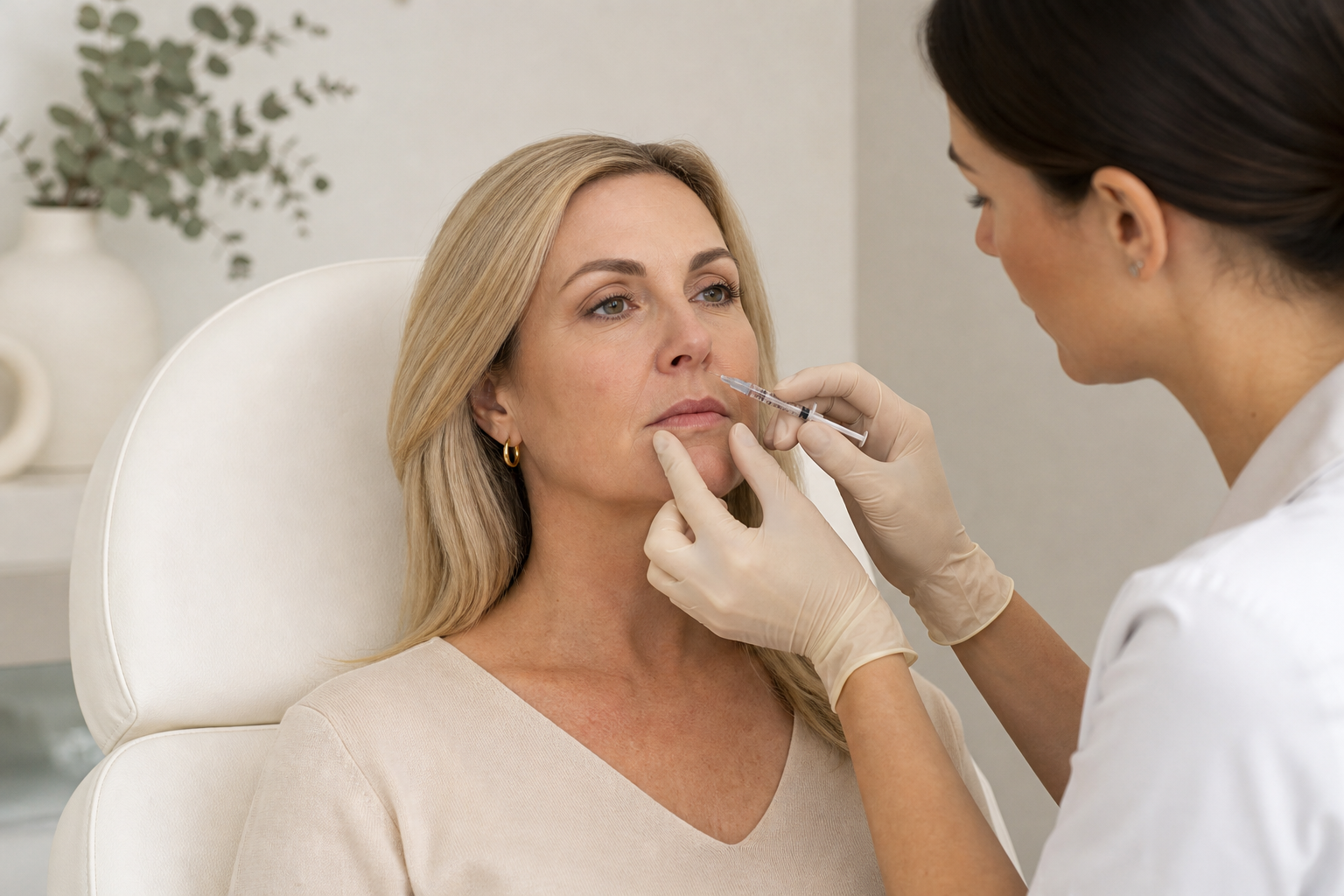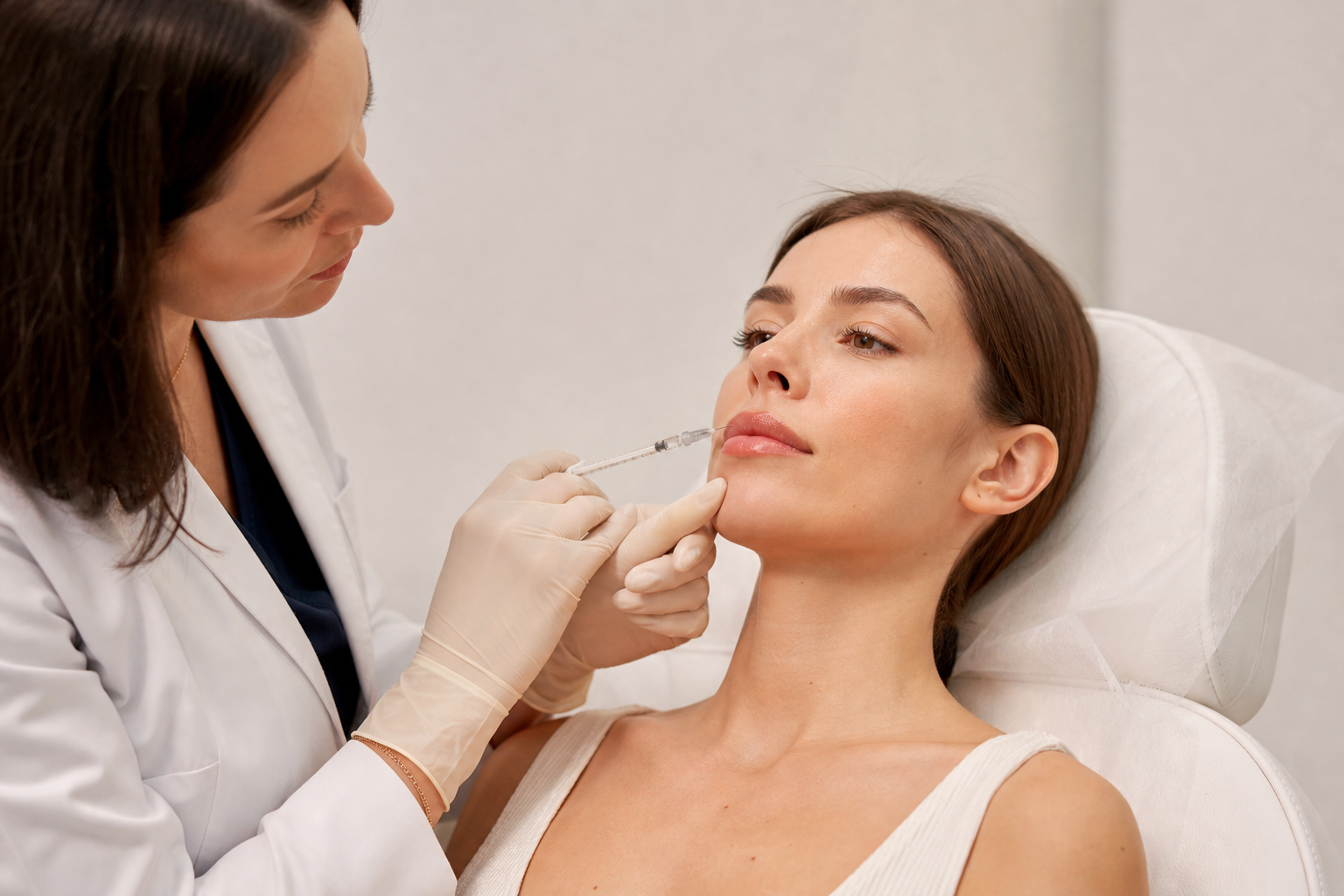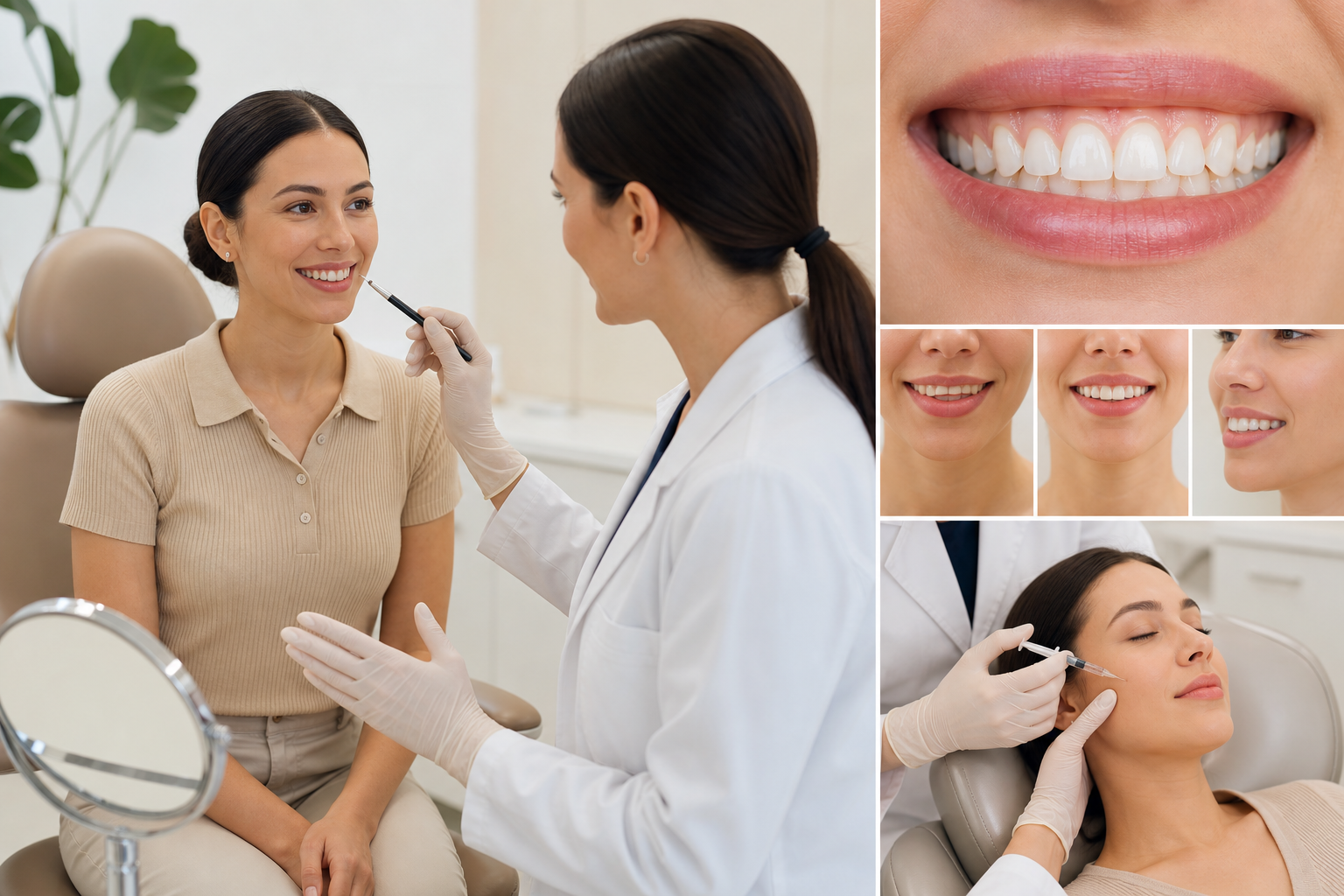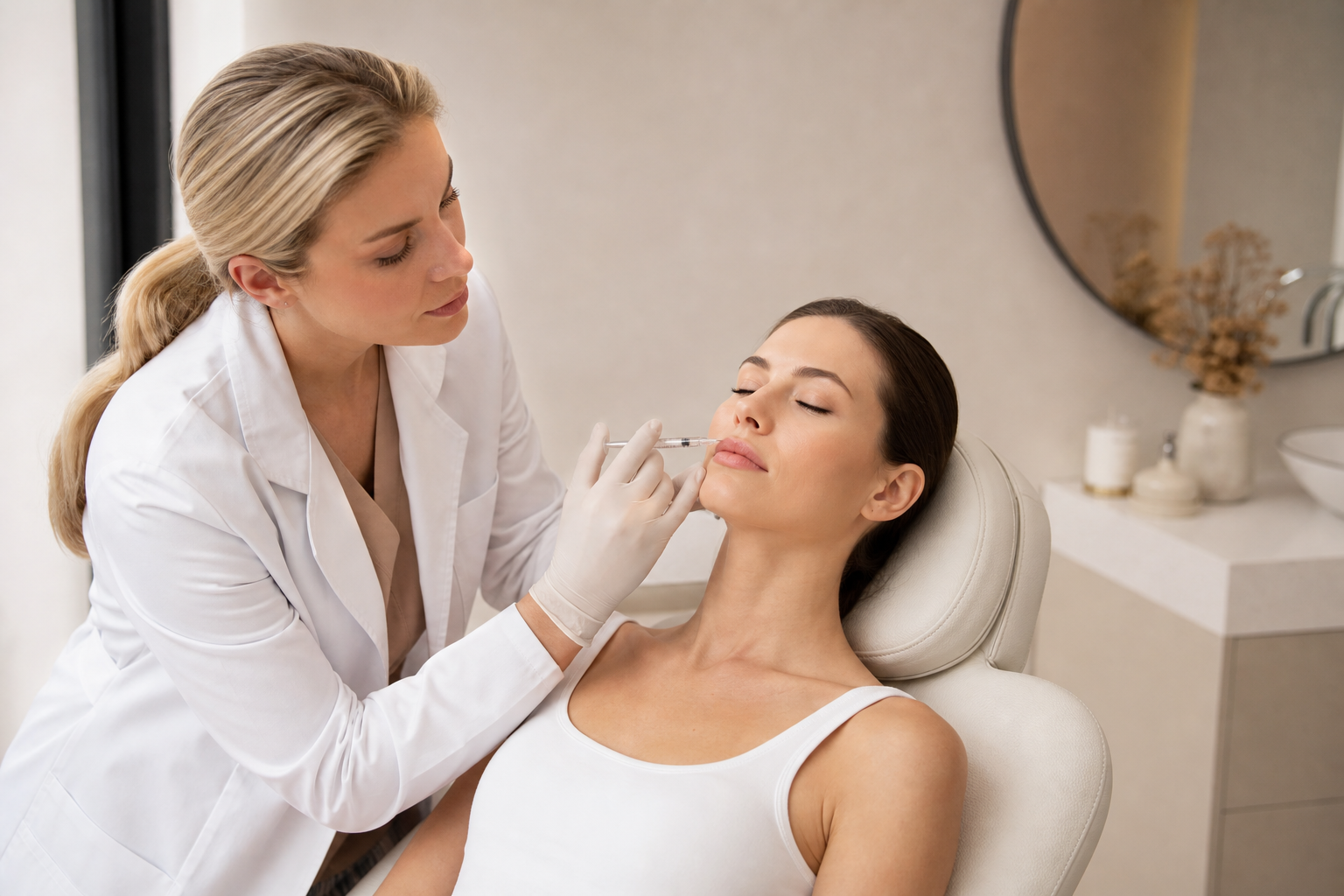
Botox treatments have revolutionized non-surgical facial rejuvenation, offering subtle yet effective enhancements to various regions of the face. Among these, the applications targeting the nose, lips, and smile lines stand out for their complexity and nuance. These treatments demand not only a refined technique but also a deep understanding of facial musculature and expression dynamics. Far from the more commonly recognized uses around the eyes or forehead, Botox in these central and expressive zones focuses on harmonizing facial balance and enhancing natural beauty without overt alteration.
This editorial explores the specialized use of Botox for the nose, lips, and smile lines, illuminating the aesthetic possibilities and practical considerations that characterize these interventions. Individuals seeking gentle corrections — such as elevating a drooping nasal tip during a smile, softening vertical lip lines, or modifying a gummy smile — will find this information particularly relevant. The significance of these treatments lies in their capacity to subtly refine facial expressions, elevate confidence, and preserve naturalistic appearance.
Understanding the precise functional anatomy and potential outcomes is crucial for those considering these treatments. The delicate balance between achieving visible improvements and maintaining spontaneous facial expressions means that informed decision-making and expert medical guidance are essential. This article aims to provide a comprehensive view of Botox use in these specific facial areas, detailing indications, benefits, limitations, and safety considerations essential for prospective patients and aesthetic practitioners alike.
Refining Nasal Contours and Movement Through Botox
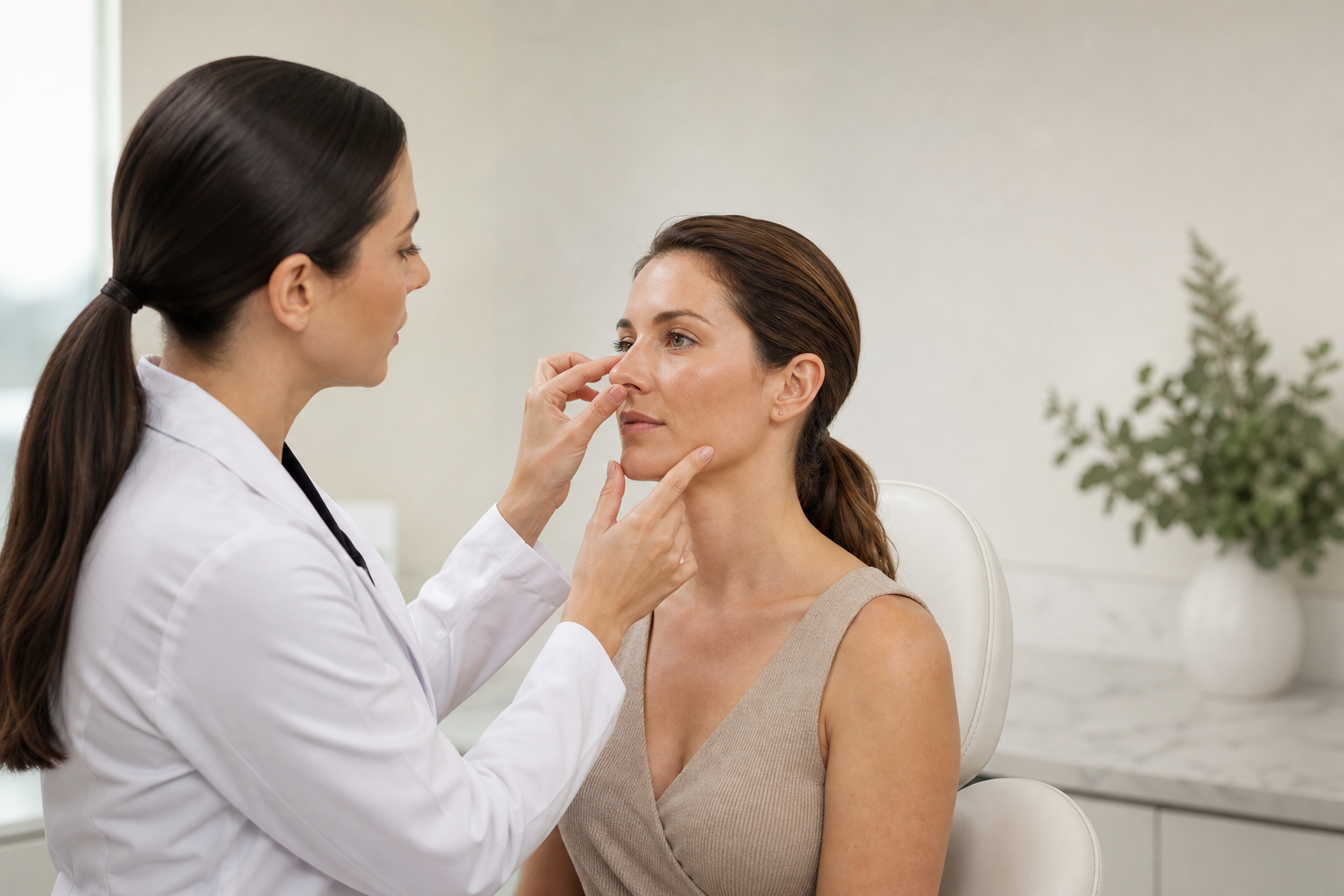
The nose, as a central feature of the face, plays a pivotal role in overall facial harmony. Botox application in this region reflects a sophisticated approach focused on dynamic elements rather than static shape alteration. One prevalent aesthetic indication is addressing the downward pull of the nasal tip during smiling, caused by hyperactivity of particular nasal muscles such as the levator labii superioris alaeque nasi. This muscle's overactivity can create the impression that the nose tip droops or elongates, potentially undermining an otherwise balanced expression.
By precisely injecting Botox to modulate this muscle's function, practitioners can subtly elevate the nasal tip during facial movement. This adjustment enhances the aesthetic appearance by fostering a more refined and youthful nasal contour during animation, without affecting the static shape of the nose. It allows individuals to smile and speak with greater ease and confidence, free from concerns that their nasal appearance changes undesirably with expression.
Additionally, Botox can be employed to smooth vertical lines that sometimes develop on the nasal bridge or tip. These wrinkles, while generally less prominent than those in the forehead or around the eyes, may nonetheless contribute to a fatigued or aged appearance. Botulinum toxin decreases underlying muscle tension, lessening the prominence of such lines and lending a subtly rejuvenated look. However, given the anatomy and function of nasal muscles, careful dosing and placement are essential to preserve normal nasal movement and avoid unnatural stiffness.
Optimizing the Smile: Managing Gummy Smiles and Enhancing Expression
The smile is a powerful social signal, intimately connected to personal identity and emotional expression. Among common aesthetic concerns is the 'gummy smile,' wherein an excessive portion of the upper gums is visible upon smiling. This condition, influenced by muscular hyperactivity, skeletal structure, or dental factors, can make individuals self-conscious and inhibit genuine, uninhibited expression.
Botox provides a minimally invasive option to address the muscular component of a gummy smile by targeting the levator labii superioris muscle primarily responsible for lifting the upper lip excessively. Relaxing this muscle reduces the upward excursion of the lip during smiling, decreasing gum exposure and fostering a more balanced and pleasing smile contour. Importantly, this does not freeze expression but fine-tunes it to achieve aesthetic enhancement while maintaining spontaneity.
The success of this approach hinges on individualized assessment, as variations in anatomy and muscle activity mean that outcomes differ from person to person. Patients should have realistic expectations; Botox can moderate, but not always entirely eliminate, gummy smile presentations. Repeat treatments are typically necessary to maintain effects, which generally last several months. Careful technique and product selection ensure natural results without compromising oral function.
Lip Enhancement via Lip Flip: Subtle Volume and Shape Adjustment
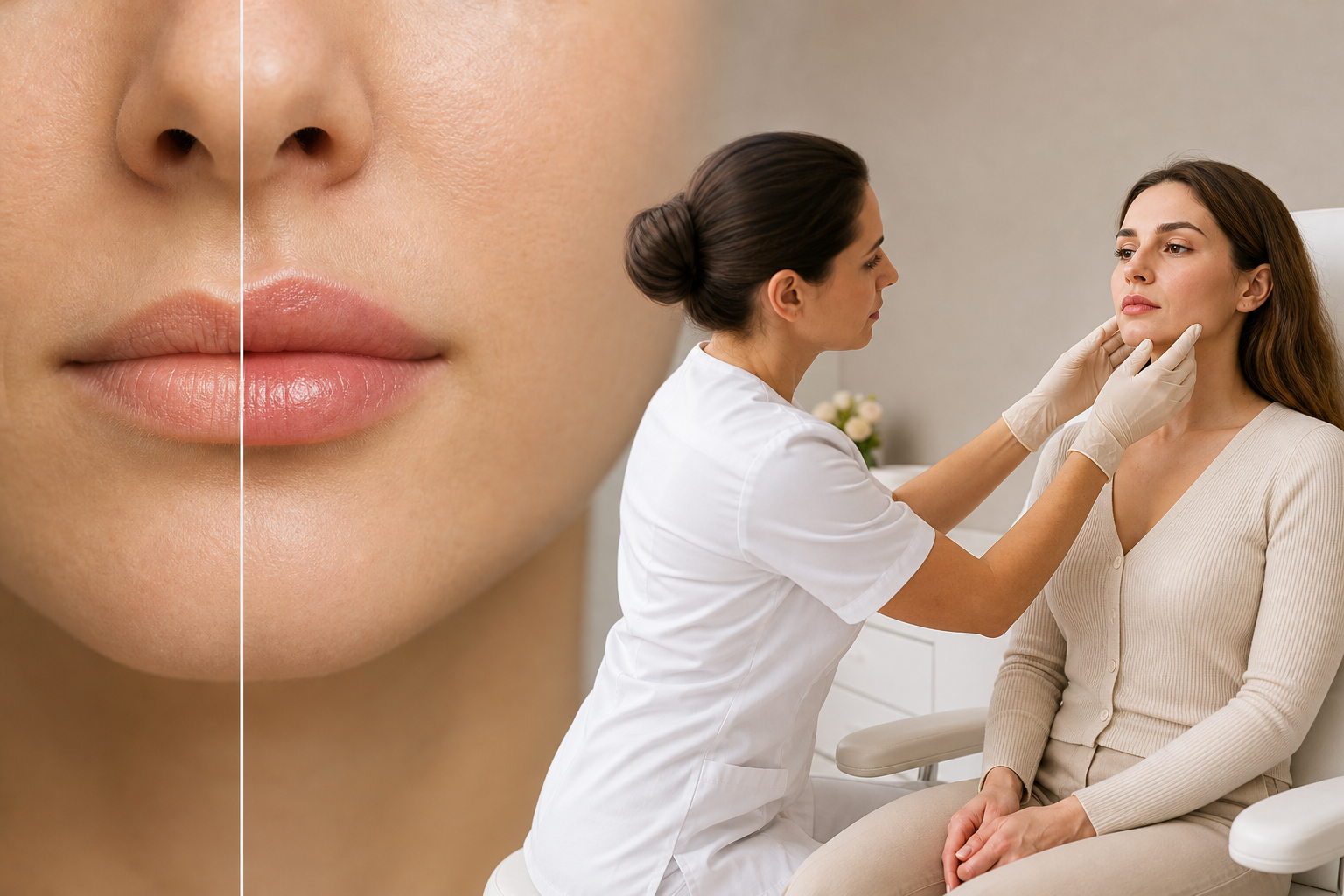
When it comes to lip augmentation, many associate volumizing fillers with dramatic enhancement. However, Botox offers an alternative technique known as the lip flip to achieve subtle, natural-looking augmentation. This approach involves small amounts of Botox injected into the upper lip muscles, particularly the orbicularis oris, to relax the muscles that press the lip inward and downward. By reducing this muscle tension, the upper lip gently rolls outward, creating the illusion of fuller lips without adding actual volume.
The lip flip appeals to individuals desiring a modest increase in lip prominence and improved lip shape without the invasiveness of fillers. It can also soften the appearance of a pronounced gummy smile and improve symmetry. Since this effect is achieved through muscle relaxation, it typically lasts about three months before gradual muscle activity returns to baseline.
This method is best suited for patients seeking natural enhancement or those new to aesthetic treatments wanting to explore options. However, for those requiring significant volume or contour changes, hyaluronic acid fillers remain the preferred choice. Deciding between Botox lip flip and fillers involves carefully evaluating patient goals, lip anatomy, and aesthetic preferences in consultation with a qualified practitioner.
Addressing Vertical Lip Lines: Botox as a Modulator of Dynamic Wrinkles
Vertical lines above the upper lip—sometimes called smokers’ lines or lipstick lines—are among the earliest visible signs of aging on the lower face. They result from repetitive muscle movements, loss of skin elasticity, and collagen degradation. While dermal fillers often play a primary role in filling such lines, Botox can serve as a complementary modality by relaxing the orbicularis oris muscle responsible for pursing and puckering the lips.
By diminishing muscle hyperactivity, Botox reduces the depth and prominence of these dynamic lines, preventing further deepening and smoothing the area over time. The outcome is a rejuvenated upper lip region with fewer creases, enhancing overall lip aesthetics. However, treatment must be approached delicately; excessive relaxation of lip muscles may impair oral competence, affecting speech, eating, or drinking.
Therefore, Botox for vertical lip lines is generally combined with volume restoration techniques and tailored precisely to individual muscular patterns. Patients are advised to seek practitioners experienced in perioral anatomy to ensure functional integrity is preserved while optimizing cosmetic results.
Safety Considerations and Managing Expectations for Peri-Nasal and Perioral Botox Treatments
Though Botox boasts a strong safety profile when administered by trained professionals, its use in the nose, lips, and smile lines demands extra caution. These facial areas are rich in delicate musculature essential for expression and function, meaning misplacement or overcorrection can lead to undesired outcomes such as asymmetry, impaired movement, or altered speech.
It is critical to underscore that Botox formulations vary, and their units are not interchangeable. Selecting the appropriate type and dose, tailored to individual anatomy and treatment goals, requires clinical expertise. Patients should disclose their medical histories, allergies, and prior aesthetic procedures to inform safe practice.
Moreover, any post-treatment symptoms indicating breathing difficulties, dysphagia, or significant swelling necessitate immediate medical evaluation as these may reflect rare but serious adverse effects. Patients must be well-informed about aftercare protocols and the importance of prompt communication with their healthcare provider should concerns arise.
Realistic expectations are fundamental: results typically manifest gradually within days, peak around two weeks, and last from three to six months, after which re-treatment may be desired. Complete elimination of wrinkles or permanent reshaping is unlikely, and treatments are best viewed as maintenance or subtle enhancement rather than transformative procedures.
Tailoring Botox Treatments to Individual Facial Anatomy and Lifestyle
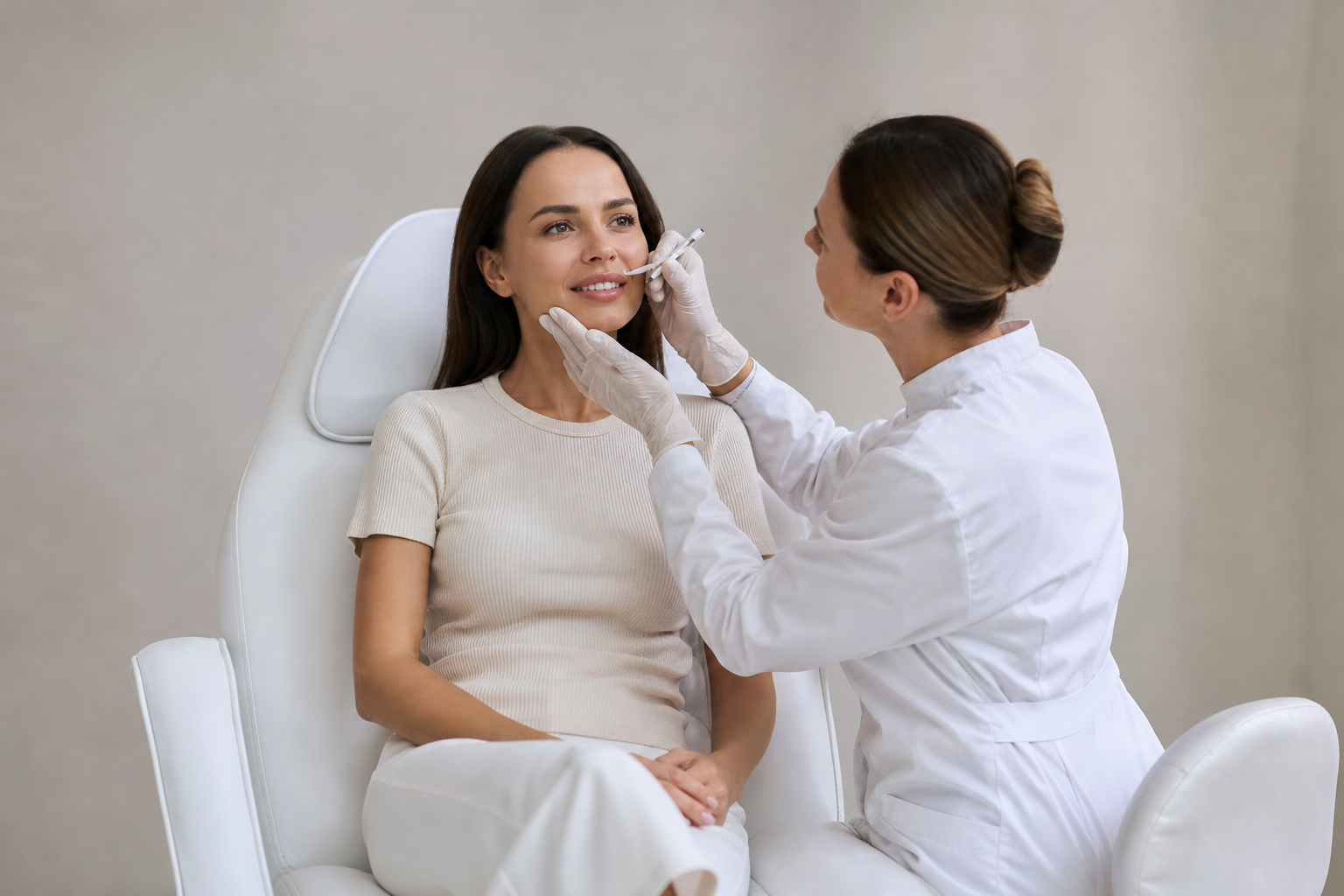
A personalized approach underpins successful Botox treatment outcomes in these highly expressive and sensitive regions. Prior to any intervention, a thorough clinical evaluation is indispensable. This includes analyzing static facial features, dynamic muscle movement during varied expressions, skin quality, and asymmetries. Understanding a patient's unique mimicry provides critical guidance for injection placement and dosage customization.
Patient lifestyle factors such as activity level, occupational use of facial expressions, prior aesthetic treatments, and future goals also influence treatment planning. Some individuals may benefit from combining Botox with complementary procedures, such as hyaluronic acid fillers or skin resurfacing, to achieve multidimensional facial enhancement.
Open dialogue between practitioner and patient enables setting proper goals, discussing potential limitations, and delineating a realistic treatment trajectory. This collaborative process fosters trust and guides tailored interventions, maximizing natural results and patient satisfaction.
Emerging Trends and Integrated Approaches in Botox Applications for Nose, Lips, and Smile Lines
Esthetic medicine continually evolves, with Botox treatments for the nose, lips, and smile lines reflecting broader trends toward minimally invasive procedures prioritizing refined, natural outcomes. Off-label applications are increasingly explored within safe and ethical frameworks, often combined with advanced filler techniques or adjunctive modalities such as laser therapies to optimize overall results.
Current innovation focuses on developing more precise injection devices, tailored protocols that account for ethnic and gender variations in facial anatomy, and longer-lasting formulations reducing treatment frequency. Patient demand is shifting to favor subtle expressiveness preservation alongside wrinkle reduction, which influences practitioner approaches and training emphasis.
Future directions may include integration of digital facial analysis and artificial intelligence to enhance diagnostic accuracy and customize treatment plans dynamically. Such advancements promise to enhance safety, efficacy, and personalization in Botox applications, reinforcing its role as a cornerstone of contemporary facial aesthetics.