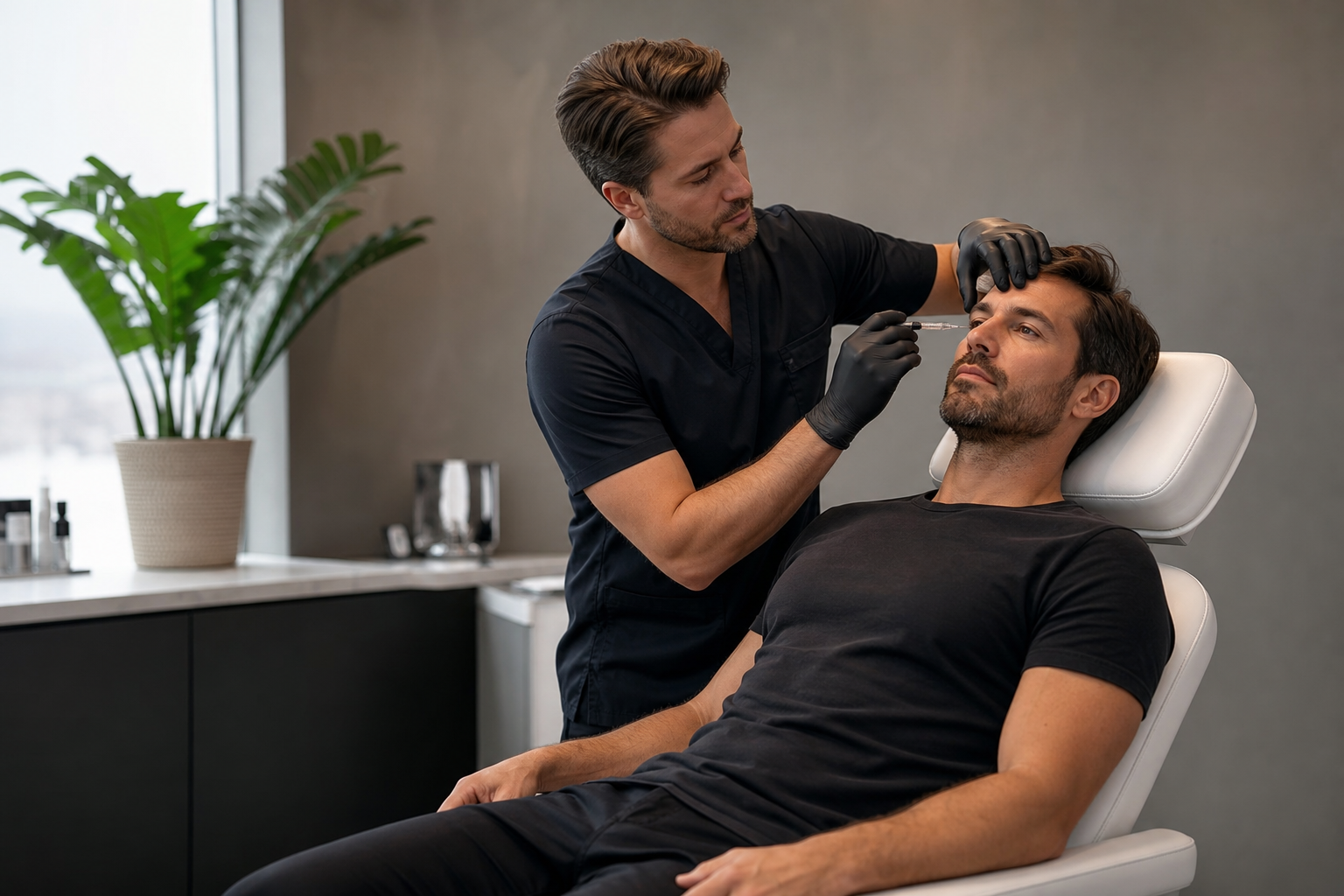
In recent years, the conversation around aesthetic treatments has expanded significantly, breaking traditional gender norms and opening new discussions about personal care and self-confidence. Among these treatments, Botox has emerged as a prominent option not only for women but increasingly for men as well. Botox for men is a specialized area within cosmetic medicine that acknowledges the unique anatomical characteristics, lifestyles, and aesthetic goals of male patients. This tailored approach is essential in ensuring safe, effective, and natural results that enhance masculinity rather than diminish it.
Understanding why personalized treatment matters when applying Botox to men requires diving into the specifics of how this neurotoxin works, how men’s facial structures differ from women’s, and how age-related changes influence treatment strategies. It also involves recognizing realistic expectations, safety considerations, and the importance of expert consultation to create a plan that aligns with each man's personal and physiological profile. This editorial aims to shed light on these facets and emphasize why one-size-fits-all Botox treatments fall short in meeting the needs of men.
For men exploring non-surgical options to reduce wrinkles, improve their facial appearance, and manage age-related changes, Botox offers a minimally invasive solution that, when personalized, respects and highlights distinctive male features. The following sections explore how customization in Botox treatments plays a crucial role in achieving harmonious outcomes that maintain masculinity, balance function with aesthetics, and adapt to men's evolving needs at different life stages.
Distinct Anatomical Factors Shaping Botox Treatments for Men
One cannot overstate the importance of anatomical differences between men and women when considering Botox application. Male facial anatomy presents unique challenges and opportunities for customization. Men’s skin tends to be thicker, richer in collagen, and more vascularized, leading to a slower, differently patterned aging process compared to women. This increased skin thickness can affect how Botox diffuses and how its effects manifest clinically.
Additionally, the musculature beneath men’s skin is usually more robust, especially in the upper face where common injection sites are located. Stronger muscles require precise dosing and placement to relax wrinkles without causing an unnatural loss of expression or 'frozen' appearance. The dynamic movement in men's faces—such as pronounced brow furrowing or more forceful gestures—calls for tailored injection techniques to achieve the ideal balance between efficacy and naturalness.
Beyond muscle strength, the shape and contours of the male face also differ. Typically marked by more angular features including defined jawlines, prominent brows, and stronger brow ridges, the male facial framework demands that Botox treatments be thoughtfully planned to avoid diminishing these hallmark traits. Strategic dosing that enhances rather than softens these features ensures that the outcome supports masculinity and personal identity.
Adapting Botox Strategies Across Male Life Stages
Men’s goals and skin conditions vary substantially over the decades, necessitating age-specific approaches to Botox treatment. In men’s forties, the focus often centers on prevention—staving off the deepening of fine lines and maintaining a lively yet rested appearance. During this stage, lower doses are typically employed to preserve natural facial expressions, with care taken to address the early signs of aging without overt intervention.
As men advance into their fifties, skin elasticity decreases more noticeably and wrinkles tend to deepen, requiring a combination of Botox and complementary therapies such as dermal fillers or skin rejuvenation treatments. Here, the treatment plan becomes more comprehensive and must be adjusted carefully to restore volume lost through aging, soften more prominent lines, and refresh the overall facial aesthetic without compromising masculine definition.
For men in their sixties and beyond, the priority often shifts toward maintaining the results previously achieved and managing skin that is generally thinner and less responsive. Botox can help by relaxing persistent muscle contractions that contribute to deep wrinkles, but the dosage and injection pattern must be modified to accommodate decreased skin resilience. The aim at this stage is subtle rejuvenation that avoids overcorrection and keeps the face lively, expressive, and in harmony with the person's age and physiology.
The Mechanism of Botox and Its Tailored Application for Male Clients
Botox, a purified form of botulinum toxin, works by selectively blocking nerve signals to muscles, thereby reducing their ability to contract. This mechanism effectively smooths wrinkles formed from repeated facial movements, such as frown lines, crow’s feet, and forehead creases. However, the degree and pattern of muscular activity in men’s faces require a bespoke injection plan.
A well-constructed treatment for men considers the stronger contraction forces and variable muscle mass, calibrating the amount and placement of Botox to relax muscles adequately without compromising natural expressions. For example, in men, greater attention is given to preserving brow position to avoid feminizing appearances. Treatments might also target functional concerns unique to men, such as excessive sweating (hyperhidrosis) or shaping jawline contours, illustrating Botox's versatility when adapted skillfully.
Setting Realistic Expectations and Recognizing Limitations of Botox for Men
Though Botox is a powerful tool for wrinkle reduction, it is important for men to understand its capabilities and limitations clearly. Botox does not halt the aging process, nor does it alter skin texture, pigmentation, or volume losses. Its effects are temporary, typically lasting from four to six months, necessitating periodic maintenance for sustained results.
Each individual’s results will vary based on multiple factors including muscle strength, metabolic rate, lifestyle, and genetics. Men should expect moderation rather than drastic transformation, aiming for an appearance that appears refreshed, natural, and congruent with their personality. Overuse or improper treatment can lead to unnatural appearances or side effects like drooping eyelids — risks minimized by personalized planning with experienced providers.
Ensuring Safety Through Expert Consultations and Individualized Planning
Botox injection is a medical procedure that demands expertise, especially in male patients with unique anatomical and physiological considerations. Consulting with a qualified specialist—typically a dermatologist or plastic surgeon experienced in men’s aesthetic treatments—is essential before embarking on any course of Botox.
During consultations, practitioners perform thorough assessments of skin condition, muscle strength, facial symmetry, and medical history to design a treatment plan that meets specific goals. They also discuss possible side effects, aftercare, treatment intervals, and interactions with other therapies or medications, ensuring patient safety and satisfaction.
Special conditions such as neurological disorders or active infections require particular caution, bespoke modifications, or even contraindications to Botox use. Therefore, transparent communication and comprehensive evaluation establish the foundation for successful and safe outcomes tailored to each male patient.
The Role of Botox in Enhancing Modern Masculinity and Confidence
Contemporary perceptions of masculinity increasingly embrace self-care and holistic wellness, including aesthetic treatments like Botox. For many men, investing in their appearance through subtle, natural enhancements contributes significantly to improved self-esteem, work performance, and social interactions.
Personalized Botox treatments allow men to maintain a vigorous and youthful look that aligns with their identities, without compromising authenticity or strength. Such treatments support a proactive attitude toward aging and health, underscoring that caring for one's appearance is a reflection of self-respect rather than vanity.
Ultimately, Botox for men is not solely about external change—it also fosters empowerment, vitality, and a renewed sense of personal wellbeing that resonates far beyond the physical results. As the stigma around men’s aesthetic treatments diminishes, individualized Botox plans stand at the forefront of this transformative movement.
Personalized Botox: A Key to Harmonious and Effective Male Aesthetic Care
The crux of successful Botox treatment for men lies in a tailored approach rooted in deep anatomical understanding, age-appropriate strategies, and clear communication of objectives and limitations. This personalized methodology addresses men’s distinctive skin and muscle structures, respects their desire for natural, masculine results, and adapts to changes over time.
By embracing individual differences and prioritizing expert care, providers can deliver Botox treatments that enhance appearance, preserve expression, and promote confidence without sacrificing safety or authenticity. For men considering Botox, seeking out specialists who recognize and adeptly manage these specific needs ensures a treatment journey marked by satisfaction and enduring benefits.
In the evolving landscape of men’s aesthetic medicine, personalized Botox workflows exemplify how precision, respect for uniqueness, and comprehensive planning converge to redefine what it means to age gracefully and confidently in today’s world.


