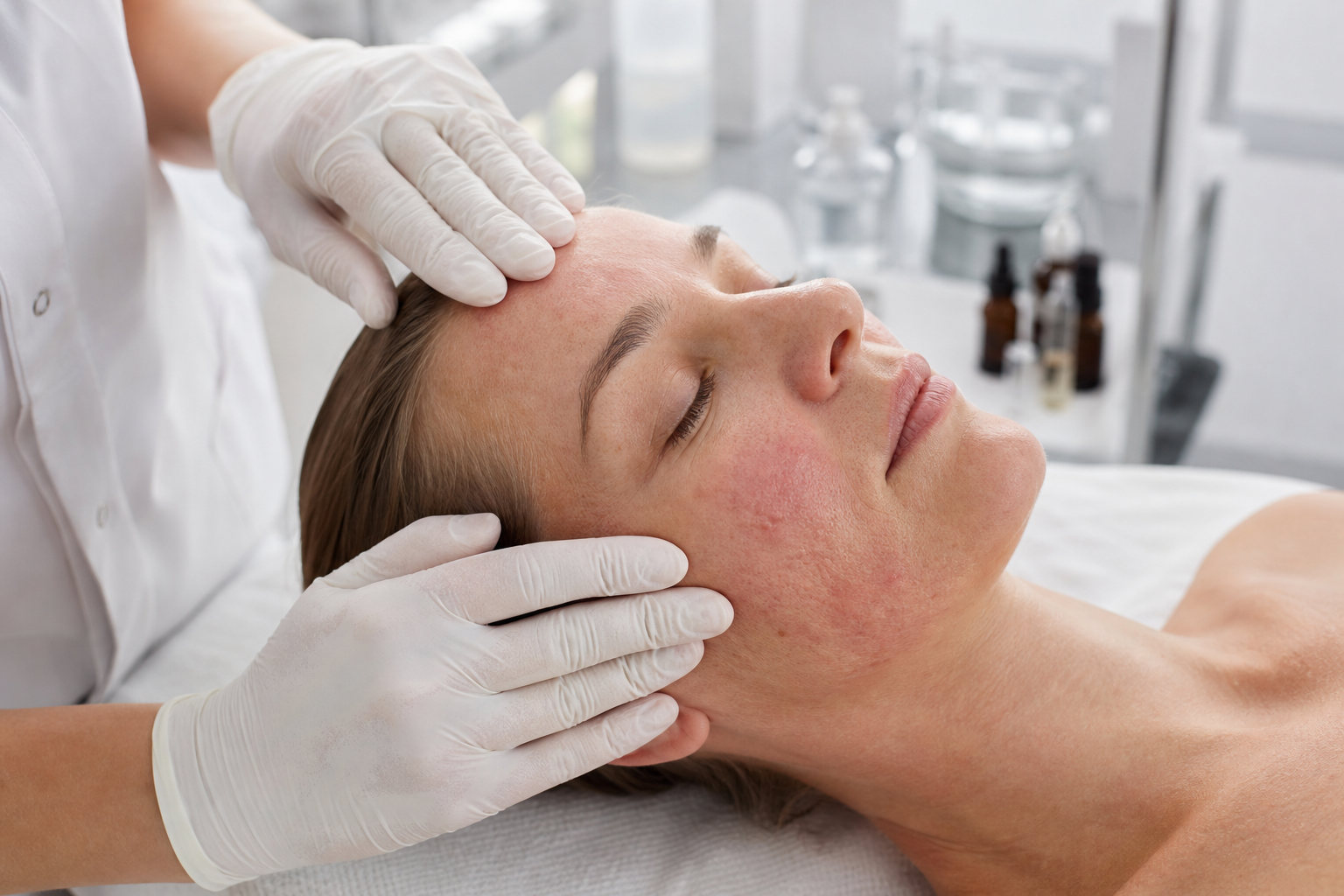
Laser treatments have become increasingly prevalent in dermatology and aesthetic medicine due to their efficacy in enhancing skin quality, addressing pigmentation issues, reducing wrinkles, and promoting facial rejuvenation. Despite their benefits, these procedures are not without risks, and among the most significant complications are burns resulting from laser therapy. Understanding the nature of burns after laser treatment, how they occur, and strategies to mitigate their risk is essential for both prospective patients and practitioners to ensure safety and optimal outcomes.
This article serves as an in-depth exploration of burns following laser interventions, aimed primarily at individuals considering laser-based skin rejuvenation or other aesthetic procedures, as well as healthcare providers performing these treatments. We will examine the physiological roots of laser-induced burns, identify key risk factors, discuss preventive measures, and outline when to seek expert evaluation. By equipping readers with detailed knowledge on these topics, the article supports informed decision-making and underscores the importance of professional care in minimizing adverse effects.
Given the complex interplay of laser parameters, skin types, and treatment contexts, burns after laser procedures represent a multidimensional challenge. This content strives to unravel these layers responsibly while refraining from prescribing medical diagnosis or individualized therapy, instead guiding readers towards broader understanding and safer laser usage.
What Are Burns After Laser Treatment and How Do They Occur?
Laser treatments employ highly concentrated beams of light designed to target specific chromophores within the skin, such as melanin or hemoglobin, to achieve various cosmetic or therapeutic goals. When calibrated correctly, laser energy stimulates desired biological responses like collagen production or selective pigment disruption. However, when laser energy exceeds the skin’s tolerance or is improperly applied, it can cause thermal injury manifesting as burns.
The fundamental mechanism underlying these burns is thermal damage caused by excess heat generated during the laser-skin interaction. As the laser energy is absorbed and transformed into heat, excessive temperature elevation can lead to cellular injury, inflammation, and disruption of the epidermal and dermal structures. This may present immediately or evolve during the recovery period, sometimes compromising aesthetic results.
Several factors influence burn occurrence, including the type of laser used (wavelength, pulse duration, fluence), skin characteristics, treatment parameters, and technique. For example, lasers targeting pigment are absorbed by melanin, so individuals with darker skin tones have higher melanin content leading to greater heat absorption and increased burn risk if parameters are not adjusted properly. Conversely, inappropriate use in lighter skin can also cause damage if energy settings are too aggressive or applied unevenly.
Additional contributors to burn formation include insufficient cooling during treatment, excessive exposure time in a single area, and compromised skin barrier due to preexisting conditions or recent sun exposure. All these can heighten skin sensitivity to laser energy and diminish its ability to dissipate heat effectively.
Which Factors Increase the Risk of Burns After Laser Treatments?
Reducing the risk of burns requires comprehensive understanding of both patient-specific and procedural risk factors. These factors must be carefully evaluated before proceeding with any laser intervention.
Patient-Related Factors:
Skin Phototype and Pigmentation: Fitzpatrick skin types IV, V, and VI, characterized by darker skin tones, possess higher melanin levels which absorb more laser energy. Without parameter adjustments, this absorption may cause unintended thermal damage. Furthermore, individuals with uneven pigmentation or certain pigmentary disorders may also experience increased sensitivity.
Recent or Chronic Skin Damage: History of sunburns, chronic sun exposure, or existing scars can compromise skin integrity and increase vulnerability to burns. Similarly, active skin infections, inflammation, or dermatitis are contraindications that elevate risk.
Medication and Topical Agents: Use of photosensitizing medications such as retinoids, tetracycline antibiotics, or nonsteroidal anti-inflammatory drugs can enhance skin reactivity to light and heat, potentiating burn risk.
Recent UV Exposure: Skin recently exposed to sunlight or tanning beds becomes more susceptible to laser injury. Adequate sun avoidance before treatment is essential to lower this risk.
Treatment and Practitioner-Related Factors:
Laser Parameters and Device Selection: Improper selection of laser wavelength, fluence, pulse duration, or spot size according to the patient’s skin characteristics can precipitate burns. Equally, use of uncertified, outdated, or malfunctioning devices compromises treatment safety.
Technique and Execution: Inadequate movement of the laser handpiece, prolonged exposure to one area, or lack of uniform application contribute to localized overheating and tissue injury.
Insufficient Cooling and Skin Preparation: Absence or improper use of cooling methods such as chilled gels, air cooling, or contact cooling during treatment diminishes the skin’s capacity to handle thermal load. Moreover, incomplete skin cleansing can result in uneven laser absorption.
Professional Expertise: Practitioners lacking comprehensive training and certification in laser technology and dermatologic indications may fail to recognize contraindications or adjust protocols to individual needs, increasing the likelihood of complications like burns.
How Can Burns Be Prevented During Laser Procedures?
Preventing burns is central to safe laser therapy and depends on multiple proactive strategies. First and foremost is thorough patient evaluation, which includes detailed medical history review, assessment of skin type and condition, medication screening, and current skin status. This enables clinicians to tailor treatment parameters fitting each individual.
Choosing the right laser device and settings is equally crucial. For example, devices with adjustable fluence and pulse duration allow fine-tuning to minimize unnecessary energy delivery. Caution with higher Fitzpatrick skin types involves using lower fluences and longer pulse durations to gently apply energy without overheating.
Implementation of effective skin cooling measures during and after procedures significantly mitigates heat accumulation. Contact cooling, cryogen spray, or cold air systems are common adjuncts that help preserve epidermal integrity.
Strict adherence to clinical protocols is imperative. This includes avoiding treatment on inflamed or recently sun-exposed skin, applying uniform passes, and monitoring patient feedback in real-time to adjust accordingly. Furthermore, practitioners should ensure laser equipment maintenance and calibration to uphold consistent performance.
Patient education also forms a keystone of prevention. Informing patients about pre- and post-treatment care, including sun avoidance, gentle skincare routines, and symptom monitoring, can reduce incidence of burns and promote recovery.
When Should One Seek Professional Assessment for Suspected Laser Burns?
While transient skin redness and mild irritation are common and self-limited after many laser treatments, certain signs warrant urgent evaluation by a dermatologist or laser medicine specialist. Patients should be vigilant for increasing or persistent pain, blistering, swelling, spreading redness, discharge suggestive of infection, or if systemic symptoms like fever develop.
Early professional assessment helps differentiate simple post-treatment erythema from evolving complications that may require intervention. Prompt treatment can limit scar formation, pigmentary changes, and further tissue damage.
Patients observing delayed healing beyond expected recovery time, or those experiencing worsening pigmentation abnormalities after laser therapy, should also consult a specialist to address these sequelae appropriately.
What Can Patients Expect During Recovery if Burns Occur After Laser Treatment?
Recovery from mild laser-induced burns often involves an initial period of redness, slight swelling, and potential peeling that resolves within days to a week with proper care. Patients are typically advised to keep the skin moisturized, avoid sun exposure or use high-SPF broad-spectrum sunscreens, and refrain from harsh skin products that may exacerbate irritation.
More pronounced burns may require topical treatments prescribed by healthcare providers, such as corticosteroids, antibiotics (in case of infection), or other specialized wound care products. Close monitoring in these instances is critical to ensure appropriate healing and to minimize long-term cosmetic consequences.
It is important for patients not to initiate treatments on their own, especially in moderate to severe cases. Professional guidance ensures safe management and helps mitigate possible complications like hypertrophic scarring or pigment alteration.
Who Is an Ideal Candidate for Laser Therapy Considering Burn Risks?
Not every individual is an appropriate candidate for all laser treatments, primarily due to variations in skin type, medical history, and current skin condition. Candidates should undergo a meticulous consultation where contraindications are identified, including active skin infections, uncontrolled systemic diseases, photosensitizing drug regimens, or recent sunburns.
Patients with darker skin phototypes require lasers specifically suited and customized to minimize burn risks, such as longer wavelength devices designed for deeper penetration with reduced epidermal absorption. It is essential to set realistic expectations about potential outcomes and acknowledge inherent risks despite precautions.
Healthcare providers often reference comprehensive resources like Laser Treatment Safety – Contraindications, Risks and Practitioner Selection and Who Is Not a Candidate for Laser Skin Treatment? to navigate patient candidacy systematically.
How Does Understanding Burn Risks Enhance the Safety of Laser Skin Rejuvenation?
Awareness of how burns develop and recognition of associated risk factors equip both patients and clinicians to implement safety-first approaches in laser skin rejuvenation. This preventive mindset supports informed consent, improved treatment planning, and attentive procedural conduct, all contributing to enhanced safety profiles.
The integration of knowledge on risk factors, combined with ongoing professional education and technological advancements, can significantly reduce adverse events. Furthermore, patients empowered through education are more likely to adhere to pre- and post-treatment instructions, further safeguarding their recovery.
Additional literature such as Laser Skin Rejuvenation – A Complete Guide to Treatments, Results and Recovery, Is Laser Skin Rejuvenation Safe?, and Possible Complications of Facial Laser Treatment deepen understanding of treatment execution and risk management strategies.


