Laser skin rejuvenation represents a sophisticated, non-invasive approach designed to enhance the overall quality and appearance of the skin. It achieves this by stimulating the skin’s natural regenerative processes, including collagen production, which diminishes over time due to aging, environmental factors, and exposure to ultraviolet radiation. This form of treatment is relevant not only to those seeking to restore a youthful glow but also to individuals looking to address a range of cosmetic concerns such as fine lines, textural irregularities, pigment variation, and certain types of scarring. Understanding the wide array of laser technologies, their mechanisms, suitable candidates, expected results, and recovery profiles is essential for making informed decisions on treatment options.
Laser skin rejuvenation holds significance beyond mere aesthetics; it reflects an increasing emphasis on skin health and vitality. With the natural decline in skin elasticity and brightness associated with aging, the demand for effective, minimally invasive treatments has grown dramatically. Modern laser techniques allow for targeted stimulation of key dermal components, minimizing downtime and reducing risks while fostering long-lasting improvements. This comprehensive guide seeks to elucidate the distinctions among various laser modalities, their benefits, precautionary measures, and how they compare to other prevalent dermatological therapies.
Whether you are a first-time patient exploring rejuvenation methods or a seasoned individual seeking to expand your knowledge, this article will serve as a central resource, consolidating critical information on laser skin rejuvenation treatments, procedural nuances, and anticipated outcomes.
What Constitutes Laser Skin Rejuvenation and How Do Different Laser Technologies Operate?
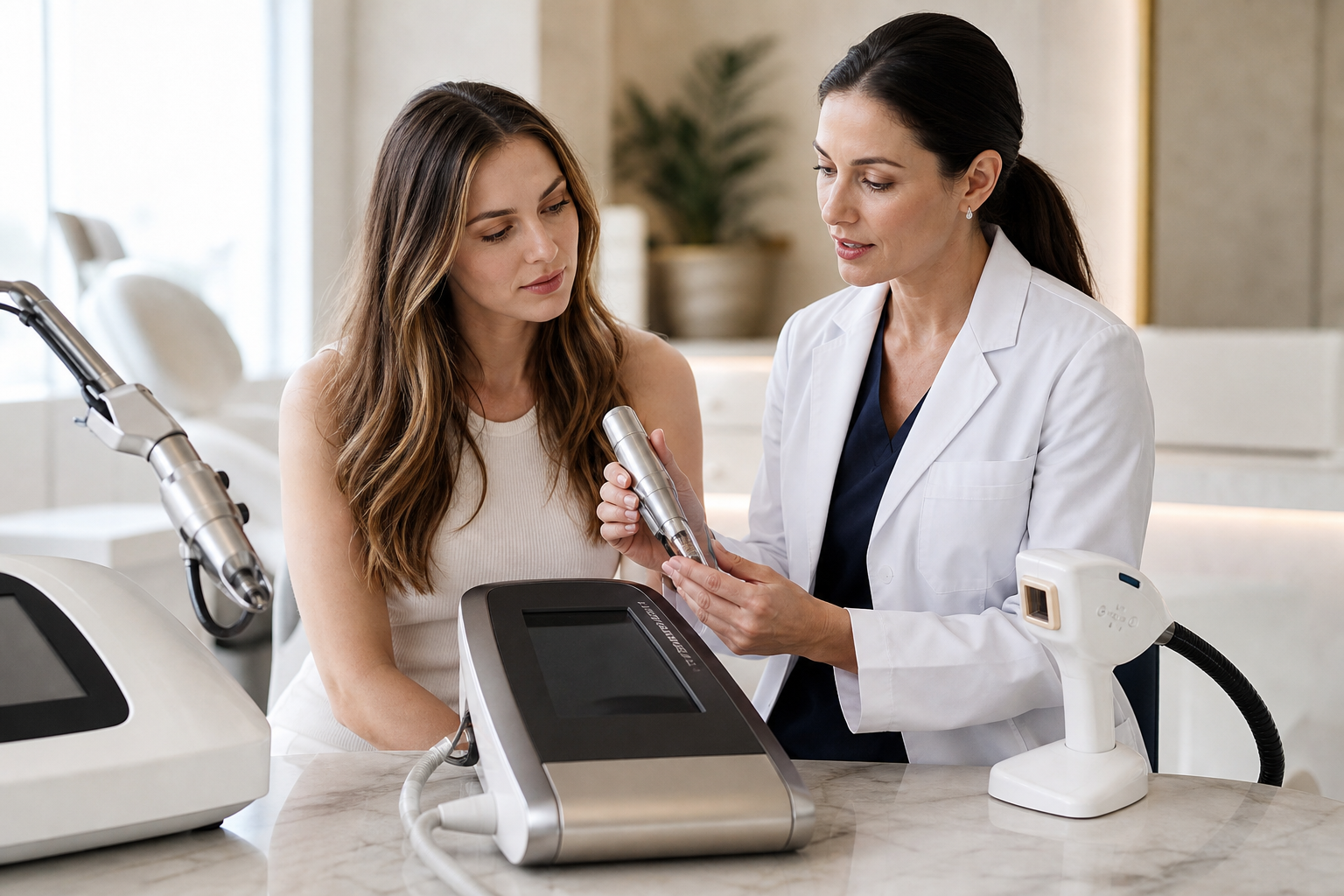
Laser skin rejuvenation leverages concentrated beams of light energy to precisely target layers of the skin. The fundamental aim is to encourage the synthesis of collagen and elastin—proteins pivotal for maintaining skin firmness and elasticity. The diversity in laser technology is defined by variations in wavelength, energy delivery, depth of penetration, and interaction with skin tissue.
Lasers used in skin rejuvenation broadly fall into two principal categories: ablative and non-ablative. Ablative lasers physically remove the outermost skin layers, prompting a regeneration cycle that results in fresher, smoother skin. This method tends to offer pronounced improvements but involves greater downtime and recovery. In contrast, non-ablative lasers avoid disrupting the skin's surface, instead penetrating deeper layers to stimulate collagen production gradually, with minimal disruption to daily life.
Further granularity exists within these categories, distinguishing fractional from fully ablative treatments. Fractional lasers create microscopic treatment zones interspersed with untreated skin, facilitating faster healing and reducing risks while still delivering effective cellular renewal. Fully ablative lasers treat the entire skin surface in the targeted area, which can yield substantial results but require more extensive recovery periods.
An important clarification is the distinction between laser treatments and Intense Pulsed Light (IPL) therapy. IPL uses a broad spectrum of light wavelengths rather than a single wavelength laser, exposing the skin to pulses of light for conditions like pigmentation irregularities and vascular lesions. Its mechanism lacks the specificity and penetration depth characteristic of laser therapies, resulting in different applications and efficacy profiles.
Which Skin Concerns Can Laser Skin Rejuvenation Address Effectively?
Laser skin rejuvenation caters to a diverse range of dermatological issues, particularly those related to aging and photodamage. Its application is well-suited for individuals experiencing early to moderate signs of skin aging or those seeking enhancement of overall skin texture and tone.
Among the common concerns addressed are subtle irregularities in skin texture and the softening of fine lines. Laser treatments promote skin tightening and smoothing through collagen remodeling, effecting a gradual reduction in the appearance of superficial wrinkles.
Uneven pigmentation, including sun spots, melasma, and post-inflammatory discoloration, can also see noticeable improvement. Targeting melanin specifically, laser energy can help disperse pigment concentrations, contributing to a more uniform complexion.
Scar management, especially for acne-related or minor traumatic scars, benefits from fractionated ablative lasers that promote dermal restructuring and surface renewal, helping minimize scar visibility without extensive surgical intervention.
Additionally, rough or dull skin texture may be refined by these treatments, restoring radiance and softness.
It is paramount to recognize that laser rejuvenation improves the appearance of these conditions rather than promising total removal or eradication. Results manifest as enhancements in clarity, smoothness, and skin harmony.
What Preparation is Necessary Before Undergoing Laser Skin Rejuvenation and What Does the Recovery Process Entail?
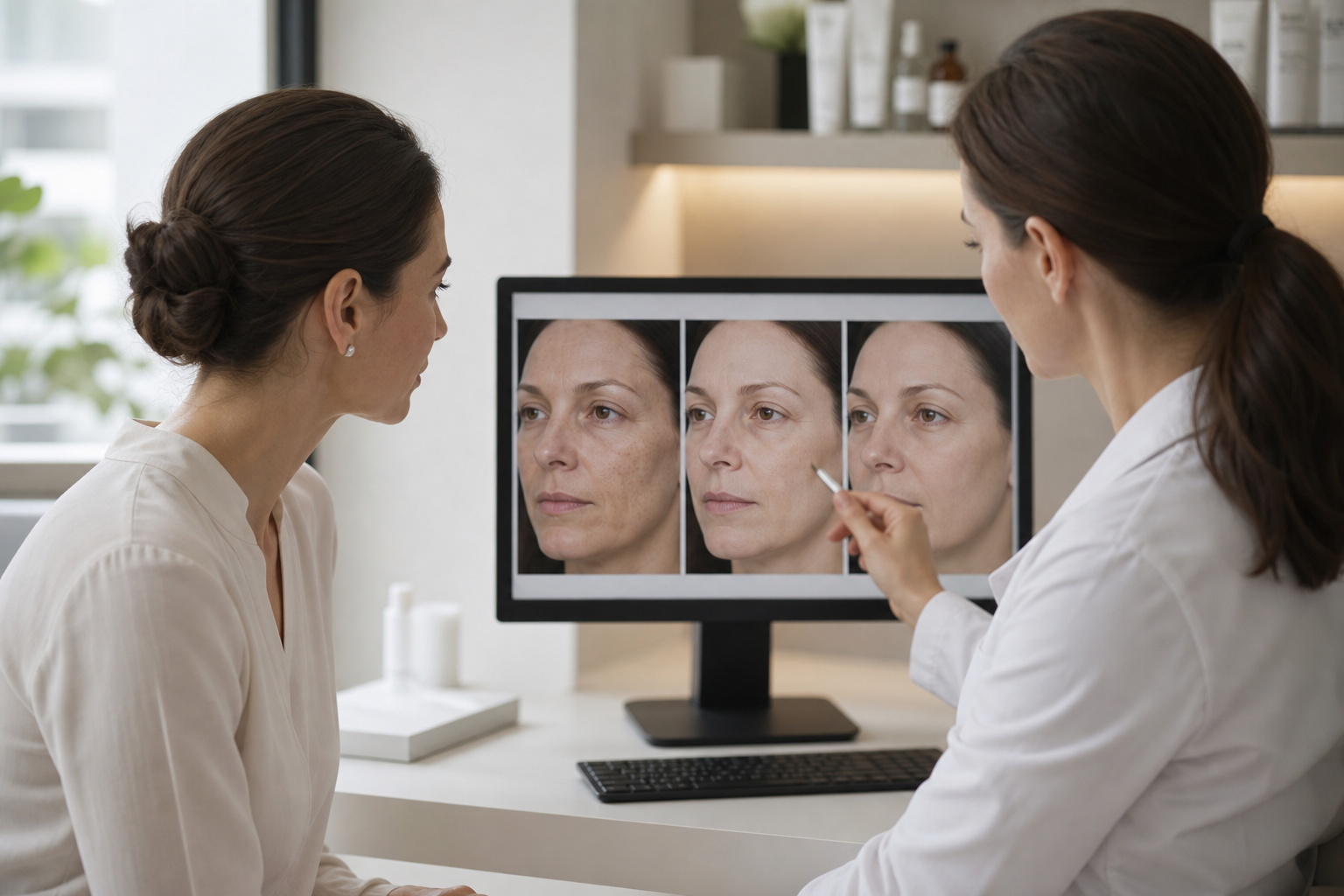
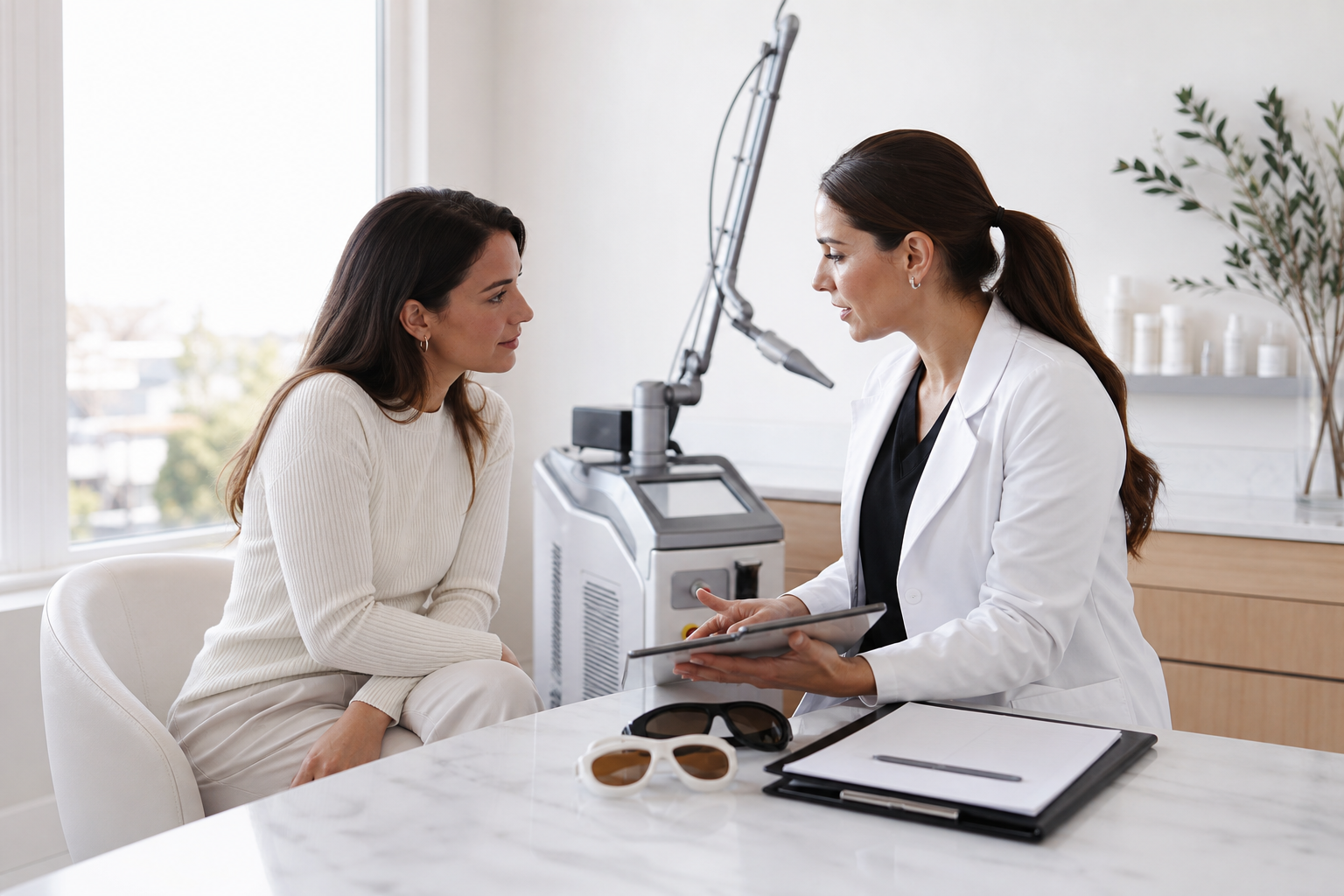
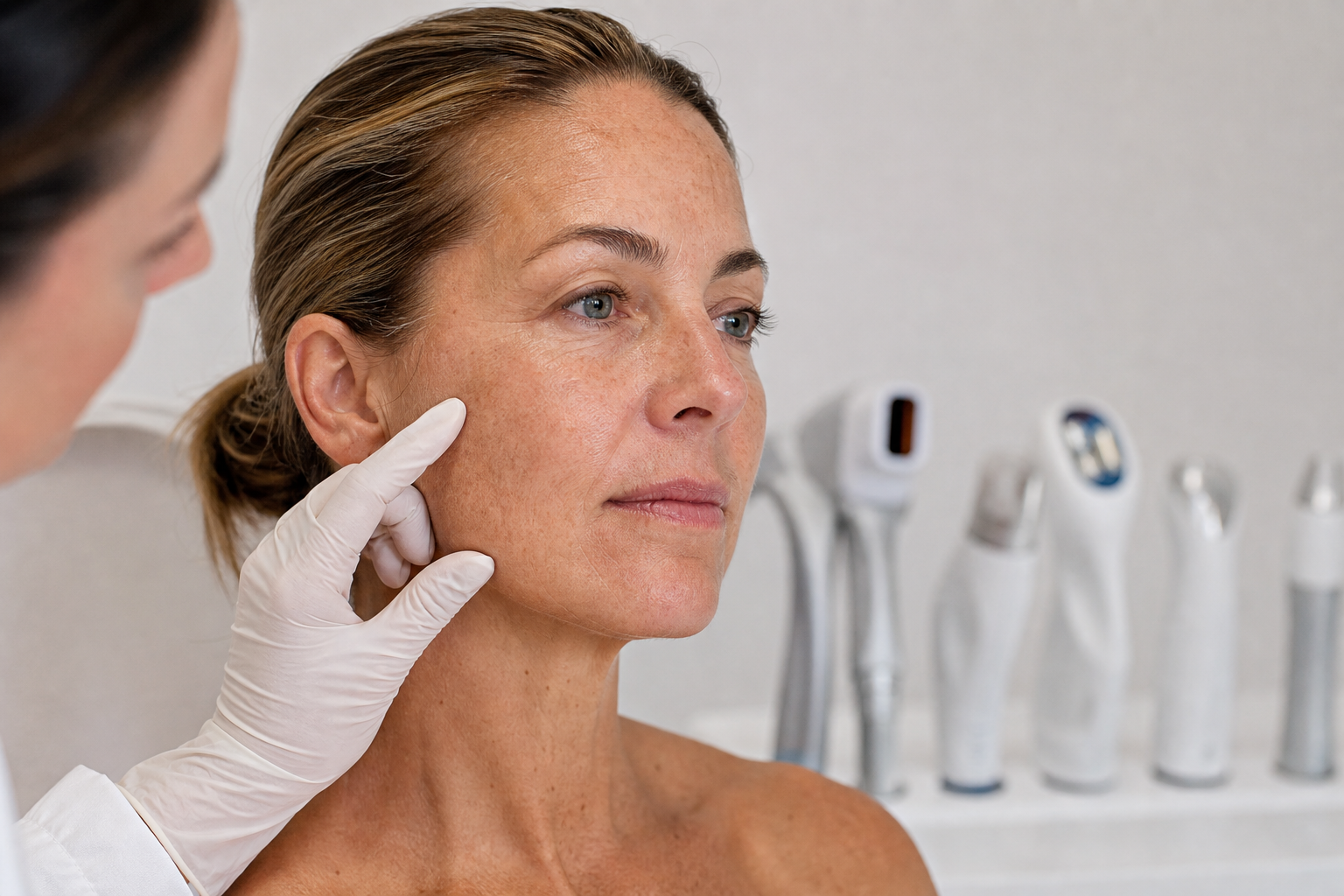
Proper pre-treatment preparation is integral to optimizing outcomes and minimizing procedural risks. A thorough evaluation by a qualified specialist will determine the suitability of laser rejuvenation based on skin type, underlying conditions, and specific aesthetic goals.
Patients are generally advised to avoid excessive sun exposure for several weeks prior to treatment and to refrain from using topical agents that increase photosensitivity, such as retinoids or certain acids. Any history of skin infections or chronic dermatological issues should be communicated to the practitioner.
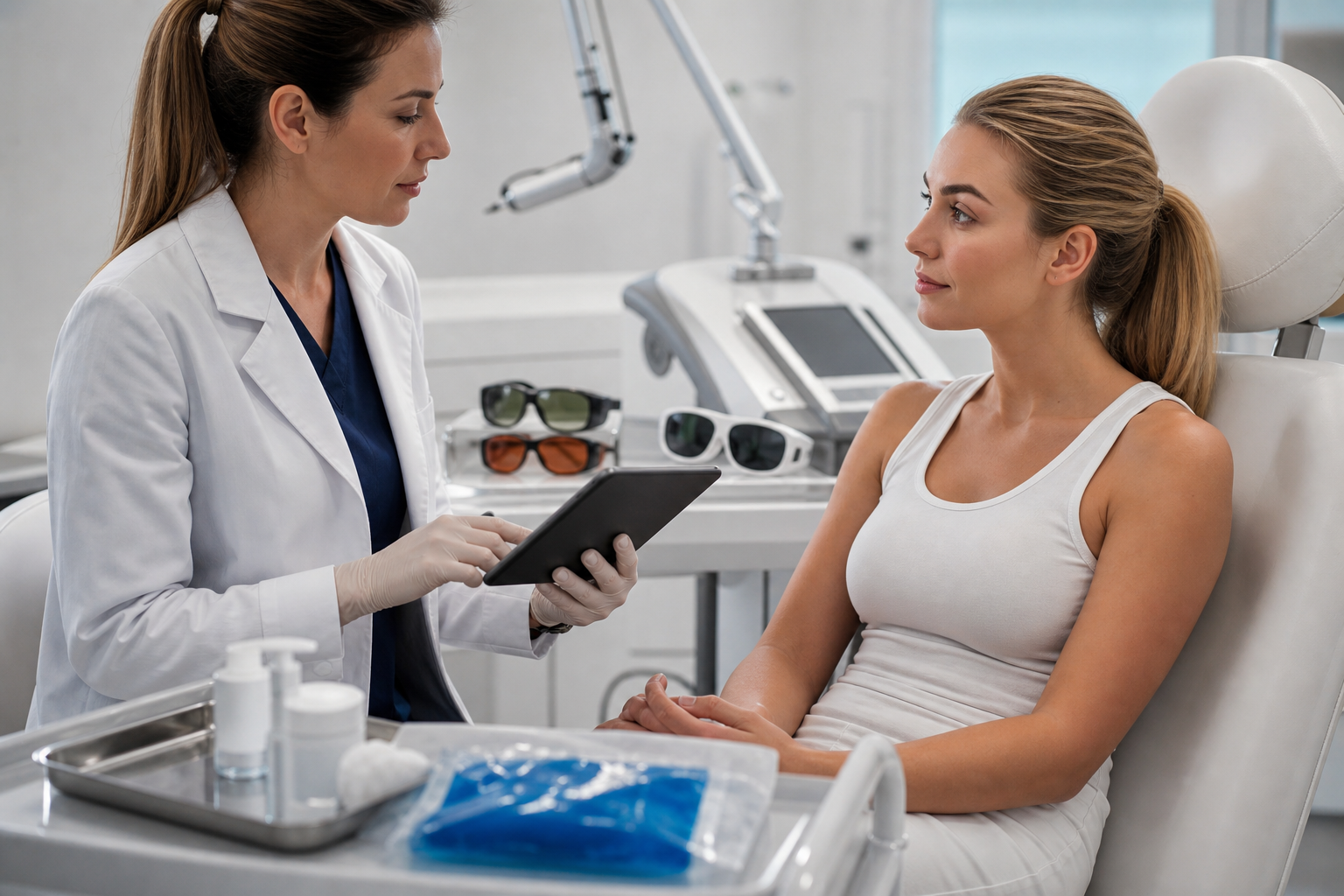
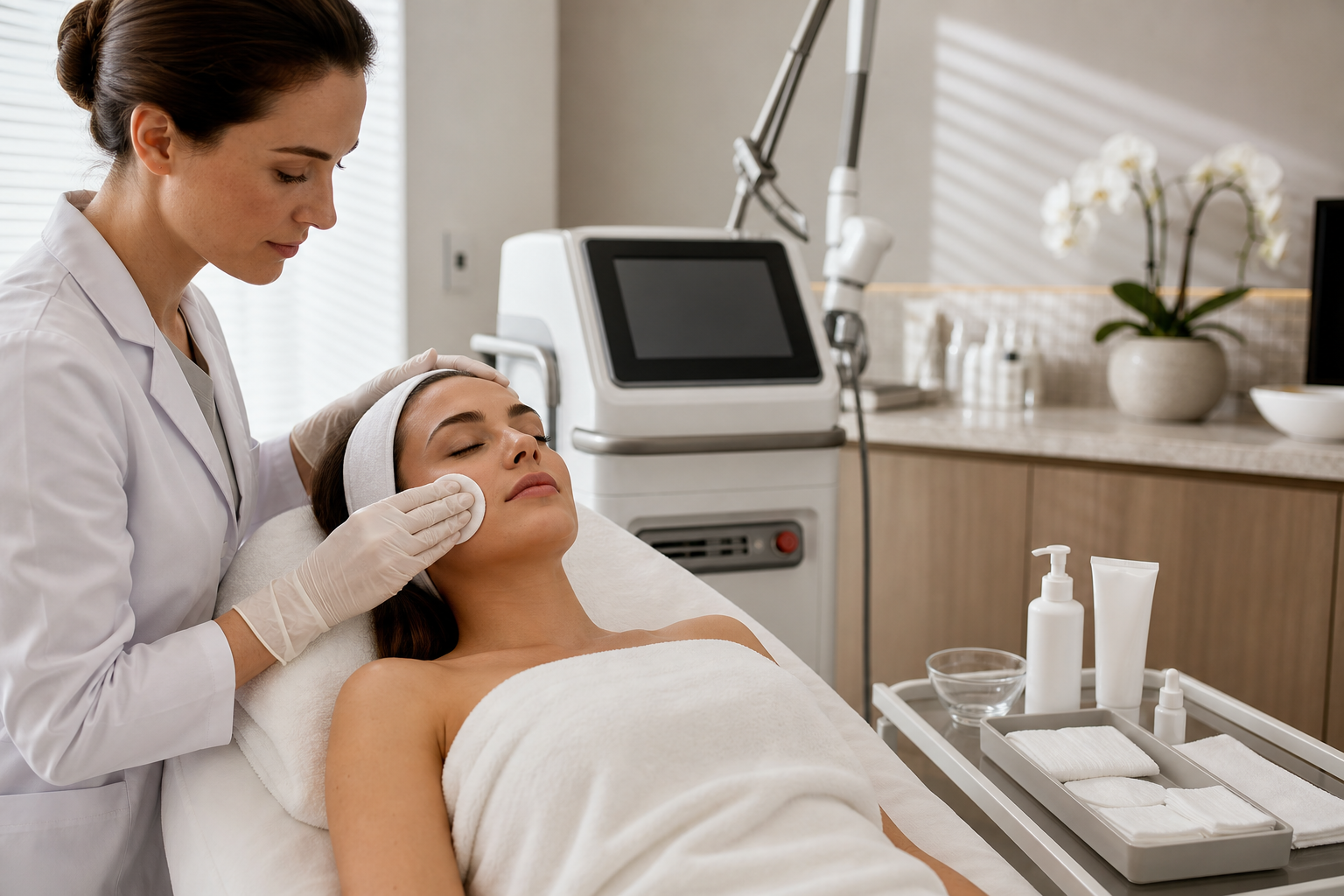
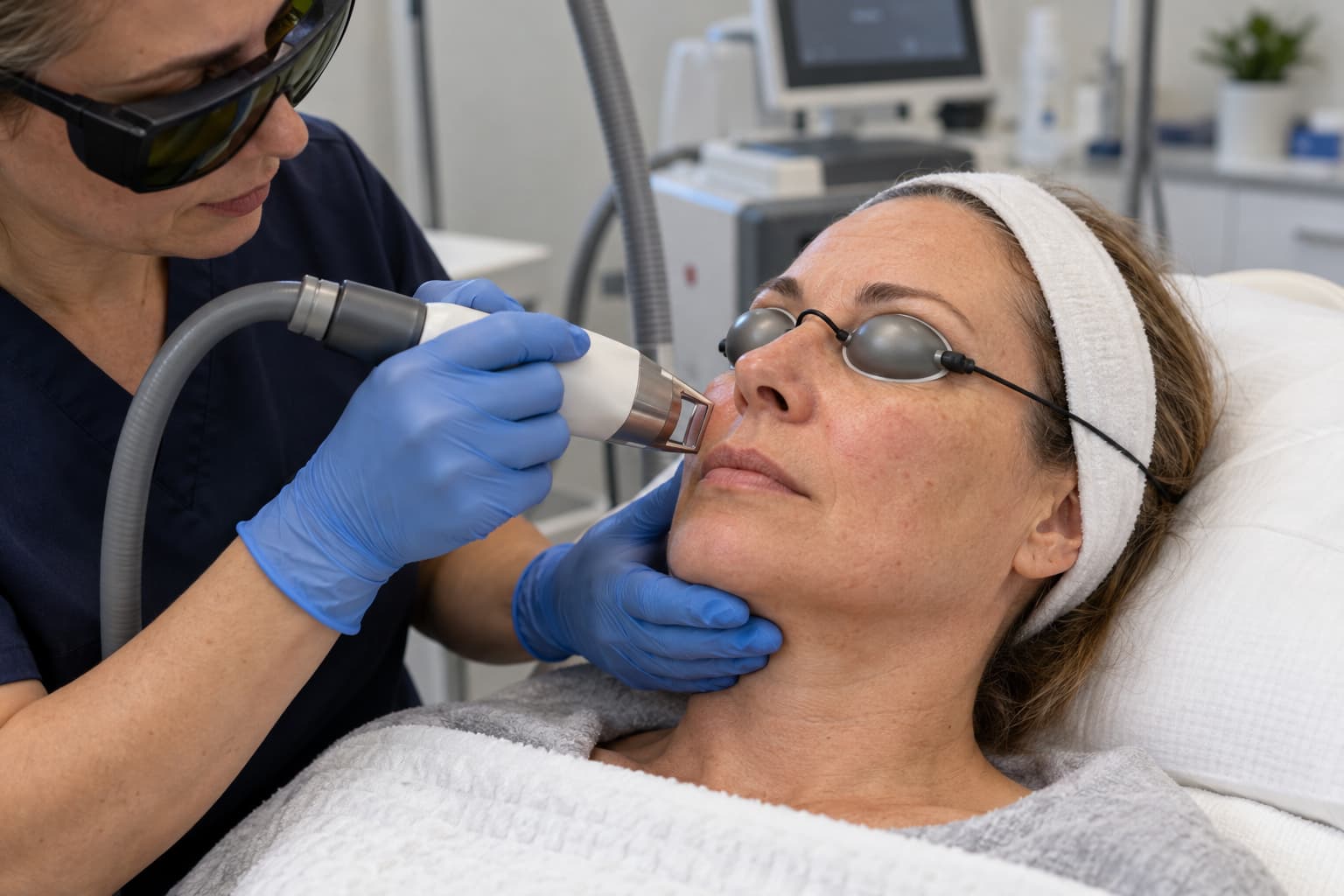
During the session itself, the area to be treated may be cleansed and cooled. Depending on the laser type and treatment intensity, topical anesthetics or cooling devices may be applied to mitigate discomfort.
Recovery duration varies significantly depending on the treatment modality. Non-ablative lasers typically allow a swift return to usual activities, possibly within a day. Conversely, ablative and fractional ablative procedures usually involve redness, swelling, and exfoliation lasting several days to a week, necessitating diligent aftercare.
Post-treatment skin requires gentle cleansing, application of soothing and hydrating agents, and vigilant sun protection to avoid complications or pigmentary alterations during healing.
What Are the Potential Risks and Contraindications Associated with Laser Skin Rejuvenation?
While laser skin rejuvenation is generally safe when conducted by experienced professionals, certain risks and contraindications warrant cautious consideration. Active skin infections or inflammations in the treatment area are absolute contraindications.
Individuals prone to abnormal pigmentary responses, such as hyperpigmentation or hypopigmentation, particularly those with darker skin types, require careful assessment to select appropriate protocols.
Use of photosensitizing medications or topical agents and underlying autoimmune conditions impacting skin repair mechanisms may preclude laser treatments or demand tailored approaches.
Reported adverse events can include temporary redness, swelling, blistering, pigmentation irregularities, scarring, or herpes simplex reactivation. Comprehensive pre-treatment counseling and adherence to recommended aftercare significantly mitigate these risks.
How Does Laser Skin Rejuvenation Compare to Other Aesthetic Skin Treatments?
Laser rejuvenation occupies a distinct niche among aesthetic dermatology treatments. Unlike radiofrequency (RF) or RF microneedling, which utilize heat to induce dermal collagen remodeling without light-based energy, lasers deliver photons that are precisely absorbed by targeted chromophores for specific biological effects.
Microneedling mechanically creates microchannels to promote healing and collagen synthesis but does not use energy-based thermal stimulation intrinsic to laser methods.
Botulinum toxin and dermal fillers primarily address dynamic wrinkles and volume loss, which differ from the texture and pigment-focused improvements driven by laser rejuvenation.
Chemical peels exfoliate the skin chemically, removing superficial layers and promoting renewal, whereas lasers can penetrate deeper with variable settings, enabling more controlled and customizable resurfacing.
A clear understanding of these distinctions supports selecting the most suitable modality aligned with patient goals and skin characteristics.
How Should One Select the Most Appropriate Laser Treatment and Clinic for Skin Rejuvenation?
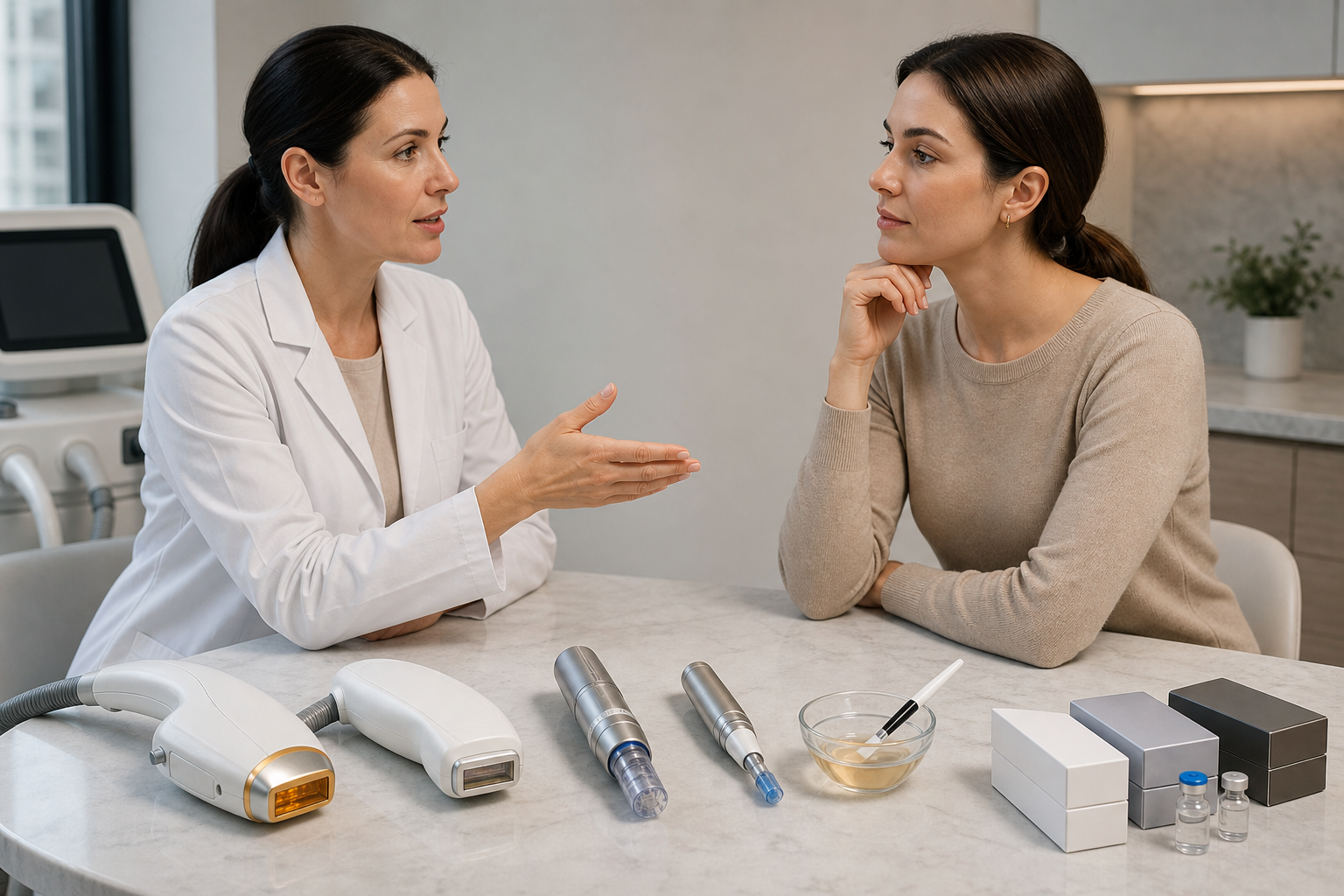
Choosing an individualized treatment plan is essential and should be guided by a detailed consultation with a board-certified dermatologist or experienced laser specialist. Factors such as skin type, degree of photodamage, presence of scars or pigmentation issues, and patient lifestyle dictate the choice of laser technology and treatment intensity.
Equally important is the selection of a clinic with reputable credentials, up-to-date equipment, and demonstrable expertise in laser procedures. Transparency regarding realistic outcome expectations, potential side effects, and post-treatment protocols should be integral to the initial patient-provider discussions.
Prospective patients are encouraged to inquire about the number of sessions recommended, recovery times, maintenance strategies, and to consider patient testimonials and clinical qualifications during decision-making.