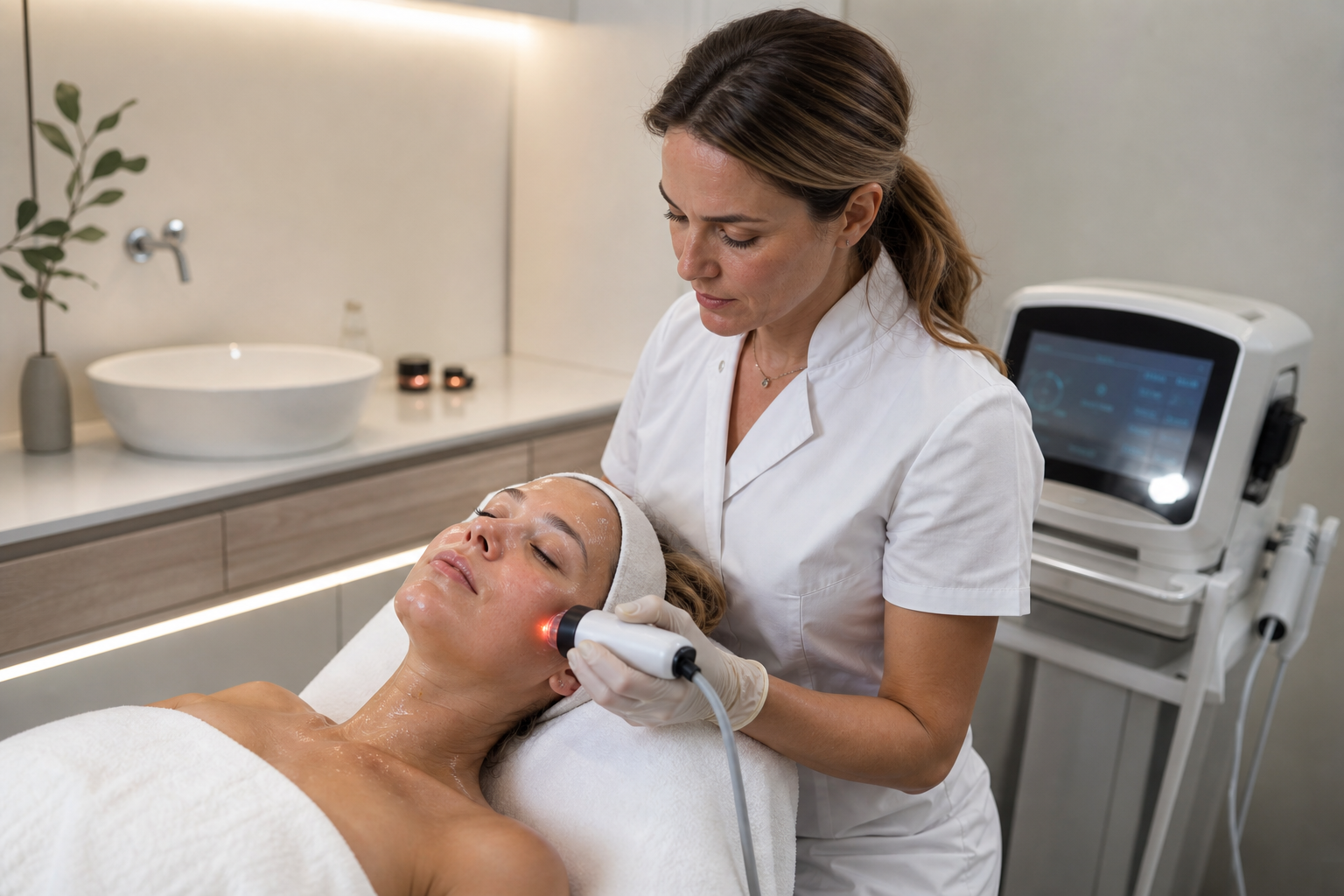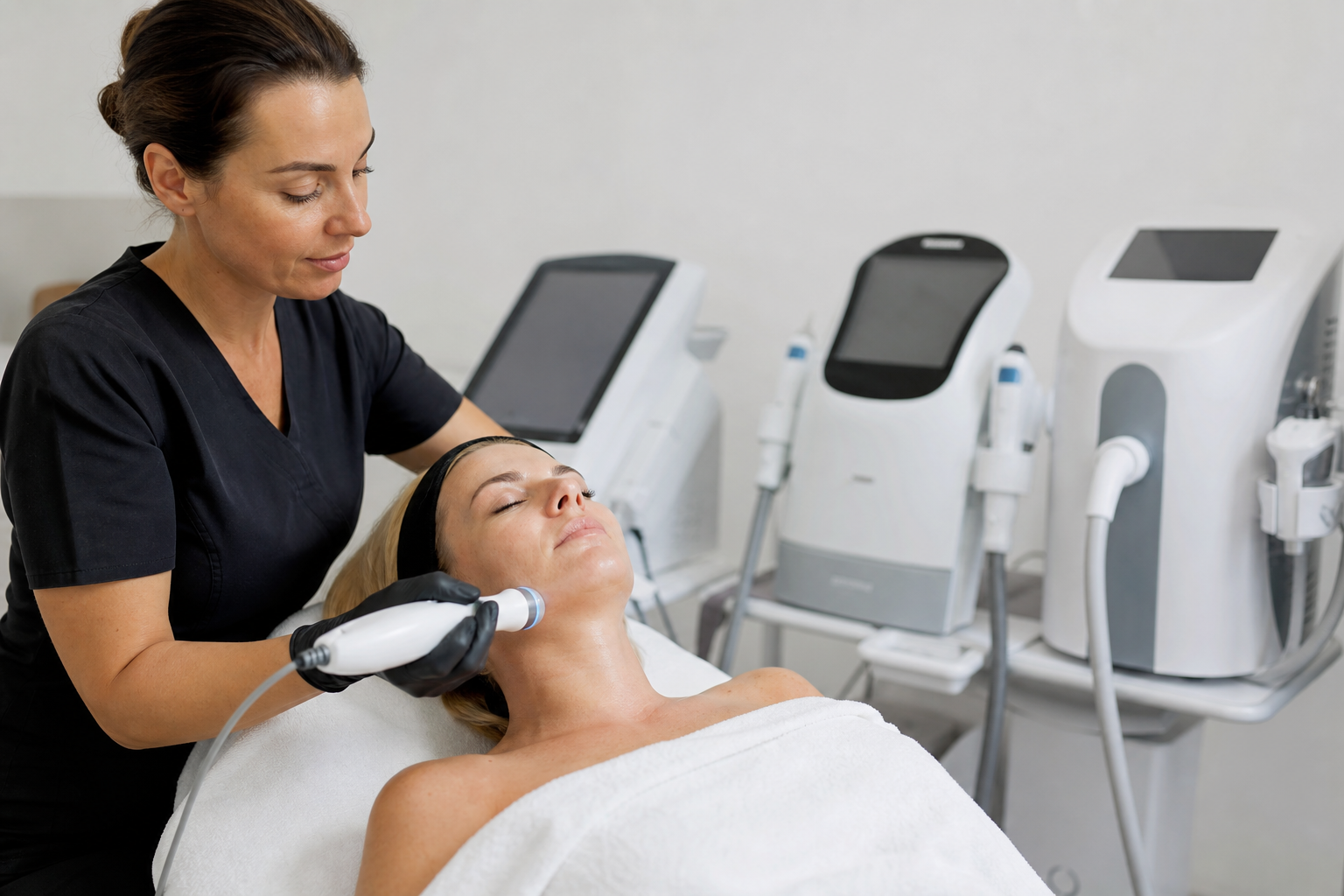
Active infections and radiofrequency (RF) treatments intersect at a crucial junction of aesthetic medicine where safety, efficacy, and patient well-being must be carefully balanced. Radiofrequency treatments, commonly known as RF lifting, are advanced non-surgical procedures that harness radio waves to stimulate collagen and elastin production, thereby tightening and rejuvenating the skin. This technology offers a compelling alternative to invasive surgical facelifts, making it increasingly popular among individuals seeking effective skin tightening without extended downtime or surgical risks.
However, the presence of active infections complicates the straightforward application of RF treatments. For patients and practitioners alike, understanding the implications of administering RF therapies when infections are present is critical to avoid exacerbating conditions or jeopardizing treatment outcomes. This editorial explores the nuances of RF technology, distinguishes between different procedural modalities, and delves deeply into the considerations surrounding active infections in this context.
This information is significant for two primary audiences: prospective patients evaluating their suitability for RF treatments and medical professionals specializing in dermatology, aesthetic medicine, or related fields who must navigate safe practice standards. As the demand for RF treatments spans facial and body applications, and as technologies evolve to include non-invasive and minimally invasive options, clarifying infection-related safety protocols becomes increasingly vital.
What Are Radiofrequency Treatments and How Do They Work?
Radiofrequency treatments utilize electromagnetic waves in the radiofrequency spectrum to induce controlled heating within the dermis—the deeper layer of the skin—without damaging the epidermis, or skin surface. This thermal stimulus activates fibroblasts, the skin cells responsible for synthesizing collagen and elastin, proteins that maintain the skin’s firmness, elasticity, and youthful texture.
Unlike surgical facelifts that involve incisions, tissue rearrangement, and considerable recovery time, RF lifting delivers a non-surgical approach with minimal to no downtime. The warmth generated encourages natural regenerative processes, leading to gradual improvement in skin tone and reduction of fine lines over time.
RF treatments vary based on the delivery method and depth of penetration. The main categories include non-invasive RF, fractional RF (often needleless), and minimally invasive RF microneedling. Each approach tailors energy delivery to specific skin concerns and anatomical targets, but they share underlying principles leveraging collagen rejuvenation through controlled dermal heating.
Why Is Considering Active Infections Essential Before RF Treatments?
Active infections—whether bacterial, viral, or fungal—pose significant contraindications for initiating RF treatments. The thermal energy used in these procedures can exacerbate infections by increasing local blood flow or irritating already compromised tissues. Moreover, heating infected areas could facilitate the spread of pathogens or lead to complications such as abscess formation and prolonged healing times.
Latent or subclinical infections represent another layer of complexity. Infections that are not clinically evident but exist beneath the surface may become reactivated or worsened by the RF-induced inflammatory cascade. Hence, thorough pre-treatment screening, history gathering, and sometimes laboratory investigations form crucial steps in patient evaluation.
For example, patients with herpes simplex virus (cold sores) are particularly vulnerable. The heat generated during RF facial treatments can trigger viral reactivation, leading to outbreaks that compromise both treatment results and patient comfort. Recognizing such risks allows for preventive antiviral medication or postponement of procedures until full resolution.
What Types of RF Treatments Are Affected by Active Infections?
The spectrum of RF technologies implies varying levels of skin disruption and, consequently, different implications concerning infections. Non-invasive RF treatments, which do not breach the skin, generally carry a lower risk of infection spread or introduction. Nevertheless, active infections in the treatment area present contraindications even in these cases, since local tissue response and patient immunity status influence outcomes.
Fractional RF treatments, often without needles but producing microthermal zones of controlled injury, increase risk profiles moderately. If infection is present, micro-injuries might serve as entry points for pathogens or sites for infection exacerbation.
Minimally invasive RF microneedling combines needle punctures with radiofrequency energy to deliver heat directly within the dermis. This approach, while highly effective for certain skin issues like scars or pronounced laxity, requires careful infection management. The microchannels created during the procedure could allow pathogens access to deeper tissues, making active infections a critical contraindication.
How Do Medical Professionals Assess the Risk of Active Infections Prior to RF Treatments?
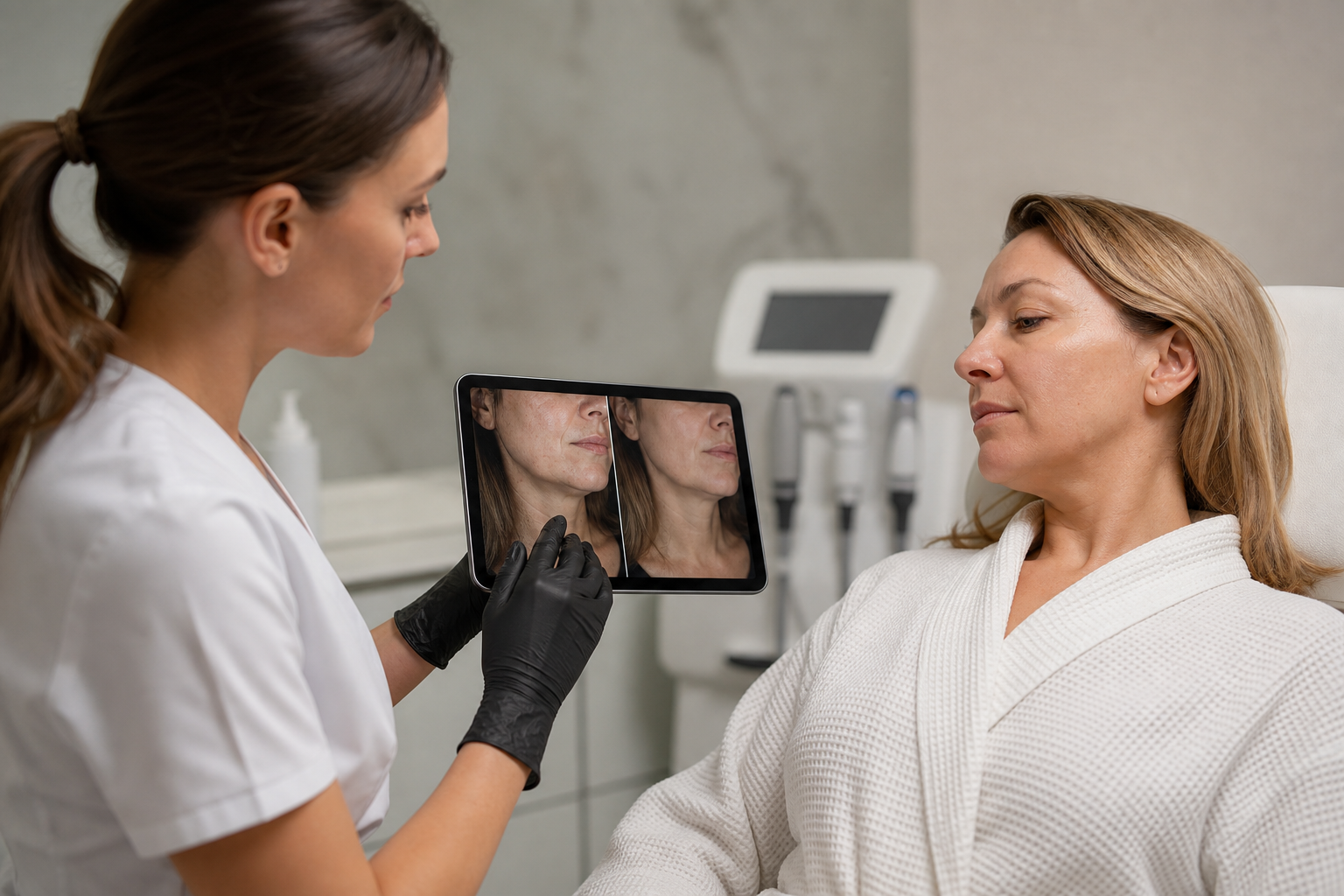
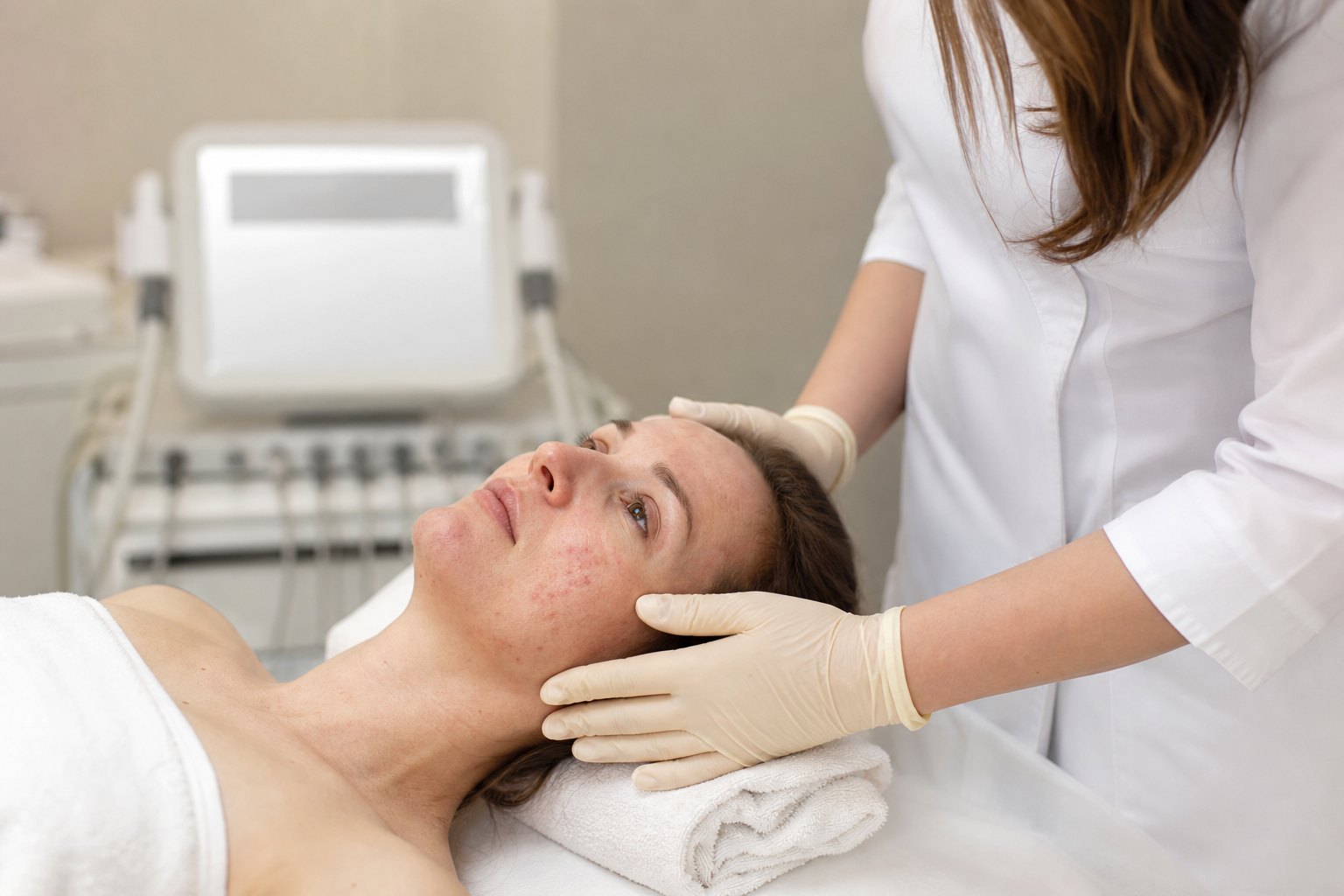
Pre-procedure assessment practitioners employ systematic protocols to evaluate the presence of infections. Clinical examination of the skin reveals visible signs such as redness, swelling, pustules, or warmth. Patients are questioned about recent outbreaks, systemic symptoms, or immune-compromising conditions.
In cases of suspected latent infection or complicated medical histories, referrals for blood tests or microbiological cultures may be indicated. For viral infections like herpes simplex virus, laboratory confirmation can assist in tailoring prophylactic interventions.
Importantly, history-taking includes assessment of previous adverse events linked to cosmetic procedures, history of cold sores triggered by physical stimuli, and any systemic illnesses impacting infection risks.
What Are the Potential Complications of Ignoring Active Infections in RF Treatments?
Administering RF treatments in the setting of active infection can result in multiple complications that range from mild to severe. Immediate concerns include exacerbation of local infection leading to cellulitis, abscess formation, and prolonged erythema or edema. These may necessitate antibiotic therapy or other medical interventions, thereby increasing patient morbidity.
More severe but rare complications involve systemic infection spreading, delayed wound healing, scarring, and pigmentation changes due to prolonged inflammation. Such adverse outcomes not only impair the aesthetic benefit but may cause lasting patient distress and may require corrective procedures.
There is also the possibility of an inflammatory reaction that worsens underlying dermatological conditions or precipitates secondary infections in immunocompromised individuals.
When Is It Appropriate to Delay or Avoid RF Treatments Due to Infection?
Standard medical guidelines advise postponing RF treatments until any active superficial or systemic infection resolves fully. This recommendation extends to bacterial skin infections like impetigo or folliculitis, fungal infections like candidiasis, and viral infections including herpes simplex or herpes zoster.
Postponement usually lasts until clinical signs and symptoms subside, and when applicable, until laboratory evidence confirms infection resolution. In cases of recurrent infections, practitioners may enact preventive protocols such as prophylactic antivirals before reinitiating RF sessions.
Patients with chronic skin conditions prone to flare-ups also require special consideration, and close monitoring during RF treatment courses.
Are There Special Considerations for Patients with Metal Implants or Other Medical Devices?
Although distinct from infections, the presence of metal implants near RF treatment sites raises important safety concerns. RF energy can interact with metal, producing localized heating that might damage surrounding tissues or compromise implant integrity.
In patients with active infections co-existing with metal implants, the combined risks of thermal injury and infection spread further underscore the need for comprehensive evaluation. Decisions about proceeding with RF lifting must balance these factors and collaborate with relevant surgical or medical specialists.
How Can Patients Minimize Risks Related to Infections When Considering RF Treatments?
Patient education plays a vital role in minimizing infection-related risks. Individuals seeking RF treatments should disclose any history of infections, including cold sores, acne flares, or recent skin trauma. Following thorough cleansing protocols and pre-procedure instructions enhances skin barrier integrity and reduces infection risk.
When applicable, patients may be advised to use topical or systemic medications pre- and post-treatment to modulate infection risk. Adhering strictly to aftercare advice—such as avoiding scratching, sun exposure, or makeup application in treated areas—also contributes to safe healing.
What Can Patients Expect During Recovery After RF Treatments With Respect to Infection Risk?
Post-treatment recovery from RF lifting generally involves minimal discomfort, slight redness, and mild swelling. However, patients must remain vigilant for signs of infection such as increasing pain, pus formation, spreading redness, or fever.
Early detection and prompt intervention in case of infection symptoms safeguard treatment results and patient health. Regular follow-up appointments with the practitioner ensure proper healing and address any concerns early.