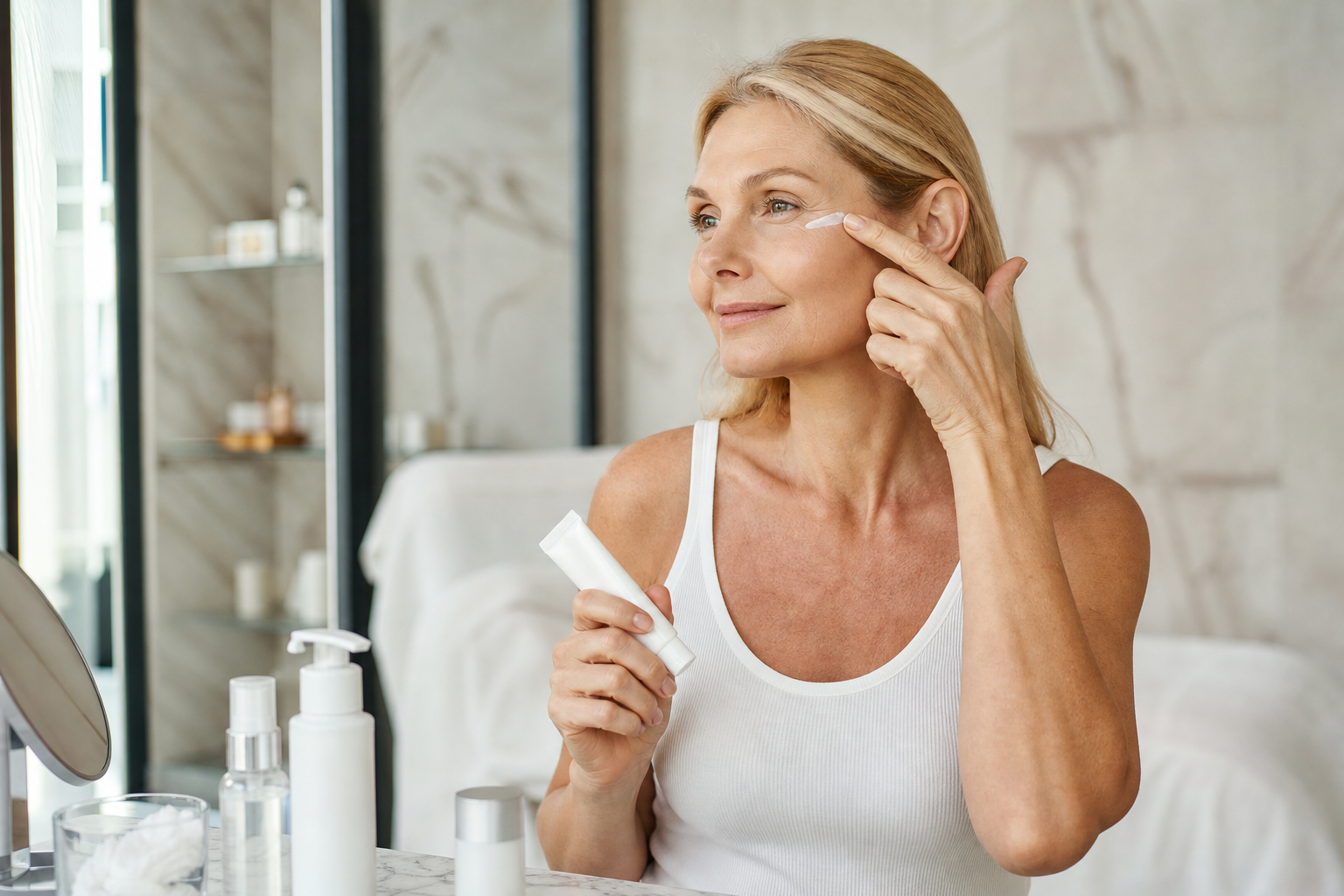
The delicate skin surrounding the eyes and lips is often the first area to reveal subtle signs of aging, with fine lines gradually emerging as a natural part of the skin's maturing process. These fine lines, although typically less pronounced than deeper wrinkles, can affect overall appearance and self-confidence. Laser treatment has gained prominence as a targeted approach to soften and improve the visibility of these lines, offering a less invasive alternative to surgical procedures. In this article, we explore the role of laser therapy specifically for fine lines around the eyes and lips—examining the mechanisms, candidacy, benefits, limitations, recovery, and what individuals can realistically expect from this treatment.
Laser treatment for fine lines targets the natural regenerative capacity of the skin, stimulating collagen production and enhancing texture. Given the sensitivity and thinness of skin around the eyes and lips, laser methods must be applied with precision to achieve subtle yet meaningful improvements while preserving natural contours. This overview is intended for individuals considering laser rejuvenation to address early signs of aging in these key facial areas, along with those seeking expert insight into the capabilities and considerations of laser modalities.
Understanding the interplay between skin biology, laser technology, and patient-specific factors is crucial for informed decision-making. This comprehensive editorial aims to provide reliable, clinically grounded information that distinguishes educational content from personalized advice, enabling readers to weigh options in the broader context of skin care and cosmetic enhancement strategies.
What Are Fine Lines Around the Eyes and Lips, and Why Do They Develop?
Fine lines are superficial wrinkles that typically form on thin and highly expressive skin regions like around the eyes (often termed “crow’s feet”) and the lips (perioral lines or “smoker’s lines”). These lines arise primarily from a decline in collagen and elastin production as the skin ages—a natural reduction in the skin’s capacity to maintain its firmness and elasticity. Other contributing factors include chronic sun exposure which accelerates collagen breakdown, repetitive facial movements that crease the skin, environmental pollutants, smoking habits, and lifestyle stressors.
The skin in these periocular and perioral zones is significantly thinner than other facial areas, making it more susceptible to dehydration and damage. Unlike deeper wrinkles, fine lines reflect subtle changes in skin pliability and surface texture rather than profound structural changes. Early emergence of these lines can signal the inception of cutaneous aging processes, often motivating individuals to pursue corrective treatments.
While fine lines develop as part of intrinsic aging, extrinsic elements like UV radiation lead to photoaging, intensifying their prominence. Additionally, systemic factors such as poor hydration and nutritional deficiencies can exacerbate skin fragility. Recognizing these causes allows a tailored approach to treatment and daily care—to optimize outcomes and maintain skin health.
Who Is an Appropriate Candidate for Laser Treatment Targeting Fine Lines?
Laser treatment for fine lines around the eyes and lips is generally suited for adults experiencing mild to moderate superficial wrinkles and uneven skin texture in these delicate zones. Ideal candidates are those who seek improvement in line visibility and skin tone without undergoing invasive surgery and have realistic expectations about the extent of achievable results.
Age-wise, patients typically range from their late 30s to early 60s, corresponding to the period when fine lines become more noticeable but skin still retains enough regenerative capacity to respond favorably to laser stimulation. Candidates should have no active skin infections, open wounds, or untreated dermatological conditions in the treatment areas. Additionally, considerations include the patient’s skin type, as certain laser wavelengths may require adjustments or might pose higher risks for pigmentary changes in darker complexions.
Candidacy assessment involves a thorough consultation with a dermatologist or laser specialist who evaluates skin condition, medical history, and aesthetic goals. This ensures laser therapy is appropriate and allows the identification of potential contraindications, such as photosensitivity disorders or recent use of certain topical medications. Furthermore, a detailed explanation of the procedure's anticipated benefits and limitations is vital for informed consent and patient satisfaction.
How Does Laser Treatment Work to Soften Fine Lines Around the Eyes and Lips?
Laser treatment employs focused light energy to gently target skin layers beneath the surface, stimulating a controlled injury that activates the body’s natural wound healing processes. This cascade leads to increased production of collagen and elastin fibers—fundamental structural proteins responsible for skin strength and elasticity. The resulting remodeling of the dermis reduces the depth and sharpness of fine lines, promoting a smoother, more youthful skin texture.
Two primary types of lasers are commonly utilized in this context: ablative and non-ablative. Ablative lasers work by removing the outermost skin layer (epidermis), thereby facilitating substantial skin resurfacing and regeneration. This approach can yield more dramatic improvements but typically involves longer recovery times. In contrast, non-ablative lasers penetrate the dermis without disrupting the epidermis, offering milder stimulation with less downtime, although results may be more gradual and require repeated sessions.
For the sensitive areas around the eyes and lips, practitioners often favor low-energy non-ablative or fractional laser systems that enable precise treatments minimizing risks to fragile skin. Fractional lasers deliver energy in microscopic zones, leaving intervening skin untouched, which accelerates healing and reduces side effects. These technologies can selectively soften fine lines by promoting new collagen architecture and improving overall skin tone.
What Are the Main Benefits of Laser Treatment for Fine Lines in These Delicate Areas?
Laser therapy offers several advantages over traditional anti-aging interventions, particularly for fine lines around the eyes and lips. First, its minimally invasive nature helps preserve the natural appearance of facial features while addressing textural irregularities. Patients generally experience a gradual softening of fine lines and enhanced skin firmness without the need for incisions or injections.
Further benefits include the stimulation of endogenous collagen synthesis which supports longer-lasting skin rejuvenation beyond immediate cosmetic effects. The treatment can also improve skin hydration and brightness, contributing to a revitalized complexion. Additionally, laser therapy can address associated concerns such as uneven pigmentation or minor scarring often coexisting with skin aging in these zones.
The precision of laser devices allows for customization based on individual skin characteristics and tolerance levels, which is crucial for sensitive facial areas. This adaptability means treatments can be tailored to balance efficacy with comfort and safety, thereby reducing the likelihood of adverse reactions. Post-treatment results tend to harmonize well with the patient’s natural skin texture, avoiding the artificial look sometimes associated with more aggressive cosmetic procedures.
What Are the Limitations and Potential Risks Associated with Laser Treatments for Fine Lines?
Despite its many benefits, laser treatment for fine lines is not without limitations. It is important to understand that laser therapy generally does not offer complete removal of wrinkles; rather, it results in noticeable softening and improved skin quality. Deeper wrinkles and significant skin laxity may require complementary treatments such as dermal fillers, neuromodulators, or surgical options.
Risk factors mainly include transient side effects such as redness, swelling, dryness, or mild peeling, which typically resolve with proper post-care. Rarely, improper laser settings or patient selection can lead to complications such as hyperpigmentation, hypopigmentation, or scarring. Individuals with darker skin tones require particular caution to avoid pigmentary changes, emphasizing the necessity of treatments performed by experienced clinicians.
Patients must also be aware of contraindications like active infections, recent isotretinoin use, or photosensitivity disorders that could increase complication risks. Compliance with pre- and post-treatment instructions is essential to minimize adverse outcomes. Moreover, laser treatment demands patience, as results emerge progressively over weeks to months rather than immediately.
What Does the Recovery Process Entail After Laser Treatment of Fine Lines?
Recovery after laser therapy for fine lines varies depending on the laser type and treatment intensity. Typically, patients can expect mild erythema (redness), swelling, and a feeling of skin tightness or sensitivity lasting from several days up to two weeks. Non-ablative and fractional lasers usually involve shorter and more manageable recovery phases compared to ablative lasers, which may require more extended downtime.
Post-treatment care is pivotal and includes avoiding direct sun exposure, applying broad-spectrum sunscreens rigorously, and using recommended gentle moisturizers to support skin healing. Patients are advised to refrain from makeup application and harsh skincare products until the skin fully recovers. Hydration and avoiding strenuous activities that induce sweating can further aid the healing process.
Follow-up appointments with the treating clinician enable monitoring for any delayed reactions and assessment of treatment efficacy. Most individuals are able to resume normal social and professional activities promptly, making laser therapy an appealing option for those seeking non-disruptive anti-aging interventions.
When Is the Best Time to Begin Laser Treatment for Fine Lines, and How Many Sessions Are Typically Recommended?
The timing for initiating laser treatments is individualized but generally aligns with the first noticeable appearance of fine lines or skin texture changes. Early intervention can maximize benefits by harnessing the skin’s inherent regenerative abilities before deeper wrinkles form. Many patients start treatments in their 30s or early 40s as a preventative and corrective measure.
Laser treatment regimens for fine lines often consist of multiple sessions—commonly three to five—scheduled several weeks apart to allow for skin recovery and collagen remodeling. Maintenance sessions may be recommended annually or biannually to sustain improvements, particularly in the context of ongoing environmental stressors and natural aging.
The exact number of treatments and intervals are tailored based on the laser type, skin response, and patient goals. A consultation with a laser specialist is essential to design a protocol that balances efficacy, safety, and patient convenience. Patient adherence to follow-up plans and skin care routines enhances the longevity of treatment outcomes.
What Are Realistic Expectations from Laser Treatment for Fine Lines Around the Eyes and Lips?
It is critical for patients to approach laser treatment with measured expectations. While significant softening of fine lines and enhancement of skin texture and tone are achievable, complete erasure of wrinkles or reversal of all aging signs is unlikely. The goal of laser therapy is to rejuvenate and refresh the skin's appearance by promoting collagen regeneration and improving superficial irregularities.
Visible results typically develop over several weeks post-treatment as skin gradually repairs and thickens. Those who maintain healthy lifestyle habits, sun protection, and regular skin care can help prolong benefits. In some cases, laser treatments might be complemented with other modalities like chemical peels or injectables for a more comprehensive rejuvenation plan.
Ultimately, patient satisfaction correlates with clear communication from the provider about achievable outcomes and the commitment required to maximize results. Laser treatment should be viewed as one component of a holistic approach to skin health and aging management.
How Does Laser Treatment for Fine Lines Relate to Other Skin Rejuvenation Concerns?
Laser therapy around the eyes and lips often dovetails with addressing other common skin concerns such as hyperpigmentation, uneven texture, and enlarged pores. The stimulation of collagen and skin turnover can ameliorate minor discolorations and refine skin surface irregularities, contributing to a more uniform and vibrant complexion.
For individuals with additional issues like pigmentation spots or visible capillaries, combined or sequential laser treatments can be planned to target multiple aesthetic goals efficiently. Understanding which skin concerns can be addressed by laser rejuvenation enhances treatment planning and patient outcomes. For example, related procedures like laser treatment for pigmentation and sun spots or laser treatment for enlarged pores and uneven skin texture can complement the improvement in fine lines and overall skin quality.
It is advisable for patients interested in comprehensive facial rejuvenation to consult with specialists acquainted with various laser applications, ensuring a coordinated, safe, and personalized approach to their skin care.


