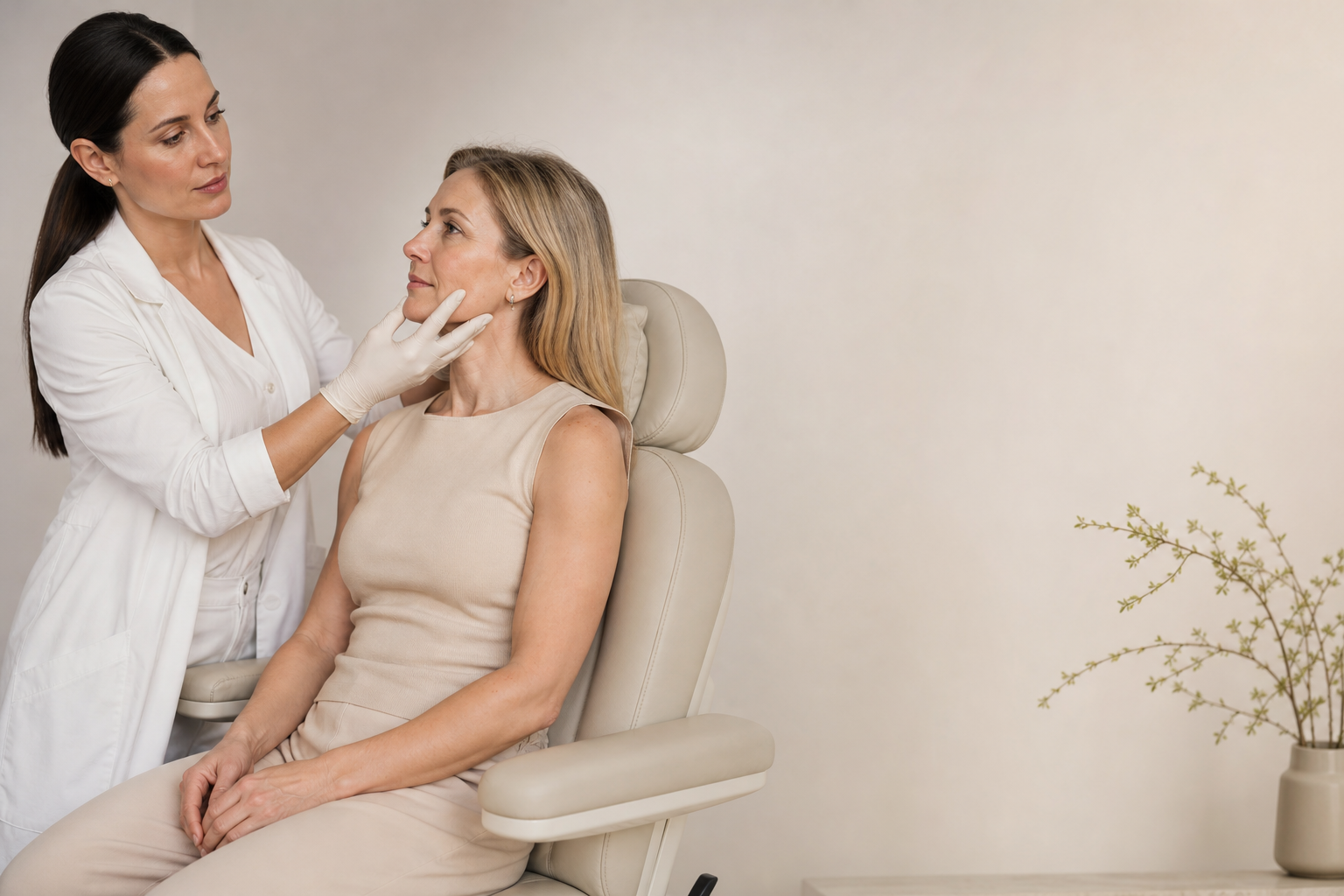
Botox has become a cornerstone of modern aesthetic medicine, renowned for its ability to soften wrinkles and delay visible signs of aging without the invasiveness of surgery. Its injection offers a reprieve from the dynamic furrows and creases caused by repetitive facial muscle movements, providing a smoother and refreshed appearance. Yet, while the initial results can be striking, it is crucial to appreciate the transient nature of Botox effects and what unfolds as these benefits begin to wane over time.
This article is crafted for individuals considering Botox for the first time, as well as for those who are already in the cycle of treatments and wish to understand the nuances that accompany the gradual reduction in efficacy. The shifts that occur as Botox's action diminishes are not simply matters of fading aesthetics—they inform decisions about timing, dosage, safety, and expectations from ongoing care.
Understanding what happens when Botox effects weaken is important for managing realistic goals and maintaining a natural look while optimizing the treatment plan. Such insight helps avoid disappointment, supports patient safety, and empowers users to engage in informed conversations with qualified specialists. We will explore the biological mechanisms behind Botox, individual variability in duration, practical implications of its wear-off phase, and strategic approaches to prolonging benefits and ensuring well-being.
The Biological Mechanism Behind Botox and Its Finite Duration
To grasp why Botox effects gradually diminish, one must first understand how botulinum toxin type A works within the body. By blocking the release of acetylcholine, a neurotransmitter essential for muscle contraction, Botox induces temporary relaxation of targeted facial muscles. This interruption reduces the movement responsible for dynamic wrinkles, giving the skin a smoother, less creased appearance.
However, this interruption is inherently temporary. The nerve endings affected by Botox regenerate their ability to transmit signals over time. The process involves new growth of nerve terminals and reestablishment of acetylcholine release, allowing muscle contractions to return gradually. This biological renewal is natural and unavoidable, marking the completion of Botox’s effective window.
The duration of muscle paralysis following Botox injections generally spans three to six months, but it does not end abruptly. Instead, there is a tapering phase during which muscle activity slowly increases and wrinkles begin to reappear. This reactivation occurs in stages, crafting a transitional period where expressions start to regain their pre-treatment dynamism.
Variability in How Long Botox Effects Last Among Individuals
The longevity of Botox effects is not uniform across all patients. Several factors contribute to individual differences, making it essential for patients to view duration estimates as approximate rather than guaranteed. Metabolic rate is a significant determinant; individuals with faster metabolisms may experience quicker degradation of the toxin, shortening its efficacy.
Moreover, the nature and strength of facial muscle activity influence how long Botox lasts. Areas with more frequent and forceful contractions—such as the forehead or around the eyes—may display a return of motion sooner than regions with less dynamic muscle use. Therefore, treatment area selection and muscle dynamics directly affect persistence.
Technical aspects of the injection procedure itself also play a vital role. An accomplished practitioner’s precise technique, including accurate placement and appropriate dosage, can extend the treatment's effectiveness. Conversely, suboptimal injection can lead to uneven results and shorter duration.
Some rare immunological responses may generate antibodies against botulinum toxin, potentially diminishing responsiveness upon repeated administration. Age and skin condition are further contributors; as the skin loses elasticity and muscles undergo structural changes over time, Botox’s outcomes may vary accordingly.
Forming Realistic Expectations During the Phase of Effects Fading
Understanding the natural progression of Botox’s fading effects helps patients maintain a balanced perspective and appreciate their treatment's actual capabilities. Botox does not erase wrinkles permanently; it provides a temporary pause in their dynamic formation. Thus, when effects diminish, the reappearance of lines and creases is expected and should not be viewed as a failure or complication.
The gradual return of muscle activity allows the face to retain essential expressiveness and authenticity. This is a critical consideration since overzealous or overly frequent treatments may freeze muscles too much, resulting in an unnatural or mask-like appearance. Moderation is the key balance to both control wrinkles and maintain natural facial movement.
Patients who grasp these realities approach Botox with informed expectations, leading to greater satisfaction and less disappointment. They recognize that treatment is an ongoing regimen requiring strategic repetition rather than a one-time, permanent fix.
Safety Considerations as Botox Effects Wane and the Significance of Specialist Guidance
The temporary weakening of Botox’s effects does not inherently compromise safety, as the toxin itself dissipates and does not accumulate. However, returning to treatment necessitates careful timing and professional expertise to minimize risks. Mismanagement of repeat injections can cause side effects such as asymmetry, muscle overparalysis, or unnatural expressions.
It is vital for patients to monitor their response to treatments and seek consultation if the effects fade unusually quickly or if they experience discomfort, sensitivity, or unexpected changes in facial appearance. Qualified specialists can adjust injection protocols, dosages, and intervals to suit evolving needs and ensure the treatment remains both safe and effective.
Additionally, clinical evaluation after breaks from Botox use is important because facial musculature and skin may adapt during pauses, influencing subsequent treatment strategies. A personalized approach grounded in ongoing dialogue between patient and specialist optimizes outcomes and safeguards health.
Strategies for Sustaining and Enhancing Botox Results Over Time
Many individuals aspire not only to experience smooth skin following Botox injections but also to extend the duration and optimize the benefits. Several practices, in collaboration with aesthetic professionals, support the preservation and enhancement of Botox effects.
Regularly scheduled treatments every three to six months prevent full restoration of muscle activity, which in turn moderates the reformation of dynamic wrinkles. This maintenance regimen allows for dose titration and pattern adjustments aligned with individual aging changes.
A holistic skincare regimen—entailing adequate hydration, sun protection, and antioxidant use—complements Botox by protecting skin integrity and slowing degenerative aging processes. Lifestyle factors such as avoiding excessive sun exposure, minimizing smoking, and managing stress also contribute meaningfully.
Moreover, combining Botox with other non-invasive procedures, such as dermal fillers or chemical peels, creates a synergistic rejuvenation effect. These multimodal treatment plans can improve skin volume, texture, and color, supporting a comprehensive approach to anti-aging.
Implications of Discontinuing Botox After Long-Term Use and Skin Adaptation
Some users consider halting Botox treatments after extended regimens, prompting questions about what to expect afterward. When treatments stop, the temporary paralysis lifts, and muscle function along with wrinkles gradually return to their baseline state. This return is typically gradual, unfolding over several months.
Importantly, Botox does not cause permanent muscle atrophy or accelerate skin aging, alleviating concerns of rebound deterioration. In fact, regular Botox use tends to reduce the deepening of wrinkles over time by minimizing repetitive muscle contractions.
Patients discontinuing Botox may notice some accelerated reappearance of wrinkles compared with their pre-treatment skin due to a loss of the smoothing effect. However, the skin and muscles adjust back toward their natural condition without adverse long-term consequences.
It is often recommended to conclude Botox use gradually and under professional supervision. This transition allows for monitoring and potential introduction of alternative skin care or cosmetic strategies to sustain appearance and confidence.


