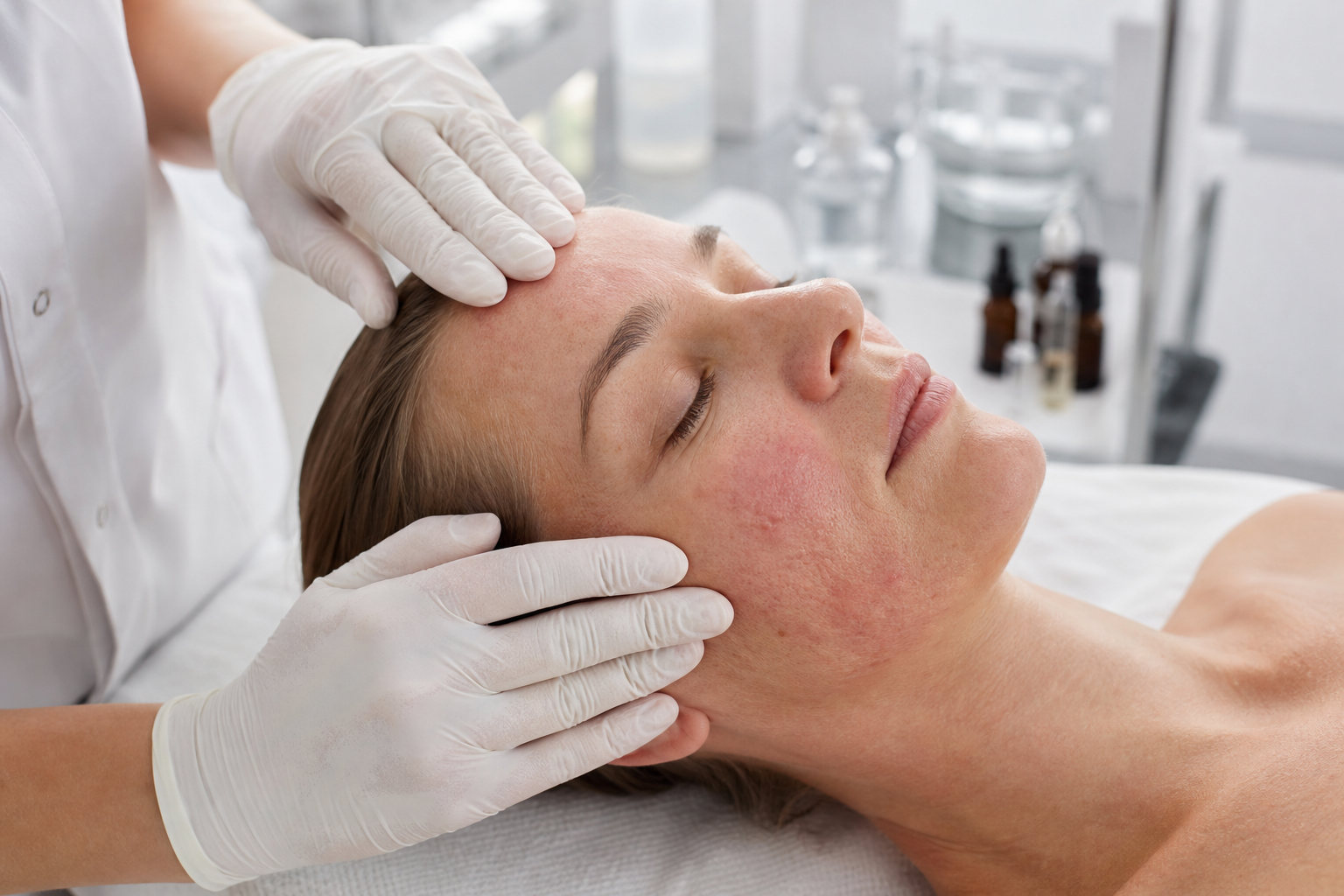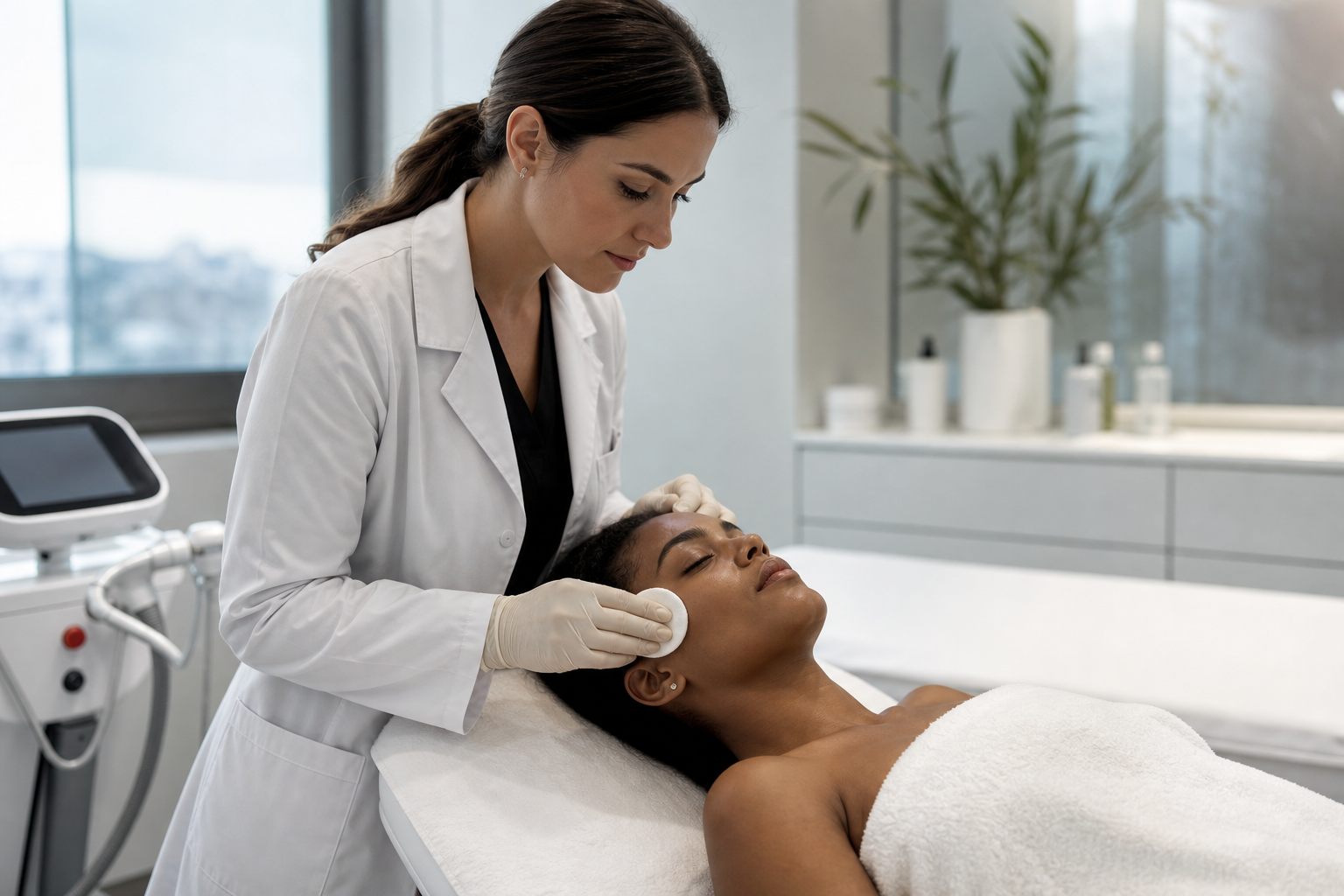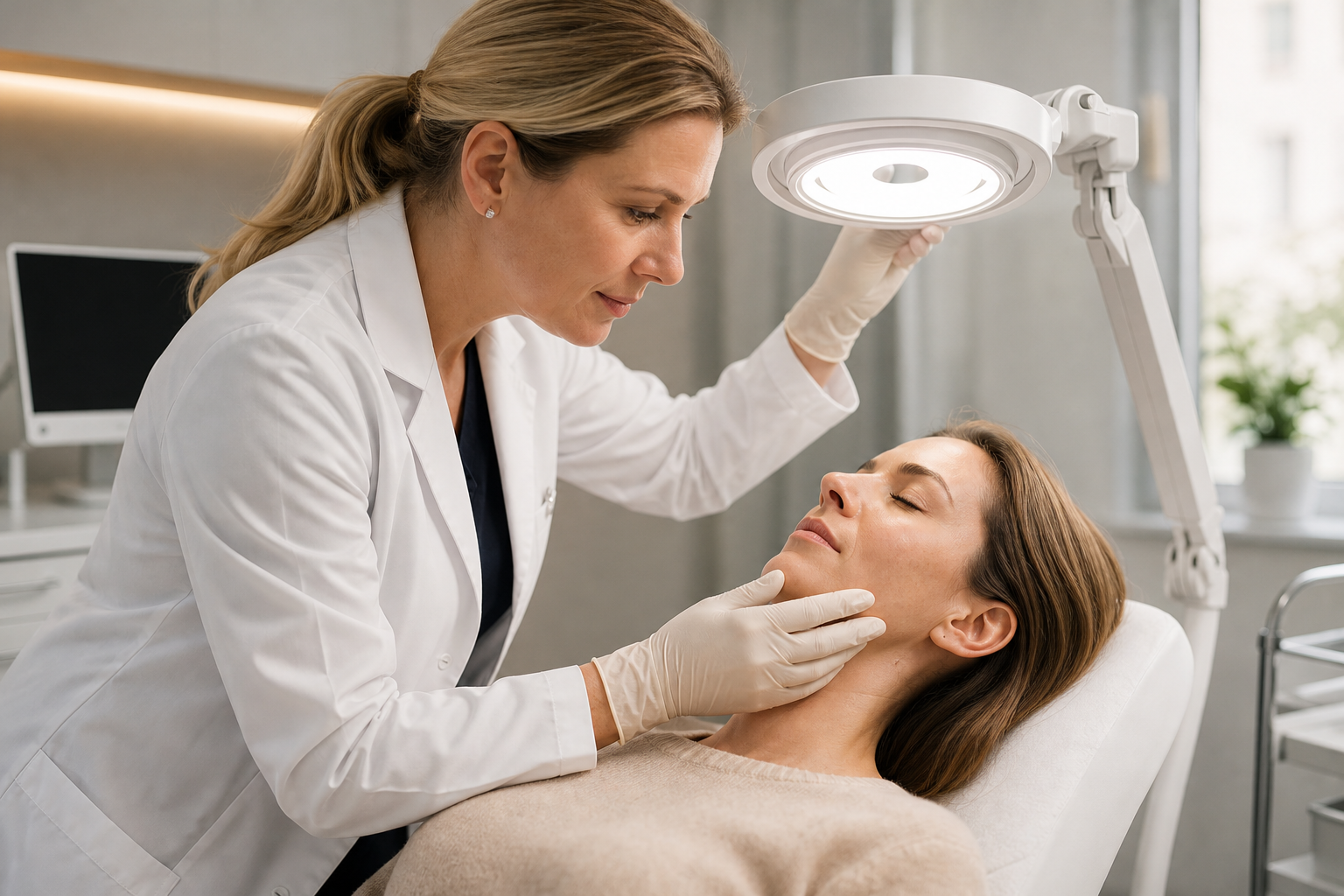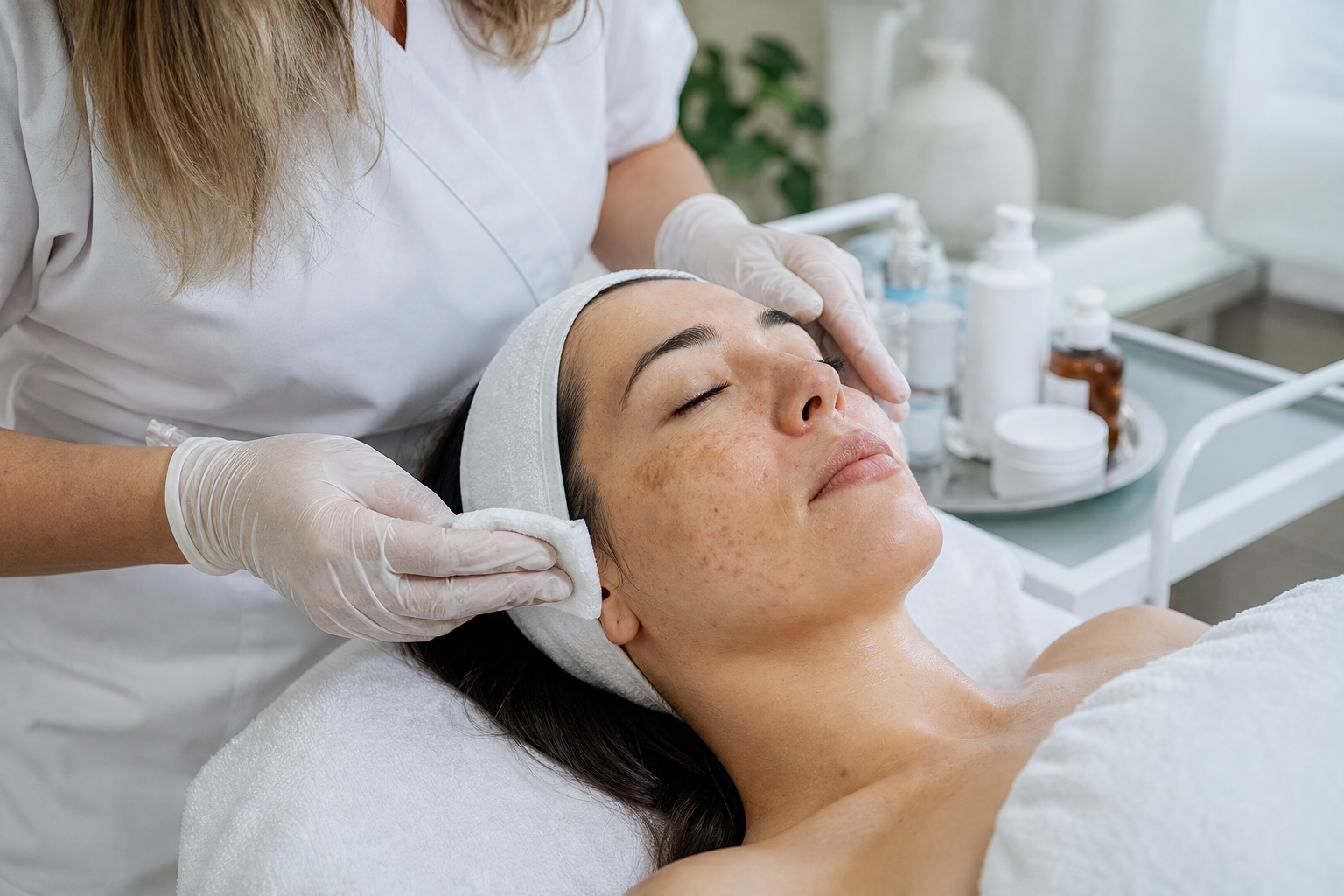
Laser treatment has emerged as a transformative technology in the field of dermatology and aesthetic medicine, offering solutions that range from skin rejuvenation and pigmentation correction to hair removal and vascular condition treatments. Despite its growing popularity and numerous benefits, laser therapy requires a disciplined approach that prioritizes safety above all. Understanding the contraindications, potential risks, and the critical importance of selecting an experienced practitioner is essential for anyone considering laser treatments.
This comprehensive editorial is crafted for individuals evaluating laser skin treatments or other laser-based procedures, medical professionals aiming to deepen their understanding of laser safety protocols, and patient advocates seeking clear, evidence-based guidance. It matters because laser treatments involve targeted energy application that, if misapplied, can lead to complications including infections, pigmentary changes, and scarring. Through informed patient selection, precautionary measures, and expert execution, the therapeutic promise of laser technology can be unlocked with minimized risks.
In the following sections, we will examine the critical contraindications that must be recognized before proceeding with laser therapy, outline the inherent risks associated with such treatments, and delineate the essential criteria for choosing a qualified and trustworthy laser practitioner and facility. This editorial aims to equip readers with the knowledge needed to approach laser treatment safely and effectively.
What Constitutes Laser Treatment and Why Understanding Its Safety Is Paramount
Laser treatments utilize focused wavelengths of light to selectively target skin structures such as pigment deposits, blood vessels, or hair follicles. The technology enables precision therapy to stimulate collagen regeneration, remove discoloration, or ablate superficial skin layers, driving improvements in texture, tone, and appearance without invasive surgery. Applications include laser skin rejuvenation, pigmented lesion correction, vascular lesion therapy, and laser hair removal—all designed to enhance aesthetic outcomes and skin health.
While the versatility and efficacy of laser treatments continue to evolve, these procedures inherently involve the delivery of concentrated energy to biological tissues, which introduces potential for adverse effects if clinical protocols and safety measures are not meticulously observed. The principle of "first, do no harm" applies strongly in laser medicine, mandating that candidates and clinicians appreciate the parameters that influence treatment safety and efficacy. This understanding forms the bedrock of ethical, responsible laser application in dermatology and cosmetic practice.
Which Contraindications Should Be Carefully Assessed Before Laser Therapy
Contraindications to laser treatment can be absolute or relative and must be comprehensively evaluated during the pre-procedural consultation to mitigate the risk of complications. Active skin infections or inflammation in the treatment area represent an absolute contraindication—a laser applied to compromised skin can exacerbate infection or lead to poor healing outcomes. Viral lesions, particularly active herpes simplex virus outbreaks, constitute a major risk factor due to the potential for virus reactivation triggered by laser-induced stress on skin tissue.
Systemic factors influencing candidacy include certain medications that increase photosensitivity, such as retinoids or some antibiotics, and anticoagulants that may predispose to bleeding or bruising. Pregnancy and breastfeeding, while not universally contraindicated, generally warrant deferral of laser treatments until postpartum, given the insufficient safety data and the ethical imperative to avoid unnecessary maternal-fetal risk.
Skin phototype and recent ultraviolet (UV) exposure must also be weighed carefully. Individuals with darker skin tones or recent tanning may face an elevated possibility of pigmentary alterations such as hypopigmentation or hyperpigmentation following laser procedures. Thus, phototype classification and detailed history of sun exposure are crucial elements of patient assessment.
Understanding the Main Risks Associated with Laser Treatments and How They Arise
The primary risks linked with laser treatments encompass inflammatory reactions like erythema (redness) and edema (swelling), unintended thermal injury (burns), pigmentary disturbances, infections, and in rare cases, scarring. Many of these complications can be traced back to improper patient selection, inadequate pre-treatment preparation, incorrect laser parameters, or insufficient post-treatment care.
Infection risk is particularly pertinent when laser pulses disrupt skin integrity, creating portals for microbial invasion. Neglecting to treat latent viruses increases susceptibility to reactivation, especially of herpes simplex, which may manifest with painful vesicles after treatment. Thermal injuries occur with excessive laser energy or inappropriate device calibration, underscoring the importance of validated, well-maintained equipment and practitioner expertise.
Pigmentary changes may be temporary or permanent and pose a significant concern, particularly for patients with darker skin or recent sun exposure. These changes frequently resolve with time but can be cosmetically distressing. It is also worth noting that some side effects such as redness and mild edema are expected transient responses to the laser's action and are part of the normal healing cascade.
How to Choose a Qualified Practitioner and Clinic for Laser Treatment to Maximize Safety
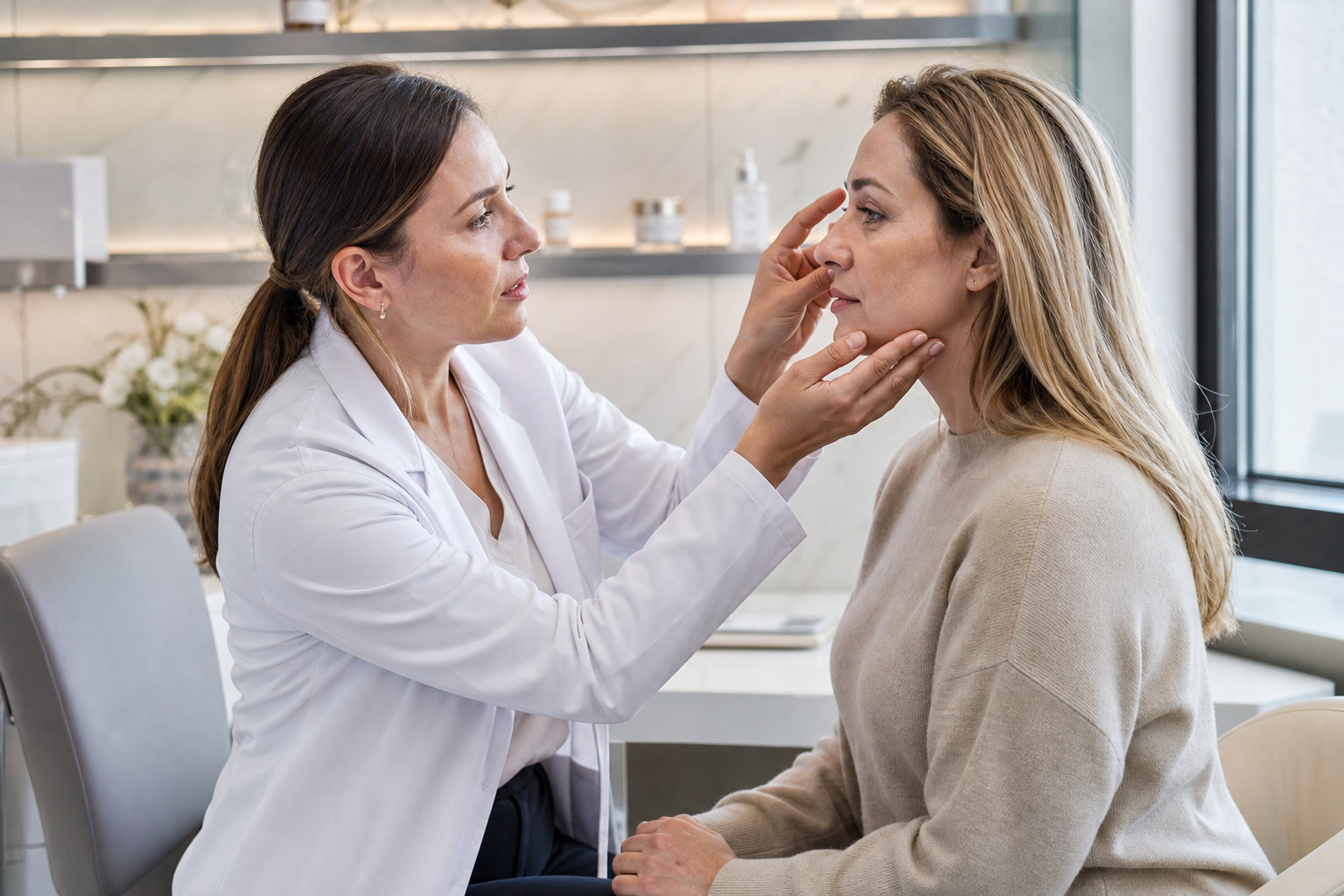
The expertise of the medical professional performing the laser treatment is paramount for ensuring favorable outcomes and minimizing adverse events. Ideally, the treatment should be performed by a board-certified dermatologist or a physician specializing in aesthetic medicine with formal training and certification in laser procedures.
Verification of the clinic's equipment maintenance and calibration records is essential. Devices should be FDA-approved or similarly regulated to guarantee safety standards. Additionally, clinics must implement strict protocols for patient evaluation, including thorough medical history intake, skin assessment, and documentation of informed consent that comprehensively outlines potential risks and expected outcomes.
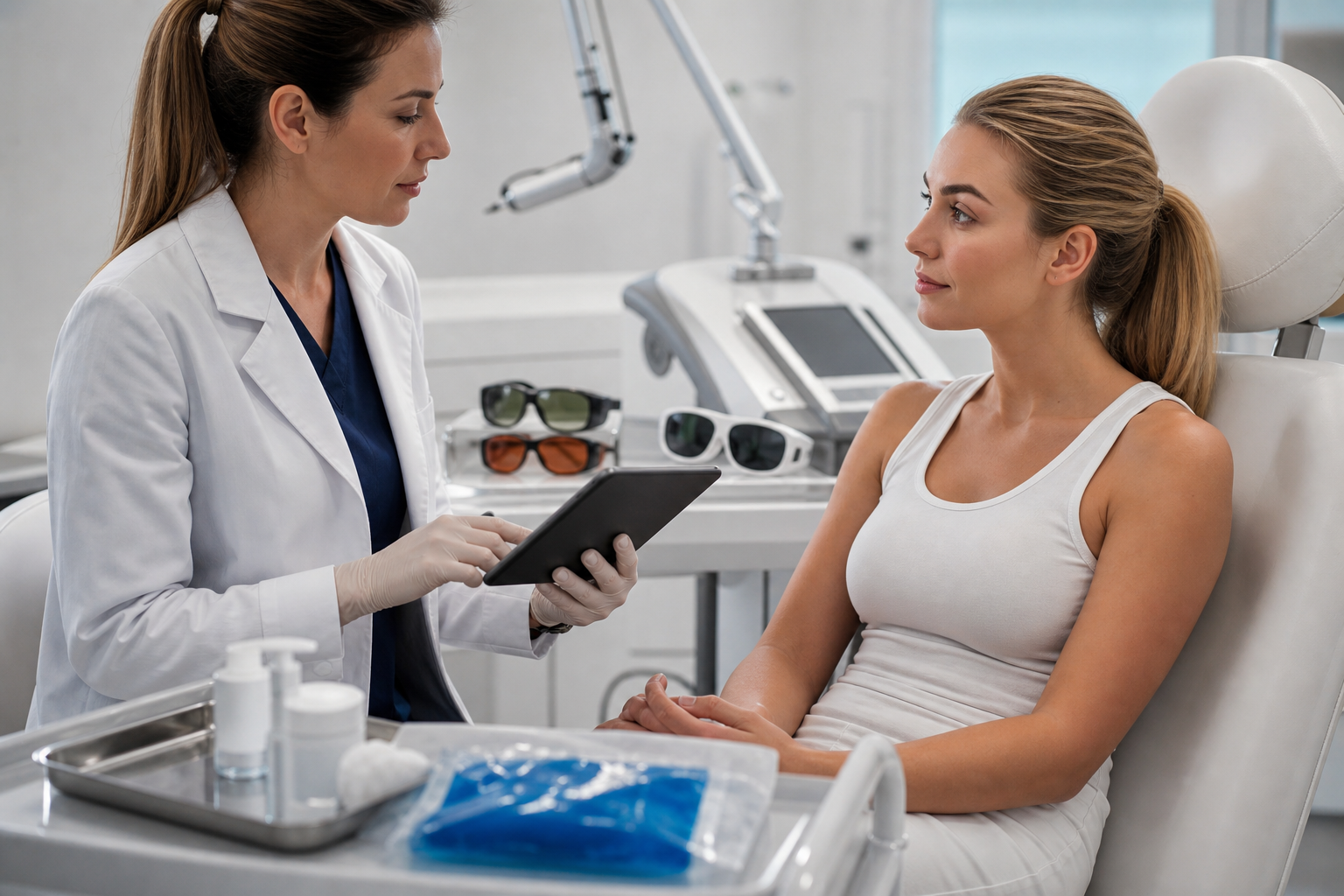
Practitioners must also adhere to protective measures such as mandatory eye protection for both operator and patient during laser emission, proper use of cooling techniques to mitigate discomfort and prevent skin damage, and availability of emergency protocols to address unforeseen complications. An environment fostering open communication where patients can ask questions and are fully briefed before signing consent forms is another indicator of responsible practice.
Recognizing Warning Signs and Red Flags When Considering Laser Treatments
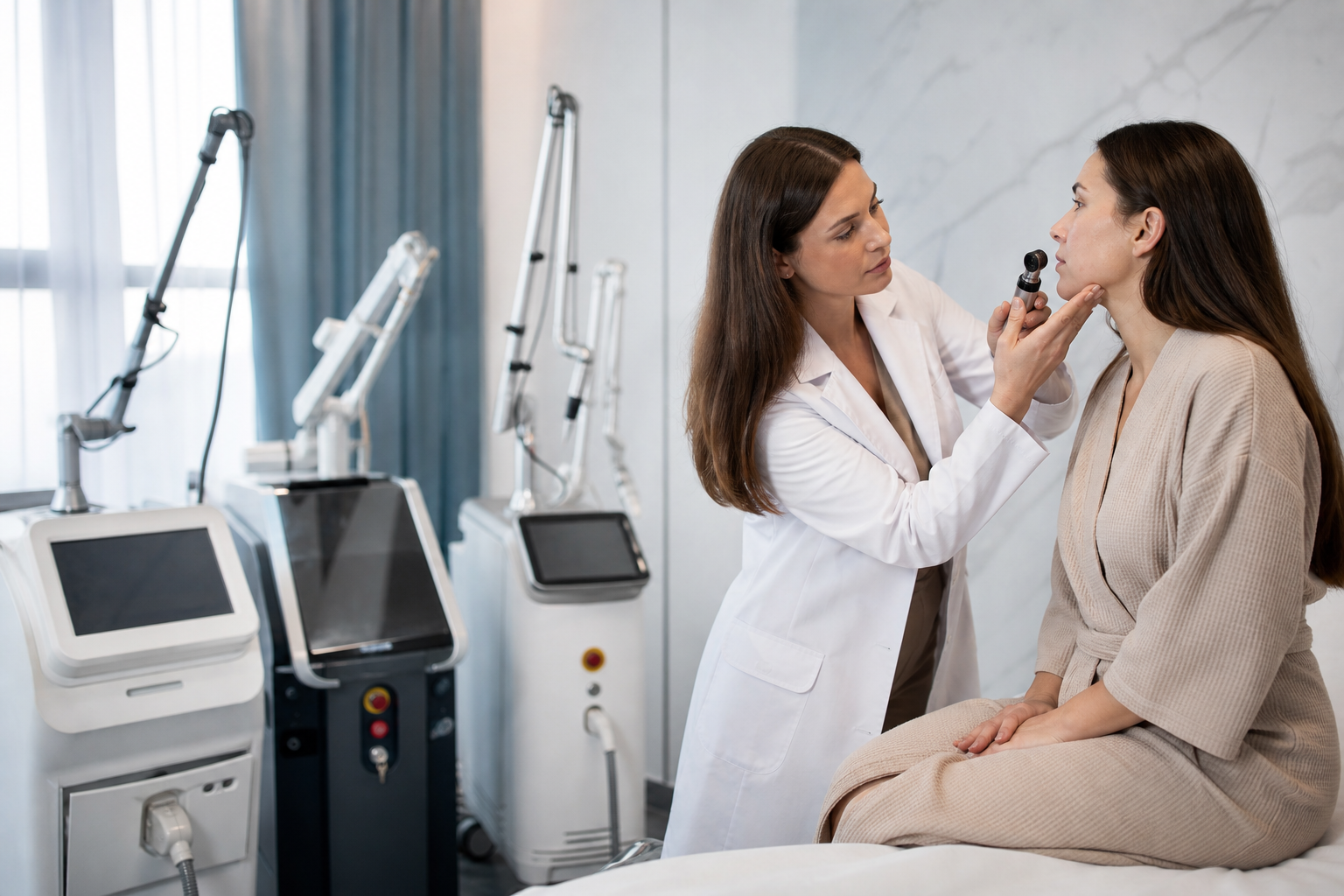
Patients and practitioners alike should be vigilant for red flags that signal potential issues in the laser treatment process. A clinic or practitioner who does not conduct a thorough medical history or fails to assess contraindications compromises patient safety and should be avoided.
A lack of transparency or unwillingness to discuss possible side effects and risks is a crucial warning sign. Clinics promising guaranteed or risk-free outcomes demonstrate a lack of medical integrity. Equally, poor follow-up care, absence of clear post-procedure instructions, or reluctance to manage complications detrimentally affects the safety profile of the intervention.
Finally, excessive commercial pressure or aggressive marketing tactics that overshadow medical judgment can jeopardize patient autonomy and informed decision making. Patients should seek providers who prioritize individualized care and ethical standards above promotional incentives.
Best Practices for Approaching Laser Skin Rejuvenation Safely and Effectively
Laser skin rejuvenation is among the most requested aesthetic treatments, aimed at improving skin texture, elasticity, and radiance by stimulating collagen production and remodeling. To ensure safety and efficacy, the treatment begins with a meticulous assessment of skin condition, patient expectations, and contraindications.
During the procedure, parameters such as wavelength, pulse duration, and fluence (energy density) are customized according to skin type and desired outcomes. Continuous monitoring during treatment allows for immediate adjustments to minimize discomfort and prevent adverse reactions.
Post-procedure care is integral to success, involving sun avoidance, use of gentle skincare products, and adherence to wound care recommendations to optimize healing and enhance treatment longevity. Patient education on realistic expectations and recovery timeline fosters better satisfaction and compliance.
Differentiating Between Ablative, Non-Ablative, and Fractional Lasers: Implications for Safety
Laser devices used for skin rejuvenation generally fall into three categories: ablative, non-ablative, and fractional. Ablative lasers remove the outer skin layers, delivering dramatic results but with increased downtime, risk of infection, and sensitivity. Non-ablative lasers penetrate deeper without damaging the surface, producing subtler effects but allowing quicker recovery.
Fractional lasers combine these approaches by treating microscopically precise columns of skin while sparing surrounding tissue, promoting faster healing and lowering complication rates. Each modality carries unique safety profiles, which must be matched carefully to the individual’s skin condition, goals, and tolerance for recovery time.
Consultation with a qualified medical professional ensures that device choice and treatment strategy align with patient safety considerations and desired results.
What to Anticipate Following Laser Treatment and the Duration of Its Effects
Following laser therapy, it is common to experience temporary side effects such as redness, swelling, mild discomfort, and increased skin sensitivity. These localized reactions generally subside within days to weeks, depending on treatment intensity and type.
While results may appear gradually as collagen remodeling and skin regeneration processes unfold over weeks to months, it is important to maintain realistic expectations. Factors such as individual biology, skin care regimen, and environmental exposures influence the durability of benefits.
Regular maintenance treatments and diligent sun protection can extend positive outcomes. Continuous dialogue with healthcare providers enables adjustments in care and timely management of any late-onset side effects.