Pigmentation changes on the skin are among the most common aesthetic and medical concerns encountered by a vast number of individuals worldwide. Among the frequent types of pigmentation are freckles, age spots, and melasma, each visually distinct and arising from different causes and mechanisms. Understanding the differences between these conditions is crucial, particularly for those considering treatment options—especially laser procedures—and for dermatologists making accurate diagnoses and advising on the best approach to managing pigmented lesions.
This article is intended for anyone seeking clarity about what freckles, age spots, and melasma are, how to distinguish them, why they occur, and how to approach their treatment appropriately. It holds particular importance for individuals interested in laser treatments within cosmetic dermatology because correctly identifying pigmentation type directs treatment choice, duration, expected results, and potential risks. Importantly, self-diagnosis and initiating treatments without professional dermatological evaluation are discouraged.
In the following sections, we will explore in detail the characteristics and distinctions of freckles, age spots, and melasma. Additionally, practical guidance on when to consult a dermatologist before undergoing any laser treatment will be provided. This comprehensive overview aims to help readers gain a better understanding of their skin and make informed, safe decisions about improving their skin's appearance.
What Are Freckles and How Do They Form?
Freckles, medically termed efelides, are small, light to dark brown pigmented spots most commonly appearing on sun-exposed areas such as the face, shoulders, and arms. They tend to be genetically determined and frequently arise in individuals with lighter skin types, especially those with blue or reddish hair pigment and a pronounced sensitivity to UV radiation.
At a cellular level, freckles result from increased activity of melanocytes—the cells responsible for producing melanin, the pigment that gives skin its color. Notably, freckled skin does not have a higher number of melanocytes; instead, the existing melanocytes produce melanin more intensively, leading to localized hyperpigmentation. Sun exposure intensifies this effect, darkening and making freckles more prominent during warmer months, whereas they may fade during winter.
It is critical to understand freckles as benign and harmless skin features with no association to skin disease. In many cases, they may be perceived as charming or characteristic personally. Nevertheless, individuals with freckles should be diligent about sun protection by using high-SPF sunscreens, as their skin is generally more susceptible to sun damage and photoaging.
What Are Age Spots and How Do They Differ from Freckles?
Age spots, also known as solar lentigines or senile lentigines, are darker, often larger pigmented patches that develop primarily as a consequence of prolonged sun exposure and skin aging. Typically observed in individuals over 40 years of age, age spots may appear earlier in those with extensive sun exposure history without adequate sun protection.
Compared to freckles, which are small and more pronounced during sunny seasons but tend to fade in winter, age spots are characterized by well-defined borders and more persistent coloration that remains relatively stable year-round. The development of age spots involves localized increases in melanocytes and melanin accumulation, alongside damage to collagen and elastic fibers, making these lesions permanent skin changes.
Distinguishing age spots from potentially precancerous lesions such as actinic keratoses or malignant melanomas is imperative. Therefore, dermatological evaluation including visual examination and dermatoscopy is essential to rule out harmful skin conditions that may mimic benign pigmentation.
What Is Melasma and What Are Its Main Causes?
Melasma is a distinct pigmentary disorder presenting as irregularly shaped, darker patches with well-demarcated edges, primarily on the face—commonly on the cheeks, forehead, upper lip, and chin. Unlike freckles and age spots, melasma is not linked to genetic predisposition but arises from a complex interplay of various factors.
The predominant triggers for melasma include hormonal fluctuations such as those occurring during pregnancy, use of hormonal contraceptives, or hormone replacement therapy. Additionally, exposure to ultraviolet and infrared radiation can exacerbate melasma. It most frequently affects women of reproductive age, and the hormonal imbalance contributes significantly to increased melanin production and its uneven distribution in the skin.
Melasma often presents a chronic course and can be stubborn to treat. It tends to worsen in summer months due to sun exposure but may partially or fully regress during winter. The condition can have substantial aesthetic and psychological impacts, as pigmentation is typically difficult to conceal with makeup or other cosmetic measures.
How to Differentiate Between Freckles, Age Spots, and Melasma?
Accurately distinguishing among freckles, age spots, and melasma involves assessing several core characteristics: appearance, causative factors, age of onset, and behavior of pigmentation over time, especially with sun exposure.
Freckles manifest as small, light brown spots that intensify with sun exposure and usually appear in younger, fair-skinned individuals. Age spots, conversely, are larger, darker, and more persistent, correlated with aging and chronic sun damage. Melasma is marked by irregular, darker patches associated with hormonal influences, predominantly affecting larger facial areas.
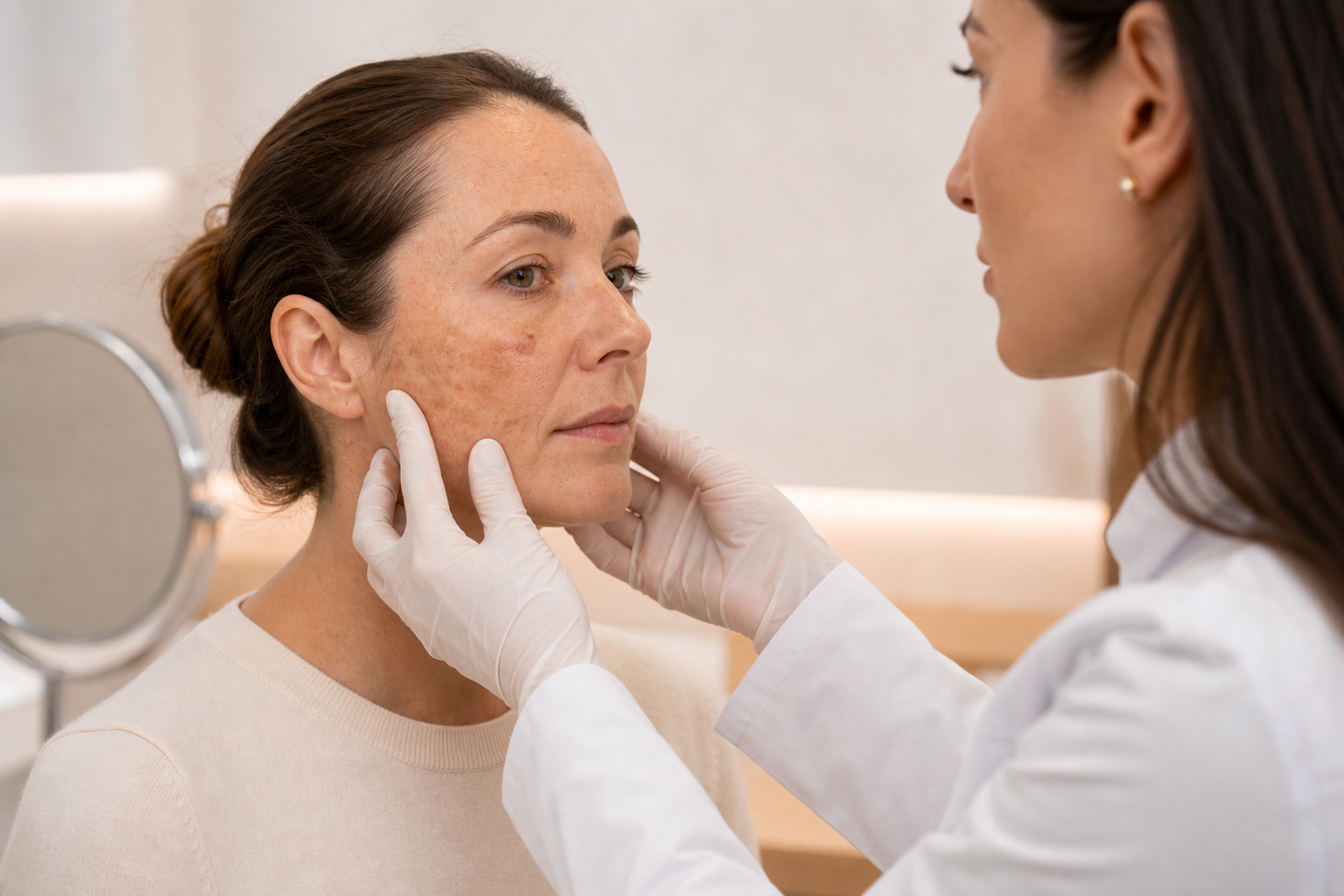
While visual assessment can provide strong clues, precise differential diagnosis typically requires a professional dermatological evaluation. Such assessment may involve specialized techniques like Wood's lamp examination, dermatoscopy, and photographic documentation. Self-diagnosis risks inappropriate treatment application and unintended skin harm.
When Is Dermatological Assessment Necessary Before Laser Treatment for Pigmentation?
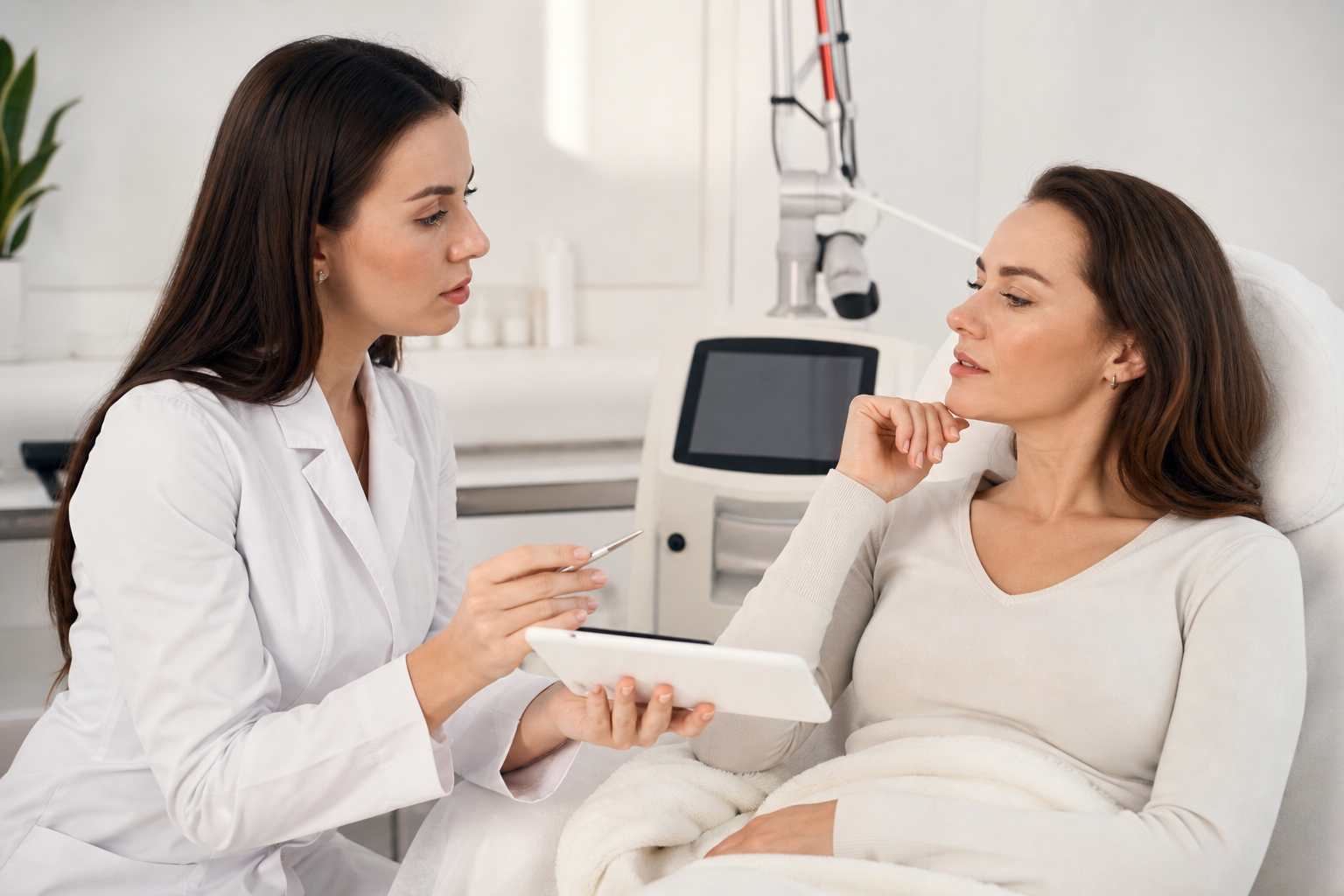
Laser treatments for pigmentation are widely popular and frequently offered in cosmetic settings. However, prior to any laser procedure, it is crucial to identify the exact type of pigmentation, its underlying causes, pigment depth, and associated risks.
A dermatologist, as a skin specialist, is able to determine whether the pigmentation resides in the epidermis, dermis, or both, which directly influences the choice of laser type and treatment protocol. Additionally, dermatologists can exclude dangerous lesions that may resemble benign pigmentation and decide on further diagnostic procedures or biopsies if necessary.
Such evaluation is particularly critical in melasma and in the presence of dark, irregular patches. Inappropriate laser treatment without accurate diagnosis can exacerbate the condition or result in permanent skin damage. Therefore, pre-treatment analysis including Wood’s lamp examination is an indispensable step in safely managing pigmented lesions.
What Risks Are Associated with Inadequate Treatment of Pigmentation Without Professional Guidance?
Attempting to treat pigmentation independently or through unlicensed cosmetic providers, absent a precise diagnosis, can lead to adverse outcomes. These include aggravated pigmentation, scarring, post-inflammatory hyperpigmentation (PIH), and, rarely, severe complications such as permanent scarring or failure to detect malignant changes.
For these reasons, embarking on laser or other intensive treatments without prior dermatological assessment is strongly discouraged. Regular skin monitoring and correct photoprotection practices are recommended preventive measures. When pigmentation becomes more pronounced or changes in appearance, immediate consultation with a dermatologist is essential.
How Do Laser Treatments Work for Removing Pigmentation, and What Are Specific Considerations for Freckles, Age Spots, and Melasma?
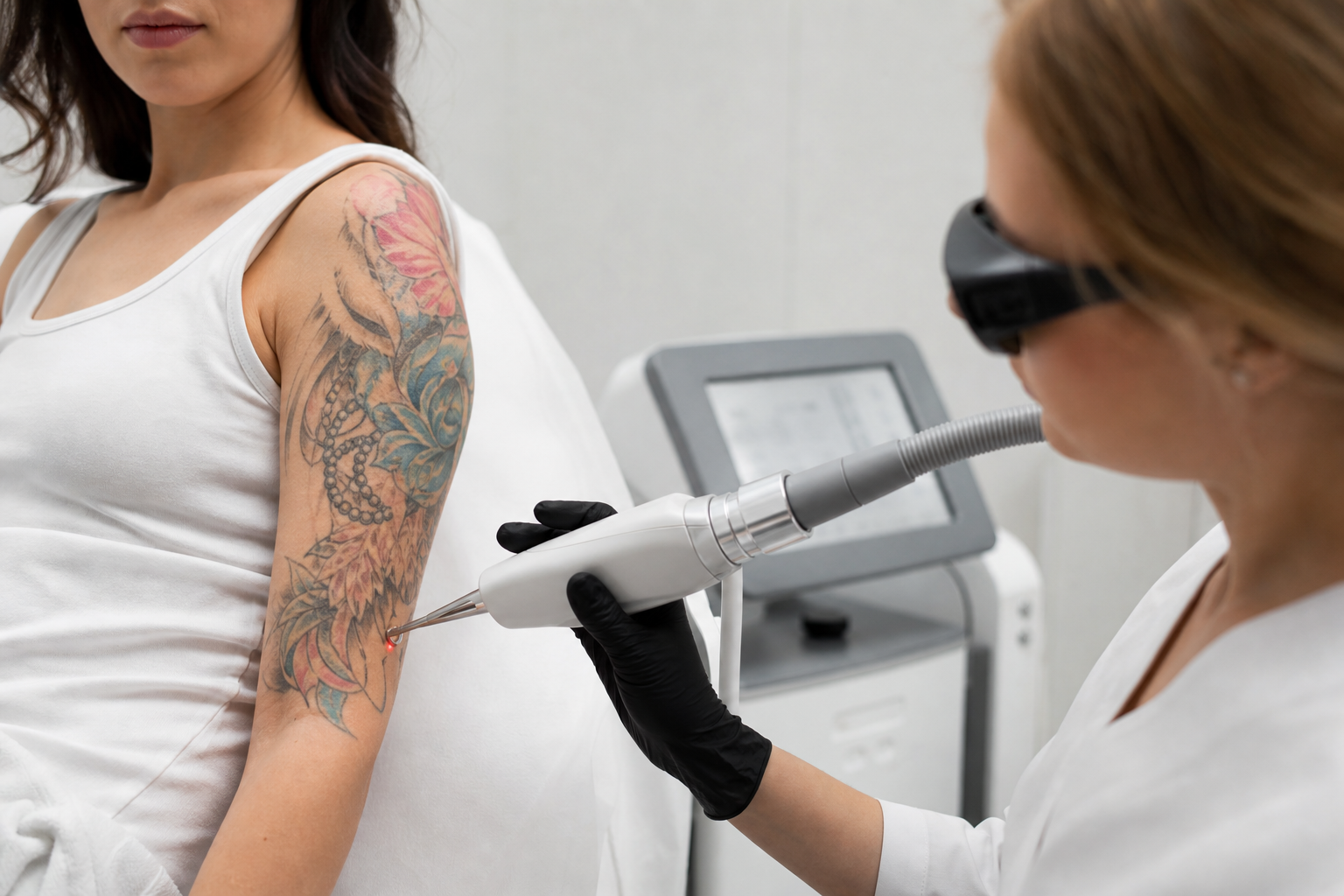
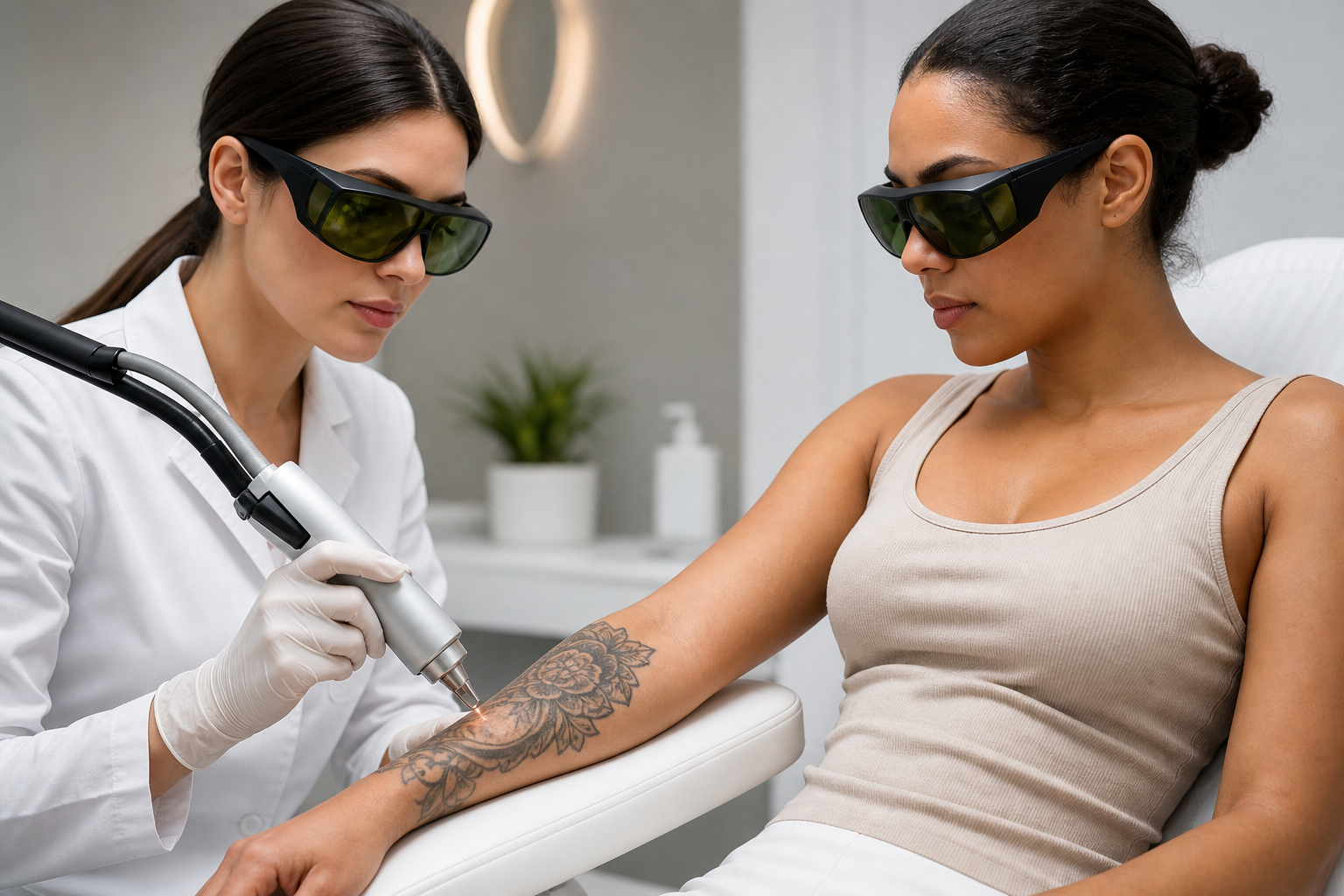
Laser therapies target melanin-rich cells using specific wavelengths of light, breaking down pigment into smaller fragments that the body subsequently eliminates naturally. For freckles and age spots, lasers such as Q-switched Nd:YAG, Alexandrite, or CO2 in targeted modes are commonly employed.
Melasma presents unique challenges due to pigment localization not only superficially but also deeper in the skin, combined with a tendency to recur influenced by hormonal and sun factors. Treatment of melasma often requires a multifaceted approach combining laser therapy, chemical peels, and topical agents with careful management to prevent exacerbation.
The choice of laser, treatment intensity, and protocol must be individualized based on pigment type and skin characteristics, necessitating involvement of a licensed dermatologist or medically qualified professional. Such an approach maximizes effectiveness while minimizing risks.