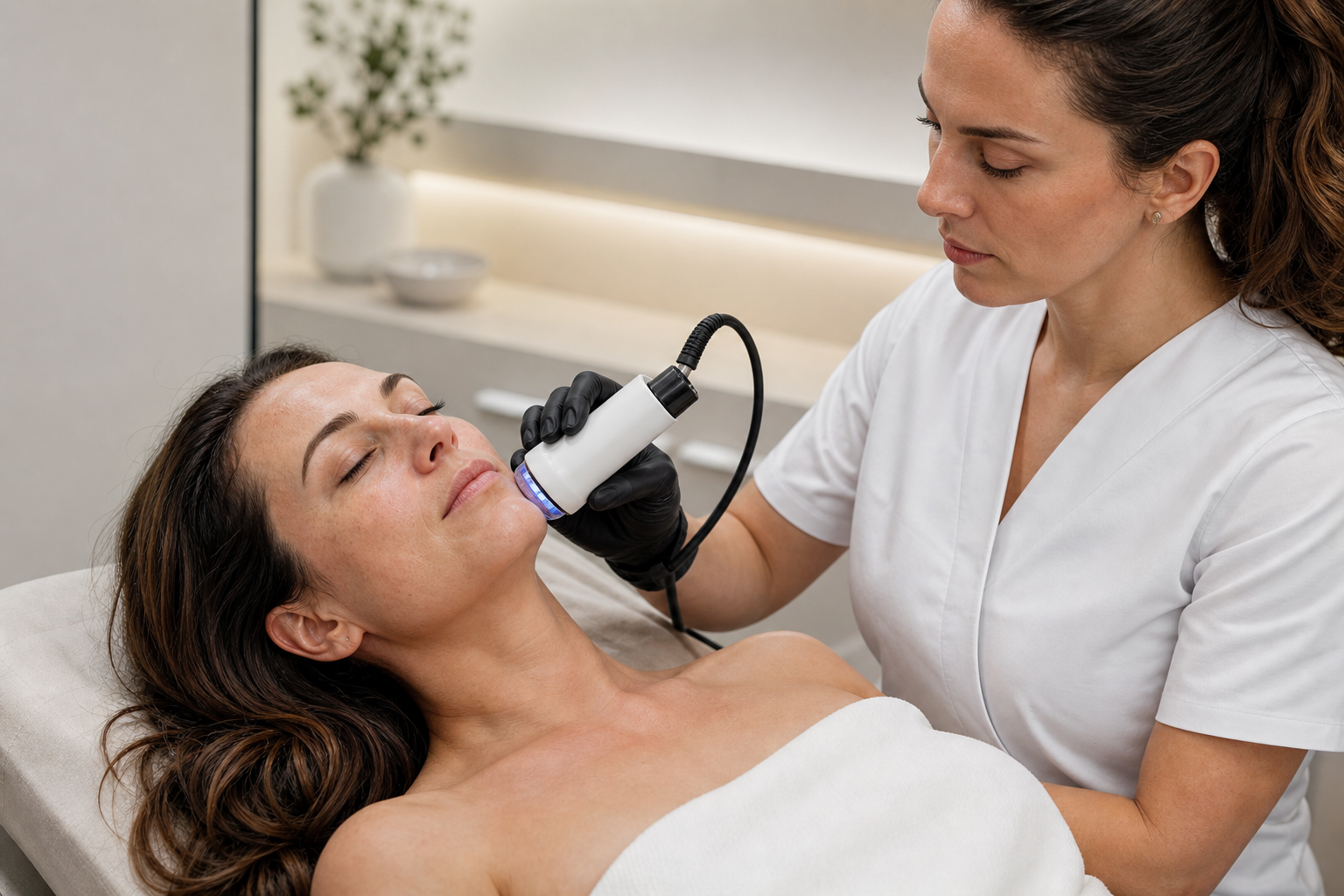
Facial RF treatment, commonly referred to as RF lifting or radiofrequency skin tightening, represents a significant advancement in non-invasive aesthetic procedures aimed at rejuvenating and tightening the skin. By utilizing radiofrequency waves to gently heat the deeper layers of the skin, this treatment stimulates the body's natural production of collagen and elastin—proteins essential for maintaining skin's firmness, elasticity, and youthful texture. As demand for effective yet minimally intrusive cosmetic solutions continues to rise, RF treatments have become increasingly popular among individuals seeking to enhance their skin's appearance without resorting to surgery or extensive recovery periods.
Understanding whether facial RF treatment is safe is paramount for anyone considering it. This concern is especially relevant given the variety of RF procedures available, each with unique mechanisms, benefits, and risk profiles. From noninvasive surface-level approaches to more complex methods like RF microneedling, safety considerations vary widely. Potential complications, contraindications, and the necessity of professional expertise underscore why knowledge about the procedure is essential before proceeding.
This comprehensive editorial addresses the critical question: Is facial RF treatment safe? It is written for prospective patients, skincare professionals, and anyone intrigued by modern skin rejuvenation technologies. We will explore the different types of RF treatments, their intended candidates, their potential benefits, the associated risks including recently highlighted warnings concerning RF microneedling, and how to select the appropriate specialist. By clarifying these topics, we aim to provide a balanced, informed perspective, empowering readers to make educated decisions about incorporating RF treatments into their skincare regimen.
What Is Facial RF Treatment and What Are Its Variants?
Radiofrequency (RF) treatment for the face harnesses electromagnetic waves in the radiofrequency spectrum to deliver controlled heat energy beneath the surface of the skin. This thermal stimulation promotes collagen and elastin production by activating fibroblasts, leading to improved skin tightness, enhanced texture, and reduced signs of aging such as fine lines and mild sagging.
There are several distinct variants of facial RF treatments, each differing in invasiveness, depth of energy delivery, and complexity. Recognizing these differences is crucial for understanding safety considerations and treatment effectiveness.
Noninvasive RF Treatments: These employ external applicators that do not penetrate the skin. The radiofrequency energy is delivered superficially, causing gradual heating in the dermis without damage to the epidermis (skin surface). This category includes devices with monopolar or bipolar RF technology and is typically painless with no downtime, making it suitable for a broad patient demographic seeking mild to moderate skin tightening.
Fractional RF Without Needles: This method uses a fractional delivery pattern to direct radiofrequency energy into precise areas of the skin surface, creating microscopically treated zones while sparing surrounding tissue. The fractional technology allows for improved collagen remodeling with a favorable safety profile due to limited epidermal injury.
RF Microneedling: A blend of microneedling—the process of puncturing the skin with fine needles—and radiofrequency energy delivered through the needles into the dermis. This approach is minimally invasive and allows for deeper heat penetration, leading to robust collagen stimulation. However, it is a more complex procedure requiring advanced training and carries higher risks of complications such as burns and scarring.
These variants differ not only in how they are performed but also in their indications and safety considerations, emphasizing the importance of selecting a treatment tailored to the individual's skin type, concerns, and medical history.
Who Is an Ideal Candidate for Facial RF Treatment and When Should Caution Be Exercised?
Facial RF treatments are suited primarily for individuals seeking to improve mild to moderate skin laxity, reduce fine lines, and enhance overall skin texture without the need for invasive surgery. Ideal candidates typically have early signs of aging—such as slight sagging, fine wrinkles, uneven tone—and are looking for a procedure with minimal discomfort and downtime.
However, candidacy must be carefully evaluated because several conditions contraindicate or warrant caution when considering RF treatments. Notably:
Individuals with Implanted Electronic Devices: Patients with pacemakers, implantable cardioverter-defibrillators (ICDs), or neurostimulators should avoid RF procedures as the electromagnetic fields may interfere with device function, posing significant health risks.
Metal Implants in Treatment Area: The presence of metal implants, such as plates or screws, can cause localized heating, potentially damaging tissue and causing burns.
Pregnant or Breastfeeding Women: Safety data are limited for RF treatments during pregnancy and lactation, making deferral of elective aesthetic procedures advisable in these populations.
Active Skin Inflammation or Infection: Conditions like acne outbreaks, dermatitis, or wounds in the treatment area can exacerbate with RF exposure and delay healing.
Tendency for Keloid or Hypertrophic Scarring: Some individuals have predispositions to problematic scarring, increasing the risk of adverse outcomes with invasive or semi-invasive RF methods.
Proper patient screening and detailed medical history evaluation conducted by a qualified professional are essential to determine suitability and optimize safety.
What Benefits Does Facial RF Treatment Offer?
The primary advantage of facial RF treatments lies in their ability to non-surgically tighten skin and stimulate collagen production, contributing to firmer, smoother, and more youthful skin. Unlike surgical facelifts, RF treatments do not require anesthesia or extended recovery time, allowing patients to resume daily activities almost immediately.
Additional benefits include:
Customization: Treatment parameters such as energy levels, session frequency, and target areas can be tailored to individual skin conditions and desired results.
Minimal Discomfort: Most noninvasive RF procedures are well tolerated with little to no pain sensation, sometimes accompanied by mild warming.
Versatility: RF can be used on multiple facial zones including cheeks, jawline, neck, and décolletage to address various signs of skin aging and laxity.
Gradual and Natural-Looking Results: The skin’s remodeling process unfolds over weeks to months, providing subtle, natural enhancement without the sudden changes sometimes associated with surgical interventions.
What Are the Potential Risks and Adverse Effects Associated with RF Treatments?
While facial RF treatments generally have a favorable safety profile, especially when performed by trained professionals, potential risks exist and should be considered thoroughly.
Thermal Burns: The most prevalent risk, burns arise if radiofrequency energy is delivered excessively or applied improperly, leading to overheating of the skin and underlying tissues. This risk increases with inadequate device calibration or operator inexperience.
Temporary Redness and Swelling: Mild erythema and edema are common immediately post-treatment but typically resolve within hours to a few days.
Scarring and Skin Texture Changes: Particularly with invasive variants like RF microneedling, there is a risk of uneven skin texture, scarring, or hyperpigmentation if skin trauma occurs.
Nerve Injury: Though rare, inadvertent damage to superficial nerves leading to numbness, tingling, or in severe cases motor dysfunction has been documented, especially when treatments involve aggressive energy delivery or in anatomically sensitive areas.
Fat Tissue Atrophy and Deformities: Some reports have linked invasive RF techniques to localized fat loss and contour irregularities, presumably due to thermal injury to subcutaneous fat.
A particularly noteworthy caution pertains to RF microneedling; on October 15, 2025, the FDA issued a safety communication highlighting serious complications including burns, scarring, fat loss, and nerve damage following such procedures. This underscores the critical need for these treatments to be performed exclusively within medical settings by credentialed professionals.
How Are Burns After RF Treatments Caused and How Can They Be Prevented?
Burns result from excessive thermal injury when the radiofrequency energy overheats skin layers beyond their tolerance. Causes may include improper device settings, prolonged exposure time, inadequate skin cooling mechanisms, or failure to adjust for patient skin type and thickness.
Prevention strategies comprise:
Proper Training and Certification: Ensuring operators have thorough knowledge of device mechanics, patient safety protocols, and emergency measures.
Pre-Treatment Skin Assessment: Evaluating skin type, sensitivity, and any abnormalities to customize treatment parameters accordingly.
Real-Time Temperature Monitoring: Using devices equipped with sensors to maintain safe thermal thresholds during treatment.
Skin Cooling Techniques: Application of cooling gels or chilled air to protect the epidermis during energy delivery.
Patient Feedback: Encouraging clients to promptly report any discomfort or unusual sensations during the procedure.
Can RF Treatments Cause Loss of Fat Tissue?
Yes, particularly with deeper penetrating or more aggressive RF methods such as RF microneedling, localized fat atrophy has been observed in isolated cases. This phenomenon is attributed to thermal damage affecting subcutaneous fat cells, resulting in volume loss and contour mechanical changes.
While this effect can sometimes be desirable for body contouring, unintended facial fat loss can lead to unevenness and aesthetic dissatisfaction. Thus, caution is warranted, especially in facial treatments where fat volume is critical to youthful appearance.
What Are the Special Considerations Regarding RF Treatments and Implanted Electronic or Metal Devices?
Patients with implanted electronic devices like pacemakers or defibrillators must avoid RF treatments, as radiofrequency energy can interfere with these systems, potentially causing malfunction or failure.
Similarly, metal implants within or near the treatment area pose concerns. Metal can conduct heat and intensify local energy absorption, leading to hotspots that increase burn risk.
Therefore, complete disclosure of medical devices and implants to the treating professional is essential to ensure safety and appropriate treatment modification or contraindication.
How to Choose the Right Specialist and Clinic for Your Facial RF Treatment?
The safety and success of facial RF treatments hinge significantly on the practitioner's expertise and the quality of the clinic. Selecting a licensed dermatologist, plastic surgeon, or board-certified aesthetic medical professional with proven experience in RF treatments is crucial.
When considering a provider, inquire about their credentials, training in the specific RF technology offered, and patient testimonials. Clinics should utilize FDA-cleared or equivalent certified devices and maintain rigorous hygiene and safety protocols.
Avoid clinics or salons without medical supervision or certification, as improper technique substantially elevates risk of adverse effects.
What Should Patients Expect Before, During, and After the Procedure?
Prior to treatment, a comprehensive consultation involves skin analysis, health history review, and discussion of expectations and potential risks. Photographs are often taken for baseline comparison.
During the procedure, patients may feel warmth or mild tingling as radiofrequency energy is delivered. Sessions typically last 30 to 60 minutes depending on the area treated.
Post-treatment effects commonly include transient redness and swelling lasting from a few hours to one day. Most patients can immediately resume normal activities without significant downtime.
Results develop gradually over weeks to months as new collagen forms, with optimal outcomes often achieved after multiple sessions spaced several weeks apart. Maintenance treatments help sustain improvements over time.


