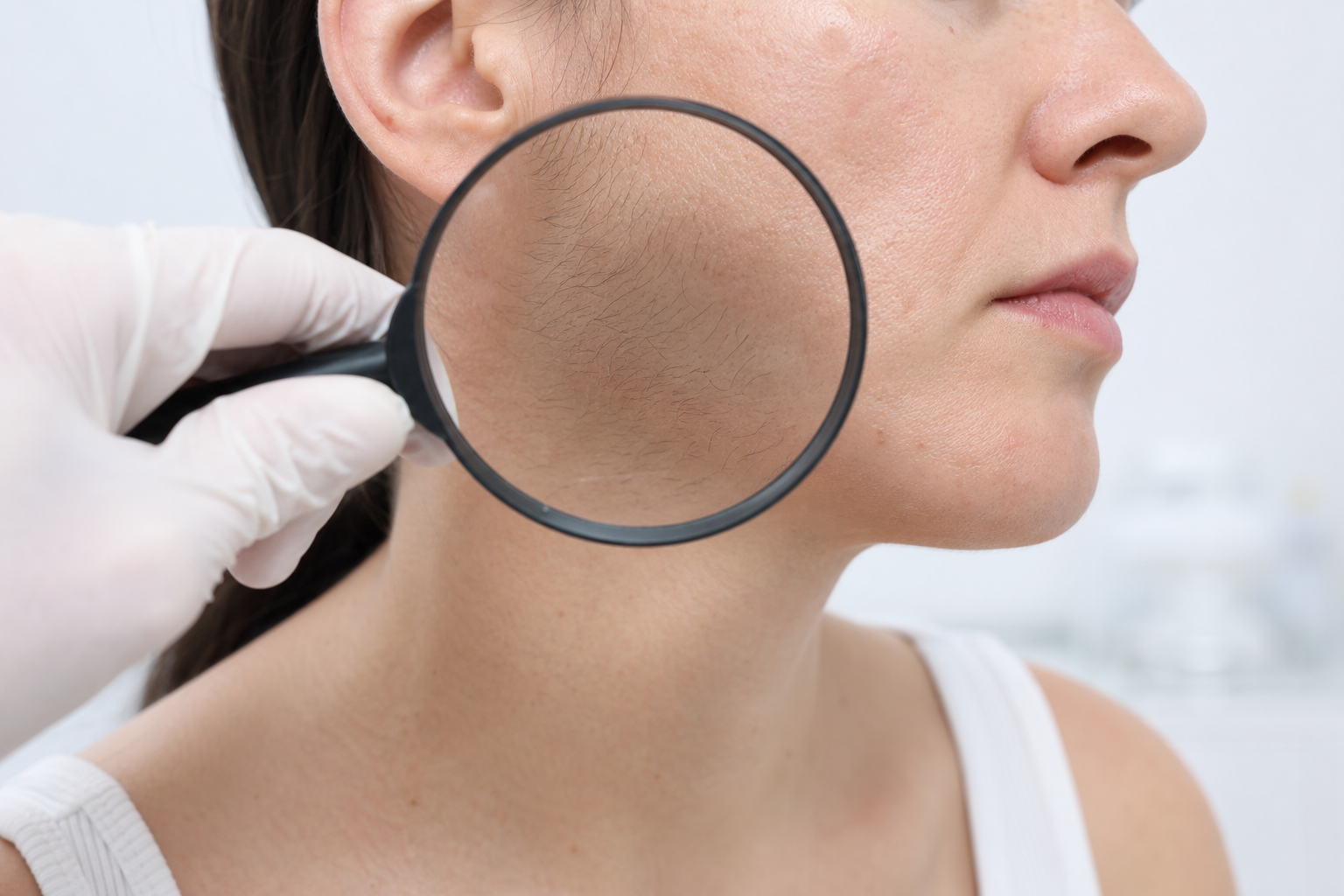
Hair growth influenced by hormonal factors presents a distinct and often concerning challenge for many individuals, particularly women, but men can also be affected. Understanding how to recognise hormonally influenced hair growth is essential not only for addressing aesthetic concerns but also for identifying possible underlying health conditions. This article addresses the subtle yet critical signs of hormonal hair changes, clarifying who should be attentive to these patterns, why accurate recognition matters, and how professional assessment is indispensable for diagnosis and treatment planning.
Whether you are noticing new coarse pigmented hair on your face or body, experiencing rapid changes in hair characteristics, or dealing with associated symptoms such as irregular menstrual cycles or acne, this guide helps you discern if hormones might be driving these changes. It offers insight into hair types, relevant diagnostic clues, and implications for treatment modalities like laser hair removal, especially important for those exploring long-term management of hormonally influenced hair growth.
This exploration is aimed at individuals grappling with unexpected hair growth, healthcare professionals seeking to deepen understanding of hormonal hair manifestations, and anyone considering safe and effective hair removal techniques in the context of hormonal fluctuations. Recognising the hormonal component early can guide appropriate clinical evaluation, support effective treatment, and improve overall well-being.
What Defines Hormonally Influenced Hair Growth and Who Experiences It?
Hormonally influenced hair growth occurs when shifts in the body's hormonal milieu, particularly involving androgens such as testosterone, stimulate changes in hair follicles. The resulting hairs are typically coarse, pigmented, and appear in androgen-dependent zones uncommon for dense hair growth, especially in women. This type of hair growth often signals underlying hormonal imbalances or conditions such as polycystic ovary syndrome (PCOS), hirsutism, adrenal gland disorders, or other endocrine dysfunctions.
Those most commonly impacted include women exhibiting elevated androgen levels, individuals with metabolic or endocrine disorders, and sometimes men experiencing hormonal fluctuations or imbalances. Recognising these patterns is crucial because hormonally driven hair growth is rarely an isolated cosmetic issue; it frequently reflects a systemic alteration requiring medical evaluation.
Understanding the hormonal etiology is vital for targeted interventions. For individuals considering options like laser hair removal, which depends heavily on hair characteristics, recognising the hormonal basis can inform treatment expectations and the need for adjunctive medical management to optimize results.
Which Hair Growth Patterns Suggest Hormonal Influence?
Hormonally influenced hair often manifests as new growth of coarse, pigmented terminal hairs in characteristic locations influenced by androgen receptors. These androgen-dependent areas include the upper lip, chin, jawline, chest, lower abdomen, inner thighs, and sometimes the back. The hair is markedly different from the fine, light vellus hairs naturally covering much of the body.
Rapid appearance or thickening of hair in these regions, especially if it involves conversion from vellus to terminal hairs, suggests heightened androgenic stimulation. Such rapid changes might be accompanied by additional symptoms like irregular menstrual cycles, acne outbreaks, increased sebaceous activity, or unexpected weight gain. The combination of these signs strengthens the suspicion of hormonal origin.
However, it is essential to note that hair appearance alone cannot conclusively establish a diagnosis of hormonal influence. A comprehensive clinical evaluation, including patient history, symptom correlation, and laboratory investigations, must guide assessment. Patterns like unilateral or patchy hair growth may require consideration of other dermatological or systemic conditions.


