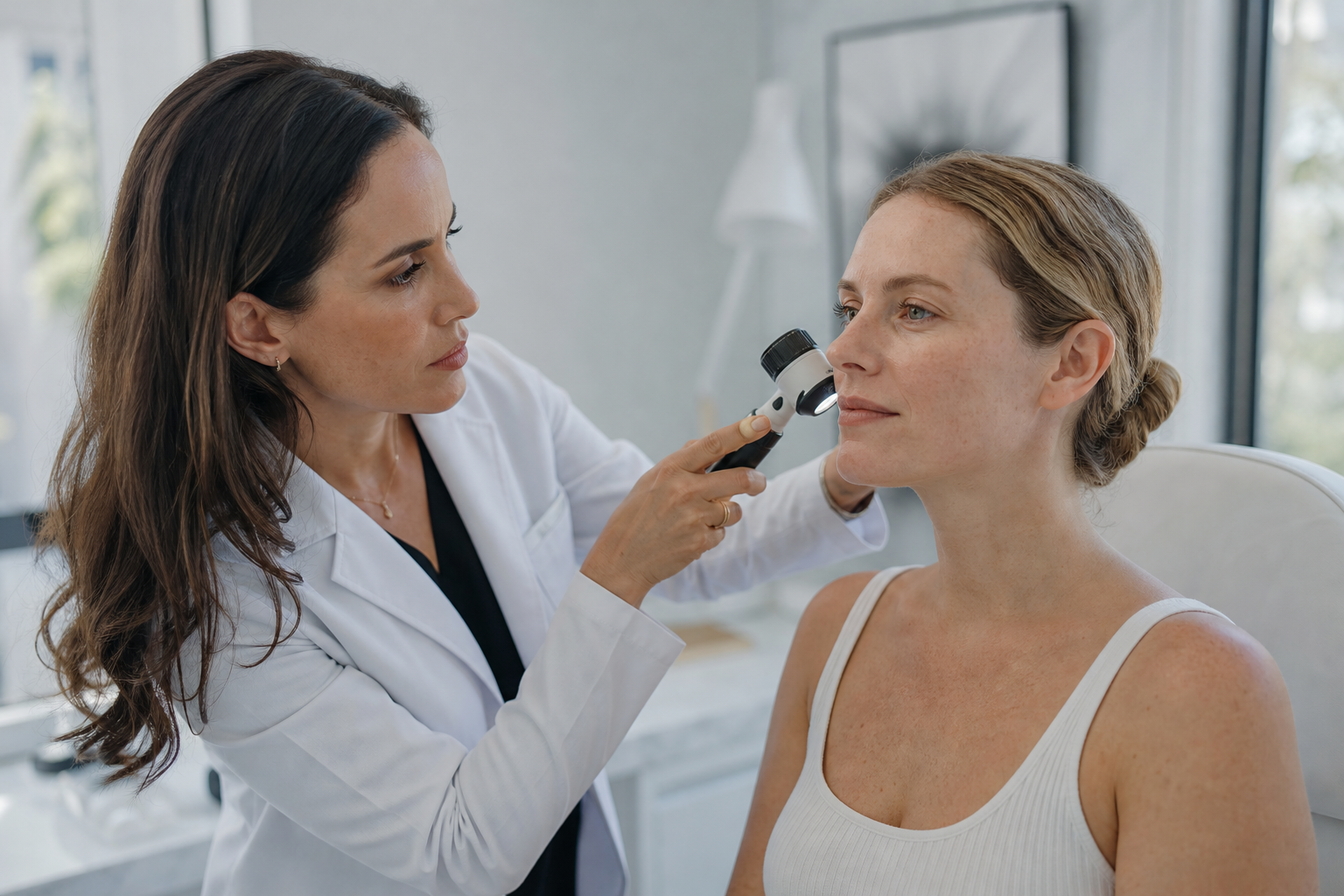
Rosacea is a chronic skin condition that primarily affects the central face, manifesting as persistent redness, visible blood vessels, inflammatory papules, and pustules. For those living with rosacea, these symptoms can substantially impact both physical appearance and quality of life. Naturally, individuals and dermatologists alike seek effective treatments that not only alleviate these visible signs but also address the underlying causes of the condition.
In recent years, laser therapy has emerged as a popular choice to manage the vascular symptoms associated with rosacea, particularly facial redness and visible vessels. However, a pressing question remains: Does laser treatment actually cure rosacea, or does it simply provide symptomatic relief? Understanding this distinction is crucial for setting realistic expectations and formulating comprehensive treatment plans.
This article explores the role of laser therapy in rosacea management, examining its benefits, limitations, and where it fits within the broader context of disease control. It is intended for patients seeking clear guidance on laser options for rosacea and clinicians aiming to provide evidence-based advice.
What Is Rosacea and How Does It Differ From Other Skin Conditions?
Rosacea is a multifaceted, chronic inflammatory skin disease characterized by a combination of persistent erythema (redness), telangiectasia (visible small blood vessels), inflammatory lesions, and, in certain cases, thickening of the skin, especially on the nose. Unlike common skin irritations, rosacea involves a complex interplay of vascular dysregulation, immune system activation, and environmental triggers.
It is important to distinguish rosacea from other dermatologic conditions that may present with similar redness or skin irritation, as treatment strategies differ substantially. For instance, dermatitis involves inflammation often caused by allergic reactions or irritants, leading to various rash presentations and itching. Sensitive skin is a descriptive term rather than a diagnosis and refers to skin prone to irritation without necessarily involving vascular changes or inflammation seen in rosacea.
Post-acne erythema, another condition that might be confused with rosacea-related redness, results from residual blood vessel dilation after acne heals. While both post-acne erythema and rosacea share vascular manifestations, their underlying pathophysiology and optimal management differ significantly.
Correctly identifying rosacea versus these possibly overlapping conditions is vital for selecting appropriate interventions. Misdiagnosis can lead to ineffective treatments and potential worsening of symptoms.
How Do Laser Treatments Work in Managing Rosacea?
Laser therapies target the vascular abnormalities characteristic of rosacea, specifically the dilated blood vessels that contribute to facial redness and visible telangiectasia. These treatments employ specific wavelengths of light that penetrate the skin and are selectively absorbed by hemoglobin within blood vessels.
The absorbed energy is converted to heat, which coagulates the dilated capillaries and small veins, leading to their gradual closure and resorption by the body. As a result, the visible redness and vascular lesions diminish, improving the skin's appearance.
Importantly, laser treatments primarily address the superficial vascular component and associated inflammation. They do not directly impact other pathogenic factors of rosacea, such as immune dysregulation, microbiome imbalance, or triggers like sun exposure and stress.
This makes laser therapy a powerful tool for reducing the burden of facial redness and improving patient confidence but not a standalone cure for the disease itself.
Can Laser Therapy Completely Cure Rosacea?
Current scientific understanding and clinical experience indicate that laser treatments do not cure rosacea. The condition is chronic and multifactorial, involving intricate internal and external factors that extend beyond visible blood vessels.
While laser therapy can significantly reduce the most distressing symptoms, such as persistent facial redness and prominent blood vessels, it does not eradicate the underlying disease process. Rosacea’s triggers and inflammatory pathways remain active even after vascular lesions improve.
Consequently, symptoms often recur or persist despite repeated laser sessions if other aspects of disease management are not addressed. Patients may require ongoing combined therapeutic approaches, including topical or systemic medications, lifestyle modifications, and avoidance of known aggravating factors.
Hence, laser therapy should be viewed as an integral component of symptom management rather than a definitive cure.
Who Are the Ideal Candidates for Laser Treatment of Rosacea?
Laser treatment is particularly recommended for patients with rosacea who exhibit a dominant vascular phenotype. This includes individuals experiencing noticeable and persistent facial redness, especially when accompanied by visible telangiectasia and capillary dilation.
Patients with mild to moderate rosacea that presents predominantly with inflammatory lesions but limited vascular features might gain some benefit from laser therapy as an adjunct, but other treatment modalities usually form the cornerstone of care.
It is essential for candidates to undergo thorough clinical evaluation by a dermatologist to confirm the diagnosis of rosacea and rule out other similar-appearing conditions such as dermatitis or post-acne erythema. Such differentiation guides therapeutic decisions and optimizes treatment outcomes.
Moreover, individuals with sensitive or fragile skin require cautious selection of laser parameters to minimize the risk of irritation, burns, or exacerbation of symptoms.
What Should Patients Expect During Preparation and the Course of Laser Therapy?
Before laser treatment, patients typically undergo a comprehensive dermatologic assessment that includes discussion of medical history, previous therapies, symptom triggers, and skin examination. Clear communication about treatment goals and realistic expectations is critical.
Preparation guidelines generally involve avoidance of sun exposure prior to sessions and application of sun protection to reduce the risk of adverse effects. Patients are advised to stop topical agents that increase skin sensitivity ahead of treatment when recommended by their physician.
The laser procedure itself is usually performed in multiple sessions spaced several weeks apart to allow for skin recovery and gradual improvement. Sessions involve the application of laser light over affected skin areas, which might be accompanied by mild discomfort described as warmth or stinging.
After treatment, transient side effects such as redness, swelling, or mild tenderness may occur but generally resolve within days. Adherence to post-treatment skincare instructions is important to facilitate healing and maximize results.
Visible improvement in redness and vessel visibility often becomes apparent over several weeks following completion of therapy, though maintenance treatments might be necessary for sustained benefits.
What Are the Alternatives and Complements to Laser Treatment for Rosacea?
Laser therapy does not function in isolation and often forms part of an integrated treatment strategy. Alternative or complementary methods include topical medications such as metronidazole, azelaic acid, ivermectin, and brimonidine, which address inflammation and redness through various mechanisms.
Systemic options like oral antibiotics (e.g., doxycycline) or isotretinoin may be prescribed for moderate to severe inflammatory rosacea to reduce flare-ups and control underlying inflammation.
Lifestyle modifications, including sun avoidance, use of broad-spectrum sunscreen, stress management, and identification of personal triggers, are foundational in controlling disease activity.
Phototherapy with intense pulsed light (IPL), though distinct from laser therapy, offers additional vascular treatment possibilities, especially for those who might not be candidates for certain laser wavelengths.
The choice among these treatments depends on rosacea subtype, severity, patient preferences, and tolerance, highlighting the importance of a personalized approach.
How Can Patients Differentiate Rosacea From Sensitive Skin to Avoid Unnecessary Laser Treatments?
Rosacea and sensitive skin can present similarly with facial redness and discomfort, but their management diverges significantly. Sensitive skin refers to a predisposition to react negatively to environmental factors or skincare products without the chronic inflammatory or vascular features of rosacea.
Diagnostic criteria for rosacea include persistent central facial redness lasting over months, visible telangiectasia, inflammatory pustules or papules, and sometimes facial flushing. Sensitive skin typically lacks these persistent vascular or inflammatory signs.
Because laser treatments target vascular lesions, their use in individuals with mere skin sensitivity but no true rosacea is usually inappropriate and may exacerbate symptoms.
A careful dermatologic assessment is imperative to make this distinction and to prevent undesired treatment outcomes.


