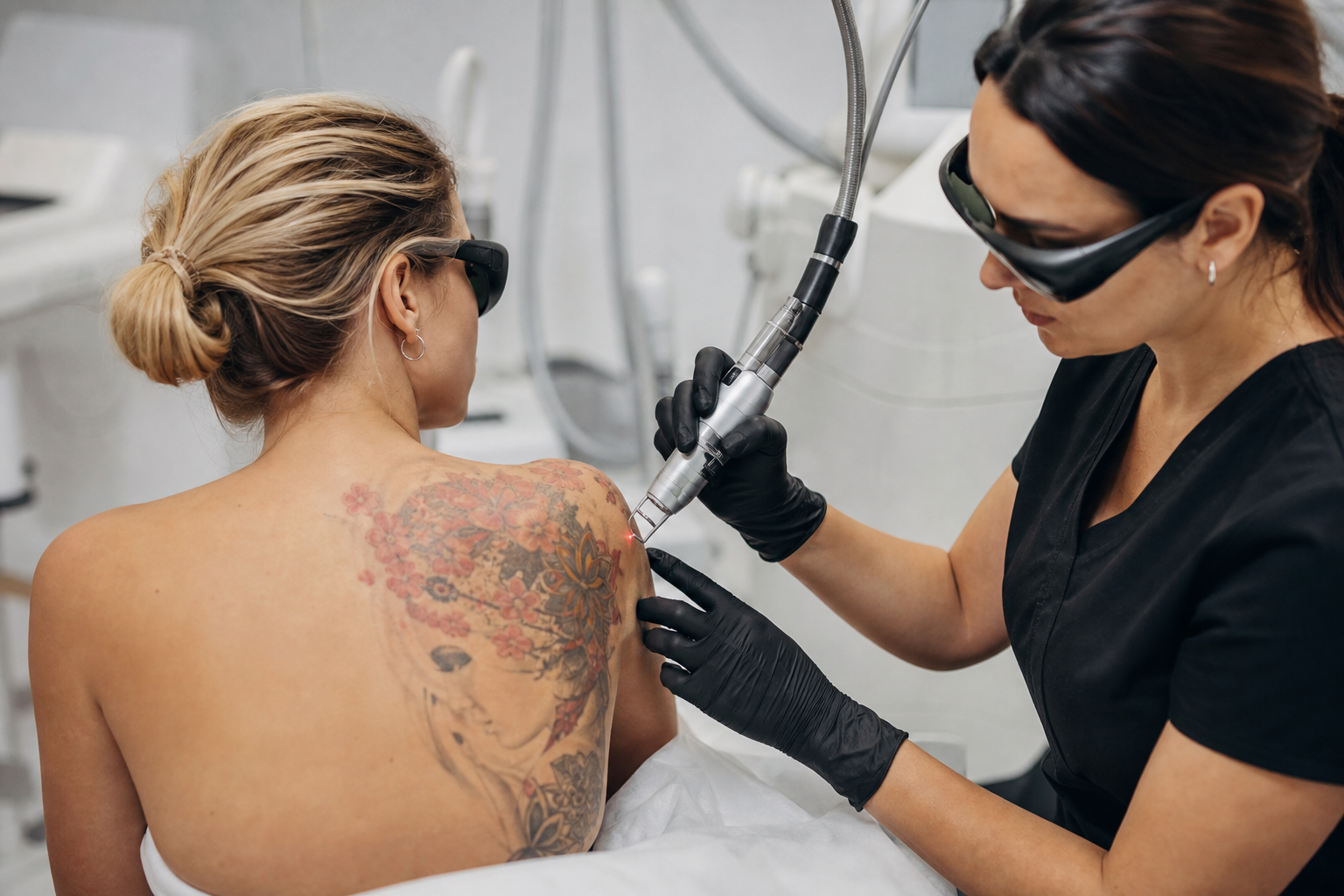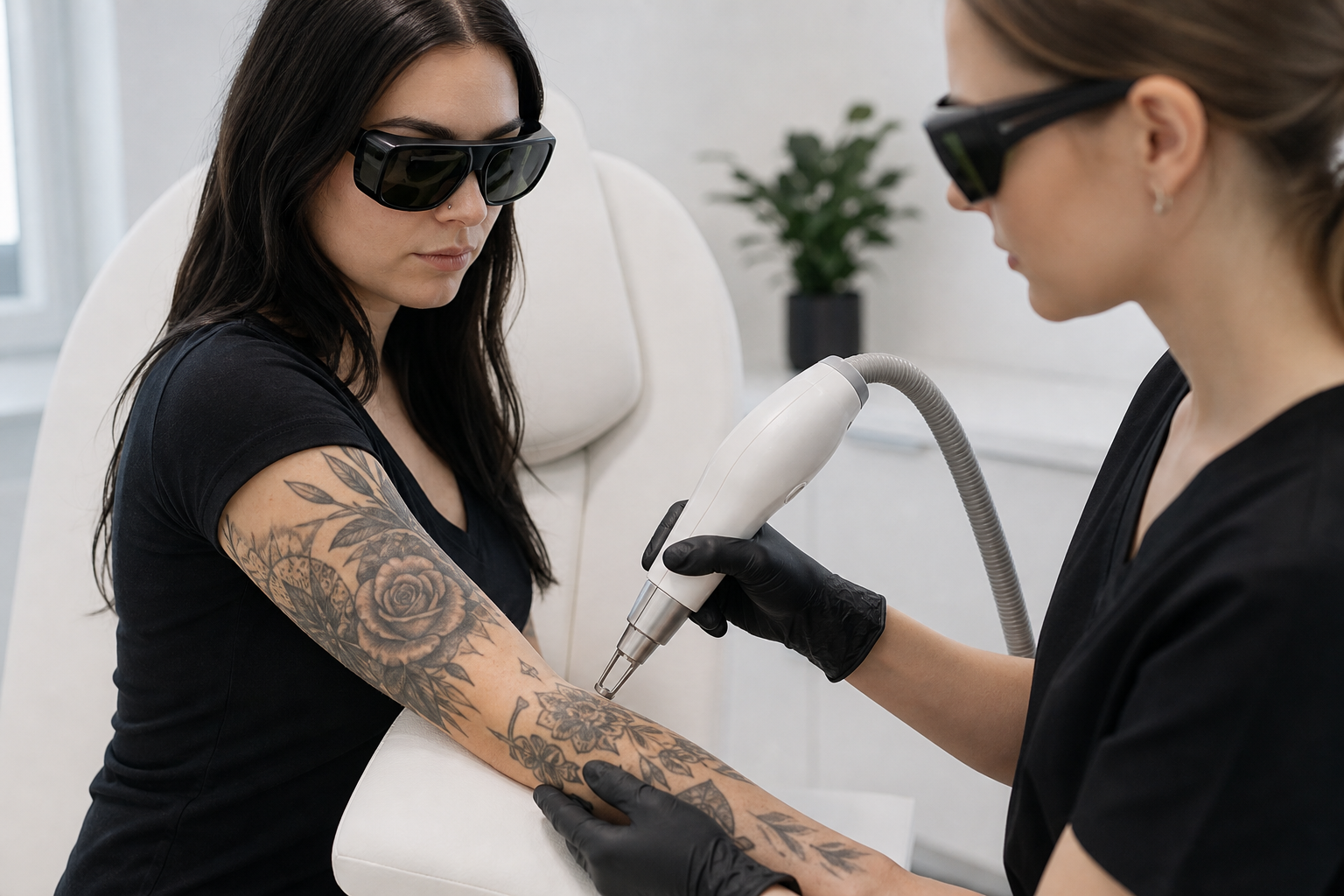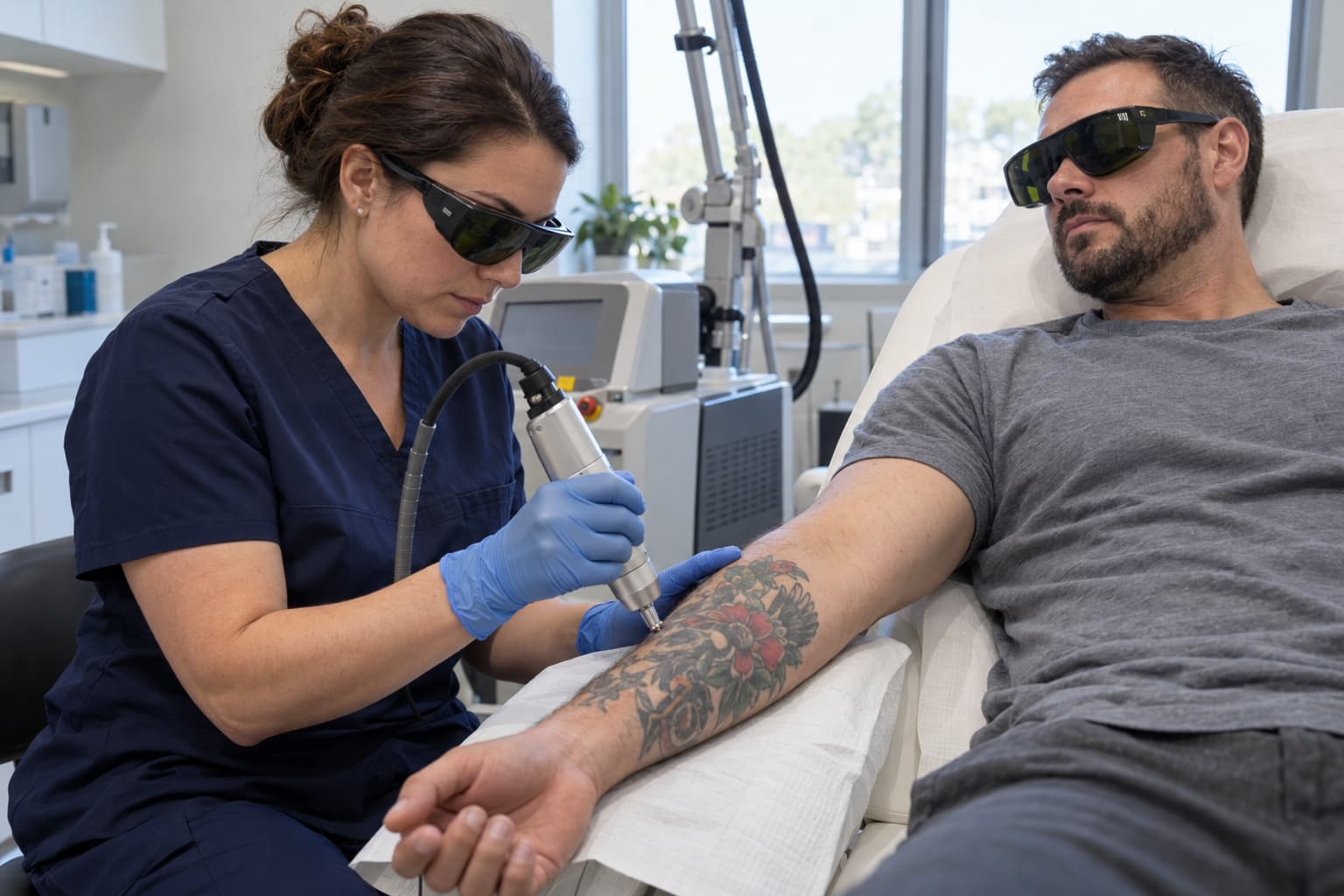
Tattoo removal has become an increasingly sought-after procedure within contemporary dermatological and aesthetic practice. Given that tattoos represent permanent alterations to the skin, the decision to remove them is far from straightforward. It demands careful evaluation, understanding of the available techniques, and maintaining realistic expectations about the outcomes. One critical factor influencing the success and efficiency of tattoo removal is the colour of the ink used. This article aims to clarify which tattoo colours are easiest and hardest to remove, an essential consideration for anyone contemplating this procedure.
This comprehensive exploration is intended for individuals considering tattoo removal, whether due to changes in personal style, professional requirements, or evolving personal preferences. It is equally valuable for dermatologists, cosmetologists, and laser therapy specialists who must understand how various ink colours respond to laser treatments. Such knowledge assists in establishing realistic expectations and formulating optimized treatment plans while minimizing the risk of adverse effects.
We will delve deeply into the science behind how tattoo ink colour impacts laser removal efficacy, identify which hues yield the most favourable results, elucidate the challenges posed by certain pigments, and explain why individual skin characteristics and ink composition play vital roles. Ultimately, this informed perspective supports responsibly tailored approaches to tattoo removal.
Why Does the Colour of a Tattoo Matter in Removal Procedures?
Tattoo removal primarily relies on laser therapy, where pulsed laser light of specific wavelengths targets ink pigment particles embedded in the dermis. The physical principle involved is selective photothermolysis—the laser emits light absorbed preferentially by the tattoo pigment, which then shatters the ink particles, allowing the body's immune system to gradually clear them away.
Each ink colour absorbs light differently because pigment molecules interact with particular wavelengths uniquely. For example, black and dark blue inks absorb a broad range of laser wavelengths efficiently, making them more responsive to laser treatment. Conversely, lighter colours such as yellow, white, or beige pigments absorb less laser light, making their removal more challenging due to insufficient energy absorption to fragment the pigment particles reliably.
Additionally, the ink colour can influence the skin’s response post-procedure. Certain colours are more prone to triggering undesired effects such as paradoxical darkening, where treated areas may darken instead of lighten. Thus, understanding the interplay between colour, laser wavelength, and skin biology is essential for an effective and safe removal process.
Which Tattoo Colours Are the Easiest to Remove and Why?
Among all tattoo colours, black ink stands out as the easiest and most reliably removed by laser treatments. This is primarily because black pigment absorbs almost all wavelengths of laser light, allowing the laser energy to be used effectively for breaking down the ink particles. As a result, black tattoos typically require fewer laser sessions, often between 5 to 8 treatments, to achieve significant fading or near-complete removal.
Dark blue shades, often resulting from the mixture of black and blue pigments, also respond favourably to laser removal. Modern laser devices such as Q-switched and picosecond lasers target wavelengths optimized for these colours, enhancing removal effectiveness. These advanced lasers emit ultra-short pulses, minimizing damage to surrounding tissue while concentrating power on ink pigments.
Red ink, although slightly more complex due to variations in pigment chemistry, generally falls into the category of removables with favorable outcomes. With tailored laser wavelengths and protocols, red pigments can be efficiently fragmented, although they may require more sessions or specialized settings compared to black or dark blue inks.
What Makes Certain Tattoo Colours Harder to Remove?
Colours such as green, blue, yellow, white, and beige pose significant challenges during removal, primarily due to their weak absorption of conventional laser wavelengths. For green and some blue pigments, the laser light often reflects or transmits through rather than being absorbed fully, diminishing the laser’s capacity to disrupt the pigment molecules.
The removal of these colours often necessitates longer treatment courses, sometimes exceeding 10 sessions, and the use of multiple laser types or wavelengths, such as Nd:YAG lasers set to 532 or 1064 nanometres, or high-intensity picosecond lasers. These specialized devices can better target the absorption spectra of refractory colours.
Yellow and light colours like white and beige present the greatest obstacle. They absorb laser light poorly, resulting in inefficient pigment breakdown and slower fading. Moreover, there is a risk of paradoxical darkening—an unintended intensification of the pigment's appearance following treatment—because of the chemical reactions triggered within these pigments or increased melanocyte activity in surrounding skin.
Such risks underscore the necessity for careful patient evaluation, conservative laser parameter selection, and realistic communication about probable outcomes.
How Do Ink Composition and Quality Affect the Removal Process?
The difficulty in tattoo removal is not solely dictated by colour but also heavily influenced by the chemical composition and quality of the ink. Professional tattoo inks generally consist of homogenous pigment particles of known molecular structures, whereas amateur or homemade inks may incorporate unpredictable materials, impurities, or larger particle aggregates.
High-quality inks with standardized constituents tend to respond more predictably to laser disruption, making the removal process more efficient and safer. By contrast, inks with inconsistent composition may deeply embed in skin layers or react unexpectedly to laser exposure, slowing clearance and heightening the chance of complications.
Furthermore, each individual’s immune response and skin characteristics determine how effectively fragmented pigment particles are cleared. A robust immunological reaction facilitates better results, reinforcing the need for treatments to be medically supervised with personalized prognoses.
What Role Do Laser Devices and Professional Assessment Play in Successful Tattoo Removal?
Successful tattoo removal hinges on the judicious selection of laser devices, calibrated treatment parameters, and meticulous clinical evaluation. Different lasers emit various wavelengths suited to distinct pigment colours, and treatment must be customized accordingly.
For example, Q-switched Nd:YAG lasers at 1064 nm are optimal for black and dark blue inks, whereas 532 nm wavelengths can more effectively target red and orange pigments. Picosecond lasers, delivering even shorter pulses, have demonstrated enhanced efficacy across several hues with fewer treatments and reduced skin damage.
Comprehensive patient consultation involves evaluating the tattoo’s age, ink colours, skin type, medical history, and previous treatments. This assessment guides the development of a safe and effective treatment plan, mitigating risks such as scarring, pigment retention, or paradoxical hyperpigmentation.
It is imperative to avoid do-it-yourself attempts or unregulated procedures. Only licensed specialists experienced in laser tattoo removal should undertake these treatments, ensuring professional oversight and adherence to best practices.
When is the Right Time to Begin Tattoo Removal and How to Prepare?
Timing and preparation significantly impact the success and safety of tattoo removal. Prospective patients should avoid excessive sun exposure or tanning in the area targeted for removal, as increased melanin can absorb laser energy and amplify the risk of burns or pigmentation changes.
Preparation also includes a thorough discussion about the patient’s tattoo history, potential allergies to ink components, and expectations regarding fading and removal. Individuals must be informed that tattoo removal is a gradual process requiring multiple sessions spaced apart to allow skin healing and pigment clearance.
The process might range from several months to over a year depending on the tattoo’s complexity and colour. Patience and adherence to aftercare instructions, including sun protection and skin moisturization, are paramount.
What Are Realistic Expectations and Outcomes for Removing Different Tattoo Colours?
While advances in laser technology have markedly improved tattoo removal outcomes, it is important to maintain realistic expectations. Black and dark blue tattoos often exhibit the most pronounced fading or complete clearance within relatively fewer sessions. Red tattoos respond well but may require tailored approaches.
In comparison, removal of green, blue, yellow, white, and beige tattoos is slower, sometimes incomplete, and may leave residual pigmentation or slight scarring. Some colours, by virtue of their chemistry and interaction with laser light, resist eradication indefinitely despite repeated treatments.
Ultimately, many patients achieve substantial lightening suitable for covering with new tattoos or appearance improvement, but complete invisibility is not guaranteed. Transparent communication of these possibilities is a crucial component of patient care.