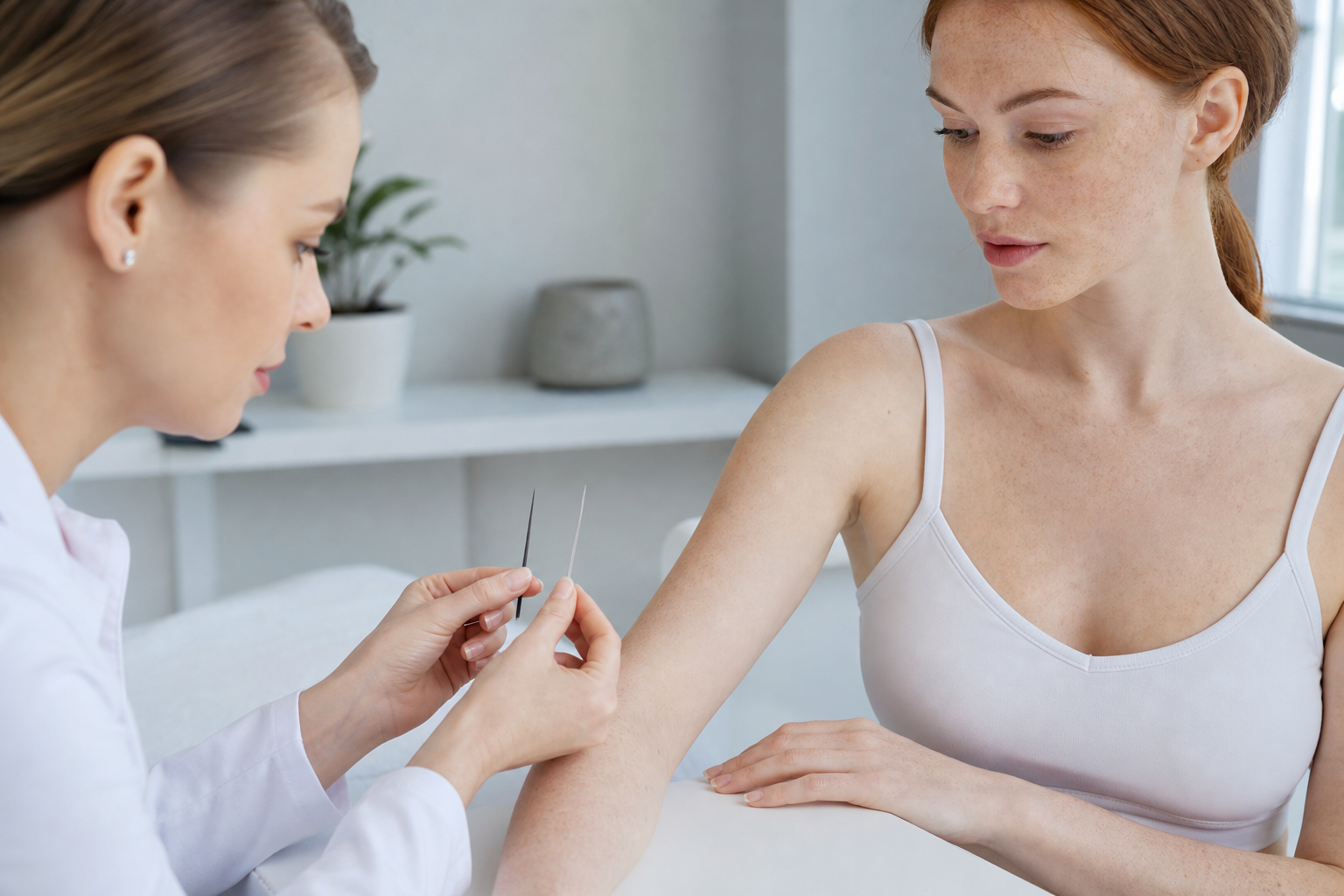
Laser hair removal for light skin is a widely sought-after cosmetic treatment aimed at reducing or permanently removing unwanted hair with precision and minimal discomfort. This procedure harnesses focused beams of light to target hair follicles, reducing hair growth over time. For individuals with light skin tones, understanding the interplay between their skin tone and hair pigmentation is crucial to achieving optimal and safe results. Light skin, often characterized by its lower melanin content, offers unique advantages for laser treatments, yet it is not an automatic guarantee of efficacy or safety.
This comprehensive article is intended for people considering laser hair removal with light skin, as well as dermatologists and laser technicians who wish to deepen their understanding of treatment nuances. We explore important factors such as how contrast between light skin and hair color affects laser absorption, the challenges associated with red, blonde, grey, and fine hairs, as well as the impacts of sun exposure and skin sensitivity. Knowledge about the selection of appropriate technologies and parameters, preparation protocols, and the importance of professional testing will empower patients to make informed treatment decisions and professionals to deliver safe, effective care.
Given the complexities involved, it is essential to approach laser hair removal for light skin with a balanced perspective, avoiding overly simplistic promises or unsupported do-it-yourself approaches. By delving into the science behind laser-tissue interaction and practical guidance, readers will gain clarity on what to expect, how to prepare, and how to maximize outcomes in this popular aesthetic procedure.
Why Contrast Between Light Skin and Dark Hair Is Vital for Laser Hair Removal
At the core of laser hair removal lies the principle of selective photothermolysis, where laser light targets melanin—the pigment responsible for color in both hair and skin. When laser energy is absorbed by melanin in the hair follicle, it converts into heat, damaging the follicle and inhibiting future hair growth. The success and safety of this process hinge on the contrast between hair pigmentation and surrounding skin color.
In individuals with light skin and dark hair, the contrast is significant: the relatively low melanin concentration in the epidermis means laser energy is predominantly absorbed by the darker hair follicles. This reduces the risk of damage to surrounding skin and increases the likelihood of effective hair follicle destruction. Therefore, light skin with dark hair has been considered the ideal candidate for most laser systems commonly used in hair removal.
However, light skin tone alone does not guarantee successful hair removal. Factors such as hair color, hair thickness, skin sensitivity, and any prior skin tanning critically influence outcomes. Insufficient contrast—such as when hair color is similar in tone to skin color—diminishes laser selectivity, reducing efficacy and raising the possibility of side effects like burns or pigmentation changes. Consequently, the careful evaluation of both skin and hair characteristics remains indispensable before initiation of treatment.
How Non-Dark Hair Colors Affect Treatment Effectiveness
While dark pigment in hair significantly contributes to laser absorption, many patients present with hair colors that pose challenges. Red, blonde, grey, white, and very fine hairs contain less melanin or different types of melanin, which affects laser affinity and treatment success.
Red and Blonde Hair: These hair colors have lower eumelanin but higher pheomelanin content, which absorbs less laser energy. Consequently, traditional laser hair removal devices might struggle to achieve lasting follicle damage. Some specialized laser systems have been designed or adapted to improve results for lighter hair colors, though multiple sessions with adjusted parameters are often required.
Grey and White Hair: Almost devoid of melanin, grey and white hair generally remain impervious to laser treatment. Alternative hair removal techniques such as electrolysis are preferred for these hair types, offering direct follicle destruction without reliance on pigment absorption.
Fine or Low-Melanin Hair: Very thin or lightly pigmented hairs present a similar challenge, with minimal energy absorption leading to suboptimal results. Practitioners may employ specific laser wavelengths and pulse durations to target these hairs more effectively, but patient expectations need to be managed appropriately.
Understanding Sun Exposure and Skin Sensitivity in Preparation and During Treatment
Light-skinned individuals often have a heightened propensity for sunburns and UV-induced skin changes. This skin sensitivity requires careful management in the context of laser hair removal to minimize adverse reactions and maximize efficacy.
Suntanning and Laser Risks: UV exposure increases melanin production in the epidermis, reducing the contrast between skin and hair. When melanin in skin absorbs excessive laser energy, it can lead to burns, hyperpigmentation, or hypopigmentation. Therefore, it is generally advised to avoid sun exposure, tanning beds, and any artificial tanning for several weeks before and after treatment sessions.
Skin Sensitivity Considerations: Light skin types, especially those classified within the lower Fitzpatrick skin types, may exhibit more pronounced reactions to laser treatments. Sensitive skin benefits from pre-treatment conditioning, including moisturizing and the avoidance of irritants, to ensure an even skin surface and reduce the risk of side effects.
Choosing the Appropriate Laser Technology and Settings for Light Skin
Technological advancements have produced several laser systems suitable for use on light skin, but choosing the correct one and configuring parameters properly is essential for safety and effectiveness.
Common Laser Types:
Alexandrite Laser (755 nm): Widely regarded as a gold standard for laser hair removal on light to olive skin, the alexandrite laser offers rapid repetition rates and significant melanin absorption, enabling efficient follicle targeting while preserving surrounding tissue.
Diodine Laser (800-810 nm): The diode laser has a moderate wavelength allowing for deeper penetration and reduced epidermal melanin absorption, making it versatile across various skin types, including lighter and medium tones.
Nd:YAG Laser (1064 nm): Though more commonly used for darker skin due to its deeper penetration and lower melanin absorption in the epidermis, the Nd:YAG can be employed in light skin for thick or coarse hair in specific areas.
Parameter Adjustment: Customized settings concerning fluence (energy density), pulse duration, and spot size must be meticulously chosen based on the individual's skin phototype, hair color, hair thickness, and treatment area. Overexposure or improper parameters heighten side effect risks, while underexposure can limit treatment effectiveness.
Preparation and Sensitivity Testing Are Key to Safe and Effective Outcomes
Before a full laser hair removal treatment course begins, a series of preparatory steps and safety measures are crucial, particularly for those with light skin.
Pre-Treatment Skin Care: Patients should avoid sun exposure and tanning, discontinue photosensitizing agents if possible, and maintain well-hydrated skin. Shaving the treatment area before sessions helps the laser focus on follicles rather than surface hair.
Test Spot Procedures: Conducting a test treatment on a small patch of skin helps assess individual skin response, tolerability, and response to chosen laser settings. This step is fundamental in customizing treatment plans and avoiding adverse events such as burns, discoloration, or unexpected sensitivities.
Medical Consultations: A thorough medical history and skin examination help identify contraindications and optimize timing and technique. Special considerations are warranted for skin with pre-existing conditions or recent sun damage.
The Importance of Professional Guidance and Avoiding DIY or Universal Promises
Laser hair removal is a precision medical procedure that requires expertise and experience. The emergent market of home-use laser devices and universal treatment claims demands caution, especially for individuals with light skin who may be more prone to sensitivity.
Risks of Unsupervised Use: Inappropriate laser settings, ineffective device calibration, or lack of skin evaluation can lead to serious complications, including burns, scarring, uneven pigmentation, or inadequate hair removal. Light skin, while generally safer than darker skin in laser treatments, carries unique sensitivities that cannot be adequately addressed without professional oversight.
Value of Expert Assessment: Certified dermatologists or trained laser technicians provide consultations that tailor protocols to individual skin and hair characteristics, monitor incremental progress, and intervene promptly if side effects arise. This expert care enhances not only efficacy but also patient safety and satisfaction.
How Skin Color Influences Laser Hair Removal Outcomes and What Research Shows
Skin color, classified by systems such as the Fitzpatrick scale, is a critical parameter in predicting laser hair removal success and risk management.
Research consistently indicates that lighter Fitzpatrick skin types (I-III) generally have more predictable and effective responses to standard laser hair removal systems due to high contrast and lower epidermal melanin. However, even within lighter skin groups, variables like vascularity, pigmentary disorders, and skin thickness may modulate outcomes.
Understanding these nuances informs device selection and parameter modulation. For example, while the alexandrite laser excels in lighter skin, alternative devices may be required for patients with atypical pigmentation profiles or hair characteristics. Thus, individualized assessments remain the cornerstone of evidence-based laser hair removal practice.
Practical Advice for Individuals with Light Skin Considering Laser Hair Removal
For those seeking laser hair removal on light skin, navigating the journey with informed steps enhances safety and results:
Pre-Treatment Recommendations: Avoid tanning and sun exposure for at least four weeks before treatment. Consult a qualified laser specialist to evaluate your skin and hair type. Follow skin care routines that support hydration and calmness, and disclose any medical history or medications.
During Treatment: Adhere to practitioner guidance, report any discomfort or unusual skin reactions promptly, and ensure protective measures such as eye shields are in place.
Post-Treatment Care: Apply recommended moisturizers and soothing products, avoid sun exposure and harsh skin treatments, and attend all scheduled follow-up sessions to monitor efficacy and safety.
Patience is essential, as multiple sessions spaced over weeks are typically necessary to address hair in various growth cycles effectively.


