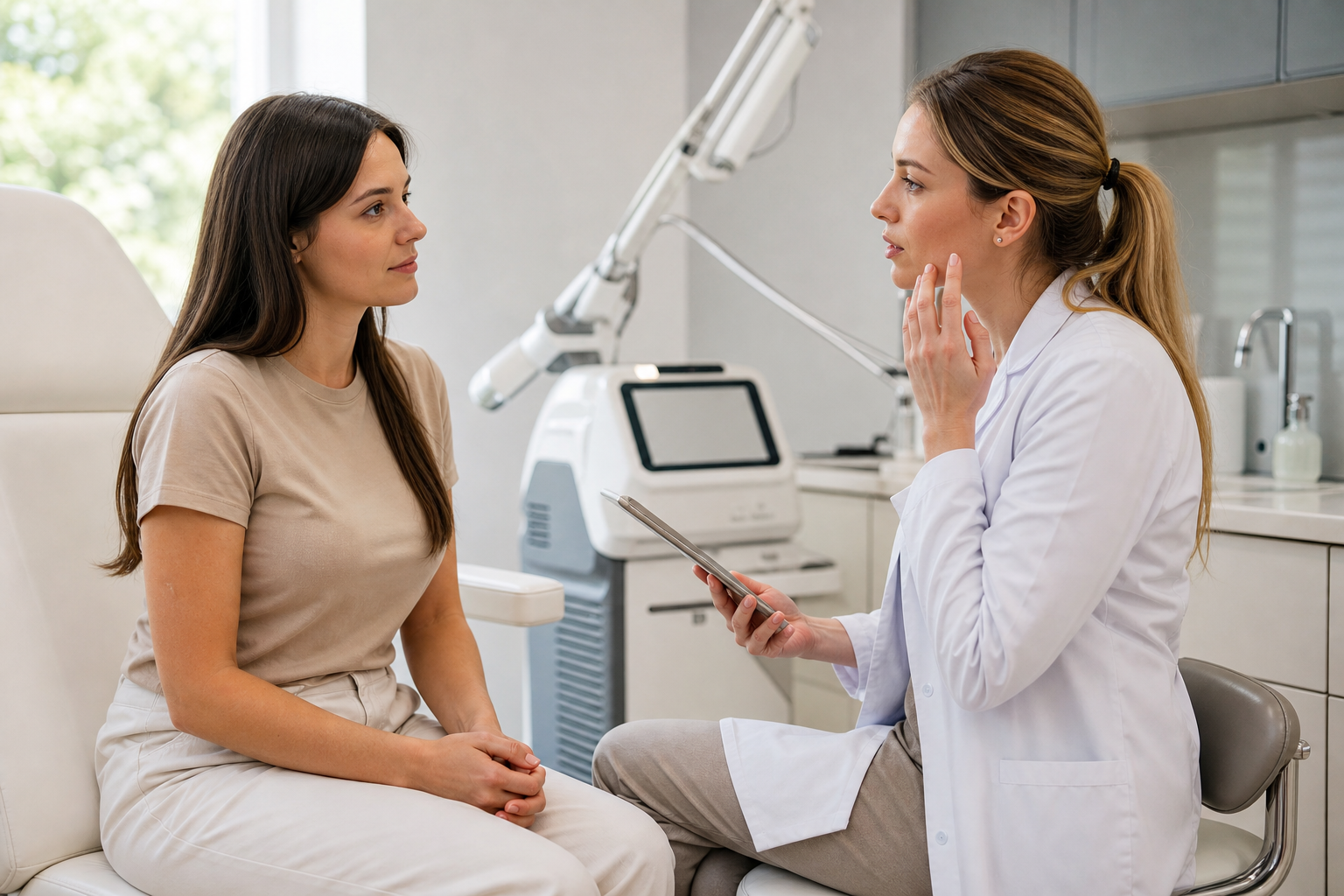
Facial laser treatments have emerged as a cornerstone of modern aesthetic medicine and dermatology, offering solutions for diverse concerns such as skin rejuvenation, pigmentation correction, scar amelioration, vascular lesion removal, and unwanted hair reduction. With technological advancements, these procedures have become increasingly accessible and sought after by individuals looking to enhance skin appearance without invasive surgery. However, like any medical intervention, facial laser treatments carry inherent risks and potential complications that must be recognized and understood by both patients and practitioners to ensure safe and effective outcomes.
This comprehensive editorial article is intended for individuals considering facial laser therapy as well as healthcare professionals who seek an in-depth understanding of possible complications associated with these procedures. The discussion encompasses the nature of facial laser treatments, candidacy considerations, types of adverse events, warning signs warranting medical evaluation, prevention strategies, and recovery expectations. By fostering informed decision-making and responsible clinical practice, awareness of these factors ultimately contributes to minimizing complications and maximizing patient satisfaction.
In explicit terms, this article addresses the nuanced topic of "Possible Complications of Facial Laser Treatment" by providing a balanced, medically responsible overview without offering direct diagnoses or prescriptive treatment advice. Readers will encounter insights drawn from reputable clinical sources, carefully differentiated layers of education and individual care, and pointers to related important topics such as contraindications, safety assessments, pigmentary risks, and device-related injuries. It aims to clarify the real-world search intent behind queries related to facial laser treatment safety, shining light on clinical subtleties often overlooked in generalized discussions.
What Are the Possible Complications of Facial Laser Treatment?
Facial laser treatments utilize targeted beams of light energy to achieve specific dermatological objectives, including stimulating collagen production, disrupting pigment deposits, ablating damaged skin layers, or selectively destroying hair follicles. While the precision of modern laser systems and improvements in practitioner expertise have reduced adverse outcomes, it is important to acknowledge that any therapeutic exposure to laser energy inherently involves interactions that can provoke unintended skin responses.
The spectrum of complications ranges from mild, transient effects that resolve with minimal intervention to more severe reactions requiring medical management. Commonly reported issues include erythema (redness), edema (swelling), minor superficial skin irritation or abrasion, dyschromia such as hyperpigmentation or hypopigmentation, and, less frequently, infection or scarring. Severity and persistence of these effects vary widely based on multiple factors, emphasizing the need for individualized assessment and vigilance throughout the treatment and recovery period.
Understanding these complications aids patients in setting realistic expectations and recognizing early signs of deviation from normal healing, thereby prompting timely communication with healthcare providers. Equally, it enables clinicians to tailor treatment protocols and counsel patients effectively to mitigate risks.
Who Is at Higher Risk for Complications and What Factors Increase This Risk?
While facial laser treatments can be safely administered to a broad range of individuals, certain patient-specific and procedural factors can elevate the risk of complications. One primary consideration is skin phototype; individuals with darker skin tones (higher Fitzpatrick phototypes) are predisposed to pigmentary alterations following laser exposure due to increased melanin response. This necessitates careful parameter selection and possibly alternative modalities or adjunctive measures to minimize hyperpigmentation or hypopigmentation risks, as elaborated in resources like "Laser Treatments for Darker Skin Phototypes."
Other patient-related risk elements include a history of keloid or hypertrophic scarring, chronic inflammatory skin conditions such as psoriasis or eczema, presence of active viral, bacterial, or fungal infections on treated areas, or the use of photosensitizing medications (e.g., certain antibiotics or retinoids). Inadequate pre-treatment preparation, such as recent sun exposure without effective photoprotection, can also compound risk.
Moreover, operator-dependent factors like improper laser device setting, insufficient training or experience, and failure to adhere to established protocols impact complication rates significantly. Diligent assessment during initial consultations and judicious patient selection are imperative to identify contraindications and tailor treatment plans accordingly, aligning with discussions in "Laser Treatment Safety – Contraindications, Risks and Practitioner Selection."
What Are the Most Common Types of Complications and How Can They Be Identified?
Among the most frequent post-laser complications are:
1. Erythema and Edema: These appear as redness and swelling in treated areas shortly after the procedure. Generally, these symptoms are mild to moderate and self-limiting within hours to days. Persistent or worsening redness beyond five days, associated with tenderness or warmth, may suggest inflammation or infection requiring evaluation.
2. Burns and Blistering: Thermal injury to the skin can manifest as superficial or deeper burns accompanied by pain, blister formation, and crusting. These injuries often result from overly aggressive laser settings or inadequate cooling and may lead to scarring if unrecognized For comprehensive information related to this complication, see "Burns After Laser Treatment – How They Occur and How Risk Is Reduced."
3. Pigmentary Changes: Hyperpigmentation (dark spots) typically occurs in response to inflammation or injury, while hypopigmentation (light spots) arises from melanocyte damage. Both can be transient or more persistent and may necessitate tailored dermatological management. In-depth discussion is available in "Hyperpigmentation After Laser – Causes and Risk Factors."
4. Infection: Although rare, bacterial or viral infections can develop if treated skin is compromised and not properly cared for. Symptoms indicative of infection include increased redness, swelling, pain, oozing, and sometimes systemic signs. Prompt medical consultation is advised.
Additional, less common complications may include prolonged dryness, textural alterations, or paradoxical hair growth in treated regions. Recognizing these manifestations early facilitates support and mitigation.
When Should a Specialist Be Consulted Following Facial Laser Treatment?
Post-procedure monitoring is crucial for distinguishing expected healing from complications. Medical assessment should be sought if any of the following signs are observed:
• Redness or swelling that intensifies or persists beyond five days without improvement.
• Increasing pain or tenderness in treated areas.
• Appearance of blisters, open wounds, or crusted lesions.
• Discharge, particularly purulent or foul-smelling exudate suggestive of infection.
• Rapidly spreading or itchy pigmentary changes.
Any abrupt deviation from the anticipated post-treatment course, systemic symptoms such as fever, or psychological distress related to skin changes warrant professional evaluation. Timely intervention improves management outcomes and limits long-term sequelae.
How Can Risks of Complications Be Prevented and Minimized?
Prevention begins with a thorough clinical evaluation to determine candidacy, involving a detailed history, skin examination, and discussion of treatment goals and risks. Avoidance of laser therapy in the presence of active infections, photosensitizing drug use, recent tanning, or certain dermatologic conditions reduces adverse outcomes. Proper patient education on pre- and post-treatment care — including sun avoidance, gentle skin cleansing, and compliance with topical regimens — is essential.
Selecting an experienced practitioner who utilizes modern, FDA-approved laser devices and adheres to evidence-based protocols significantly diminishes complications. Facilities prioritizing practitioner qualifications and patient safety demonstrate the best standards of care, as emphasized in "Laser Treatment Safety – Contraindications, Risks and Practitioner Selection."
Customizing laser parameters to match skin type and treatment indication, along with gradual treatment escalation when appropriate, enhances safety margins. Protective measures such as skin cooling and use of barrier agents before and after sessions also contribute to risk reduction.
What Should Patients Expect During Recovery After Facial Laser Procedures?
Recovery duration and experience vary with treatment modality, laser wavelength, energy settings, and individual skin response. Commonly, patients encounter mild to moderate redness, swelling, and a sensation comparable to mild sunburn lasting hours to several days. Scaling or flaking can occur as part of the skin's natural renewal process, typically resolving within a week.
Patients should anticipate adhering to instructed skin care routines that may include moisturizing, sun protection, and avoidance of irritants. Some laser procedures enable rapid recovery with minimal downtime, while more aggressive treatments may require longer convalescence. Regular follow-up visits facilitate monitoring progress and addressing any concerns.
What Are the Warning Signs to Watch For Before and After Treatment?
Key red flags before treatment include insufficient patient consultation, failure to obtain comprehensive medical and dermatologic history, and lack of skin examination. Treatment settings that seem excessively aggressive or clinical environments lacking appropriate licensure and equipment are additional concerns.
After treatment, warning symptoms encompass escalating pain and persistent or expanding redness, blister formation, signs of infection, unexpected pigmentary manifestations, and healing delays. Awareness of these indicators prompts patients to seek professional advice promptly, potentially averting worsening complications.


