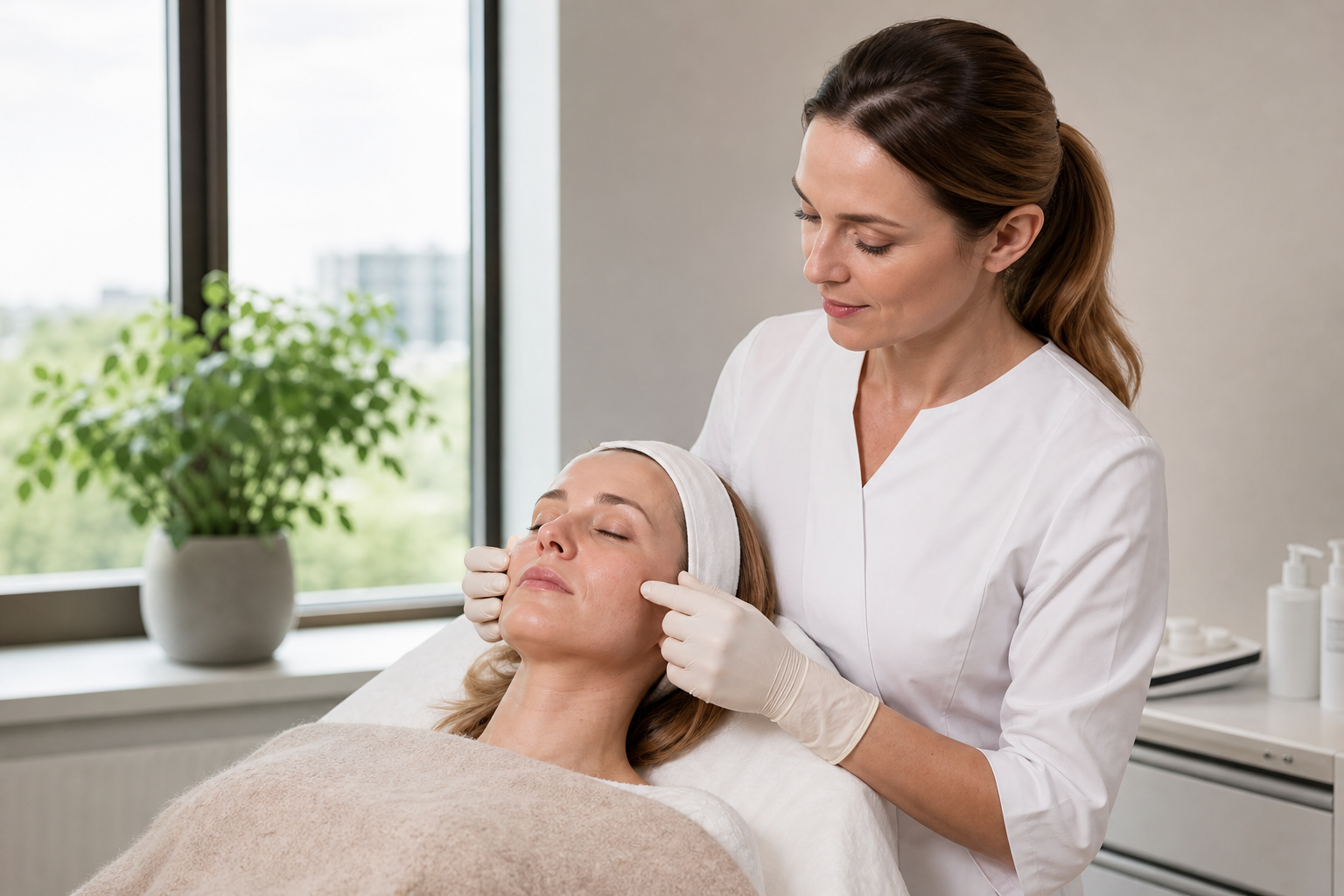
Visible capillaries on the cheeks are a common dermatological concern that affects a significant portion of the adult population, manifesting as fine red or purplish lines just beneath the skin's surface. These tiny blood vessels, also known as telangiectasias, become apparent due to a variety of physiological and environmental factors, influencing both the aesthetics and health of facial skin. Their presence may cause not only cosmetic dissatisfaction but also discomfort, impacting individuals seeking effective, safe, and enduring treatment solutions.
This article is intended for individuals who notice persistent or emerging visibility of cheek capillaries and desire a thorough understanding of their causes and modern therapeutic options. It also caters to healthcare professionals and estheticians looking to deepen their knowledge about managing vascular skin changes. By examining the nature of cheek capillaries, differentiating them from similar vascular phenomena, and exploring the latest in dermatological treatments—especially laser-based therapies—readers will gain insight into realistic expectations and informed decision-making regarding intervention.
Understanding the intricate network of facial capillaries and the factors that influence their prominence is crucial. Cheek capillaries differ in their etiology and appearance from other vascular changes such as spider veins or nasal capillaries, each requiring tailored approaches to care. Moreover, awareness of how environmental triggers and lifestyle factors can worsen or mitigate these vascular manifestations informs preventative strategies and enhances treatment efficacy.
What Are Cheek Capillaries and How Do They Differ from Other Visible Vascular Changes?
Cheek capillaries are the smallest blood vessels in the human body located near the surface of the skin on the facial cheeks. Their primary function is to facilitate the exchange of oxygen, nutrients, and waste products between the blood and surrounding tissue. Under certain conditions, these capillaries become dilated or broken, causing them to be visibly prominent as red or purplish lines or thread-like networks.
These vascular changes are collectively termed telangiectasias when permanent dilation occurs. Telangiectasias on the cheeks often appear as delicate, fine lines that may cluster into intricate patterns. This contrasts with spider veins (or spider angiomas), which are more commonly found on the legs and are usually larger, more bluish in hue, and radiate outward from a central point. Although both conditions involve the dilation of blood vessels, they differ significantly in location, size, coloration, and underlying causative factors.
Additionally, capillaries on the nose and chin often present differently due to variations in skin thickness, vascular density, and exposure to mechanical stressors. For instance, nasal capillaries are frequently associated with factors like frequent rubbing or chronic skin conditions and may appear as pinpoint red spots or diffuse redness. Chin capillaries can sometimes be linked to hormonal influences or behavioral factors such as acne or frequent touching of the area.
Recognizing these differences is critical to choosing the correct diagnostic approach and subsequent treatment plan. Misidentification may lead to ineffective or inappropriate interventions, underscoring the need for professional evaluation for accurate characterization of these vascular changes.
Why Do Facial Capillaries Appear and Why Do They Sometimes Rupture?
The emergence of cheek capillaries is influenced by a complex interplay of genetic predispositions and environmental or lifestyle factors. Structurally, capillaries consist of a single layer of endothelial cells, making them inherently fragile and susceptible to dilation or rupture under certain conditions.
One primary cause of visible capillaries is the weakening or damage of the vessel walls, often precipitated by repeated mechanical stress such as vigorous facial scrubbing, harsh skincare products, or frequent facial expressions that stretch the skin. Additionally, thermal fluctuations can contribute significantly: exposure to extreme cold or heat causes vessels to expand and contract, eventually leading to loss of elasticity and increased fragility.
Ultraviolet (UV) radiation from sunlight is also a critical factor. UV rays degrade collagen and elastin in the dermis, weakening the supporting framework around capillaries, making them more visible and prone to rupture. This cumulative photodamage manifests in increased redness and the appearance of broken capillaries over time.
Other contributing factors include hormonal variations—such as those occurring during pregnancy or with the use of contraceptives—consumption of alcohol, skin conditions like rosacea, and systemic diseases affecting vascular integrity. Certain medications and chronic inflammatory states may exacerbate capillary visibility by promoting vascular dilation or fragility.
When capillaries rupture, blood leaks into surrounding skin tissue, producing small red or purple marks and uneven skin coloration. This may cause discomfort, with sensations ranging from mild stinging to burning. Understanding these mechanisms allows for targeted interventions to strengthen vessel walls and prevent further damage.
How Do Laser Treatments Work to Reduce Visible Cheek Capillaries and Facial Redness?
Laser therapy has become the cornerstone for effective management of visible facial capillaries and associated redness due to its precision, minimal invasiveness, and capacity to yield lasting improvements. This method utilizes specific wavelengths of light that selectively target oxyhemoglobin within dilated blood vessels without harming surrounding skin tissue.
By delivering concentrated light pulses, laser devices induce photothermolysis—a process where absorbed light generates heat sufficient to coagulate the blood within the vessels and damage the endothelial lining. This controlled injury prompts the body’s natural healing process, wherein the treated microvessels are gradually resorbed and cleared, diminishing their appearance on the skin's surface.
Various laser types and technologies are employed based on individual skin characteristics and the depth or extent of vascular involvement. Intense Pulsed Light (IPL), often mistaken for laser but technically different, uses broad-spectrum light to treat a variety of pigment and vascular conditions and can be adjusted to target capillaries effectively. Unlike laser, which focuses on a specific wavelength, IPL covers a range, allowing for versatility but sometimes requiring more sessions for comparable results.
The procedure itself is relatively quick, usually performed on an outpatient basis with minimal discomfort, often described as a sensation similar to a light snap against the skin. Post-treatment side effects include transient redness, mild swelling, or bruising, which typically resolve within a few days.
Optimal outcomes generally necessitate multiple sessions spaced several weeks apart, tailored to the severity of capillary visibility and individual response. Post-treatment skin care and sun protection are imperative to maintain results and prevent new vascular damage.
Who Should Consider Treatment for Cheek Capillaries and When Is the Ideal Time to Initiate It?
Individuals contemplating treatment for visible cheek capillaries often fall into two categories: those with cosmetic concerns due to the unsightly appearance of broken vessels and redness, and those with underlying dermatological conditions, such as rosacea, that produce or exacerbate vascular prominence. Both groups can derive benefit from targeted therapies to improve skin appearance and quality of life.
The ideal candidate is someone whose facial skin condition has been professionally assessed and who does not have contraindications such as active skin infections, photosensitive conditions, or recent tanning. Patients with well-managed underlying health issues and who adopt measures to protect skin health tend to experience more satisfying and sustained results.
Early intervention—when capillaries begin to appear but before significant proliferation or rupture—can enhance treatment outcomes by addressing vascular changes at a more superficial and responsive stage. Nevertheless, even longstanding capillary issues can be improved with contemporary laser techniques.
Consultation with a dermatologist or qualified laser specialist remains essential to formulate an individualized treatment plan considering factors such as skin type, capillary severity, and patient expectations. This professional guidance helps determine the timing and nature of therapies, setting realistic goals and ensuring safe procedures.
What Can Patients Expect After Treatment and How Should They Maintain Their Results?
Following laser or IPL treatment for cheek capillaries, patients should anticipate some degree of temporary skin redness, mild swelling, and possible pinpoint bruising in the treated areas. These effects are generally short-lived, resolving over a span of several days to a week without lasting damage. Proper post-procedural care includes avoiding direct sun exposure, using gentle cleansers, and applying broad-spectrum sunscreens to shield the skin during the healing phase.
Results typically become noticeable within days to weeks, with continued improvement as the body eliminates damaged vessels. Complete clearance may require multiple sessions, with individual response varying based on the extent of vascular involvement and skin sensitivity.
To maintain outcomes, patients should adopt a holistic skincare regimen that incorporates vascular-supportive products rich in antioxidants, anti-inflammatory agents, and vasoprotective ingredients. Avoidance of triggers known to exacerbate capillary dilation—such as excessive heat, alcohol, spicy foods, and harsh topical agents—also contributes to sustained skin health.
Periodic follow-up appointments allow for monitoring and timely intervention if new capillaries develop. Maintenance treatments can be scheduled on an as-needed basis under professional supervision to preserve an even skin tone and prevent escalation of vascular visibility.


