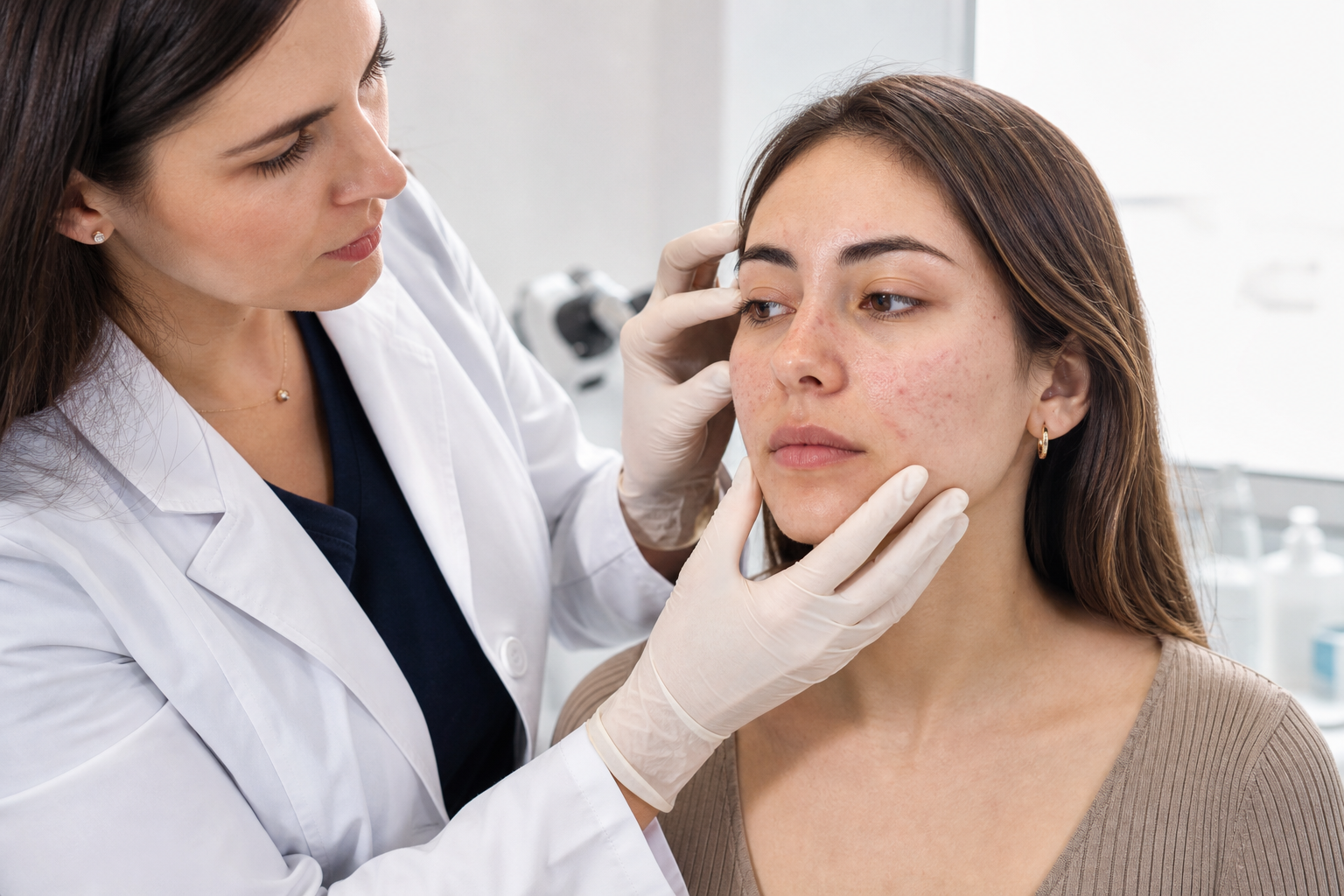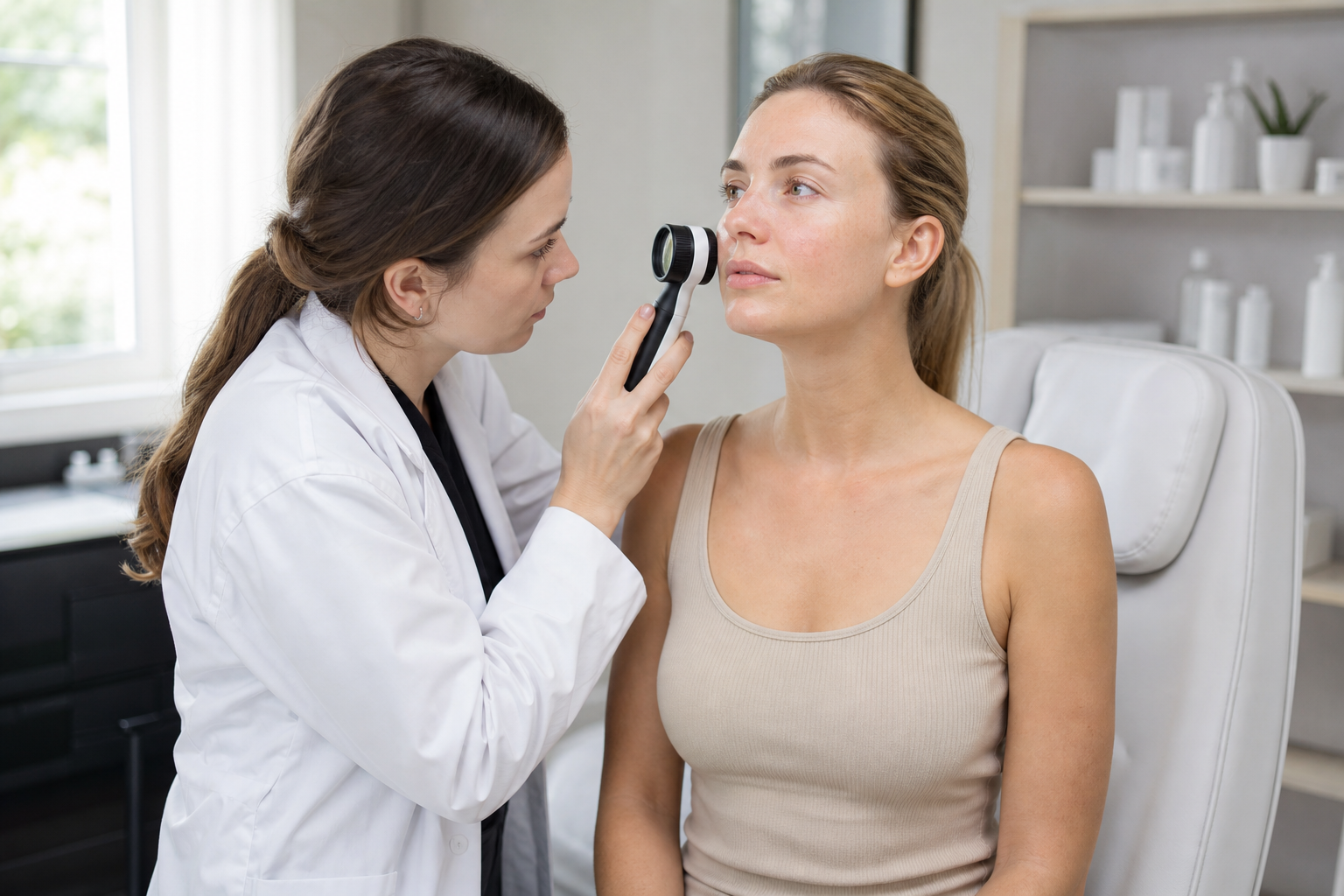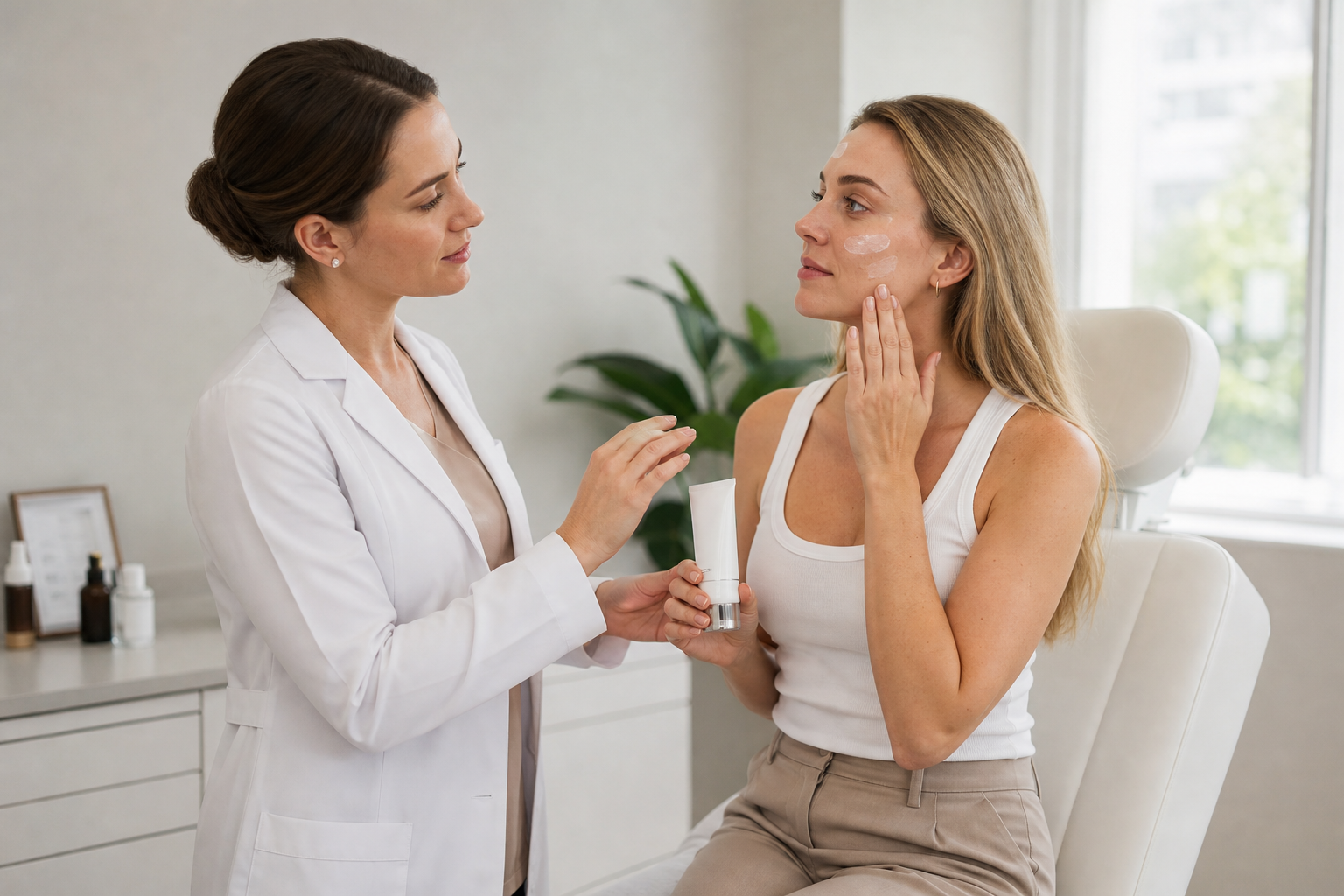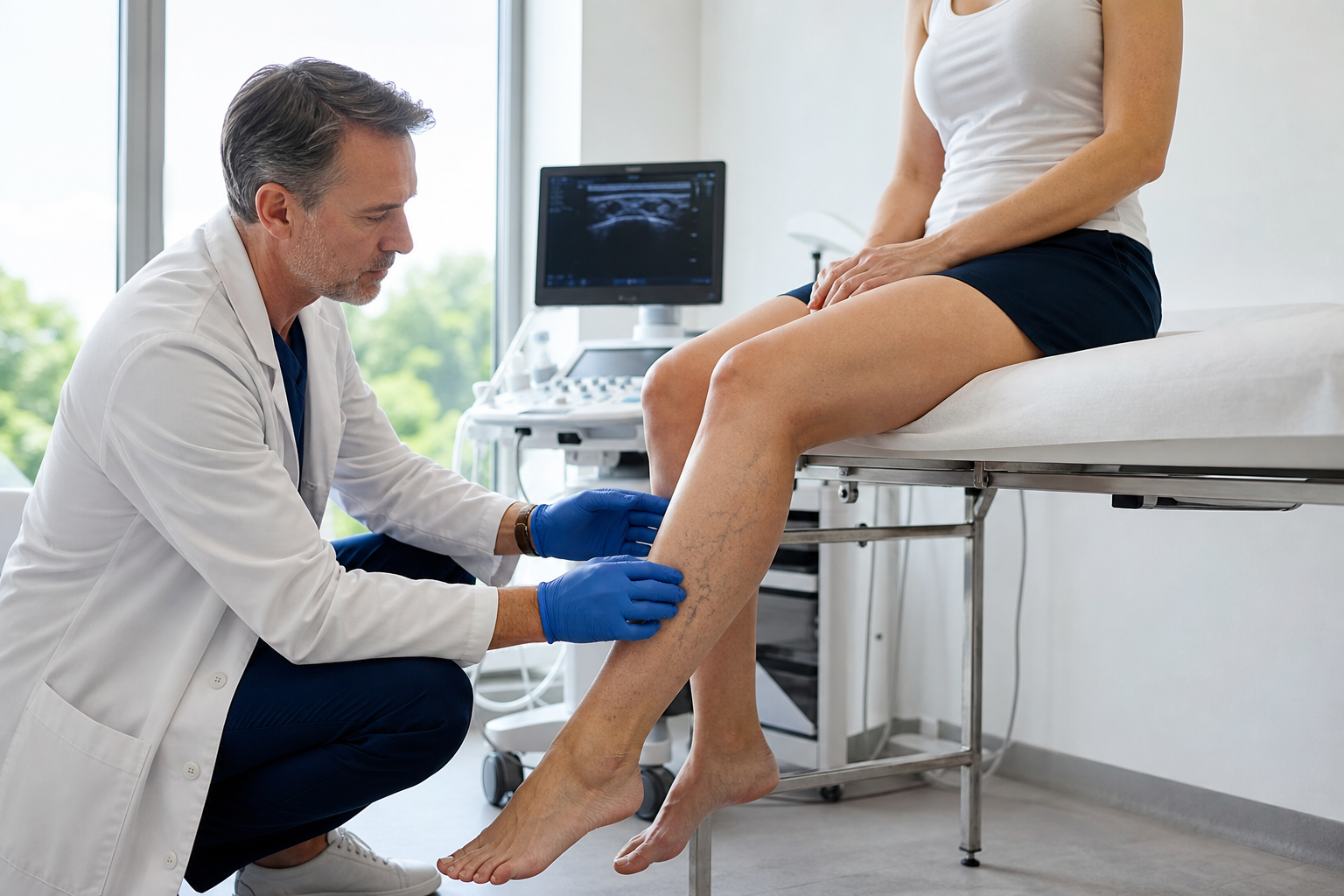
Facial redness is a common concern that affects a broad range of individuals, often causing distress and impacting self-confidence. Among the various causes of facial redness, rosacea stands out as a chronic inflammatory condition characterized primarily by persistent redness, visible blood vessels, and sometimes acne-like eruptions. However, the landscape of facial redness is complex, including conditions such as couperose, sensitive skin reactions, dermatitis, and post-acne erythema, each with distinct characteristics and management pathways.
Laser treatments have evolved as a prominent option for addressing vascular skin concerns, offering hope for those troubled by persistent redness and visible capillaries. Yet, understanding when laser therapies are appropriate, their limitations, and how they fit into the broader spectrum of care requires careful consideration. This article aims to clarify the nuances between these conditions, delineate the role of laser interventions, and guide readers toward informed decisions about their skin health.
Whether you are someone struggling with unexplained facial redness, a healthcare professional seeking deeper insights, or a patient exploring treatment options, appreciating the distinctions between rosacea, couperose, and other forms of redness is essential. Moreover, knowing when a dermatologist’s evaluation is crucial and how laser therapies can help—not as a cure-all but as part of a comprehensive management plan—will empower better skin care outcomes.
What Is Facial Redness and Why Does It Occur?
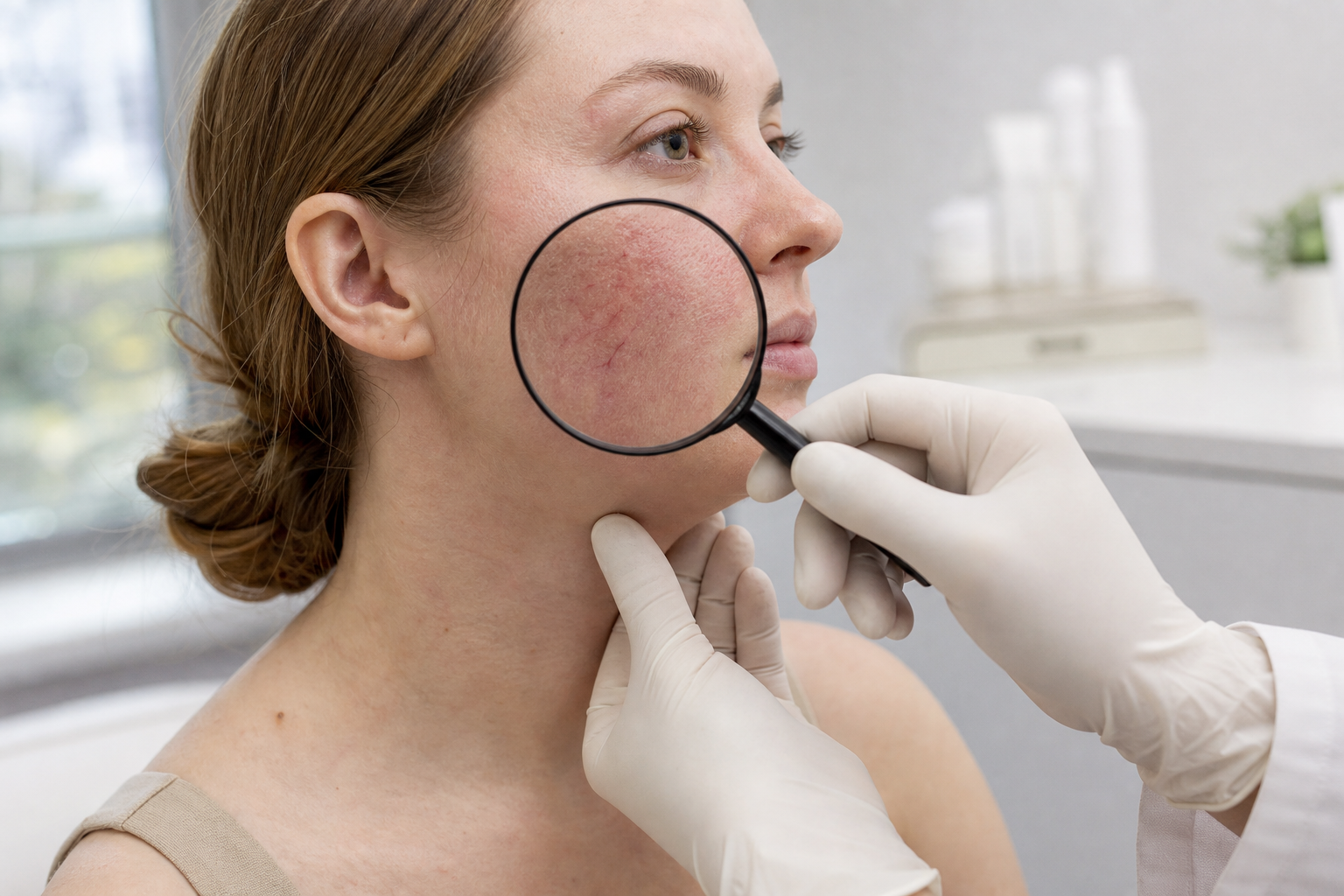
Facial redness manifests as an increase in blood flow or visible blood vessels in the skin, resulting in a flushed or inflamed appearance. While occasional redness can occur due to environmental triggers, emotional states, or physical exertion, chronic or recurrent redness often signals underlying skin conditions.
The primary physiological mechanism behind facial redness involves dilation of the cutaneous blood vessels. This vascular response can be transient, as seen with blushing or irritation, or more permanent due to structural changes in the skin’s blood vessels or inflammatory processes. Identifying the root cause is vital for effective intervention.
Various factors contribute to facial redness, including genetics, environmental triggers such as sun exposure or temperature extremes, lifestyle factors like alcohol consumption, and skin barrier dysfunction. Medical conditions, such as rosacea and dermatitis, also play significant roles.
Distinguishing Rosacea from Couperose and Sensitive Skin
One of the often-confused distinctions in vascular skin health is between rosacea, couperose, and sensitive skin. While they may appear superficially similar, their underlying pathologies and clinical manifestations differ and require targeted approaches.
Rosacea is a chronic dermatological condition that features episodes of facial redness, persistent flushing, visible telangiectasia (small dilated blood vessels), and inflammatory papules or pustules. It most commonly affects the central areas of the face and primarily occurs in adults aged 30 to 50. Rosacea is marked by phases of exacerbation and remission, with triggers including heat, spicy foods, stress, and certain skincare products.
Couperose
Sensitive skin
Other Causes of Facial Redness: Dermatitis and Post-Acne Erythema
Beyond rosacea and couperose, other skin disorders contribute to facial redness. Dermatitis, including atopic, contact, and seborrheic types, often presents with redness accompanied by scaling, itching, or burning. The redness arises from inflammation triggered by allergens, irritants, or immune dysregulation.
Post-acne erythema is the red or pink discoloration that lingers after inflammatory acne lesions resolve. Unlike acne scars, this erythema results from damaged capillaries and ongoing inflammation, typically fading gradually but sometimes persisting for prolonged periods.
Recognizing these distinctions matters because treatment strategies vary widely. While inflammatory conditions might benefit from topical or systemic medications, vascular concerns might respond better to laser treatments.
When Is Laser Treatment Indicated for Facial Redness?
Laser therapy is principally designed to target superficial blood vessels and reduce visible redness by delivering concentrated light energy absorbed by hemoglobin, causing vessel coagulation and eventual resorption. Not all facial redness, however, will benefit from laser intervention.
Laser treatment for visible vessels and redness is most effective in conditions characterized by persistent telangiectasia and diffuse erythema without active inflammation or papulopustular lesions. People with couperose, certain forms of rosacea (especially erythematotelangiectatic subtype), or post-acne redness may experience significant improvement after laser therapy.
Conversely, individuals with active inflammatory rosacea, sensitive skin prone to irritation, or dermatitis should approach laser therapy cautiously. In these cases, lasers may exacerbate redness or trigger flare-ups without appropriate medical management.
Therefore, a thorough dermatological assessment is essential to determine candidacy, rule out contraindications, and develop a customized treatment plan.
How Do Different Laser Technologies Work on Vascular Facial Conditions?
Several laser types are employed to treat vascular skin issues, each with unique properties tailored for specific clinical needs.
Pulsed Dye Laser (PDL) targets oxyhemoglobin with high absorption, making it effective for treating superficial telangiectasias and diffuse redness with minimal damage to surrounding tissue. It is widely used for rosacea-related vascular lesions and has a favorable safety profile.
Intense Pulsed Light (IPL) is a broad-spectrum light source that also targets blood vessels and pigmentation irregularities. IPL can reduce redness and improve overall skin tone but may require multiple sessions and careful parameter adjustments to prevent side effects in sensitive skin.
Nd:YAG Laser, with deeper penetration, can address larger and deeper vessels but carries a higher risk of discomfort and complications; it is less commonly used for facial redness but may be considered for selected cases.
Additional emerging technologies continue to refine vascular laser treatments, balancing efficacy with safety and patient comfort.
What Can Patients Expect During and After Laser Treatments for Facial Redness?
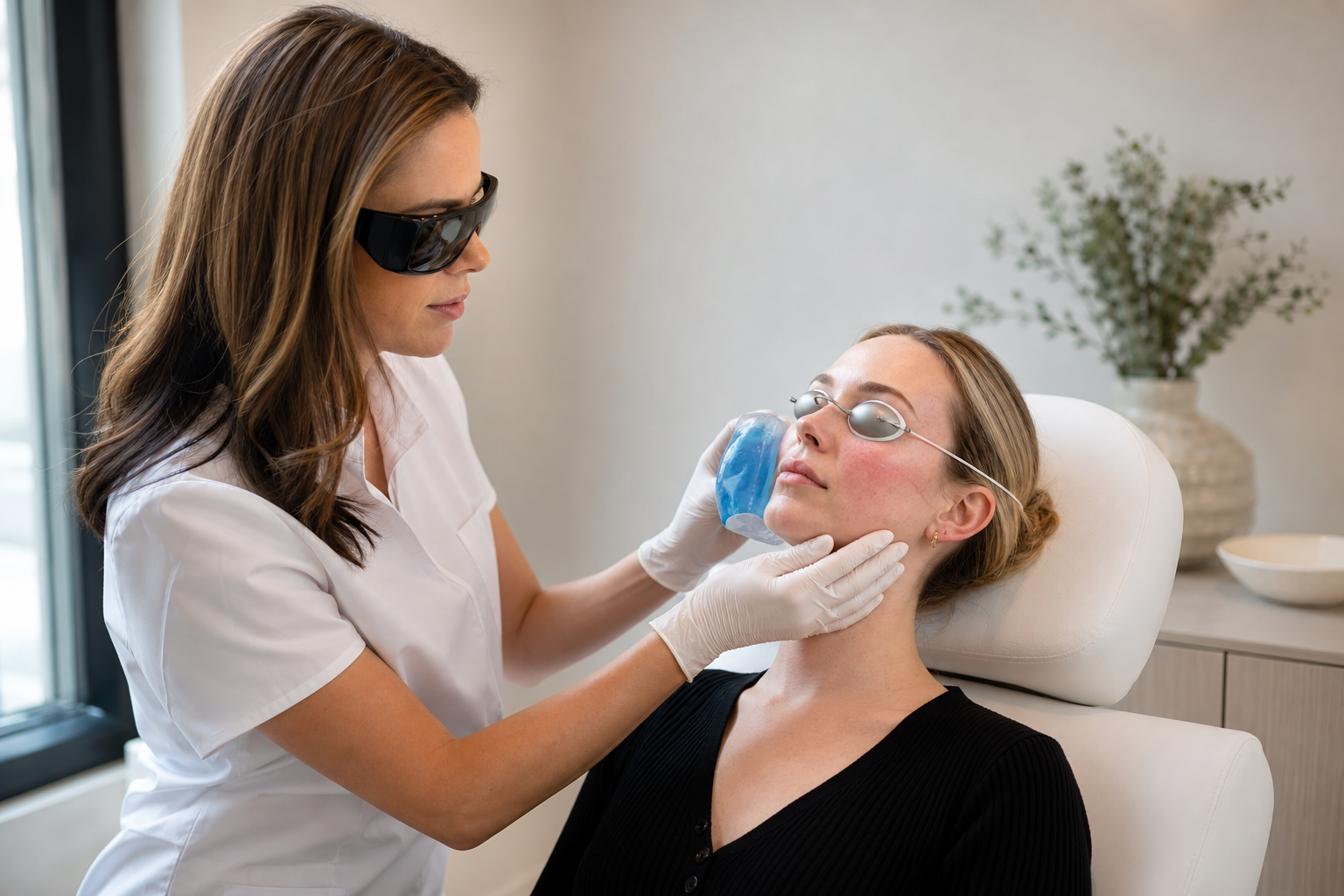
Laser treatments for facial redness typically involve a series of sessions spaced weeks apart to achieve optimal results. During each session, patients may experience temporary discomfort described as snapping or stinging sensations. Protective eyewear is mandatory, and cooling devices might be used to enhance comfort.
Immediately following treatment, the skin may appear redder and slightly swollen, resembling a mild sunburn. These effects generally subside over hours to a few days. Some patients report mild bruising or crusting, depending on the laser type and intensity.
Post-treatment care includes sun protection, gentle skincare routines, and avoidance of known rosacea or redness triggers. Results often develop gradually, with noticeable reductions in redness and vessel visibility emerging after multiple sessions.
While laser treatment can markedly improve vascular appearance, it does not cure underlying rosacea or prevent new lesions from forming. Maintenance treatments may be needed for sustained benefits.
Can Laser Treatment Remove Rosacea Redness Completely?
It is important to set realistic expectations regarding the capability of laser therapies in managing rosacea redness. Laser treatment can significantly diminish visible blood vessels and reduce persistent facial erythema, leading to clearer and more even skin tone.
However, rosacea is a chronic condition involving inflammation, immune dysregulation, and vascular reactivity. Lasers address the vascular component but do not modify the disease’s underlying causes or prevent flare-ups triggered by environmental or lifestyle factors.
Therefore, laser treatments should be part of a holistic approach that includes medical therapies, skincare modifications, and trigger management. Patients must understand that while redness can be improved and often substantially controlled with laser therapy, a universal cure for rosacea redness remains elusive.
How to Differentiate Permanent from Temporary Facial Redness
Understanding whether facial redness is permanent or transient informs treatment decisions. Transient redness often occurs as a physiological response to heat, cold, emotional stimuli, or irritants and usually resolves quickly without lasting skin changes.
Permanent redness arises from structural changes within blood vessels, inflammation, or skin barrier damage. Signs include visible telangiectasias, persistent flushing lasting hours or days, and unremitting diffuse facial erythema.
Laser therapy is effective primarily for these permanent vascular changes and less so for temporary redness, which requires lifestyle adjustments and avoidance of triggers.
Why Is a Dermatologist’s Diagnosis Essential Before Considering Laser Treatment?
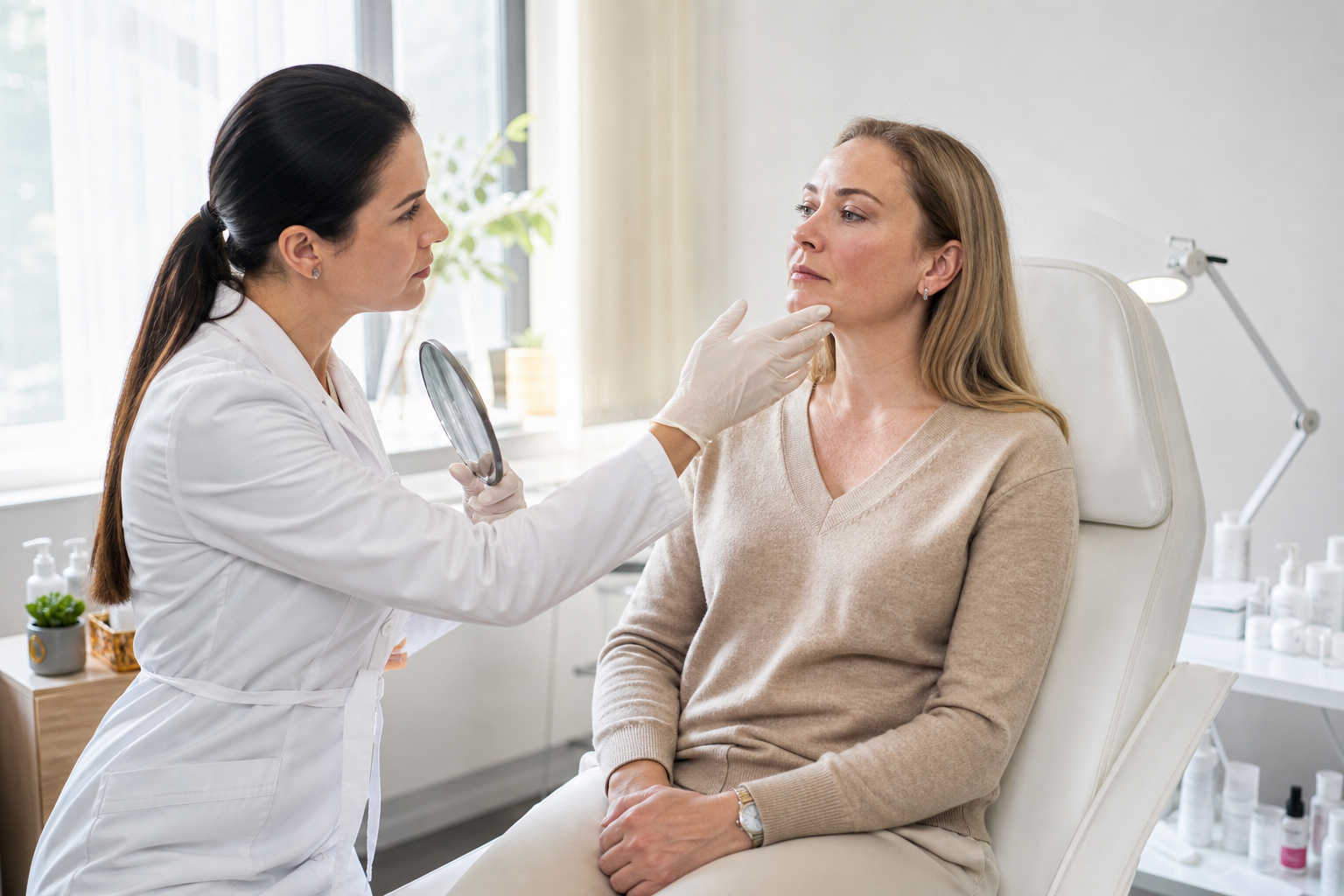
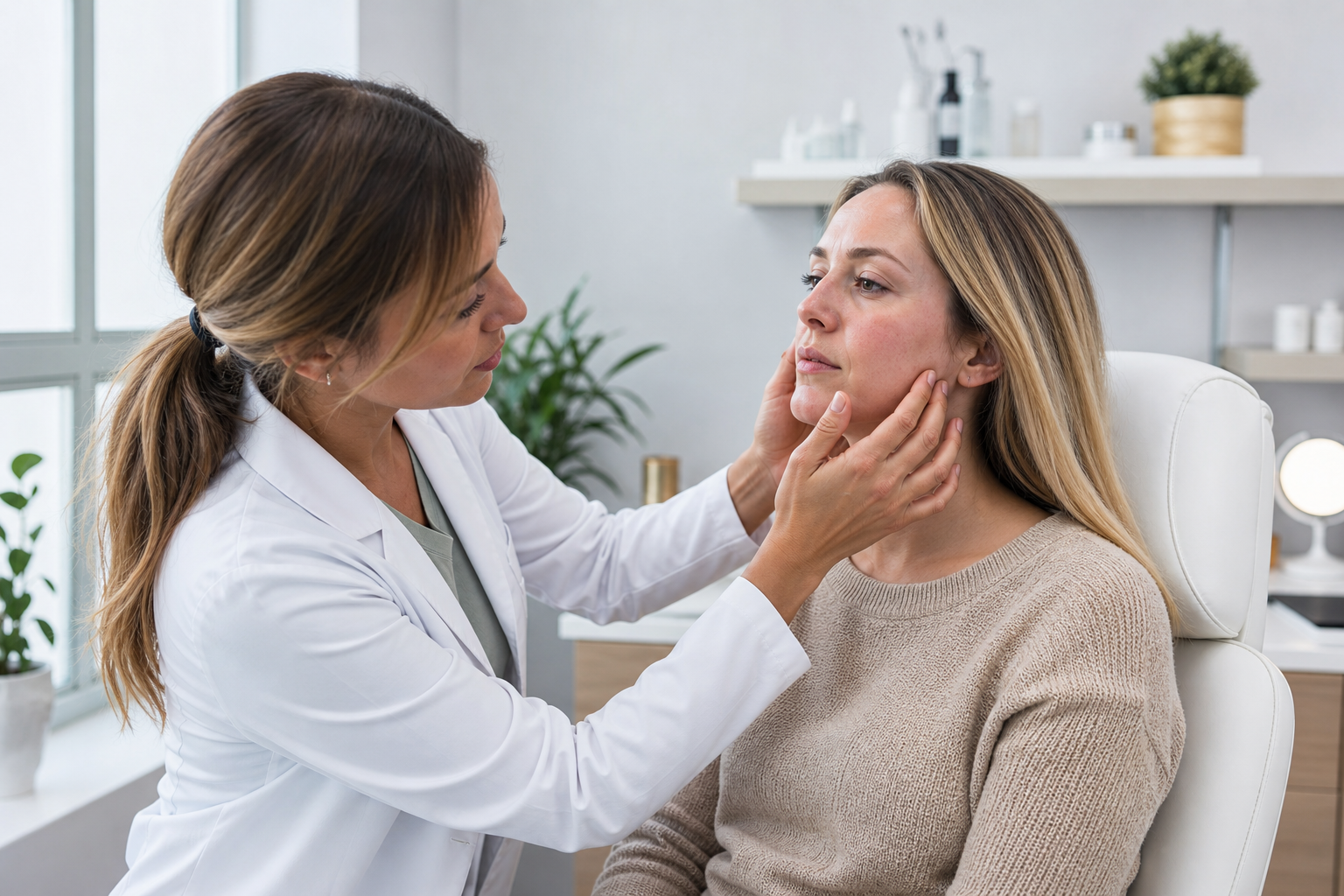
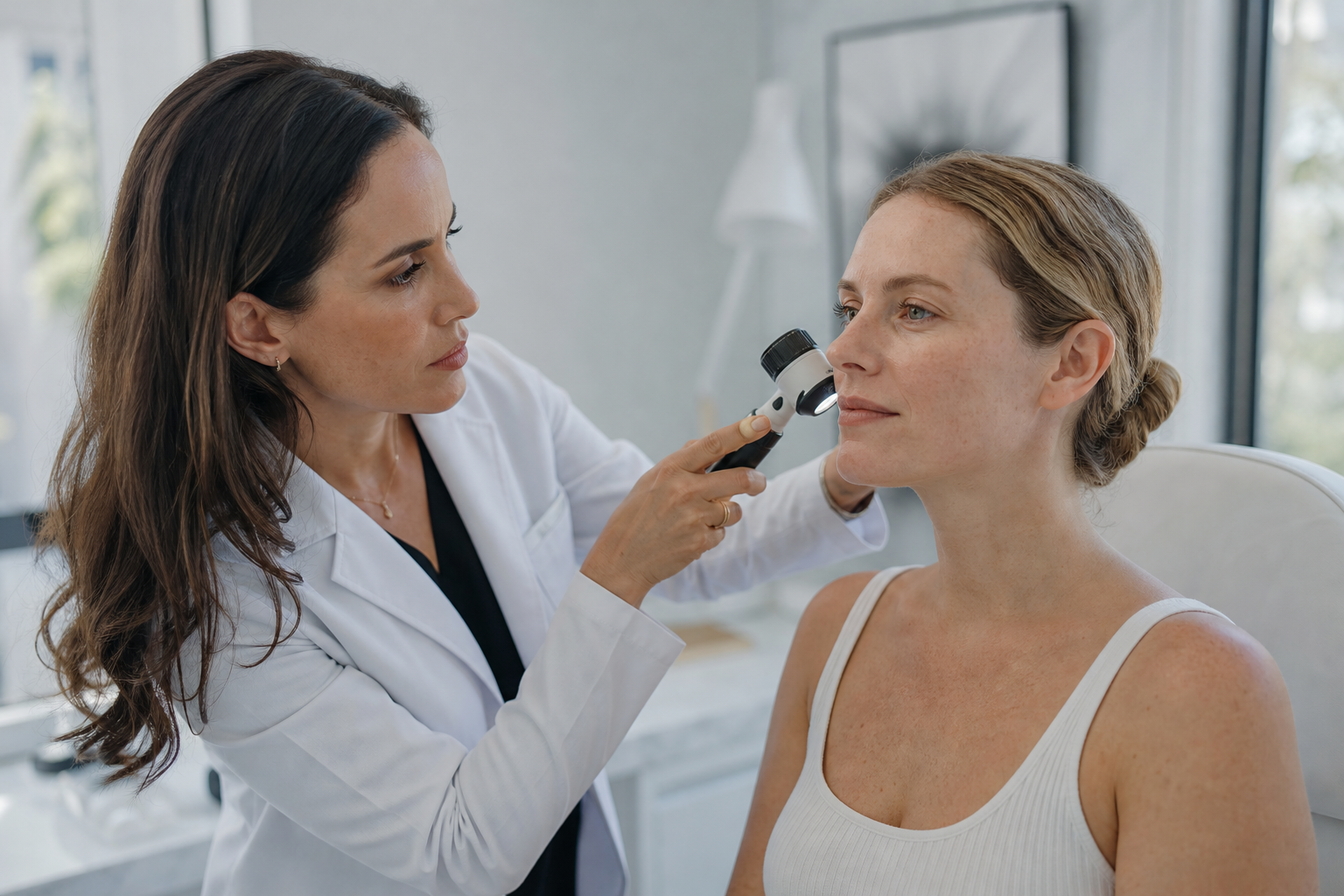
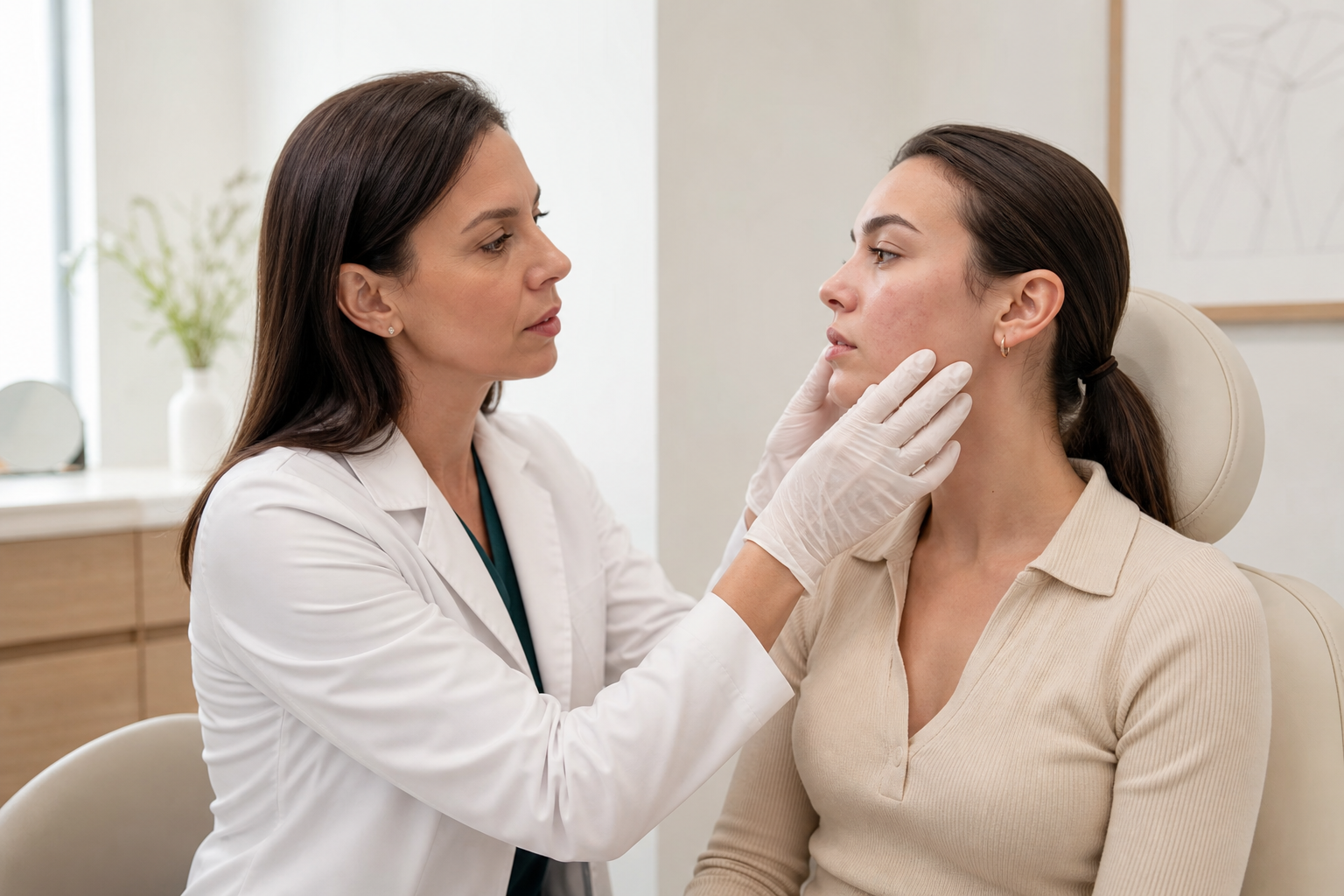
Self-diagnosing facial redness can lead to inappropriate interventions that worsen the condition. Dermatologists possess the expertise to distinguish between rosacea, couperose, allergic reactions, and other dermatologic or systemic causes.
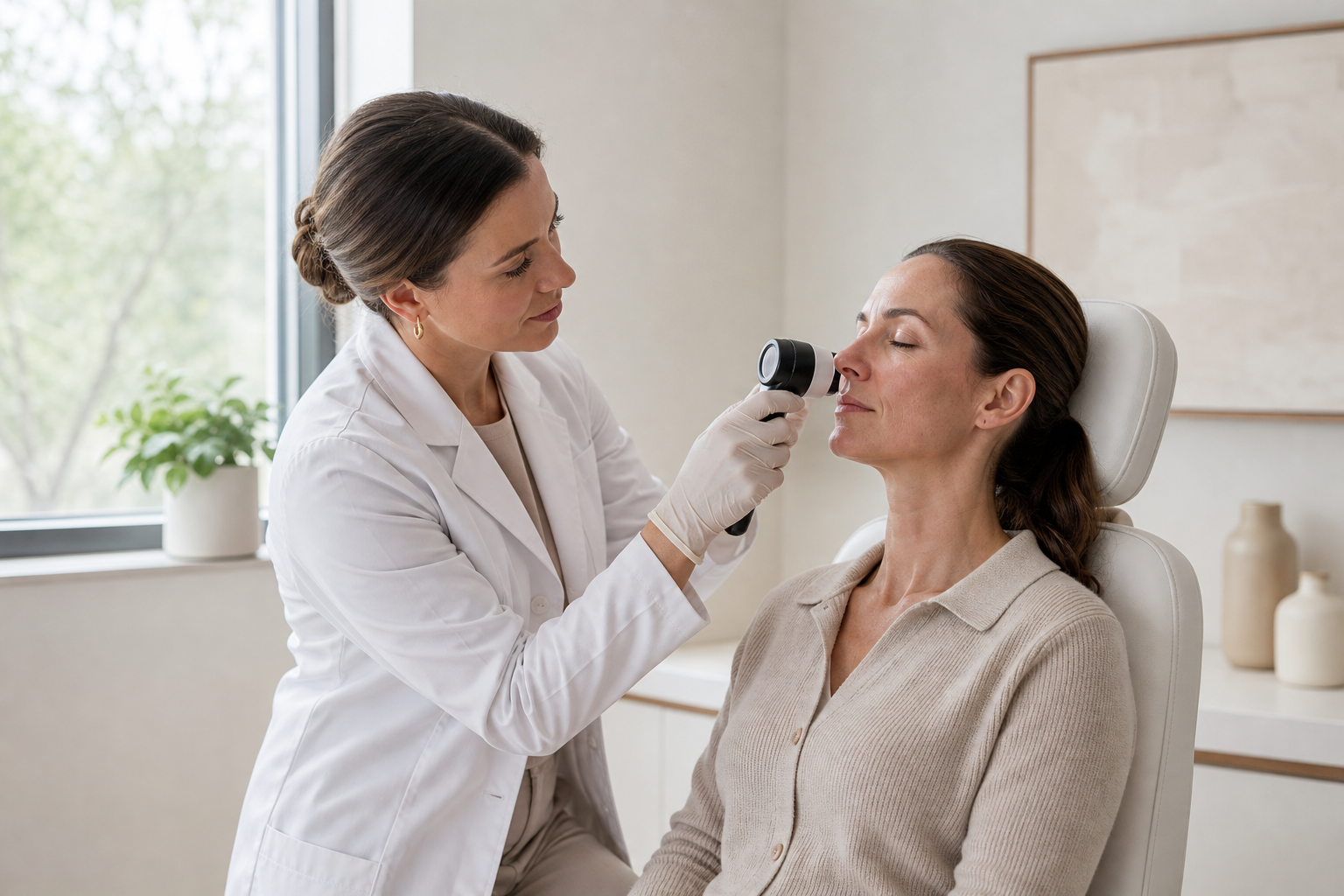
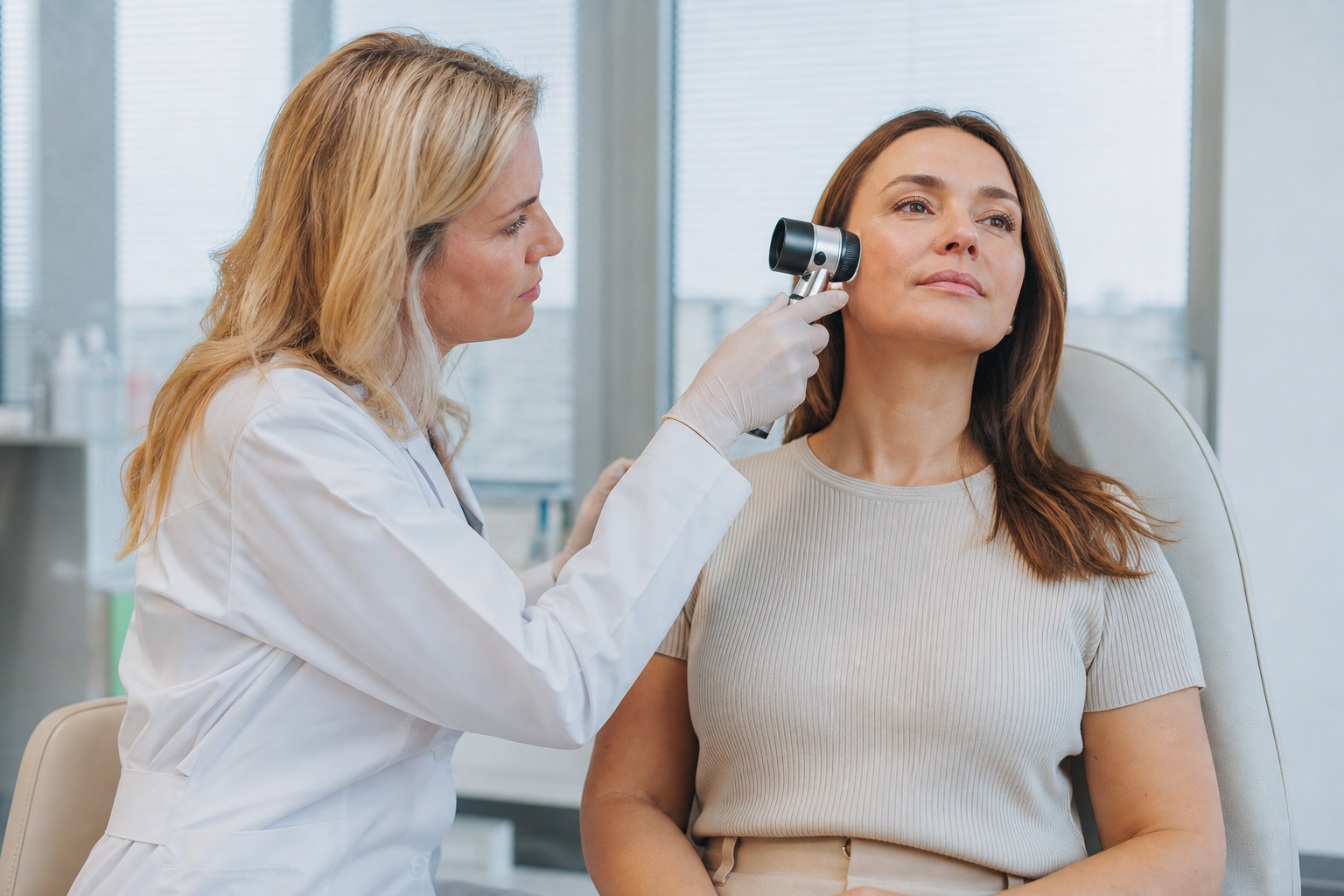
A thorough clinical examination, medical history review, and sometimes diagnostic tests ensure accurate diagnosis. This step is critical because conditions like dermatitis or active rosacea inflammation may require pre-treatment to stabilize the skin before laser therapy.
Moreover, dermatologists tailor laser parameters based on skin type, redness severity, and individual response to minimize side effects and maximize outcomes.
Integrating Laser Treatments Into a Comprehensive Rosacea Management Plan
Effective management of rosacea-related facial redness extends beyond laser treatments. A comprehensive plan includes avoiding known triggers, employing gentle skincare routines, topical and systemic medications as needed, and lifestyle adjustments.
Laser therapy serves as a valuable adjunct, primarily targeting the vascular component of rosacea. Combining it with anti-inflammatory medications and protective measures enhances patient satisfaction and long-term control.
Regular follow-up with a dermatologist allows monitoring and adjustment of therapies to maintain remission and prevent complications.
Addressing Common Concerns About Laser Therapy for Facial Redness
Patients often express concerns about safety, pain, effectiveness, and cost related to laser treatments.
Laser therapy is generally safe when performed by trained professionals, though risks include temporary redness, swelling, pigment changes, or rarely scarring. Disclosing medical history and skin sensitivities helps mitigate complications.
Most patients tolerate the procedure well with minimal discomfort. Using cooling methods and topical anesthetics can enhance comfort.
Effectiveness varies; multiple sessions typically yield progressive improvements. Maintenance may be required, and results differ with individual skin characteristics.
Cost considerations depend on the number of sessions and laser modality. Investing in quality treatment administered by an experienced dermatologist offers the best risk-benefit balance.