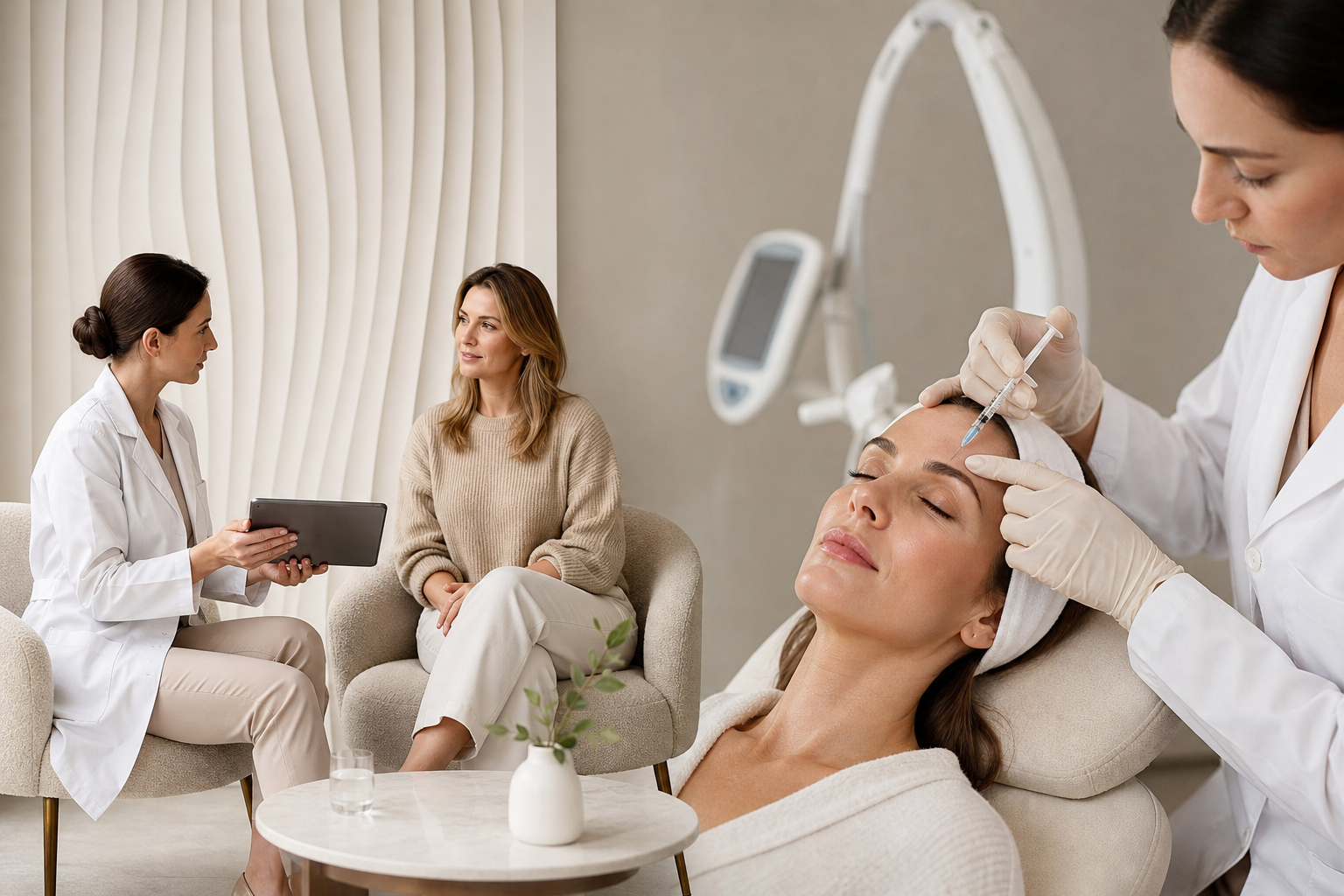
In the realm of aesthetic medicine, Botox and laser treatments rank among the most popular and advanced techniques for skin care and aging prevention. Both have distinct mechanisms, indications, and benefits, yet their combination promises exceptional results when carefully planned. This comprehensive editorial is designed for individuals considering aesthetic interventions who seek to learn how best to coordinate Botox and laser procedures. Understanding the optimal sequence, timing, and synergy between these treatments ensures enhanced effectiveness, safety, and lasting outcomes.
Botox, known for its wrinkle-smoothing effect, works fundamentally differently than laser treatments, which focus on skin regeneration and texture improvement. Knowing when to administer each and the intervals needed between sessions is critical to avoid undesirable side effects such as irritation or compromised healing. This guide unpacks the underlying principles of Botox and laser therapies, clarifies their limitations, and highlights when professional consultation is indispensable to achieve a natural, revitalized appearance.
Integrating Botox and laser treatments is a nuanced process that requires a considered approach tailored to individual skin types, aging signs, and lifestyle factors. This editorial will decode how these procedures complement each other, outline safe protocols for combination use, and set realistic expectations. The objective is to empower readers with expert insights that facilitate informed decisions about their aesthetic journey.
The Fundamental Mechanisms Behind Botox and Laser Treatments
To appreciate how Botox and lasers intersect in aesthetic medicine, it is essential to understand their distinct modes of action. Botox is derived from a neurotoxin that temporarily inhibits nerve impulses to facial muscles. By reducing muscle activity, it softens dynamic wrinkles caused by repeated expressions, notably on the forehead, between the eyebrows, and around the eyes. This neuromodulation not only diminishes existing lines but also acts preventively, with effects lasting approximately four to six months.
On the other hand, laser treatments target the skin at a cellular level. They use concentrated light to heat or ablate affected areas, promoting collagen remodeling and skin regeneration. Various lasers range from ablative types, which remove the skin's outer layers and require longer recovery, to non-ablative options that stimulate tissue beneath the surface with minimal downtime. Their applications span improving skin texture, reducing pigmentation, diminishing scars, and treating vascular lesions. Typically, multiple laser sessions are needed to achieve optimal results, with parameters customized to each patient's condition.
Why Sequencing Botox and Laser Treatments Matters for Safety and Efficacy
Combining Botox and laser therapies offers complementary enhancements: Botox relaxes muscle movements that cause wrinkles, while lasers rejuvenate skin health and appearance. However, disregarding the appropriate sequence or timing can lead to complications such as inflammation, irritation, infections, or suboptimal cosmetic outcomes. For instance, post-laser skin is often sensitive and in a fragile healing phase, making immediate Botox injections risky.
Allowing sufficient time for one treatment to stabilize before initiating the other safeguards both muscle function and skin integrity. Understanding the healing and activity cycles of each procedure facilitates a tailored approach where the benefits of both can be maximized without interference. Such planning prevents protective mechanisms from being disrupted and supports harmonious skin and muscle recovery.
Recommended Intervals for Combining Botox with Laser Procedures
Expert guidelines generally advocate administering Botox first, followed by laser treatments once the Botox has taken full effect and the skin is calm. This interval usually spans from one to two weeks, providing time for muscle relaxation and minimizing edema or redness that could complicate laser application.
This chronology ensures that the laser's collagen-inducing stimulus can work synergistically on a smooth canvas, while Botox continues to suppress wrinkle-forming muscle movements. Particularly with ablative lasers, which are more invasive and involve prolonged healing, the gap may extend to three weeks or more to allow complete skin restoration before further interventions.
Conversely, performing laser treatments before Botox or too close together risks interfering with each process's healing phases, potentially diminishing their therapeutic effects and increasing adverse reactions.
Harmonizing Botox with Other Aesthetic Modalities alongside Laser Treatment
Botox is rarely used in isolation; it is often part of a multifaceted treatment plan that includes hyaluronic acid fillers, chemical peels, and skin boosters. Each modality addresses different facets of facial aging: Botox targets dynamic lines, fillers restore volume and contours, lasers improve skin texture and pigmentation, and chemical peels accelerate surface renewal.
In integrating these therapies, the order of operation is crucial. Botox typically precedes lasers to reduce facial movement and improve treatment precision. Post-laser applications commonly include fillers or skin boosters to restore hydration and volume depleted during resurfacing procedures. Such sequencing maximizes outcomes and minimizes trauma or inflammation, creating a comprehensive approach to rejuvenation.
Prioritizing Safety in Combining Botulinum Toxin and Laser Treatments
Safety in combining Botox with laser therapy is paramount and hinges on thorough patient evaluation, practitioner expertise, and adherence to aseptic protocols. A qualified dermatologist or aesthetic physician assesses skin type, wrinkle depth, prior treatment history, and medical conditions to design an individualized plan.
Using certified products and calibrated devices ensures controlled administration, reducing the risk of adverse events such as infection, allergic reactions, or unintended muscle weakness. The clinician monitors recovery, educates the patient on post-treatment care, and adjusts future sessions based on response, fostering a secure and effective therapeutic experience.
Realistic Outcomes and Constraints When Combining Botox and Laser Treatments
While the Botox-laser duo offers powerful rejuvenating effects, it is essential to maintain realistic expectations. Botox excels in smoothing dynamic wrinkles but cannot address static furrows or restore volume—that role belongs to fillers. Laser treatments improve skin texture and tone but cannot completely reverse deep scarring or severe pigmentation.
Moreover, aging is a continuous process, necessitating maintenance treatments and healthy lifestyle habits to sustain results. Patients must understand the incremental nature of aesthetic improvements and that combinations serve to enhance rather than perfect appearance. Professional counseling helps align goals with achievable outcomes based on individual profiles.
Tailoring Treatment Plans According to Skin Type and Age
Personalized strategies are critical given the diversity of skin characteristics and aging stages. Younger individuals with minor wrinkles may benefit most from preventive Botox paired with gentle non-ablative lasers that stimulate collagen without invasive recovery. In contrast, mature skin with pronounced wrinkles and pigmentation defects might require stronger ablative lasers alongside Botox, demanding longer healing intervals and cautious scheduling.
Sensitive or irritation-prone skin prioritizes less aggressive laser settings and careful Botox dosing to minimize inflammation. Age, sun exposure history, and lifestyle factors further guide protocol customization, optimizing safety and satisfaction.
The Integral Role of Professional Consultations in Treatment Planning
Consultations with certified aesthetic specialists form the foundation of successful Botox and laser therapy integration. They provide comprehensive evaluation, including skin analysis and discussion of patient goals, history, and concerns. This dialogue identifies contraindications, educates on procedures' risks and benefits, and establishes a mutual roadmap for therapy.
Within these sessions, practitioners outline precise sequences, timing, and adjunctive care, ensuring that patients are well-prepared to undergo treatments safely and with confidence. Such collaborative planning is indispensable to delivering natural, harmonious results.
Incorporating Botox and Laser Therapies into a Holistic Skin Care Regimen
Modern aesthetic medicine embraces a holistic mindset where Botox and laser treatments complement broader skin care and anti-aging strategies. This includes daily protection from ultraviolet exposure, balanced nutrition, hydration, and, where appropriate, supplemental skincare products to sustain cellular health.
By embedding these procedures within an integrated plan focused on long-term skin wellness, patients enjoy not only immediate improvements but also delayed aging progression and enhanced skin resilience. This comprehensive approach underlines the importance of viewing aesthetic interventions as part of an ongoing commitment to skin vitality.


