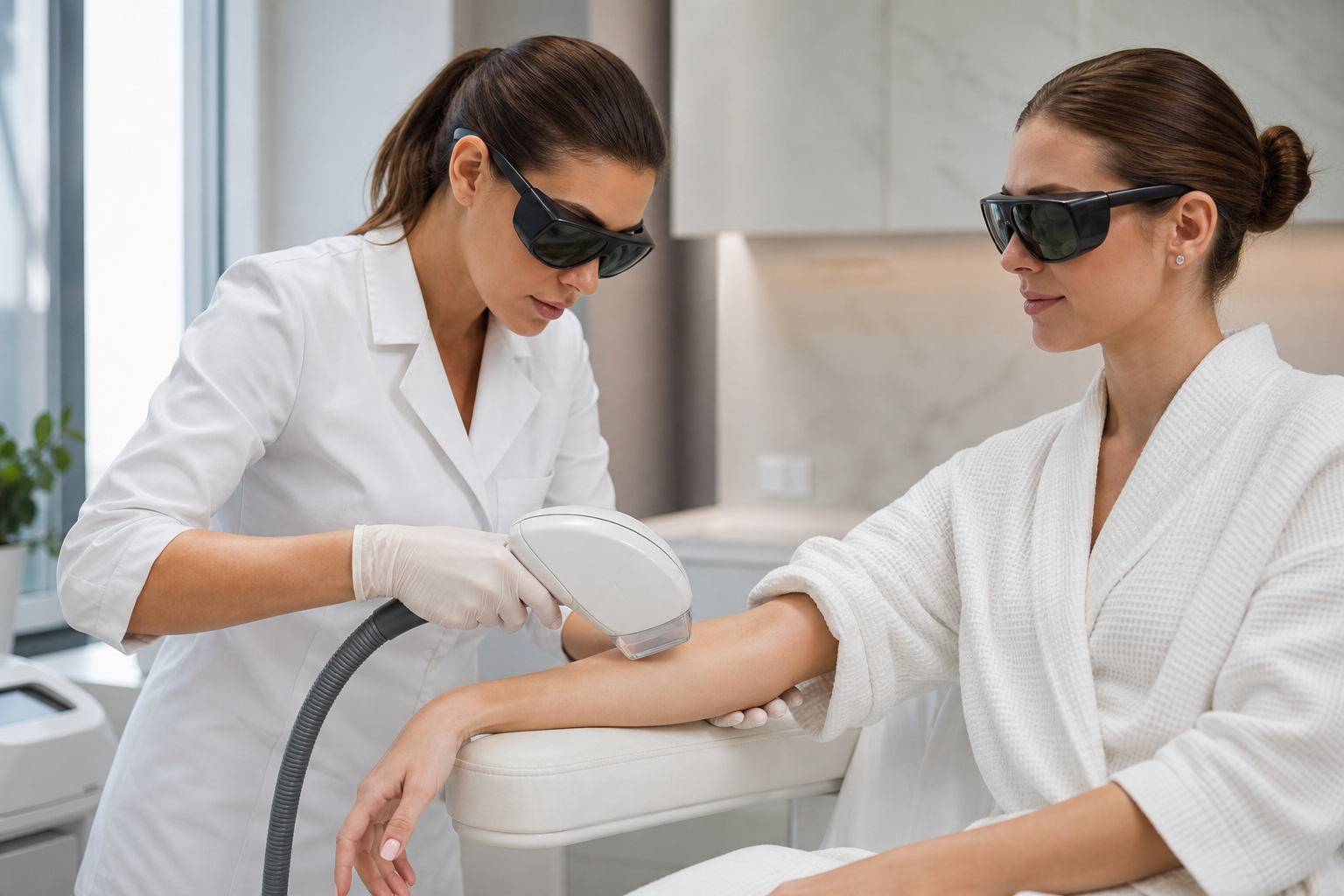
Laser hair removal has emerged as one of the most sought-after cosmetic procedures worldwide, offering a long-term solution to unwanted hair. Harnessing advanced laser technology, it promises smoother skin and freedom from the daily rituals of shaving or waxing. However, as this treatment has become more popular, questions about its safety have naturally surfaced. If you are considering laser hair removal or simply want to understand the risks and benefits of the procedure, it's important to approach the subject with balanced knowledge.
The safety of laser hair removal is not a simple yes-or-no answer. It depends on multiple factors including the type of laser used, the skills and experience of the practitioner, the characteristics of your skin and hair, your medical history, and how well pre- and post-treatment guidelines are followed. This article delves deep into understanding what makes laser hair removal safe, what temporary side effects may be expected, the rare but possible complications, and how you can engage with your provider to minimize risks.
Whether you have fair skin and dark hair or a deeper skin tone, whether you’re wary of potential side effects or simply want to make an informed decision, this comprehensive discussion of laser hair removal safety aims to illuminate the most important considerations, grounded in expert insights and clinical experience.
Understanding Laser Hair Removal: What It Is and How It Works
At its core, laser hair removal is a cosmetic technique that uses a concentrated beam of light to target and disable hair follicles, effectively reducing hair growth long-term. The laser emits light at specific wavelengths that are preferentially absorbed by melanin, the pigment present in hair follicles. This absorption heats the follicle, damaging its ability to regenerate hair without affecting surrounding tissues.
This selective photothermolysis requires a delicate balance: enough energy to disable the follicle while preserving the skin’s integrity. Because hair grows in cycles, multiple treatment sessions are necessary to catch hairs in their growth phase (anagen), when the laser can have maximum effect.
Types of lasers commonly used include diode, alexandrite, and Nd:YAG lasers, each suited for different skin phototypes and hair colors. Proper selection of the laser and its parameters is vital for both the effectiveness and safety of the procedure.
Who Is an Ideal Candidate and Why Assessment Matters for Safety
Laser hair removal safety is closely tied to choosing the right candidates for the procedure. Generally, those with lighter skin tones paired with darker, coarser hair experience the best results and lowest risk of complications because the laser can easily distinguish the hair pigment from the surrounding skin.
Conversely, individuals with darker skin tones or very light, fine hairs pose greater challenges. The contrast between hair and skin pigment diminishes, increasing the likelihood of unintended skin irritation, pigmentary changes, or ineffective treatment if the lasers are not carefully calibrated.
Before treatment, a thorough consultation must consider the Fitzpatrick skin phototype, hair color and texture, history of tanning or sun exposure, any current skin conditions (such as eczema, psoriasis, or infections), and medications or supplements that increase photosensitivity. Pregnancy is usually a contraindication for laser hair removal.
Such careful assessment not only ensures safety but also helps tailor the treatment plan, delivering optimum results while minimizing risks.
Key Factors Ensuring Safe Laser Hair Removal
The safety of laser hair removal hinges on several interconnected aspects, each contributing to reducing adverse effects and enhancing patient comfort.
Professional Evaluation and Consultation: An experienced provider will perform a detailed skin and hair analysis, discuss medical history, and verify any contraindications or sensitivities. This critical step influences all subsequent treatment parameters.
Choice of Laser and Settings: Modern laser systems feature adjustable power levels, pulse widths, and cooling methods, which must be customized to the individual’s skin type and hair characteristics. For example, Nd:YAG lasers are often preferred for darker skin tones due to their longer wavelength.
Effective Cooling Systems: Integrated cooling techniques, such as contact cooling, cryogen spray, or chilled air, protect the skin surface from overheating during laser pulses, reducing discomfort and the chance of burns.
Eye Protection: Given the intensity of laser light, protective goggles for both patient and practitioner are mandatory to prevent eye injury.
Adherence to Pre- and Post-Treatment Guidance: Patients must avoid sun exposure and tanning before and after treatment, avoid certain photosensitizing medications and skin products that can increase irritation, and follow specific skincare routines advised by the professional.
Common Temporary Reactions: What to Expect After Laser Hair Removal
Laser hair removal is generally well-tolerated, but mild and transient effects are common and usually not worrisome.
Redness: Frequently described as a mild sunburn sensation, redness occurs as capillaries dilate and skin reacts to heat. It typically resolves in a few hours to days without intervention For further details, see Redness After Laser Hair Removal.
Itching: This may arise as the skin heals and can often be managed with cooling gels or gentle moisturizers. Persistent or severe itching should be brought to the provider’s attention.
Folliculitis: Occasionally, inflammation of hair follicles may manifest as small bumps resembling pimples. It is usually self-limiting or controlled with topical treatments. Additional information is available at Folliculitis After Laser Hair Removal.
These reactions reflect the skin’s normal healing response to targeted follicular injury and usually subside without lasting effects.
Rare Complications: Recognizing and Reducing Risks
Although rare, complications can occur, particularly if treatment protocols are not strictly followed or if patient factors increase susceptibility.
Burns: Thermal injury can result from excessive energy settings, improper laser selection, or inadequate cooling, causing pain, blistering, and potential scarring. It is essential that patients choose providers certified in laser safety, with experience adapting settings to individual skin types. For a detailed exploration, see Burns After Laser Hair Removal.
Pigmentary Changes: Hyperpigmentation (darkened patches) or hypopigmentation (lightened patches) may develop, especially in darker-skinned individuals or following sun exposure. Though often temporary, these may require further dermatologic treatment.
Scarring: True scars are exceedingly rare but can arise from severe burns, infections, or improper wound care post-treatment. Avoiding picking or scratching and prompt treatment of infections minimize this risk. More about scar risks is discussed in Can Laser Hair Removal Cause Scars?.
Transparency and communication with your provider are crucial to managing expectations and ensuring any adverse effects are promptly addressed.
Essential Questions to Ask Your Laser Hair Removal Provider
Being well informed is your best safeguard. When consulting a laser specialist, consider asking:
"What type of laser device do you use, and for which skin and hair types is it best suited?" Different lasers have varied efficacy and safety profiles depending on individual characteristics.
"How do you customize treatment parameters to my skin phototype and hair color?" This demonstrates a personalized approach that prioritizes safety.
"What protective measures do you implement during the procedure?" Confirm details about cooling and eye protection.
"What side effects are common, and what signs indicate a need for medical attention?" Understanding expected reactions helps in distinguishing normal healing from complications.
"What pre- and post-care instructions should I follow for optimal safety and effectiveness?" Compliance with these greatly influences outcomes.
"What is your training and experience in laser hair removal?" Credentials and practical proficiency are key indicators of safe practice.
These conversations not only inform you but also reflect the provider’s dedication to patient safety.
What Happens After a Treatment Series? Setting Realistic Expectations
Laser hair removal is not a one-time fix but a treatment regimen, typically encompassing multiple sessions spaced several weeks apart. Hair reduction gradually accumulates as successive treatments target follicles entering the growth phase.
Your skin may exhibit mild irritation after each session, gradually subsiding over time. Patchy hair regrowth and thinner hairs are common as the process unfolds. Regular follow-ups with your provider enable adjustment of settings to optimize both safety and results.
Following What to Do After Laser Hair Removal and What Not to Do After Laser Hair Removal guidelines enhances safety and prolongs treatment benefits.


