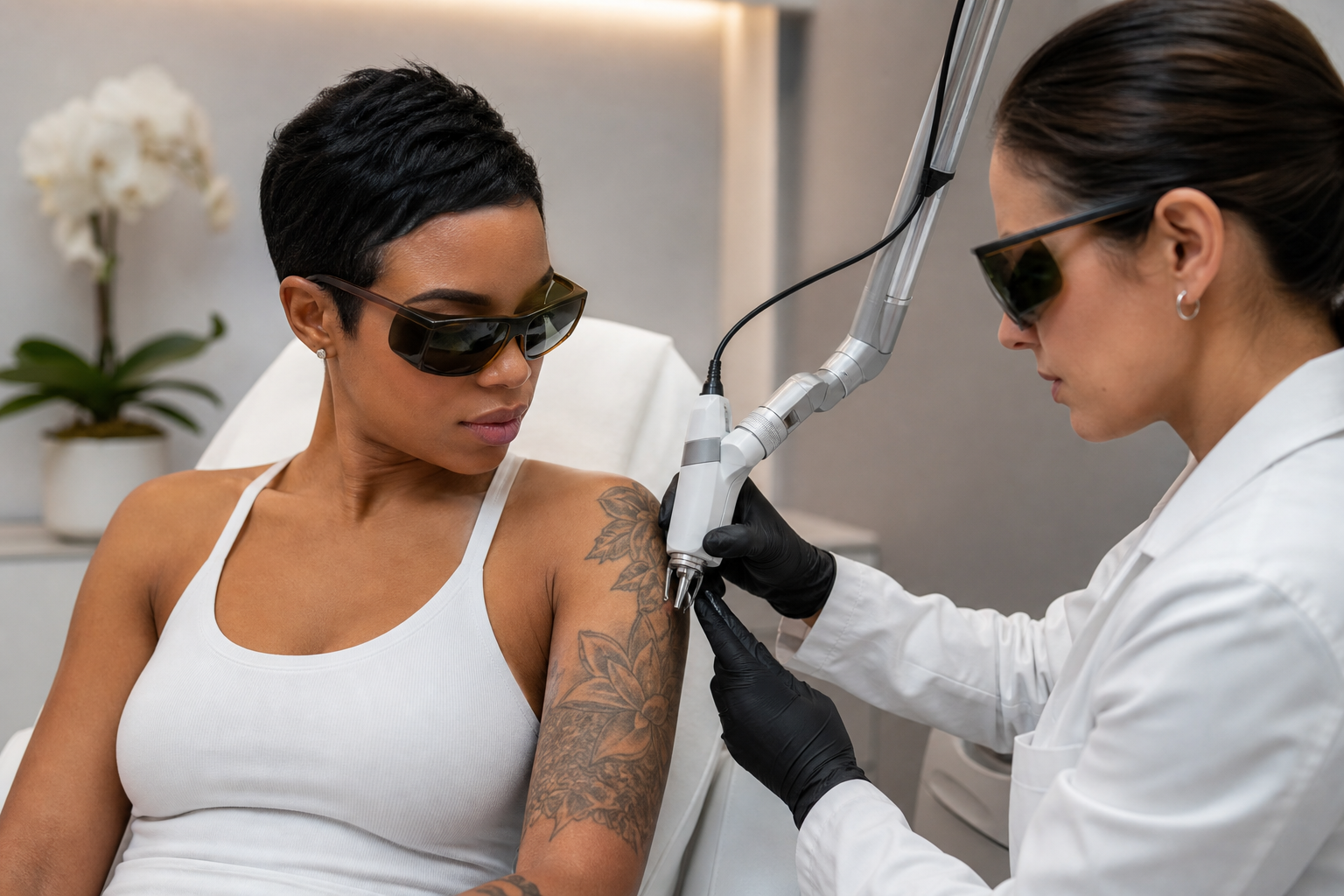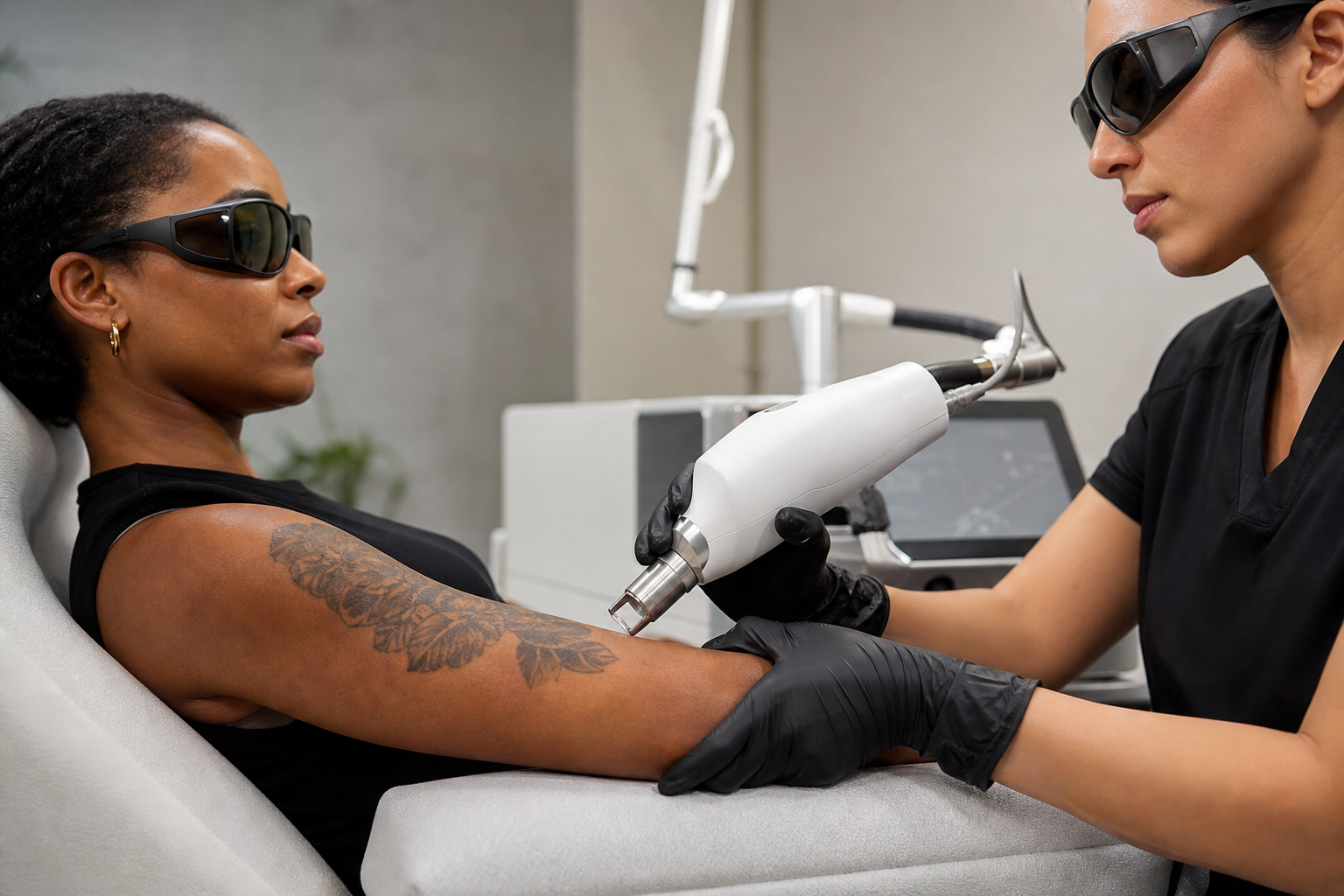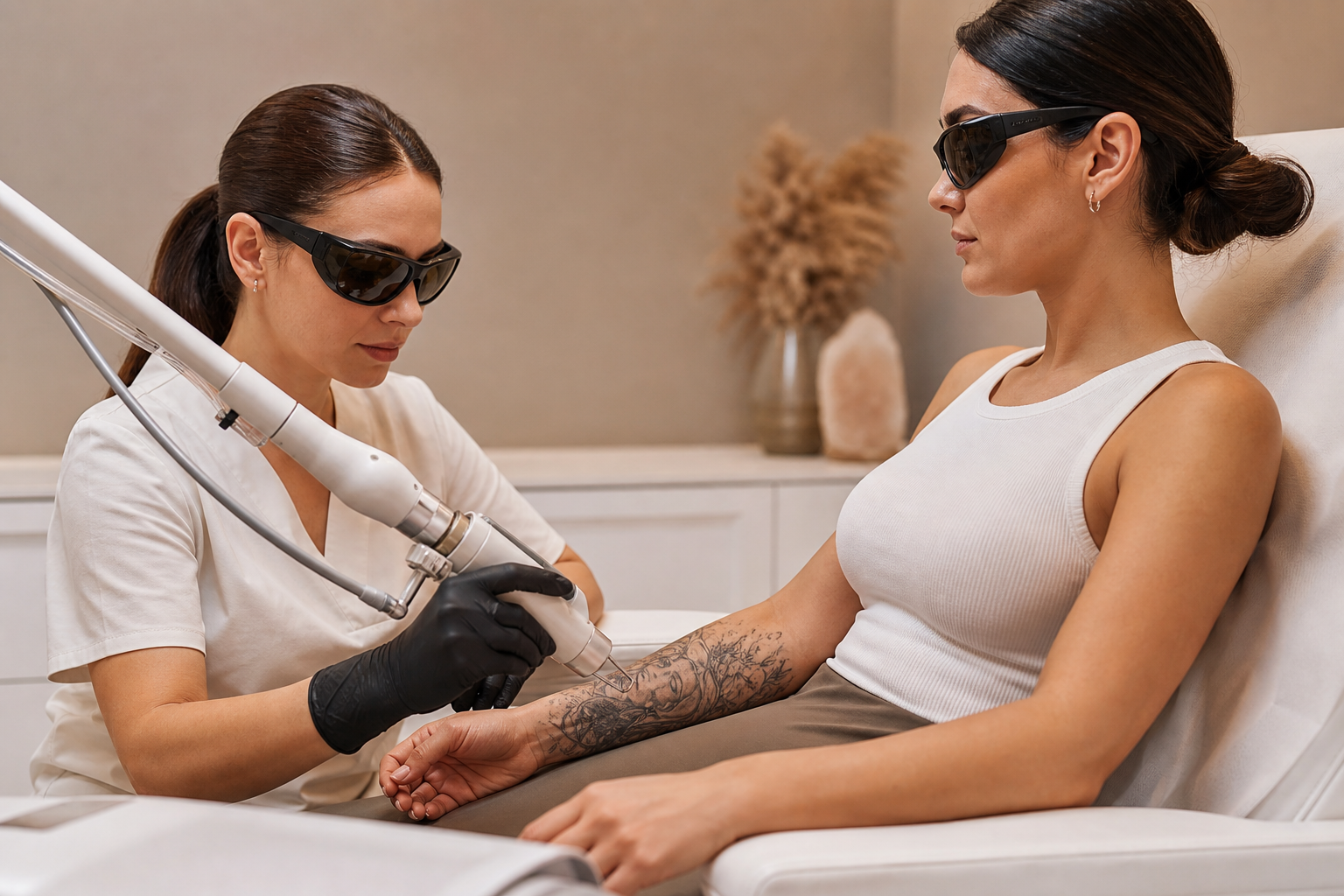
Laser tattoo removal has emerged as a leading aesthetic procedure for individuals seeking to diminish or completely erase unwanted tattoos. Employing precise laser energy to fragment pigment particles within the skin, this method facilitates the body's natural elimination process without invasive techniques or prolonged healing periods. However, the success and safety of laser tattoo removal are profoundly influenced by skin phototype, a critical factor in formulating personalized treatment plans and setting realistic outcome expectations.
This comprehensive discussion addresses the significance of skin phototype in laser tattoo removal, emphasizing the Fitzpatrick scale—a widely accepted classification system delineating six fundamental skin types based on sun response and melanin concentration. Understanding this scale is essential to safely and effectively tailor laser treatments, particularly for individuals with darker skin tones, which are more susceptible to pigmentation alterations and certain complications.
Intended for individuals contemplating tattoo removal across varying skin types—as well as dermatologists and aesthetic medicine professionals—this article advocates an informed, individualized approach. It underscores the necessity of expert assessment and judicious treatment planning to navigate challenges and optimize patient satisfaction.
The Fitzpatrick Skin Phototype: A Pillar for Personalized Tattoo Removal
The Fitzpatrick skin phototype categorizes skin on a scale from I to VI according to its reaction to ultraviolet (UV) radiation, ranging from very fair, light-sensitive skin (Type I) to deeply pigmented, highly sun-resistant skin (Type VI). Melanin, the pigment responsible for skin color, plays a crucial protective role against UV damage but also affects how skin absorbs laser energy during tattoo removal.
Accurate identification of an individual's phototype guides clinicians in selecting the appropriate laser type and adjusting treatment parameters. Tailoring these variables reduces the potential for adverse events like hyperpigmentation or hypopigmentation. Particularly for moderate to dark phototypes, precise calibration is vital due to increased melanin absorption in the epidermis, which can act as a competing chromophore to tattoo pigments.
Incorporating the Fitzpatrick scale into pre-treatment assessment ensures a systematic framework for decision-making, balancing efficacy and safety in removal sessions.
Melanin's Influence on Laser-Tissue Interaction in Tattoo Removal
Melanin's optical properties significantly modulate laser-tissue interactions. In tattoo removal, lasers target ink pigments; however, melanin in darker skin can inadvertently absorb laser photons, leading to unintended thermal effects. This melanin absorption can cause localized overheating, heightening the risk of skin injury and pigmentary changes.
To mitigate this, lasers with longer wavelengths—such as Nd:YAG lasers operating at 1064 nm—are preferred for darker skin types because these wavelengths penetrate deeper and are less absorbed by epidermal melanin. Consequently, these lasers more selectively disrupt tattoo pigments while preserving surrounding tissue integrity.
Understanding melanin's absorption spectrum and its interplay with laser wavelengths informs safer, more effective tattoo removal strategies, especially useful when addressing individuals with higher Fitzpatrick phototypes.
The Imperative of Individualized Evaluation Before Laser Tattoo Removal
Every skin is unique, and tattoo characteristics—such as color, depth, and density—vary widely. Hence, a thorough evaluation that considers skin phototype, tattoo specifics, history of skin conditions, and prior treatments is indispensable. This assessment facilitates realistic counseling on anticipated results, potential risks, and the number of laser sessions required.
An individualized consultation also explores prior scarring or pigmentary disorders, which may influence the skin's response to laser energy and affect post-treatment outcomes. Close dialogue between clinician and patient fosters shared decision-making and tailors treatment protocols accordingly.
Ultimately, this bespoke approach helps minimize complications and align treatment plans with patient expectations, ensuring both safety and satisfaction.
Adapting Laser Protocols for Darker and Sensitive Skin Types
Dark skin types and sensitive skin pose distinct challenges in laser tattoo removal due to their intrinsic melanin content and skin reactivity. Treatment protocols must emphasize conservative energy settings, appropriate laser wavelength selection, and elongated intervals between sessions to allow sufficient skin recovery.
Longer wavelength lasers, particularly 1064 nm Nd:YAG, have well-documented efficacy and safety profiles for such skin types, as they preferentially target tattoo pigments while sparing melanin-rich epidermis. Additionally, pre-treatment skin conditioning and meticulous post-procedure care reduce inflammatory responses and pigmentary shifts.
Clinicians also advise against laser sessions on recently tanned skin, as increased melanin from UV exposure compounds risks, which calls for judicious scheduling to optimize timing and safety.
Realistic Advantages and Limitations Across Skin Phototypes
Laser tattoo removal offers precision, the capacity to treat multiple ink colors, and minimal downtime—advantages that span all skin phototypes. However, treatment dynamics differ notably between light and dark skin. Lighter phototypes typically experience more rapid clearance with lower complication rates, while darker skin types require cautious energy modulation and a longer treatment course to circumvent pigmentation anomalies.
Limitations include the increased potential for hypo- or hyperpigmentation in melanin-rich skin, higher overall costs due to additional precautions, and the requisite patience for multiple sessions. Not all laser devices provide universal suitability, necessitating devices equipped with variable wavelengths and pulse durations.
Realistic counseling about these factors is essential to managing patient expectations and achieving optimal aesthetic outcomes.
Timing and Risks of Performing Laser Removal on Tanned Skin
Tanned skin, reflecting an upregulated melanin concentration post UV exposure, markedly elevates the risk for pigmentary complications during laser tattoo removal. The enhanced melanin competes with tattoo pigments for laser energy absorption, potentially leading to burns, prolonged inflammation, and permanent pigmentary changes.
Consequently, deferring laser treatment until skin returns to its baseline pigmentation is recommended. This latency can range from several weeks to months, depending on the degree of tanning and individual skin dynamics. Avoiding sun exposure prior to and following treatment sessions is integral to safeguarding skin integrity and maximizing procedure efficacy.
Understanding and adhering to these temporal considerations underscores responsible clinical practice and patient safety.
Strategies to Minimize Pigmentary Risks in Laser Tattoo Removal
Mitigating risks of pigmentary alterations hinges on comprehensive phototype assessment, precision in laser choice and parameter settings, and scrupulous pre- and post-treatment care. Key preventive measures include rigorous avoidance of sun exposure, application of broad-spectrum sunscreens, and the use of topical agents that support skin barrier function and pigmentation balance.
Incremental energy increments, patient skin response monitoring, and sufficient intervals between sessions further protect against adverse pigmentary events. Consulting evidence-based protocols and continuous training improve outcomes and reduce risk profiles.
These combined efforts form the cornerstone of safe and effective laser tattoo removal across diverse skin types.
The Stepwise Process of Tattoo Removal Tailored to Different Skin Types
Tattoo removal unfolds over multiple laser sessions, calibrated to pigment fading progress and skin recovery. Light skin types often tolerate higher energy and shorter intervals between sessions, facilitating brisker results. Conversely, darker skin demands moderated energy and extended healing periods to prevent complications.
Throughout treatment, pigment particle fragmentation and gradual cellular clearance occur, aligning with the body's immunologic processes. Patience and adherence to recommended session spacing are pivotal, as hasty or aggressive treatment may yield suboptimal clearance or skin injury.
Regular clinical assessments enable ongoing customization of protocols to individual responsiveness and safety margins.
Frequently Asked Questions on Laser Tattoo Removal for Different Skin Types
Does darker skin have higher risk of complications? Yes, higher melanin concentration elevates risks of pigmentary changes, requiring vigilant parameter adjustments.
When is the optimal time of year for treatments? Cooler months with less sun exposure, such as autumn and winter, are preferred to minimize UV-related risks.
Can laser tattoo removal leave scars? When performed by trained professionals with appropriate technique and post-care, the risk of scarring is minimal.
Is sun avoidance necessary before and after treatment? Absolutely; reducing UV exposure is critical to preventing pigment abnormalities and ensuring safe healing.