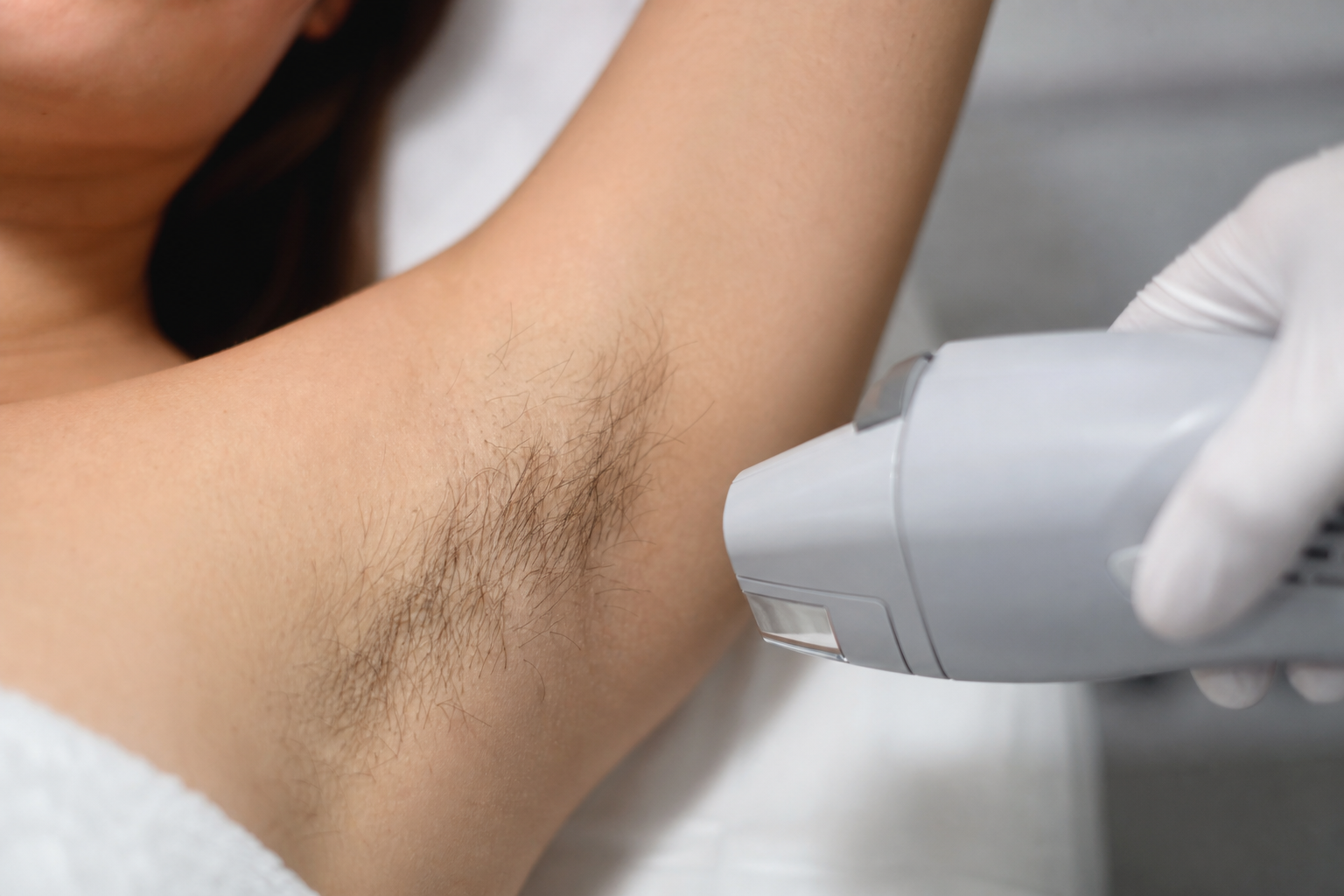
Coarse hair and laser hair removal are intimately connected in the field of advanced dermatological treatments, particularly laser procedures designed for long-term hair reduction. Coarse hair, often referred to as terminal hair, is characterized by its thicker, pigmented structure distinguishing it from finer, lighter vellus hair. Understanding the distinct interaction between laser technology and coarse hair offers essential insight for individuals considering laser hair removal, particularly those whose hair structure presents an optimal target for treatment.
This article explores the multifaceted relationship between coarse hair and laser hair removal, demystifying why pigmented coarse terminal hair frequently yields clearer laser targets and more predictable responses in treatment protocols. The focus is on providing a refined and authoritative explanation on how hair pigmentation, follicle depth, laser energy settings, and cooling mechanisms contribute to treatment outcomes. Additionally, this content aims to clarify the role of hormonally influenced areas, expected hair shedding timelines, and the nature of progressive hair thinning post-treatment.
For individuals weighing their options for hair removal, professionals in dermatology and aesthetics, and those already engaged in treatment cycles, comprehending how coarse hair behaves under laser exposure is critical. This knowledge empowers realistic expectations, strategic treatment planning, and an understanding of factors influencing efficacy across different skin phototypes and body areas. By examining the science behind laser targeting in coarse hair, readers can make informed decisions tailored to their unique physiological characteristics.
Why Does Coarse Pigmented Hair Provide a Superior Target for Laser Hair Removal?
Laser hair removal operates on the scientific principle of selective photothermolysis, whereby laser energy is absorbed preferentially by melanin pigment within the hair shaft and follicle. Coarse hair contains a higher concentration of melanin compared to fine or lightly colored peach-fuzz-like hair, making it a more visible and effective target for laser energy. The increased melanin density in terminal hair allows for enhanced absorption of light energy, resulting in significant thermal damage to the hair follicle, thereby reducing its ability to regenerate hair.
Conversely, hair types lacking melanin, such as white, grey, or very fine vellus hair, do not absorb laser energy effectively, leading to diminished treatment response. As a result, coarse pigmented hairs offer a clear advantage due to their visibility to the laser device, facilitating precise targeting and optimized follicular destruction. This fundamental mechanism underpins why most laser hair removal protocols emphasize treatment of coarse terminal hair.
However, it's crucial to recognize the nuanced interplay between hair pigmentation and skin phototype. Individuals with darker skin tones or highly pigmented regions require specific laser wavelengths that can penetrate deeper while minimizing epidermal melanin absorption, reducing the risk of burns. Therefore, while coarse hair typically signifies an ideal laser target, the individual context of skin and hair characteristics influences treatment parameters and outcomes.
How Does Follicle Depth Influence Laser Treatment Efficacy on Coarse Hair?
Each hair follicle resides at varying depths within the dermis, largely depending on the anatomical site of the hair. Coarse hair follicles are generally located deeper compared to finer hair follicles, necessitating laser wavelengths capable of penetrating these dermal layers to deliver effective energy levels directly to the follicular bulb.
For instance, regions such as the chin or chest often feature coarse hair follicles positioned at greater depths, which challenges the laser's ability to reach and sufficiently damage the follicle. In these cases, lasers emitting longer wavelengths such as Nd:YAG or diode lasers are preferred as they provide enhanced skin penetration while maintaining safety profiles across a range of skin phototypes. In contrast, areas with more superficial hair follicles may be treated effectively with shorter wavelength lasers like Alexandrite.
Successful follicular targeting requires a delicate balance—laser energy must be sufficiently absorbed by melanin within the hair yet not excessively dispersed or attenuated before reaching the follicle base. The deeper the follicle, the greater energy density required, along with precise application, to circumvent any potential epidermal injury and optimize follicular damage. This factor explains why treatment effectiveness and parameters can vary between different body areas, even when the hair is similarly coarse.
What Role Do Laser Energy Settings and Skin Cooling Play in Treating Coarse Hair?
The energy delivered by the laser, measured in joules per square centimeter (J/cm²), directly influences follicle destruction efficacy. Coarse terminal hair generally demands higher energy settings to disrupt the more robust follicular structures and dense pigmentation. However, excessive laser energy risks causing epidermal damage, leading to discomfort, burns, or hyperpigmentation.
To mitigate these risks, modern laser devices incorporate advanced cooling mechanisms, such as contact cooling sapphire tips, cryogen spray, or forced cold air. These systems protect the outer layers of skin by dissipating heat instantaneously, allowing clinicians to safely administer higher laser energies required for coarse hair without compromising patient comfort or safety.
Optimizing the relationship between laser energy and cooling is critical. Adequate cooling reduces pain perception and limits inflammatory responses, enabling more aggressive and effective treatment sessions that maximize follicular damage while preserving skin integrity. Consequently, patients often tolerate treatments on coarse hair with minimal discomfort, experiencing only transient sensations akin to snapping rubber bands or warm prickling sensations.
What Sensations Can Patients Expect During Laser Hair Removal of Coarse Hair?
The perception of laser treatment varies among individuals, but treatments targeting coarse hair typically evoke a mild to moderate sensation described as brief, sharp snaps or pins-and-needles. This is attributable to higher energy settings and deeper laser penetration necessary for effective follicle disruption.
However, modern laser systems' integration of skin cooling technologies substantially diminishes pain levels, often making the procedure more tolerable than anticipated. Many describe the experience as a series of quick, mild stings accompanied by cooling airflow, which promptly alleviates discomfort. Patient preparation, including skin conditioning and avoiding sun exposure, alongside practitioner expertise, further contribute to minimizing adverse sensations.
Residual redness or slight swelling may occur immediately post-treatment but generally resolves within a few hours. It is important for patients to communicate any discomfort during therapy, as adjustments to laser settings and cooling parameters can enhance tolerability without compromising efficacy.
When Can Hair Shedding Be Expected After Laser Treatments on Coarse Hair?
Following laser treatment, the laser-induced thermal injury weakens hair follicles, causing treated hairs to shed gradually. This shedding typically manifests between 7 and 21 days post-session, as affected hairs enter a state of dystrophic catagen and are naturally expelled or extracted with gentle mechanical action such as washing or exfoliation.
Patients might notice hairs loosening in treated areas, appearing as if new hair growth slows or ceases temporarily. This visual cue serves as confirmation of successful follicular targeting. However, it is crucial to understand that immediate hair loss is rare—laser therapy influences follicle physiology progressively, requiring time to manifest evident changes.
Since hair growth cycles vary between body sites and individuals, multiple treatment sessions spaced at intervals aligned with natural hair cycling are necessary to capture all hair in their anagen (growth) phase, which is when hair follicles are most vulnerable to laser energy.
How Many Treatment Sessions Are Typically Necessary for Effective Coarse Hair Reduction?
Achieving significant and lasting hair reduction in coarse hair generally necessitates a series of six to eight treatment sessions. The exact number depends on individual variations such as hair density, hair cycle dynamics, treatment area, and hormonal influences. Spacing sessions between four to eight weeks allows laser application during active hair growth phases, thereby maximizing follicle destruction.
While initial treatments target the densest and most mature coarse hairs, subsequent sessions weaken remaining follicles and gradually reduce hair thickness and pigmentation. Over time, this process encourages the residual hairs to become thinner and lighter, which themselves respond less favorably to laser treatment but nonetheless contribute to overall hair reduction and skin smoothness.
Maintaining long-term results may require occasional maintenance treatments, especially in hormonally sensitive zones. Patient adherence to treatment schedules and post-care protocols enhances outcomes and satisfaction.
How Do Hormonal Factors Affect Coarse Hair and Laser Hair Removal Outcomes?
Hormonal activity, particularly involving androgens, profoundly influences hair follicle characteristics. Areas such as the face, chest, and back in men, or the chin and neckline in women, often exhibit hormonally stimulated coarse hair growth that can be persistent and resistant.
In hormonally active regions, laser hair removal outcomes may be less predictable and slower to consolidate. Androgens can promote the faster regeneration of follicles or the activation of dormant terminals, challenging sustained hair-free results. Consequently, individuals with hormonal imbalances or conditions such as polycystic ovary syndrome (PCOS) may require tailored treatment strategies, potentially involving adjunct therapies or ongoing maintenance to manage hair growth effectively.
It is important to note that laser hair removal does not alter hormonal levels but solely targets hair currently in the growth phase. Understanding the hormonal milieu helps practitioners set realistic expectations and design protocols that optimize long-term control of coarse hair in these sensitive areas.
What Is the Process of Coarse Hair Becoming Finer After Laser Hair Removal?
One of the typical responses to laser hair removal is the gradual transformation of coarse terminal hairs into finer, lighter vellus hairs. This phenomenon reflects partial follicular damage where complete destruction is not achieved, resulting in the residual follicle producing thinner and less pigmented hair shafts.
This shift is considered a positive indicator of treatment progress, as thinner hairs are less visible and often require fewer intensive sessions to manage. Over time, multiple laser treatments can yield substantial improvement in skin texture and hair density by promoting a widespread reduction in hair caliber.
However, residual fine hairs are more challenging to treat due to their lower melanin content, necessitating alternative methods or acceptance of a certain baseline level of hair presence. The transition from coarse to fine hair is a natural endpoint for many laser hair removal regimens, underscoring the importance of adjusting expectations and maintenance approaches accordingly.
Which Hair Types Are Generally Resistant to Laser Hair Removal?
While coarse pigmented hairs respond favorably to laser hair removal, several hair types are typically refractory to this form of treatment. White, grey, red, and very light blonde hairs lack sufficient melanin pigment, reducing laser energy absorption and thereby diminishing the treatment effect. Similarly, extremely fine vellus hairs do not present a target ample enough for selective photothermolysis.
For these hair types, alternative methods such as electrolysis may be recommended for permanent removal. It is advisable to consult with specialists to assess hair characteristics and determine the most effective treatment modalities tailored to individual hair profiles.
For more detailed information on managing non-responsive hair types, exploring resources focusing on Laser Hair Removal for Blonde Hair, Laser Hair Removal for Red Hair, and Laser Hair Removal for Grey and White Hair can provide comprehensive guidance.


