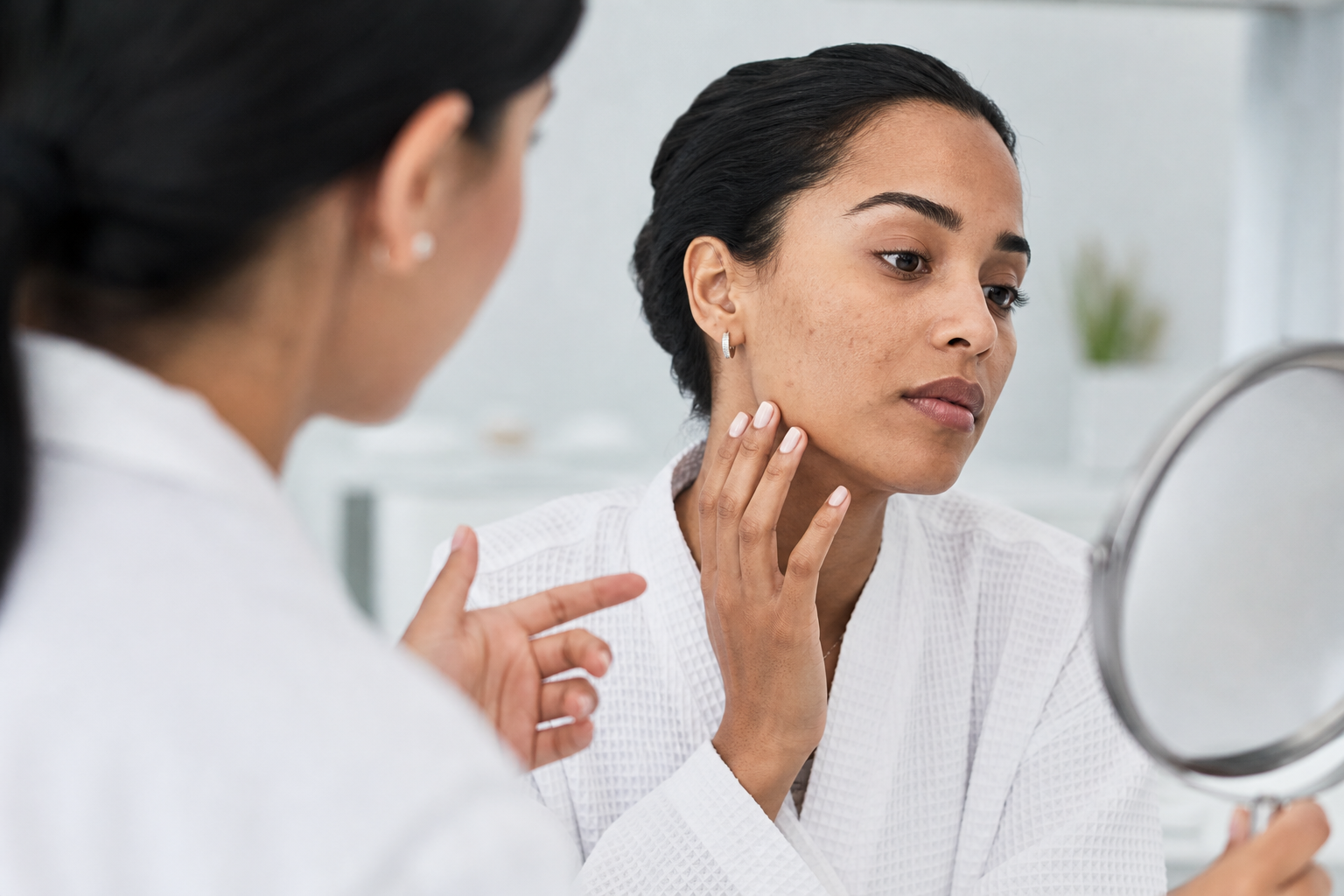
Post-acne marks are a common and often distressing aftermath for individuals who have battled acne. These marks, primarily manifesting as pigmentation changes, can profoundly impact one's self-esteem and quality of life. Addressing these skin changes effectively requires a nuanced understanding of their nature, the underlying inflammatory processes, and the appropriate timing and techniques for treatment.
This article is intended for individuals struggling with post-acne discoloration, as well as dermatologists, cosmetologists, and skincare professionals interested in advanced laser treatments for pigmentation. We will explore precisely when post-acne marks can be safely and effectively treated with lasers, highlighting the importance of distinguishing between different types of post-inflammatory lesions, managing active inflammation, and exercising caution in patients with darker skin tones.
Given the complexity of post-acne pigmentation and the various laser technologies available, it is crucial to embrace evidence-based approaches without overpromising universal solutions. Understanding these principles can help optimize treatment outcomes and minimize the risk of complications.
What Are Post-Acne Marks and Why Do They Occur?
Post-acne marks refer to the residual skin discolorations that remain after inflammatory acne lesions have resolved. They primarily represent two different physiological phenomena: post-inflammatory hyperpigmentation (PIH) and post-inflammatory erythema (PIE).
Post-inflammatory hyperpigmentation manifests as brown or dark spots resulting from the excessive production and deposition of melanin in response to skin inflammation. This melanogenesis is the skin’s natural defense mechanism, attempting to shield the affected area. PIH can be present within the epidermis or dermis, and its depth influences both appearance and treatment responsiveness.
Conversely, post-inflammatory erythema is characterized by red or pink marks caused by vasodilation and the prominence of capillaries following the resolution of acne lesions. Unlike PIH, PIE is vascular in nature and represents superficial blood vessel changes rather than pigmentary alterations.
Distinguishing between these two post-acne marks is fundamental because they require different treatment approaches. While PIH often benefits from pigment-targeting modalities, PIE responds better to treatments focusing on vascular components.
Why is Managing Active Inflammation Before Laser Treatments Crucial?
Laser interventions for post-acne pigmentation are most effective when the skin’s inflammatory status is stable. Treating skin with active acne lesions or ongoing inflammation poses substantial risks, including exacerbation of acne, worsening pigmentation, and adverse reactions.
Active inflammation implies that the underlying pathological process is still ongoing, rendering the skin more vulnerable and reactive. Lasers, which induce controlled micro-injury or targeted energy to specific chromophores, can inadvertently provoke additional inflammation if performed prematurely.
Therefore, dermatologists emphasize the control of active acne before initiating laser treatments for pigmentation marks. This typically involves comprehensive acne management protocols such as topical retinoids, anti-inflammatory agents, or systemic therapies, ensuring the skin is in a quiescent state to reduce risks and improve outcomes.
How to Differentiate Brown PIH from Red Post-Inflammatory Erythema?
Correctly identifying whether a post-acne mark is brown or red is essential in selecting the appropriate laser treatment. Brown PIH appears as darker, well-demarcated or diffuse spots, often with a brown to black hue, depending on melanin density and skin type. These lesions may persist for months or even years without treatment.
In contrast, red PIE presents as pink to red patches or macules with an evident vascular component. These vascular changes reflect capillary dilation and inflammation remnants. They are generally more superficial and may resolve with time or respond to vascular laser therapies.
Advanced diagnostic tools like dermatoscopy can aid in distinguishing these lesions by evaluating pigment patterns and vascular structures. Misdiagnosis can lead to suboptimal treatment choices, such as using pigment-targeted lasers on vascular lesions or vice versa, which may reduce effectiveness or induce complications.
What Are the Indications and Optimal Timing for Laser Treatment of Post-Acne Marks?
Lasers for post-acne pigmentation are indicated once the skin has settled from active acne, inflammation is controlled, and the nature of pigmentation is clearly identified. Initiating laser treatment too early may trigger procedural inflammation, aggravating pigmentary changes.
Typically, dermatologists recommend waiting several weeks to months after acne lesions have healed before considering laser interventions. This window allows natural skin repair and reduces the likelihood of unwanted reactions.
The patient’s skin phototype and history also influence timing and treatment approach. For individuals with darker skin tones, including Fitzpatrick skin types IV to VI, heightened caution is warranted to avoid laser-induced darkening. This requires personalized therapy plans and sometimes preliminary skin conditioning with topical agents before laser sessions.
Which Laser Technologies Are Most Effective for Treating Post-Acne Marks?
Several laser modalities have demonstrated efficacy in addressing post-acne marks, though they target different skin structures depending on the lesion type.
For brown PIH: Picosecond lasers and Q-switched lasers are commonly employed due to their ability to selectively fragment melanin granules with minimal collateral thermal damage. These lasers operate at specific wavelengths optimized for melanin absorption, promoting pigment clearance through the body’s natural exfoliative processes.
For red PIE: Lasers that target hemoglobin within dilated capillaries are preferred. Pulse-dye lasers (PDL), intense pulsed light (IPL) devices, and neodymium-doped yttrium aluminum garnet (Nd:YAG) lasers at vascular wavelengths are frequently utilized to reduce redness by inducing photothermolysis of superficial blood vessels.
Fractional lasers serve a dual purpose by inducing controlled epidermal and dermal micro-injuries that stimulate collagen remodeling, which helps improve both pigmentary changes and post-acne scarring. Their fractional delivery pattern limits overall epidermal disruption, allowing for safer treatments and faster recovery.
What Are the Special Considerations and Risks for Darker Skin Types?
Individuals with darker skin phototypes bear an increased risk of post-procedure complications such as paradoxical hyperpigmentation or hypopigmentation. This risk arises because of the higher baseline melanin content, which can be inadvertently targeted or stimulated by laser energy.
To mitigate these risks, treatment protocols for darker skin require:
Lower fluences and longer wavelengths preferentially absorbed by deeper pigment and vascular targets rather than epidermal melanin.
Gradual treatment courses with multiple sessions at conservative settings to minimize skin trauma.
Use of adjunctive topical therapies including depigmenting agents both before and after laser sessions.
Strict photoprotection is also crucial to prevent exacerbation of pigmentation post-treatment.
Laser therapy in darker skin must always be administered by well-trained practitioners guided by thorough patient evaluation, tailored protocols, and vigilant monitoring.
What Are the Expected Outcomes and Post-Treatment Care?
Following laser treatment for post-acne marks, patients should anticipate an initial phase during which pigmentation may appear darker or the skin may be mildly inflamed. This transient darkening is part of the natural elimination process of the disrupted pigment and does not indicate treatment failure.
Over several weeks, treated areas typically become lighter, and skin texture may improve, especially when fractional lasers are involved. However, multiple sessions spaced appropriately are often necessary to achieve optimal results.
Post-treatment care plays a pivotal role in outcomes and includes:
Consistent use of high-SPF broad-spectrum sunscreen to protect healing skin from UV-induced pigmentation rebound.
Gentle skincare routines avoiding irritating agents that may reactivate inflammation.
Follow-up consultations to assess healing and decide if further treatments are needed.
What Common Mistakes Should Be Avoided During Laser Treatment for Post-Acne Marks?
Several pitfalls can compromise laser treatment effectiveness and safety:
Inadequate assessment of lesion type leading to wrong laser selection.
Initiating laser therapy too soon during active acne or inflammation causing disease exacerbation and worsening pigmentation.
Applying excessive laser energy that induces unnecessary thermal injury and pigmentary changes.
Failing to counsel patients on photoprotection and post-care increasing complication risk.
Preventing these errors necessitates rigorous patient evaluation, choosing appropriate protocols, and setting realistic treatment goals collaboratively with the patient.


