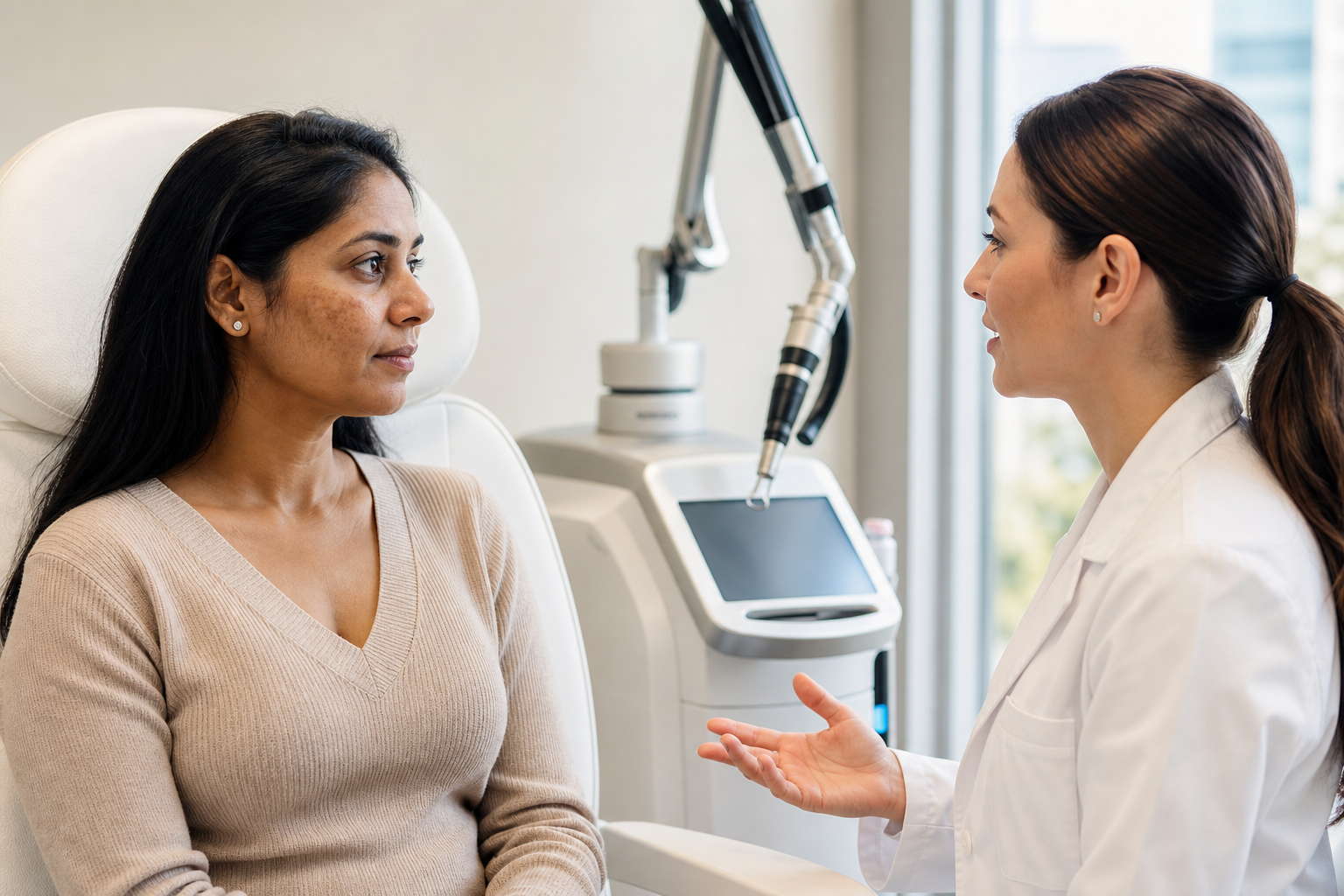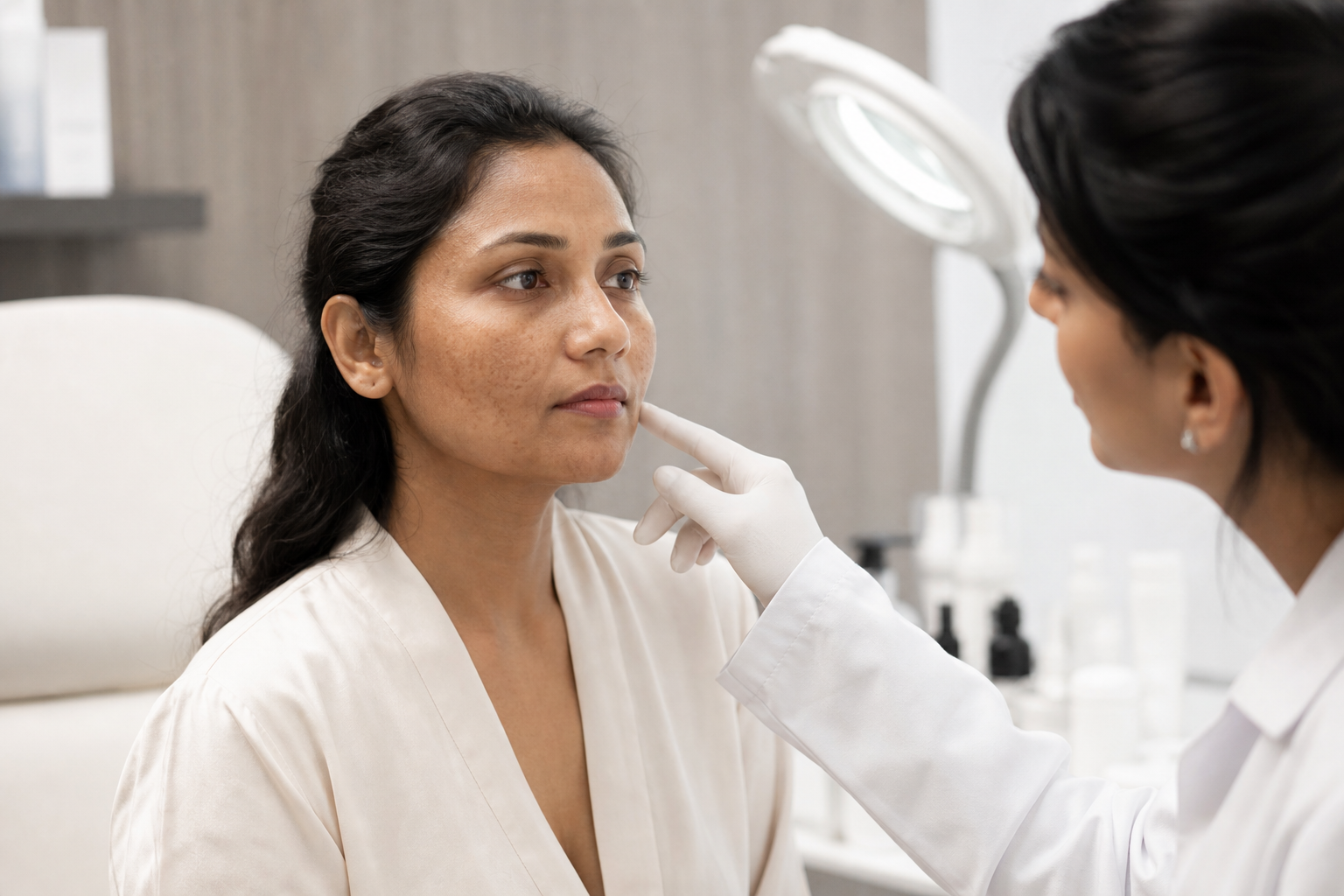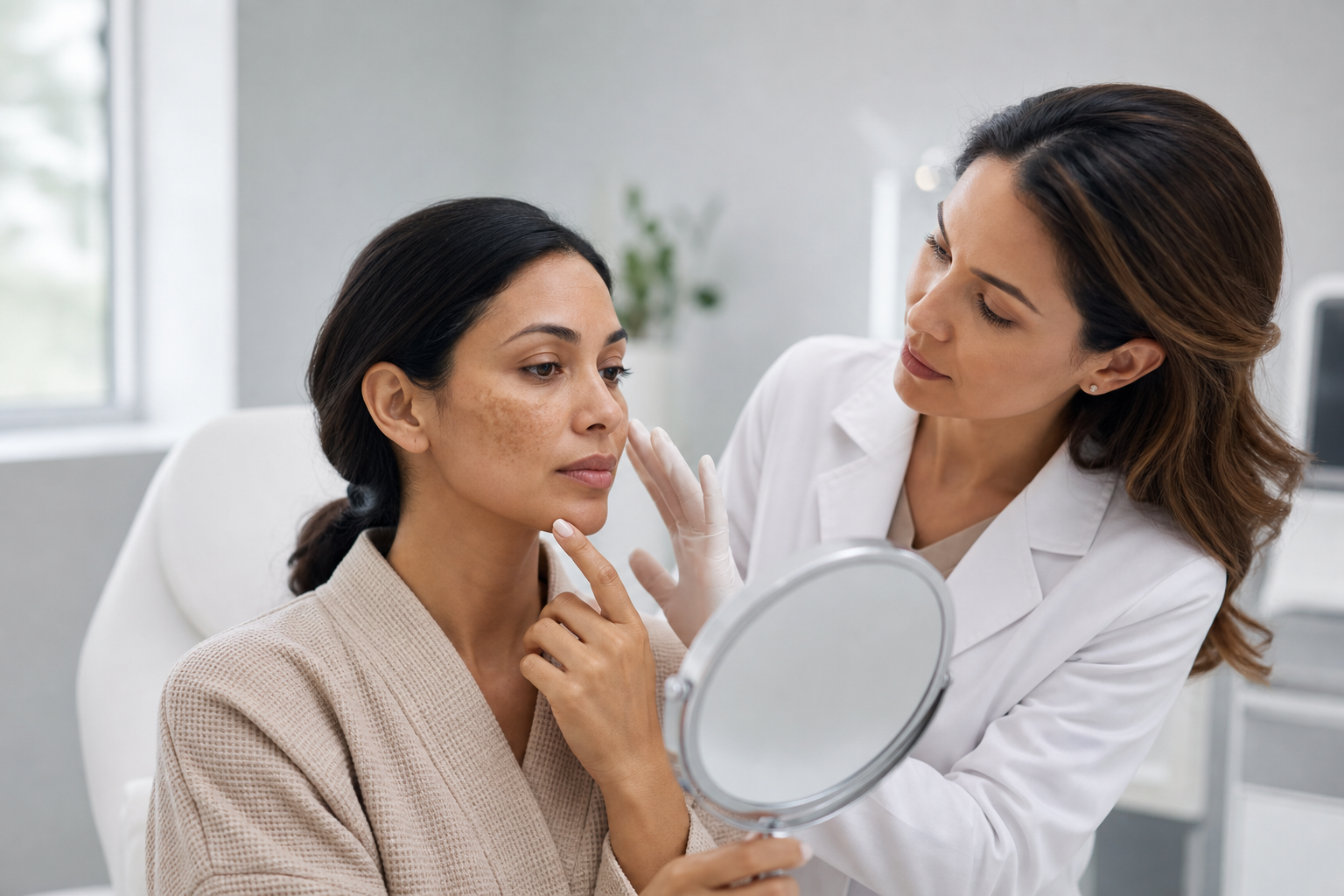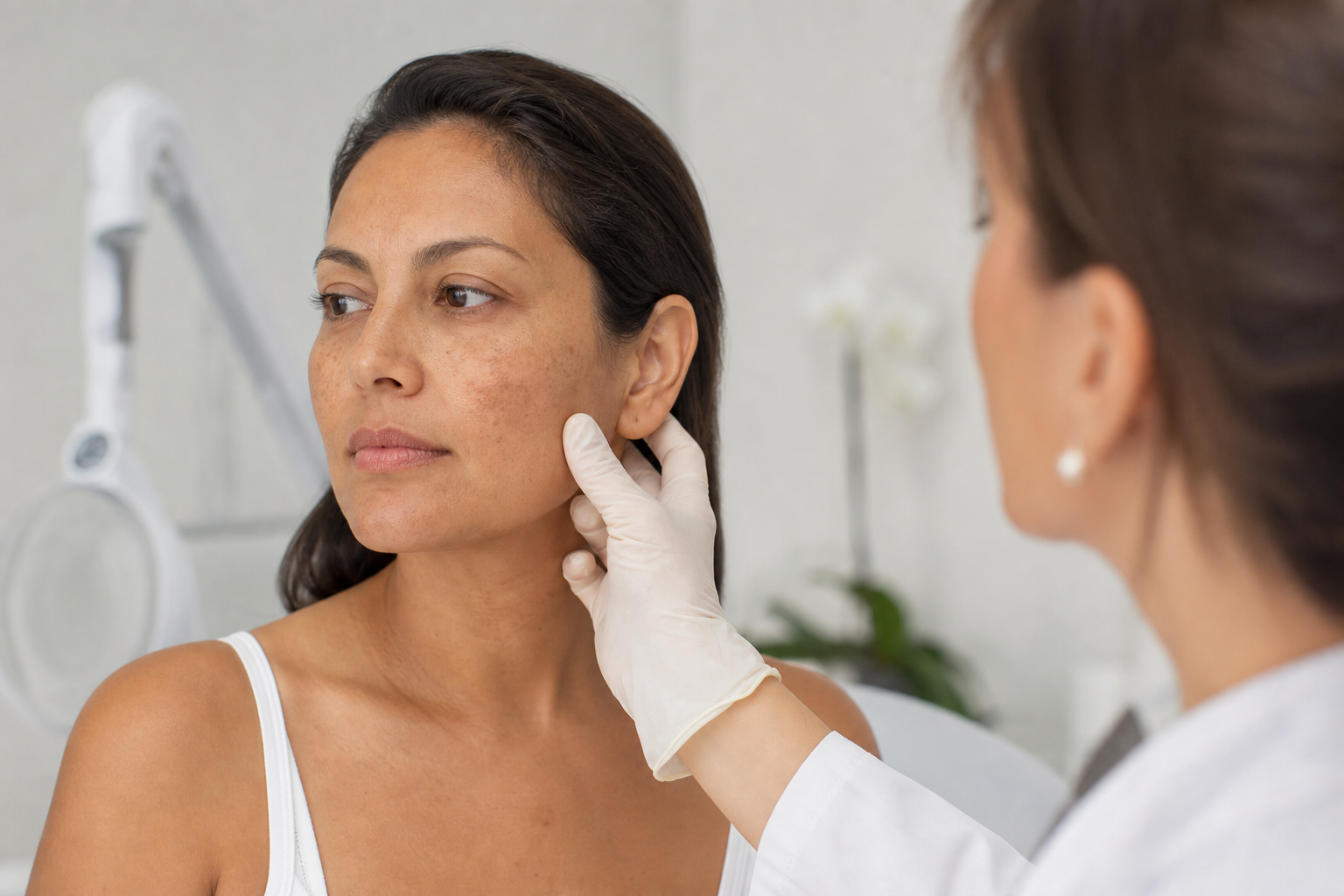
Melasma is a common yet challenging pigmentation disorder characterized by irregular, brownish patches most commonly appearing on the face. It predominantly affects women of reproductive age and stems from a complex interplay of factors including hormonal fluctuations, ultraviolet (UV) exposure, visible light, heat, and genetic predisposition. The quest for effective treatment is complicated by melasma’s multifactorial nature and the variable depth of pigmentation within the skin, ranging from superficial epidermal to deeper dermal layers, or sometimes both. This complexity makes laser treatment a nuanced choice rather than a straightforward remedy.
Laser treatment for melasma offers potential for improvement, especially when traditional topical therapies yield limited results. However, recognizing the benefits alongside the inherent limitations and risks, such as post-inflammatory hyperpigmentation (PIH) or recurrence, is vital for anyone considering this approach. This article delves into the roles lasers play in melasma management, outlines who might benefit, discusses the types of laser technologies used, and explains why recurrence and pigmentation worsening remain significant concerns. It is designed for patients seeking clearer skin, as well as dermatologists and skincare professionals aiming to navigate the complexities of melasma treatment responsibly.
Understanding the nature of melasma and its response to laser therapies is essential to making informed decisions and setting realistic expectations, especially for darker skin phototypes where treatment missteps can exacerbate the condition. With a focus on current evidence and practical considerations, this editorial offers a comprehensive exploration into laser treatment for melasma: its advantages, constraints, and the ever-present risk of recurrence.
What Exactly Is Melasma and Why Is It So Difficult to Treat with Lasers?
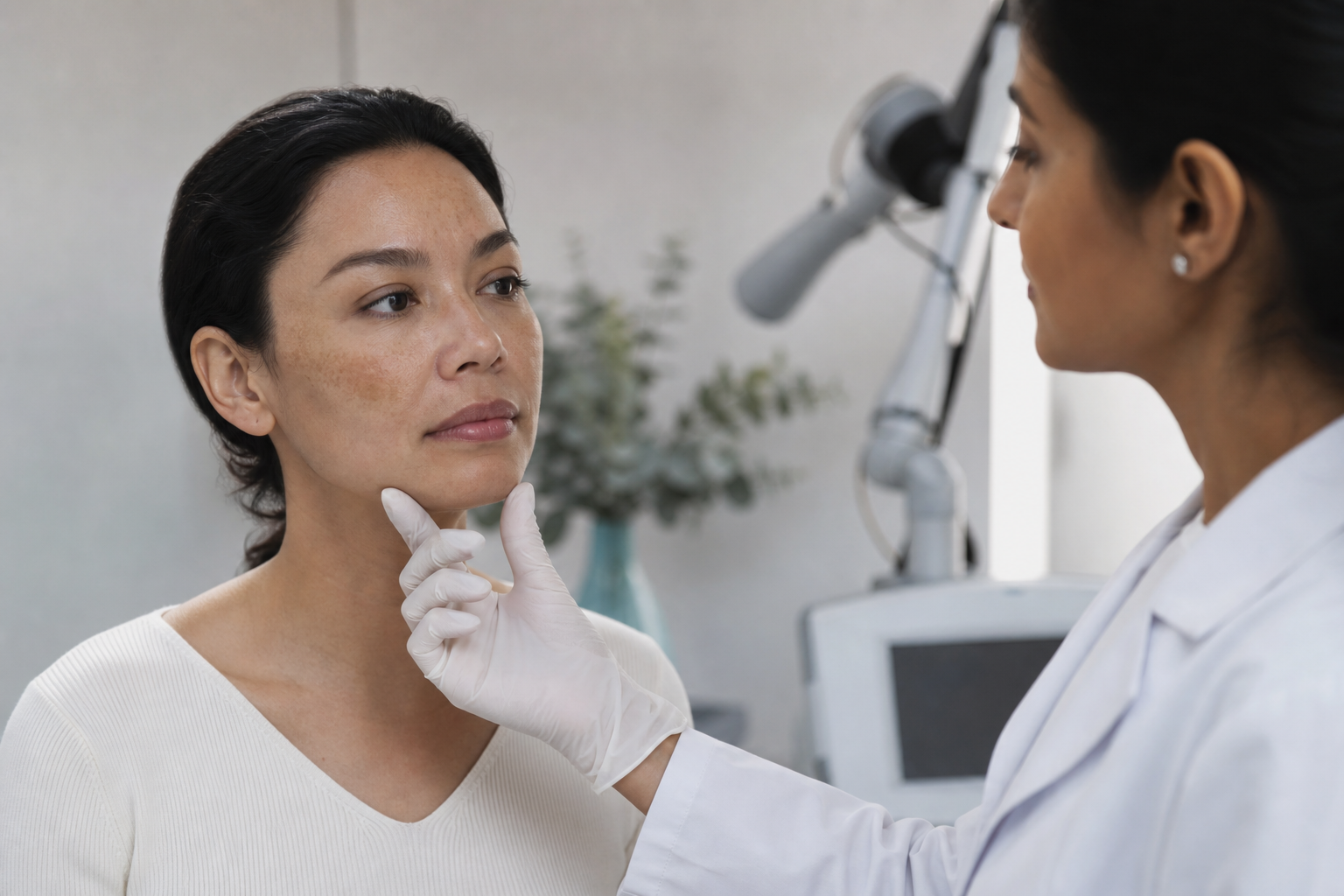
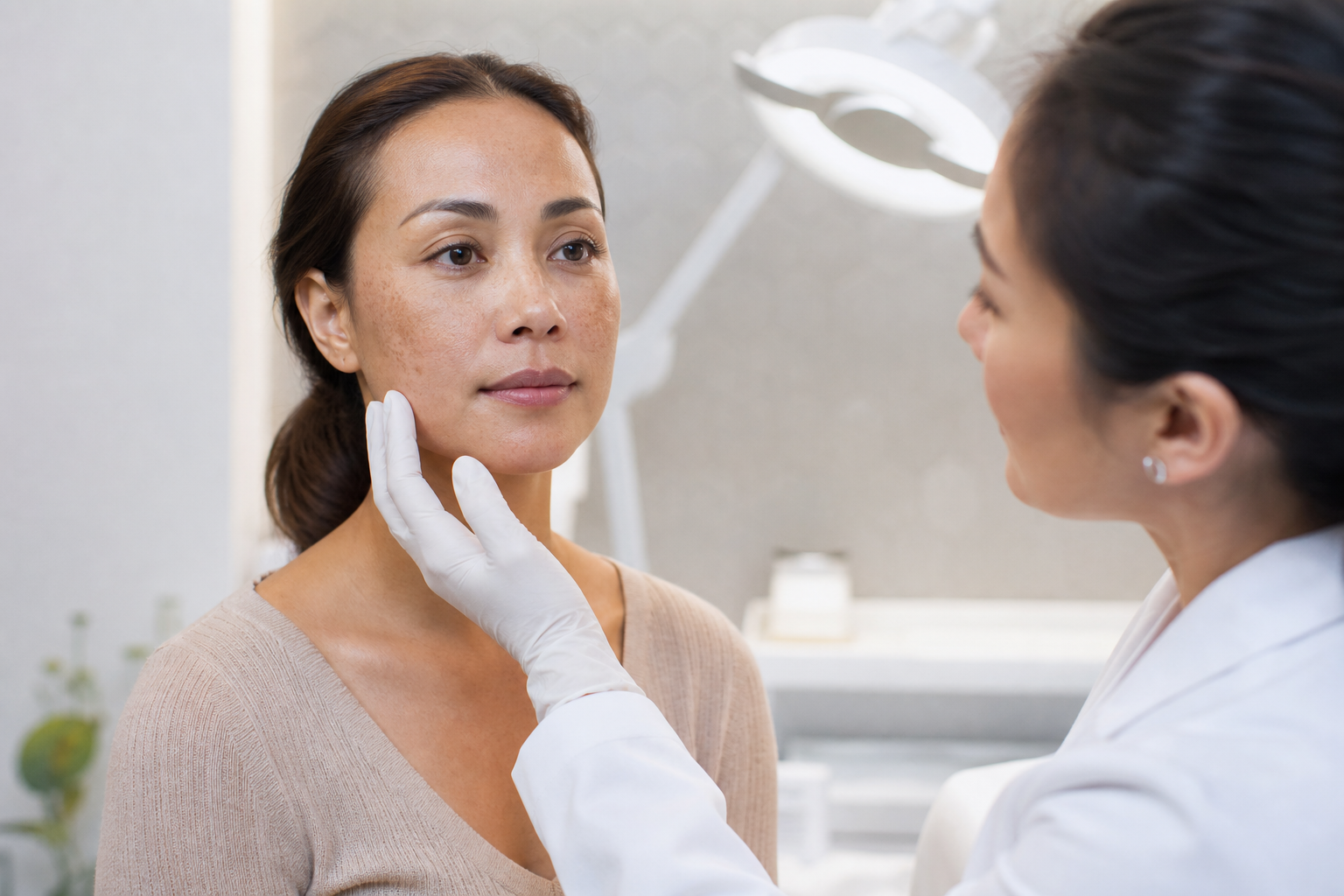
Melasma manifests as symmetric, irregularly shaped pigmented patches primarily on the central face—forehead, cheeks, nose, and upper lip. Its hallmark feature is excessive melanin production by melanocytes triggered by diverse internal and environmental stimuli. The condition’s multifactorial etiology involves hormonal influences (notably estrogen and progesterone fluctuations), UV and visible light exposure, thermal stimuli, and genetic factors.
One major challenge in treating melasma with lasers stems from the variability in pigment depth. Epidermal melasma involves superficial pigmentation near the skin surface, more amenable to laser targeting, whereas dermal melasma resides in deeper skin layers, often resistant to surface-based therapies. Mixed-type melasma combines features of both, complicating laser penetration and efficacy. Additionally, laser energy aimed at pigment destruction risks inciting inflammation, which paradoxically can trigger PIH or worsen melasma, particularly in patients with darker skin tones.
Moreover, melasma’s chronicity and the influence of persistent triggers like sun exposure and hormonal cycles contribute to its recurring nature post-treatment. Unlike other pigmentary issues where laser therapies may offer more durable clearance, melasma demands ongoing management to sustain improvements and minimize relapses.
Who Are the Ideal Candidates for Laser Treatment of Melasma?
Laser therapy primarily suits individuals with pronounced melasma pigmentation who have not achieved satisfactory results through conventional topical treatments. Patients with primarily epidermal or mixed melasma types and fair to medium skin phototypes often respond better and with fewer adverse effects compared to those with darker skin or predominantly dermal pigmentation.
Candidates must also demonstrate a commitment to rigorous photoprotection and adherence to a comprehensive treatment regimen that integrates topical agents, sun avoidance, and possibly adjunctive therapies. Those exposed frequently to sunlight, intense heat, or with ongoing hormonal triggers such as pregnancy or hormone therapy may require additional counseling since these factors influence both laser efficacy and recurrence risk.
Individuals seeking rapid improvement and willing to tolerate multiple sessions under expert supervision may consider lasers a component of a multimodal strategy rather than a standalone cure. Patient education on the realistic outcomes, including the potential need for maintenance therapy and the possibility of incomplete resolution, is crucial.
What Laser Technologies Are Employed and How Do They Work in Treating Melasma?
Various laser modalities and light-based devices have been explored in melasma treatment, each with unique mechanisms and variable efficacy profiles. The main types include Q-switched lasers, picosecond lasers, intense pulsed light (IPL), and laser toning techniques.
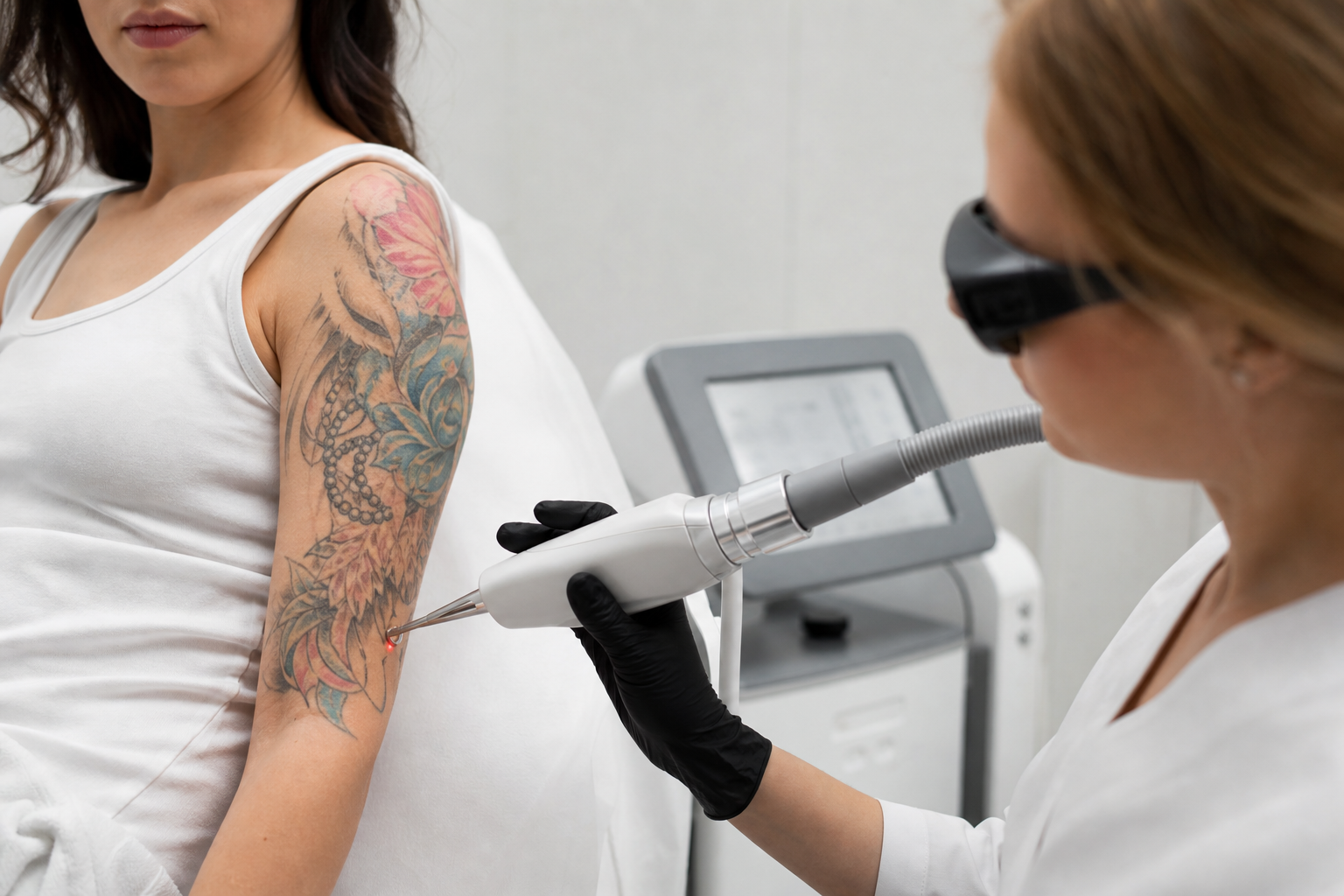
Q-switched Lasers emit high-energy pulses over nanoseconds, fragmenting melanin granules into smaller particles that the body can clear. They target epidermal pigment effectively but carry a substantial risk of inflammatory rebound and PIH if improperly used. Their role in melasma is limited and often necessitates adjunctive therapies to maintain results.
Picosecond Lasers represent an evolution, delivering ultra-short pulses in picoseconds with greater precision and less thermal damage. Early evidence suggests these lasers may reduce pigment more efficiently and with diminished side effects. However, the depth of pigment and patient phototype remain critical factors in response, and recurrence rates continue to challenge long-term success.
Intense Pulsed Light (IPL)
Laser Toning
How Does Laser Treatment Fit Into a Holistic Melasma Management Plan?
Laser therapy should not be viewed as a singular cure but as a complementary intervention integrated into a broader treatment strategy. Effective management begins with accurate diagnosis and classification of melasma type, accompanied by counseling on trigger avoidance, rigorous photoprotection—including protection from visible light—and hormonal evaluation when indicated.
Topical agents such as hydroquinone, azelaic acid, and retinoids play critical roles in stabilizing melasma before and after laser interventions. Combining these with selective laser sessions can enhance clearance and delay recurrence. Maintenance involves continued topical application and sun protection, as well as lifestyle modifications to minimize heat exposure and hormonal fluctuations.
Close monitoring is necessary to identify any adverse reactions or signs of PIH early. Treatment plans should be personalized, with flexibility to modify based on patient response and tolerance.
What Are the Limitations and Risks of Laser Treatment for Melasma?
Despite advancements, lasers present several limitations when used for melasma. Complete or permanent clearance is rarely achievable, especially without ongoing management of underlying triggers. The risk of worsening pigmentation or PIH is a significant concern, especially in darker phototypes where laser-induced inflammation can aggravate pigmentary changes.
Recurrence after laser therapy is common because melasma’s pathogenesis involves continuous endogenous and exogenous factors beyond pigment removal. Inadequate photoprotection, failure to address hormonal influences, or inappropriate laser parameters increase relapse likelihood.
Moreover, treatment response can be unpredictable, requiring careful case selection and tempered expectations. Overaggressive or repeated laser sessions can damage skin integrity and exacerbate the condition. Thus, these interventions demand expertise and cautious application.
Why Does Melasma Often Recur or Worsen After Laser Treatment?
Recurrence or exacerbation of melasma post-laser stems mainly from trigger re-exposure and inflammatory responses induced by the laser itself. Lasers, by causing controlled skin injury, can inadvertently activate melanocytes and dermal inflammatory pathways, increasing melanin synthesis. Without strict sun protection and addressing hormonal imbalances, the skin remains vulnerable to new pigmentation cycles.
Heat generated during laser procedures may also stimulate pigment production—explaining why patients exposed to ambient heat or sun soon after treatment may experience flare-ups. The complex interplay of visible light, UV radiation, and hormonal factors uniquely predisposes melasma to chronicity and relapse.
Therefore, optimizing laser parameters, adhering to supportive topical regimens, and educating patients on lifestyle and photoprotection are critical to minimizing these risks.
What Should Patients Expect During and After Laser Therapy for Melasma?
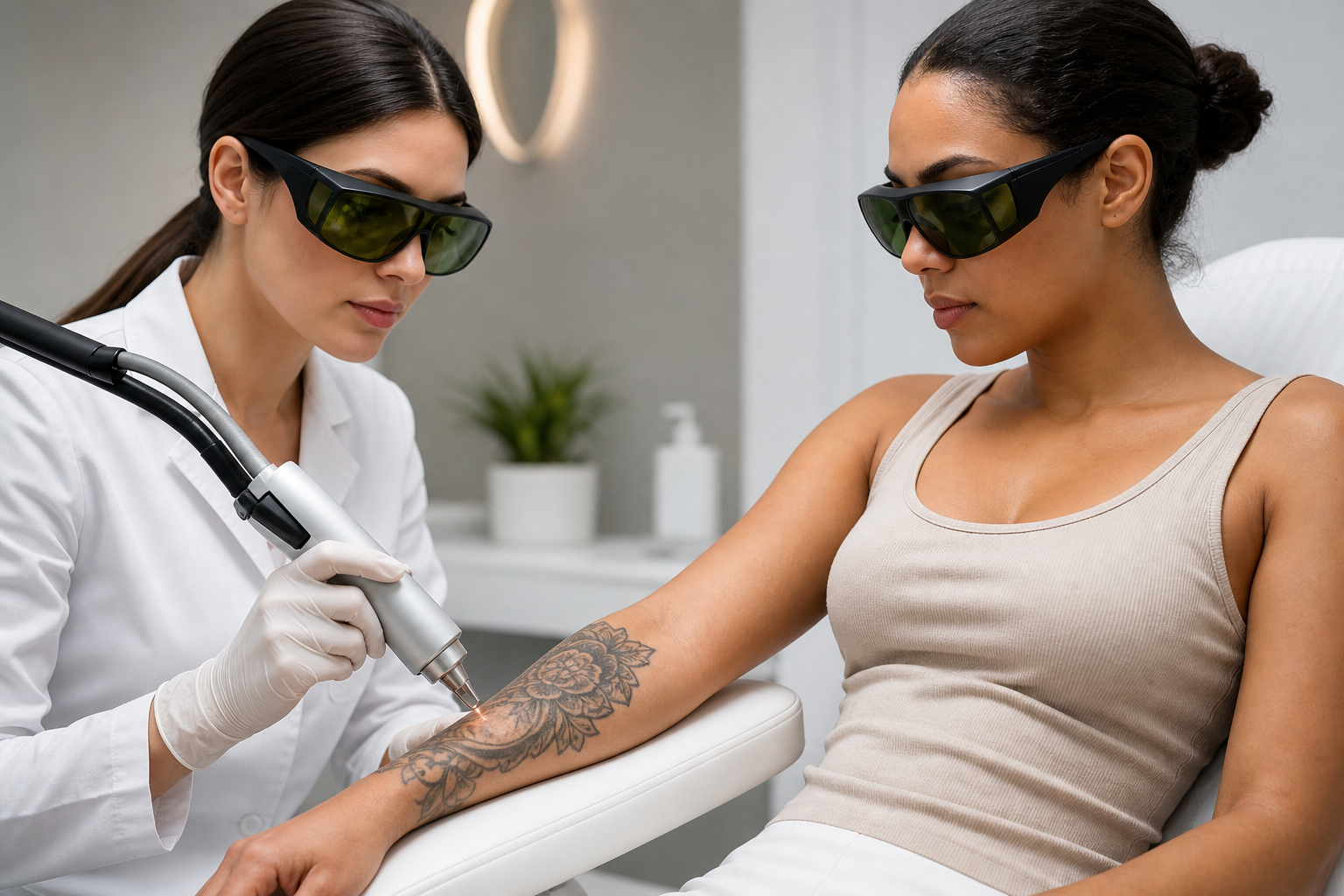
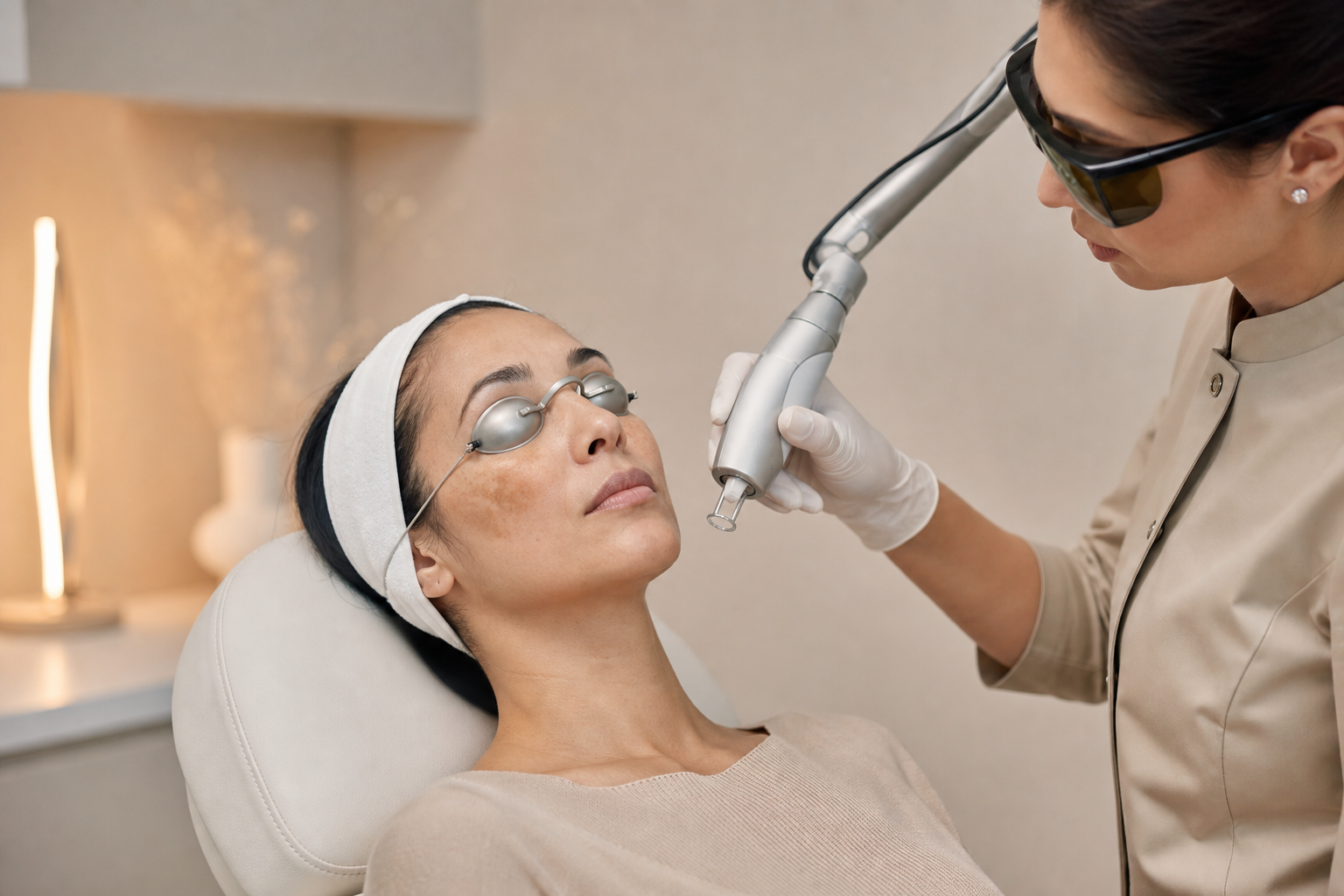
Laser treatment usually involves multiple sessions spaced weeks apart to gradually reduce pigmentation with minimized side effects. Patients may experience transient redness, mild swelling, or minimal discomfort during sessions. Post-treatment, dryness or light peeling can occur as pigmented cells are cleared.
Visible improvement often emerges after several treatments, but modest residual pigmentation is typical. Maintenance therapy with topical agents and diligent sun protection is obligatory to preserve outcomes. The possibility of hypopigmentation, hyperpigmentation, or no significant response should be discussed beforehand.
Laser-treated skin requires gentle care, avoidance of sun exposure, and patience, as the full effects can take weeks or months to stabilize. Follow-up with a dermatologist ensures timely intervention should adverse effects or recurrence emerge.