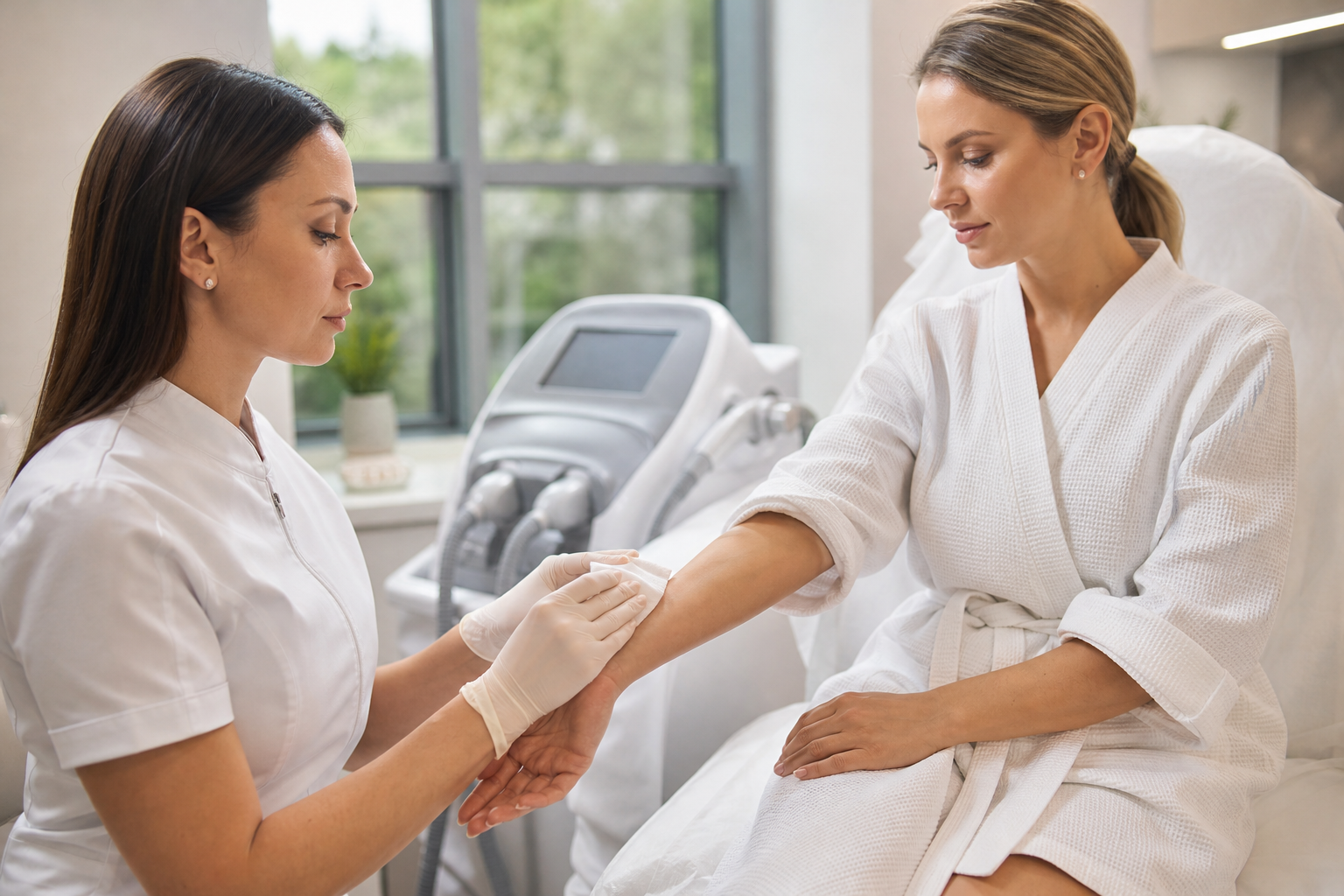
Laser skin rejuvenation stands at the forefront of modern dermatological treatments aimed at restoring youthful vitality and enhancing the natural beauty of the skin. This sophisticated procedure employs targeted laser technology to stimulate collagen production, diminish the appearance of fine lines and wrinkles, correct pigmentation irregularities, and improve overall skin texture. While the promise of revitalized skin is enticing, achieving optimal and lasting results is contingent not only on the procedure itself but significantly on the preparation prior to treatment.
This editorial delves into the nuanced and essential process of how to prepare for laser skin rejuvenation. It is crafted for individuals considering this advanced treatment and seeking a comprehensive understanding of what the preparation entails, why it is critical, and how it influences both efficacy and safety. Preparation varies widely based on factors such as individual skin type, the specific laser technology employed, treatment intensity, and clinical guidance. Hence, tailoring preparation protocols to these individualized factors is indispensable.
Understanding this preparatory phase is crucial as it sets the stage for the treatment’s success, mitigates potential risks, and facilitates a smoother recovery. This exploration provides clarity on candidacy, outlines preparatory measures without prescribing universal protocols, and highlights the intersection between patient readiness and procedural outcomes.
What Is Laser Skin Rejuvenation and Who Is It For?
Laser skin rejuvenation encompasses a spectrum of procedures designed to enhance the skin’s appearance by harnessing the power of laser light to induce controlled dermal remodeling. The treatment’s mechanisms primarily focus on stimulating neocollagenesis—the creation of new collagen fibers—and elastin production, which together promote firmer, smoother, and more youthful-looking skin. These procedures can be broadly categorized into ablative lasers, which remove layers of skin tissue to encourage regeneration, and non-ablative lasers, which penetrate deeper without damaging the skin’s surface.
The suitability of laser skin rejuvenation extends to adults experiencing visible signs of aging such as fine lines, wrinkles, loss of skin firmness, uneven pigmentation, sun damage, and scarring. It is also sought by those aiming to improve skin tone uniformity and texture for a radiant complexion. However, the procedure is not indiscriminately applicable; individuals must undergo thorough evaluation by a qualified dermatologist or aesthetic medicine professional to assess skin type, medical history, and specific skin concerns, ensuring the approach is personalized and judicious.
Proper candidacy is a foundational consideration, as laser treatments may not be recommended for individuals with certain skin conditions, photosensitivities, active infections, or those who are pregnant. The goal is to maximize benefit while minimizing risk, making informed patient selection an integral part of the preparation process.
Why Is Preparing Your Skin Vital Before Laser Treatment?
The preparatory phase before laser skin rejuvenation plays a pivotal role in enhancing treatment efficacy and safety. Skin that is well-prepared demonstrates improved resilience and responds more favorably to laser exposure, reducing the likelihood of adverse effects such as prolonged redness, swelling, post-inflammatory hyperpigmentation, and infection.
Preparation helps optimize the skin’s condition by ensuring hydration, reducing inflammation, and stabilizing pigmentation, which collectively facilitate uniform laser penetration and healing dynamics. Conversely, skipping or neglecting this phase can predispose patients to complications, suboptimal results, and extended recovery timelines.
Moreover, preparation involves not only physical care of the skin but also adjustments to skincare routines, lifestyle factors, and medication management. This holistic approach underscores the importance of a patient’s active engagement and adherence to clinical recommendations prior to treatment.
What Are the Critical Steps in Preparing Your Skin for Laser Rejuvenation?
Preparation for laser skin rejuvenation is multifaceted and highly individualized, yet several critical steps are frequently involved:
Avoidance of Sun Exposure: Protecting the skin from ultraviolet (UV) rays is paramount in the weeks leading up to the procedure. UV exposure can increase melanin production and lead to tanning or sunburn, conditions that elevate the risk of pigmentary irregularities post-treatment. Patients are advised to minimize direct sun exposure and use broad-spectrum sunscreens diligently.
Modification of Skincare Products: In the period before treatment, discontinuing or reducing the use of irritant or photosensitizing agents such as retinoids, alpha-hydroxy acids (AHAs), beta-hydroxy acids (BHAs), and certain exfoliants is often necessary. Such substances can increase skin sensitivity, heightening the risk of adverse reactions during and after laser procedures.
Pre-Treatment Dermatological Assessment: Undergoing a thorough skin evaluation enables the clinician to customize the treatment and preparatory protocols. This assessment may include patch testing to determine skin reactivity, which further personalizes safety measures.
Hydration and Gentle Skin Care: Maintaining optimal skin hydration supports its barrier function and elasticity, improving response to laser energy. Utilizing gentle, non-comedogenic moisturizers and avoiding abrasive cleansing routines contribute to favorable skin conditions.
Adjustment of Medications and Treatment Plans: Patients on blood-thinning agents or those prone to viral outbreaks like herpes simplex should discuss prophylactic strategies with their healthcare provider to mitigate the risk of complications.
How Should You Approach the Days Immediately Before Laser Skin Rejuvenation?
The 48 to 72 hours preceding laser treatment are especially critical for adherence to preparatory guidelines. Patients should refrain from undergoing other skin procedures such as chemical peels, microdermabrasion, or waxing, which can exacerbate skin sensitivity.
Engaging in activities that can induce skin irritation, including sauna use, swimming in chlorinated pools, and vigorous exercise causing excessive sweating, ought to be limited. Additionally, ensuring the skin is devoid of makeup, oils, and heavy creams on the day of the procedure is essential to facilitate laser efficacy and prevent interference with laser targeting.
It is equally important to monitor the skin for any signs of infection, inflammation, or new lesions. Should such issues arise, informing the treating clinician promptly allows for safe rescheduling or modification of the treatment plan.
What Factors Influence the Personalization of Your Pre-Treatment Plan?
The wide array of laser devices, treatment intensities, and individual skin characteristics necessitate a customized pre-treatment strategy. Clinicians take into account skin type, pigmentation levels, presence of active skin conditions, and history of photosensitivity or scarring tendencies.
In some cases, preparatory regimens may include the use of topical agents to lighten hyperpigmentation or strengthen the skin barrier, a course that may span weeks in advance. Alternatively, some patients may require an extended period of recovery from previous skin treatments to optimize readiness.
This individualized approach is championed by dermatological expertise, aiming to fine-tune treatment parameters and preparation to the patient’s unique needs, thereby maximizing safety and outcomes.
What Potential Risks Does Preparation Seek to Mitigate?
Laser skin rejuvenation, despite its advanced nature and safety profile when performed by trained professionals, carries inherent risks such as erythema (redness), edema (swelling), changes in pigmentation, infection, and scarring. Thorough preparation is a key preventive measure against these risks.
For example, avoiding sun exposure minimizes the risk of post-inflammatory hyperpigmentation, whereas cleansing and hydrating the skin reduce the chance of irritation and prolonged redness. In patients predisposed to viral reactivations, preventive antiviral therapy can be employed.
Ultimately, the preparatory phase functions as a safeguard, ensuring the patient’s skin can tolerate the procedure with minimal adverse effects, fostering quicker healing and more satisfactory cosmetic results.
How Does Proper Preparation Affect Post-Treatment Recovery?
The quality of recovery after laser skin rejuvenation is closely tied to how well the skin was conditioned beforehand. Patients with skin that has been properly prepared and protected tend to experience more manageable post-procedural symptoms such as less intense redness, minimal swelling, and faster restoration of skin integrity.
Moreover, adherence to post-treatment skincare recommendations, including the use of soothing agents and strict sun protection, is more effective when the skin’s baseline condition is favorable. This synergy between pre- and post-treatment care underpins a smoother healing trajectory and enhances the longevity and appearance of the treatment outcomes.
Why Is Consultation and Reliable Information Essential for Preparation?
Engaging directly with a licensed dermatologist or a physician specialized in laser treatments ensures that preparation aligns precisely with individual circumstances. The clinical consultation allows for a detailed history-taking, risk assessment, and patient education, fostering an informed decision-making process.
Relying on verified medical sources, professional guidelines, and clinical expertise reduces the likelihood of misinformation, which can compromise both safety and results. Educational resources embedded within the domain of advanced laser treatments support patients in understanding the procedure comprehensively, facilitating effective dialogue with their care providers.
Resources such as What Happens During a Facial Laser Treatment, Step by Step? and Does Laser Skin Rejuvenation Hurt? help demystify the process and set realistic expectations.


