Radiofrequency (RF) treatments have gained significant attention in recent years as an innovative and effective solution for skin rejuvenation and tightening. These procedures harness controlled electromagnetic waves within the radiofrequency spectrum to stimulate collagen and elastin production, essential proteins that maintain skin firmness and elasticity. Unlike invasive surgical interventions, RF facial lifting offers a non-invasive or minimally invasive approach that appeals particularly to individuals seeking noticeable yet natural improvements without extended downtime.
Understanding how to choose the right RF treatment, device, and trusted clinic is critical for anyone considering this modern aesthetic option. The landscape of RF technology encompasses various treatment modalities, each tailored to address distinct concerns ranging from mild skin laxity to more pronounced signs of aging or scarring. Selecting the appropriate method not only enhances therapeutic outcomes but also ensures safety and patient satisfaction.
This comprehensive guide is intended for individuals exploring RF skin treatments—whether beginners or those with prior experience—who want to deepen their knowledge on the subject. It elucidates the types of RF treatments available, the significance of device specifications and regulatory approvals, and the criteria for identifying reputable clinics. By gaining clarity on these components, prospective patients can make informed decisions aligned with their aesthetic goals and health considerations.
What Is Radiofrequency Skin Tightening and How Does RF Facial Lifting Work?
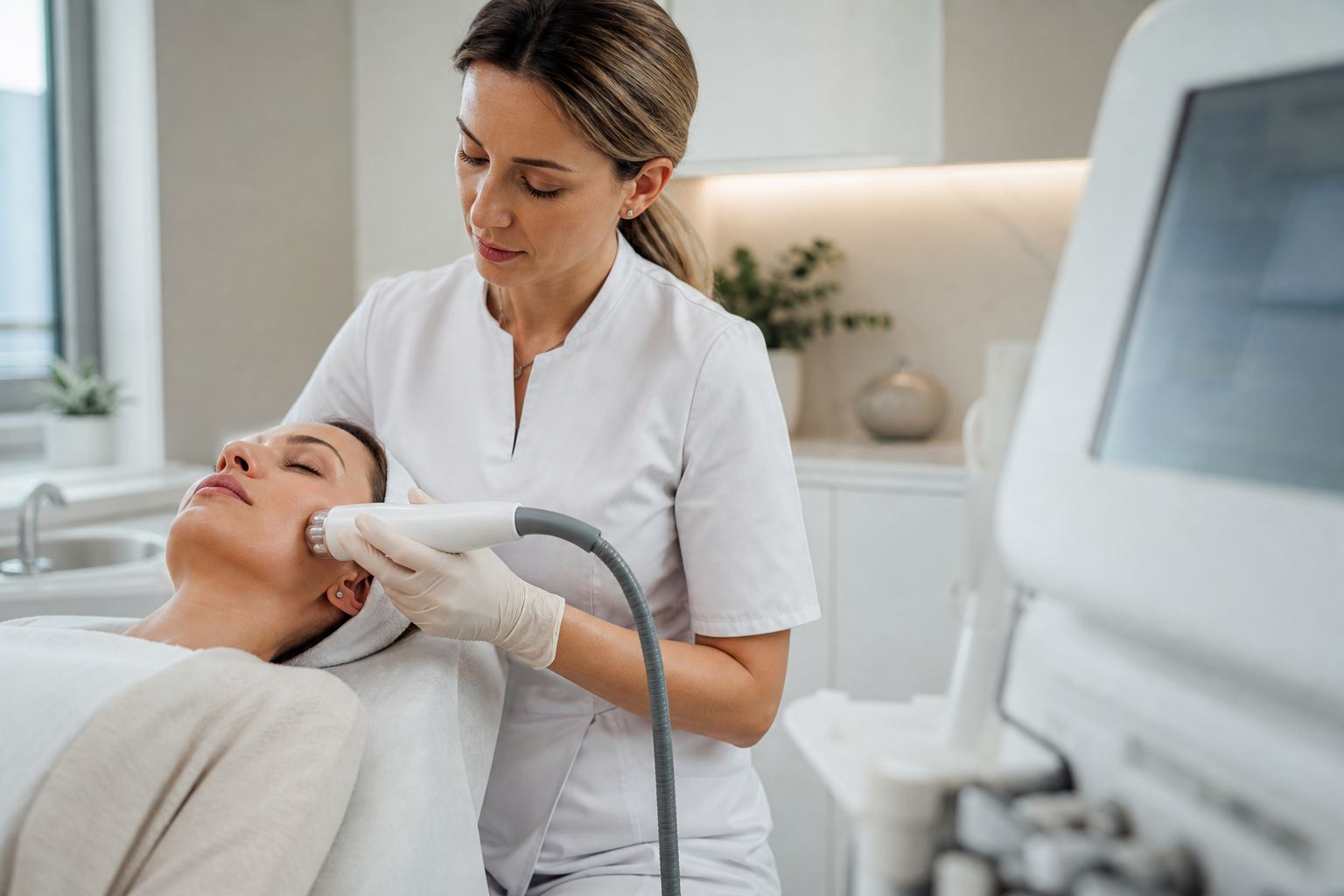
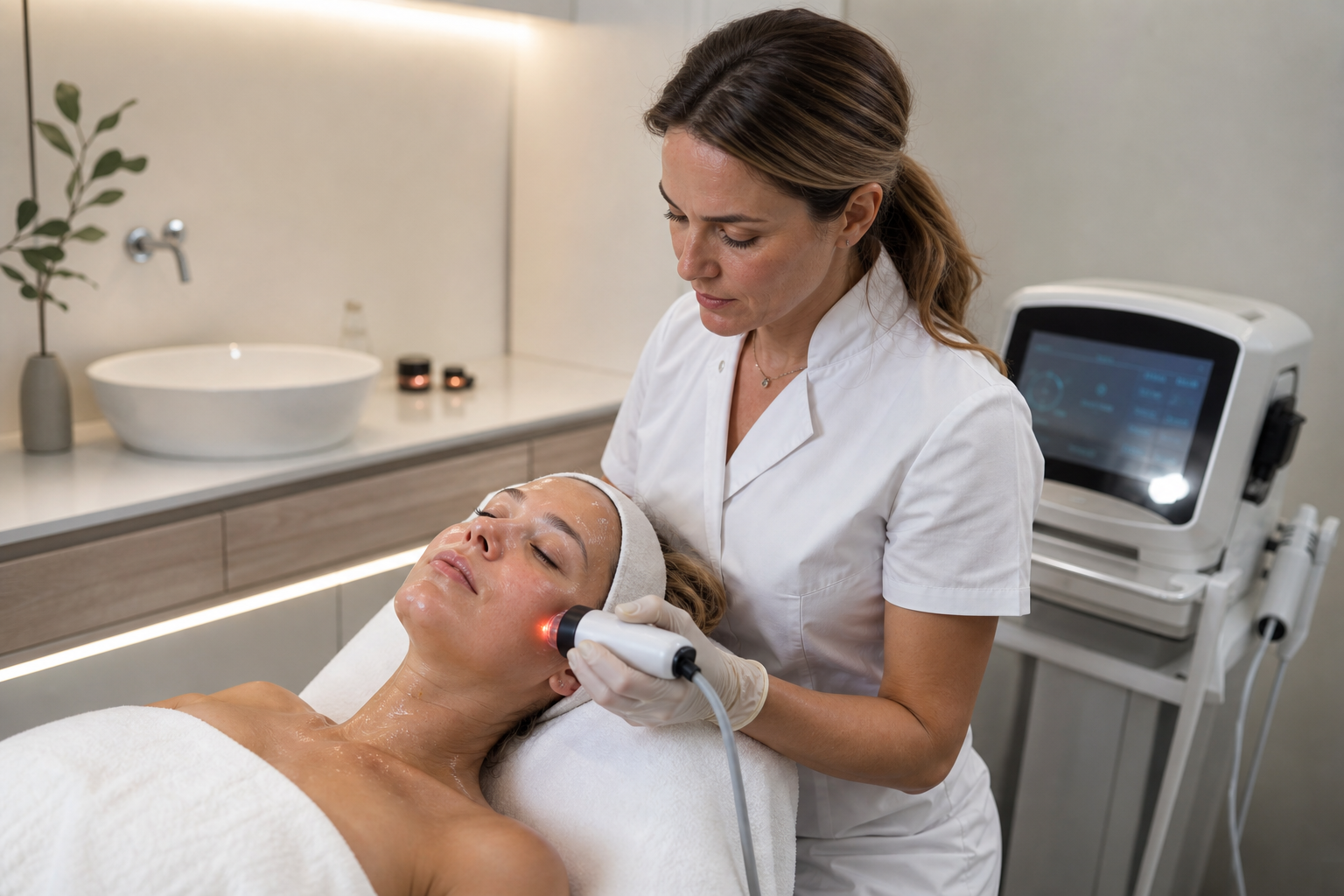
Radiofrequency skin tightening, commonly referred to as RF lifting, employs electromagnetic waves in the radiofrequency range to gently heat the deeper layers of the skin tissue. This controlled thermal stimulation triggers fibroblast activation, promoting the synthesis of new collagen and elastin fibers. As a result, the skin's structural integrity improves, leading to enhanced firmness, improved texture, and a reduction in wrinkles and fine lines.
The mechanism relies on precise temperature control to achieve optimal stimulation without damaging the skin's surface. Typically, the dermal layers are heated to a temperature range sufficient to induce mild thermal injury, which in turn initiates a natural healing response and tissue remodeling. Importantly, this process does not involve incisions or cutting of tissues, making it a desirable alternative for those wishing to avoid surgical facelifts.
RF lifting is versatile in application, treating various areas such as the face, neck, décolleté, and body regions prone to sagging or laxity. Its minimally invasive nature means patients often experience little to no discomfort during sessions and require minimal to no recovery time afterward. However, it is essential to recognize that RF treatments offer gradual improvements that accrue over multiple sessions rather than immediate dramatic alterations.
How to Choose the Type of RF Treatment Based on Your Skin Concern?
The RF technology spectrum includes several treatment modalities, differing in depth of penetration, invasiveness, and technological sophistication. Understanding these distinctions enables patients to select options that best suit their individual skin concerns and expectations.
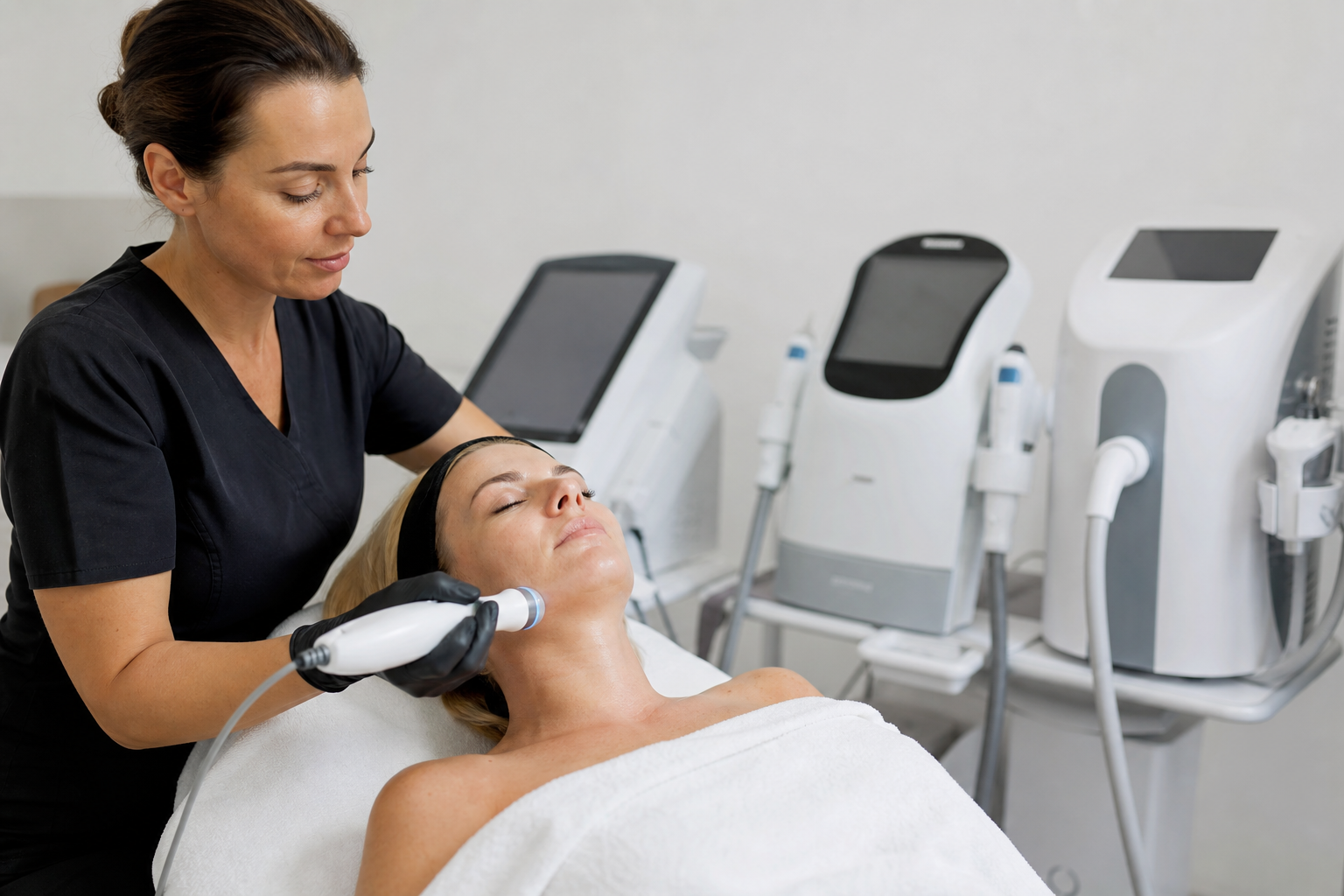
Non-Invasive RF Treatments: These procedures utilize specialized applicators that deliver radiofrequency waves externally, without penetrating the skin with needles. They are ideal for individuals with mild to moderate skin laxity and surface-level wrinkles. Typical target areas include the face, neck, and upper body zones. These treatments offer safety, negligible downtime, and are well-suited for maintenance of youthful skin appearance.
Fractional RF Without Needles: An advancement in RF technology, this method achieves more precise heating within multiple small zones of the skin while sparing surrounding tissue. Unlike traditional fractional lasers that create micro-injuries, fractional RF without needles does not cause open wounds, reducing irritation and speeding recovery. It is favored by patients seeking more intensive rejuvenation without the risk and downtime of invasive procedures.
RF Microneedling: This minimally invasive technique incorporates fine needles that penetrate the skin to deliver radiofrequency energy directly into the dermis. By combining mechanical injury with thermal stimulation, RF microneedling excels in treating deeper wrinkles, acne scars, and skin with uneven texture. However, it involves a recovery period due to the controlled injury it inflicts, which patients should anticipate when considering this treatment.
Minimal Invasive RF Procedures with Additional Technologies: Some devices integrate RF with modalities such as vacuum, ultrasound, or cooling systems to optimize treatment efficacy or patient comfort. These approaches are typically performed by highly trained specialists and may be tailored for complex cases requiring enhanced skin tightening or contouring. Such procedures necessitate thorough consultation and clear understanding of risks and benefits.
Why You Should Know the Exact Name and Specifications of the RF Device Used?
Not all RF devices are created equal, and the specific type, model, and technological features of the equipment significantly influence treatment results and safety profiles. Marketing terms can sometimes obscure these critical distinctions, making it necessary for patients to inquire about exact device details.
Key technical parameters include the frequency of radio waves, power output, number of electrodes or poles, and the presence of integrated temperature controls. Devices with precise temperature regulation minimize risks of burns or suboptimal heating, enabling consistent and controlled treatment delivery. Additionally, certain machines are designed for particular applications, such as superficial skin tightening versus deeper collagen remodeling.
Patients should also verify that the device possesses valid regulatory approvals, such as CE marking for European markets or FDA clearance in the United States, ensuring it meets safety and efficacy standards. Clinics using uncertified or outdated technology may pose increased risks and yield disappointing results.
What Do Regulatory Approval and Device Indications Mean for Your Treatment?
Regulatory approval is a critical assurance that a medical device has undergone rigorous testing and evaluation for safety and effectiveness within specific indications. When an RF device is certified for particular treatments—such as facial skin tightening or acne scar reduction—it means the device's performance in those areas has been demonstrated through clinical data.
Patients should seek clinics that openly disclose device approvals and indications, as this transparency reflects professionalism and adherence to medical standards. Utilizing devices beyond their approved scope or choosing uncertified machines increases the likelihood of complications and suboptimal results.
Understanding these regulatory aspects empowers individuals to have informed discussions with practitioners and reinforces confidence in their treatment plan.
How Is Temperature Controlled During an RF Treatment and Why Does It Matter?
Temperature management lies at the heart of effective and safe RF skin tightening. The target tissue must be heated sufficiently to stimulate collagen remodeling while preventing thermal damage or patient discomfort. Advanced RF devices incorporate built-in temperature sensors and feedback systems that continuously monitor skin temperature during a procedure.
This dynamic control allows practitioners to adjust energy delivery in real-time, maintaining the treatment within the therapeutic window. Without such regulation, overheating can cause burns, redness, or inflammation, whereas inadequate heat may render the treatment ineffective.
Patients should inquire about the temperature control capabilities of the device being used and confirm that the clinic’s operators are trained to manage these parameters meticulously. This knowledge contributes to treatment safety and optimizes clinical outcomes.
Why Operator Experience and Training Matter in RF Facial Lifting?
The skill, expertise, and training of the practitioner performing the RF treatment are as vital as the technology itself. Experienced operators understand the nuances of skin anatomy, device settings, and treatment protocols that influence effectiveness and patient safety.
Proper technique encompasses correct applicator placement, appropriate energy levels, and session frequency tailored to each individual's skin type and condition. Moreover, trained practitioners recognize contraindications, manage patient expectations, and handle any adverse reactions promptly.
Engaging a reputable clinic staffed with certified specialists guarantees that the procedure is executed professionally. This significantly reduces risks and enhances patient satisfaction by delivering consistent, reproducible results aligned with realistic goals.
How to Recognize Unrealistic Claims About RF Lifting?
Within the aesthetic industry, some providers may overpromise outcomes or suggest RF lifting as a complete substitute for surgical facelifts. It is important for patients to approach such claims with caution and seek balanced information.
RF facial lifting can yield meaningful improvements in skin tone, firmness, and surface texture but does not produce the dramatic, immediate skin tightening associated with invasive surgeries. Results develop gradually over weeks or months and often require maintenance sessions.
Beware of advertisements that guarantee permanent or miraculous results after a single treatment. Legitimate clinics provide thorough consultations outlining potential benefits, limitations, and realistic timelines. Patients should demand transparency and avoid providers who downplay risks or exaggerate efficacy.
What Types of Skin Problems Are Best Addressed by RF Treatments?
RF technology is particularly beneficial for individuals experiencing mild to moderate skin laxity, fine lines, and loss of elasticity due to aging or lifestyle factors. It improves skin texture, enhances circulation, and can address early signs of sagging on the face, neck, décolleté, arms, and abdomen.
For deeper wrinkles, acne scarring, or more significant skin irregularities, RF microneedling or fractional RF treatments provide enhanced collagen remodeling and more profound tissue regeneration effects.
However, patients with severe skin looseness or volume loss may require combination therapies incorporating fillers, neuromodulators, or surgical options to achieve desired aesthetic goals.
What Can You Realistically Expect from RF Facial Lifting and How Long Do Results Last?
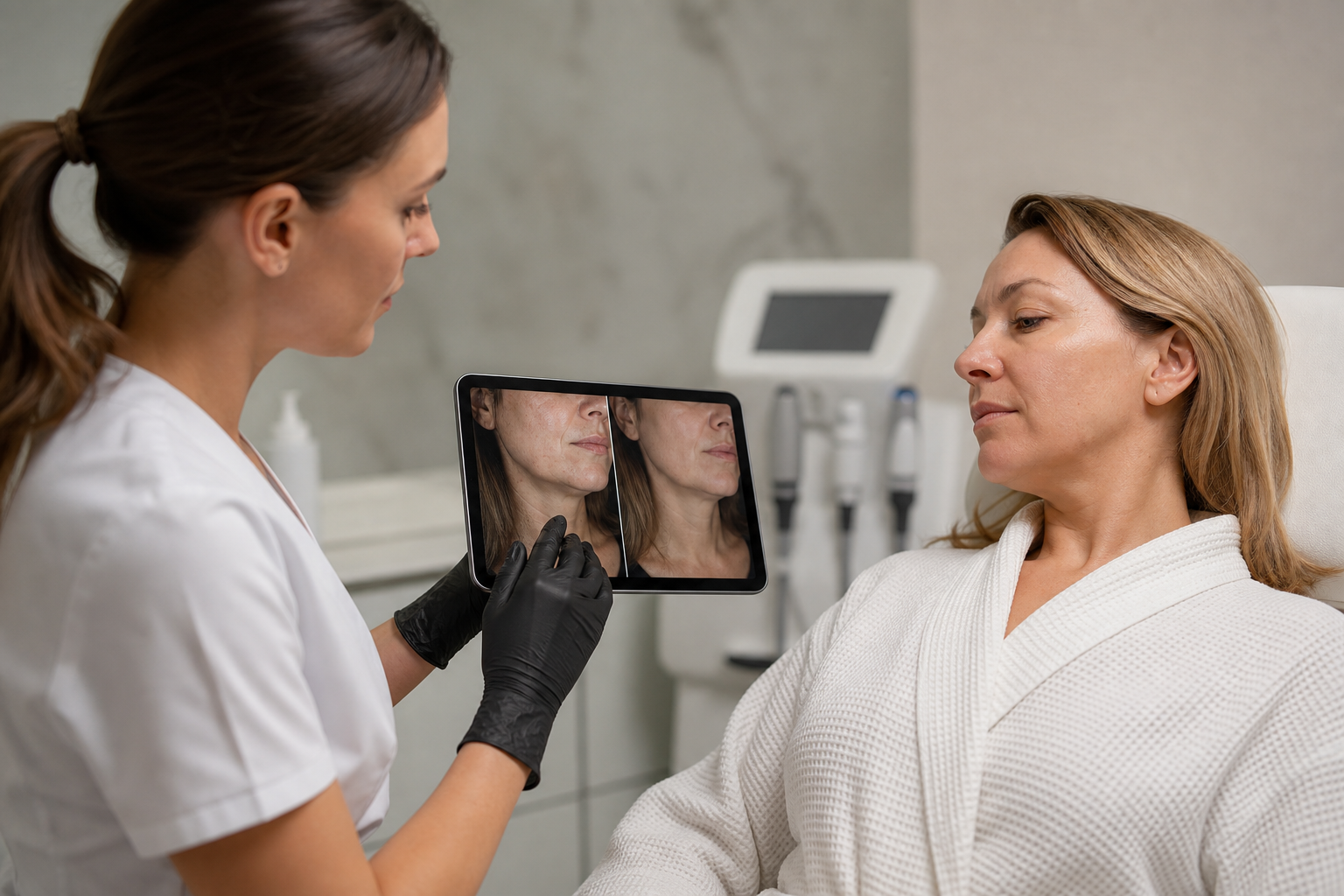
Following a series of RF treatments, patients typically observe gradual improvements in skin tightness, smoothness, and radiance as collagen production ramps up. These changes often become noticeable within several weeks and continue evolving for up to six months post-treatment.
The texture and tone of the skin improve, with diminished appearance of fine lines and mild crepiness. The results reflect a more youthful, healthy complexion rather than a dramatic transformation, emphasizing subtle and natural enhancement.
Maintenance treatments are usually recommended to sustain benefits, as intrinsic factors such as aging and environmental exposure continue to affect skin quality. The longevity of results depends on individual factors including age, skin condition, lifestyle habits, and adherence to post-treatment care.
What Questions Should You Ask Before Undergoing RF Lifting?
Prior to committing to an RF treatment, it is prudent to engage in a candid dialogue with the provider. Important questions include:
- What specific type of RF technology and device will be used for my treatment?
- Is the device approved by relevant regulatory authorities for this indication?
- What is your experience and training with RF skin tightening procedures?
- How will treatment parameters such as temperature be controlled to ensure safety?
- What results can I realistically expect based on my skin condition?
- Are there any contraindications or risks I should be aware of?
- How many treatment sessions are recommended and how often?
- What is the anticipated recovery time and are there any post-procedure care instructions?
Seeking clear, comprehensive answers to these queries empowers patients to make confident decisions and fosters trust between them and their clinician.