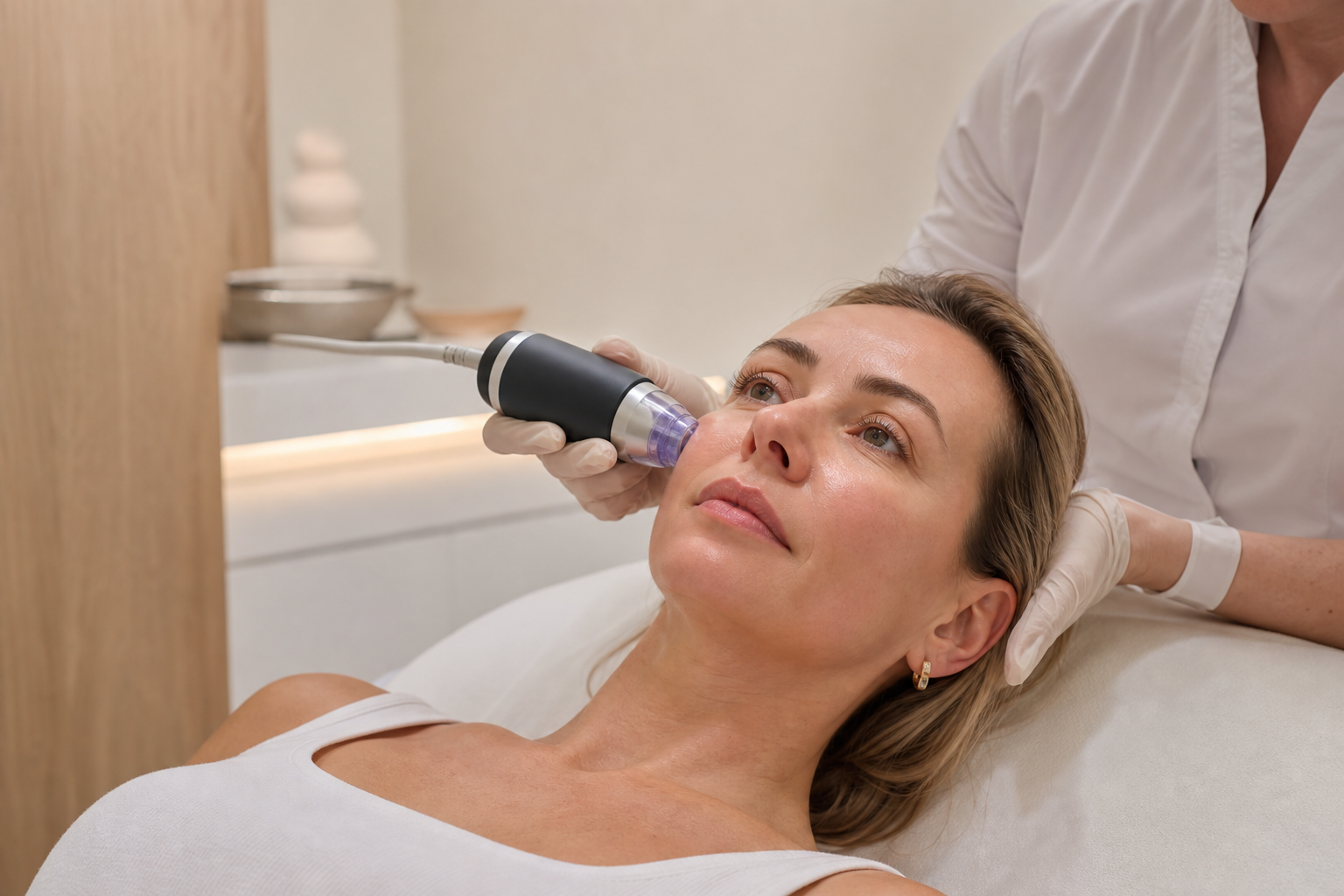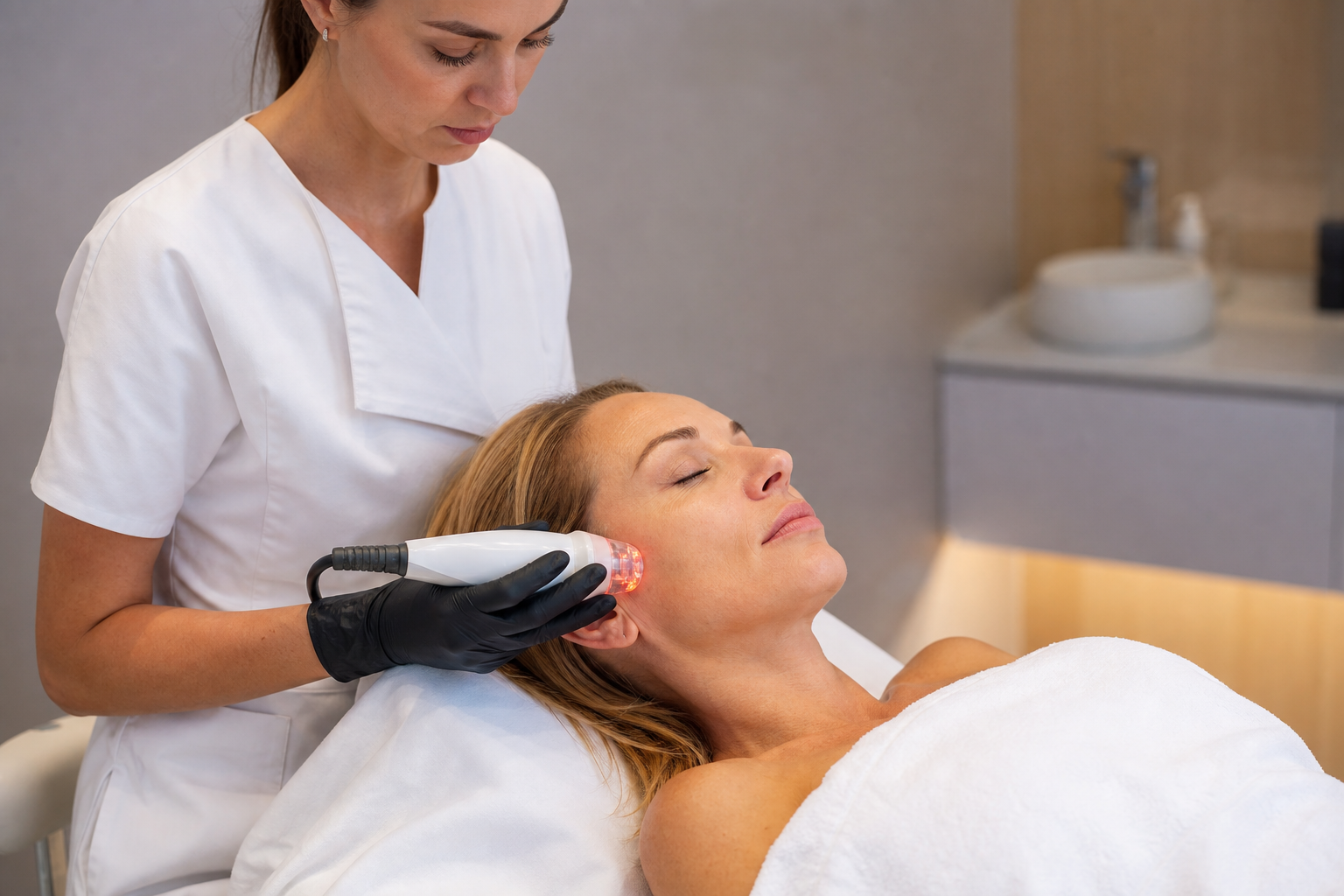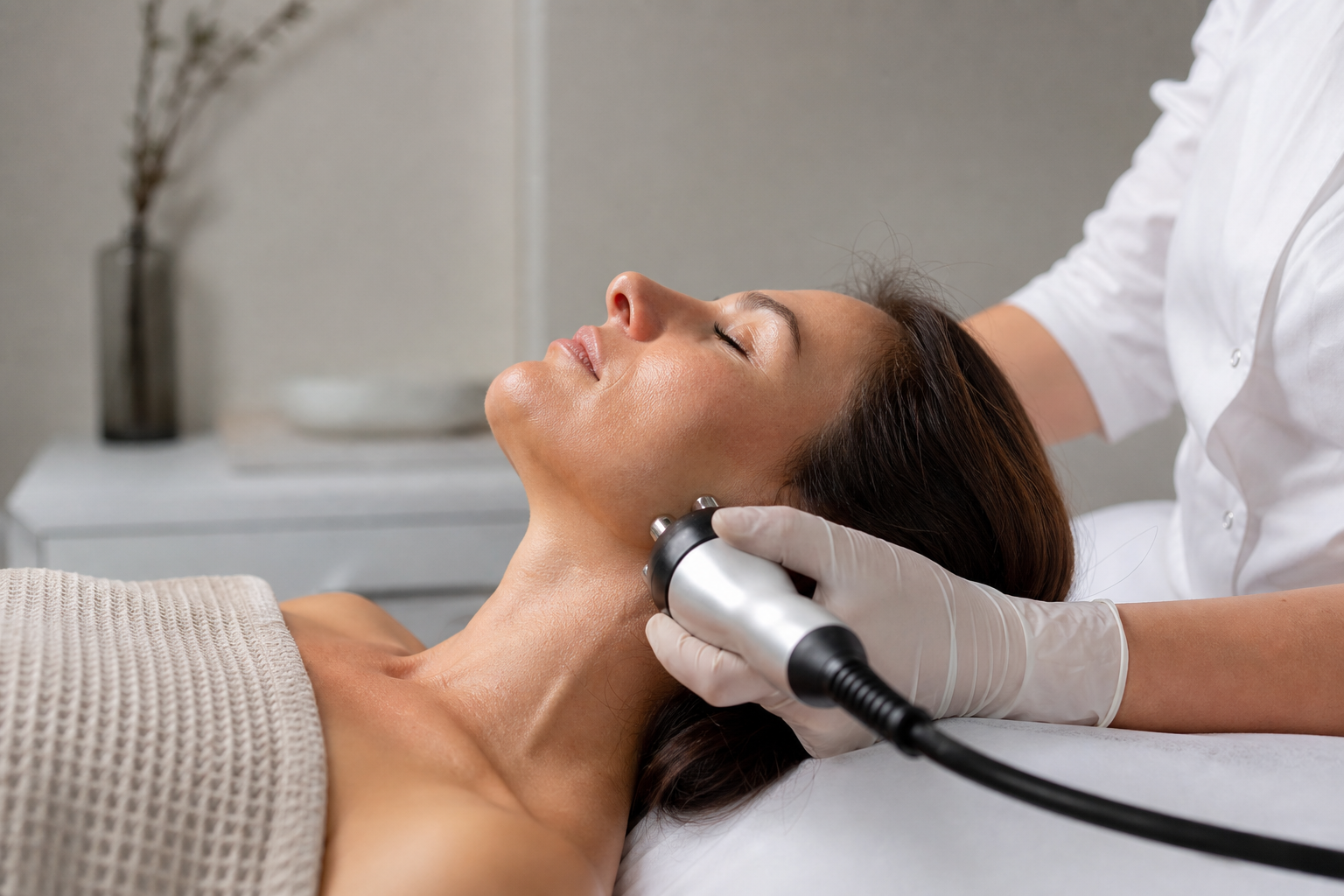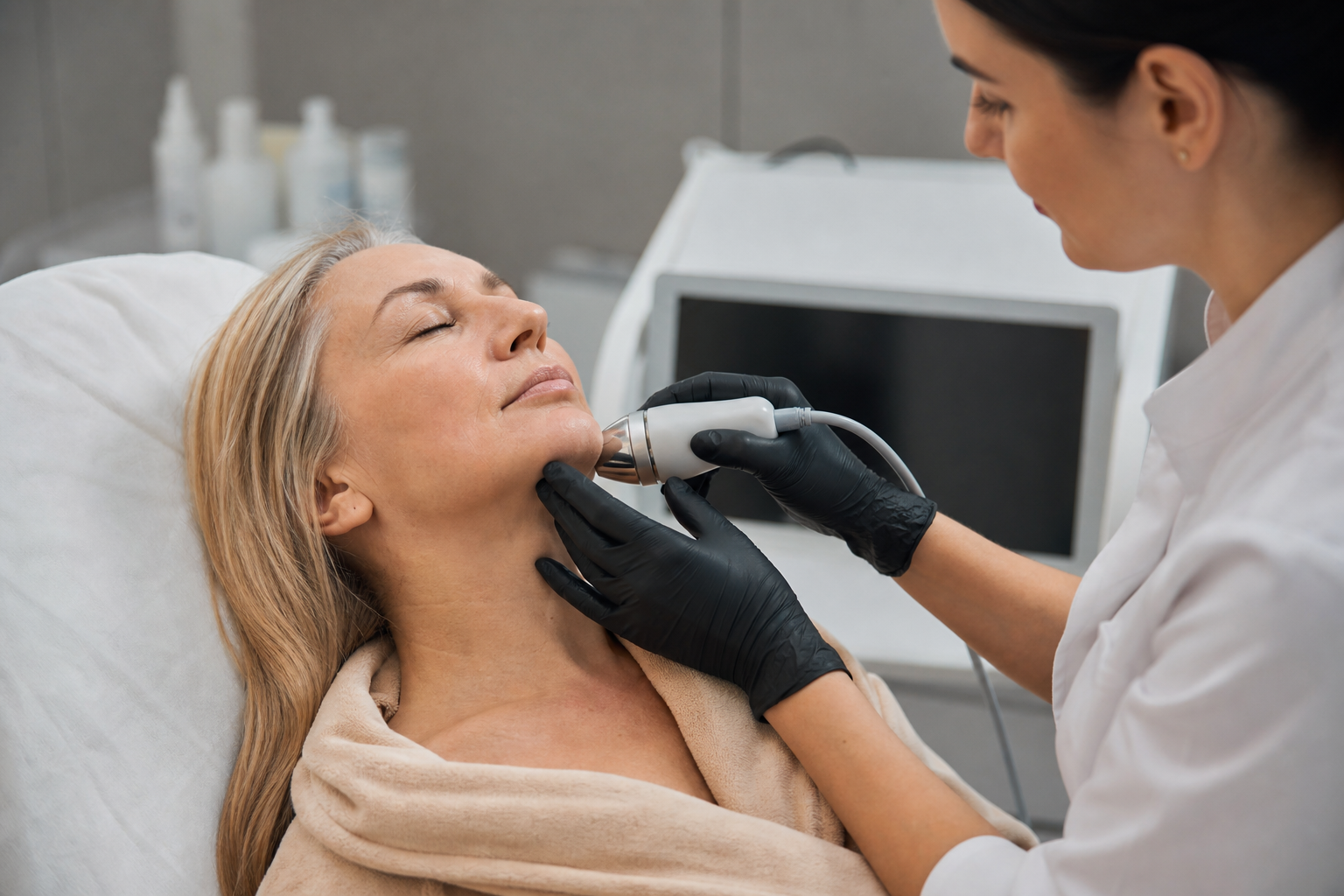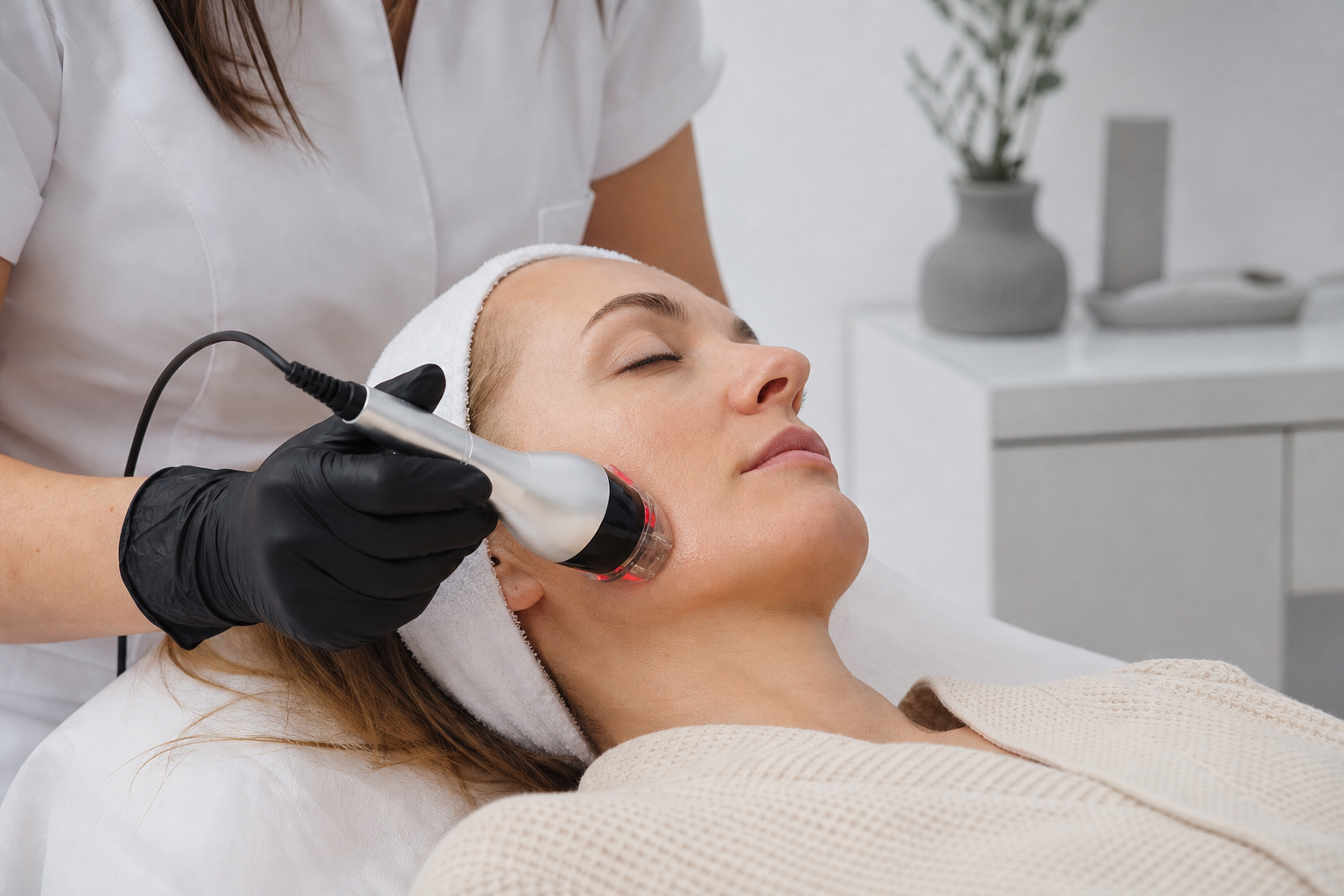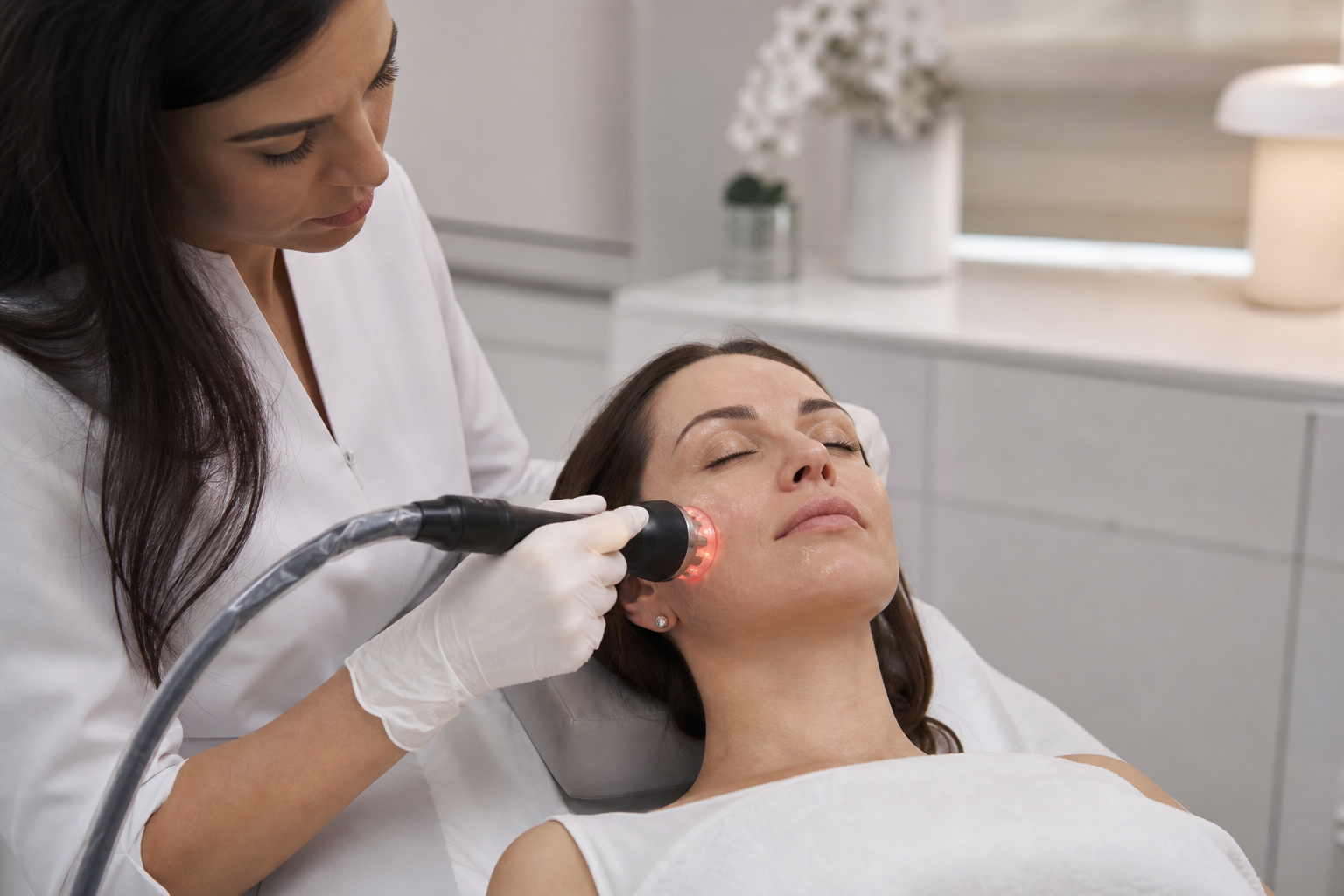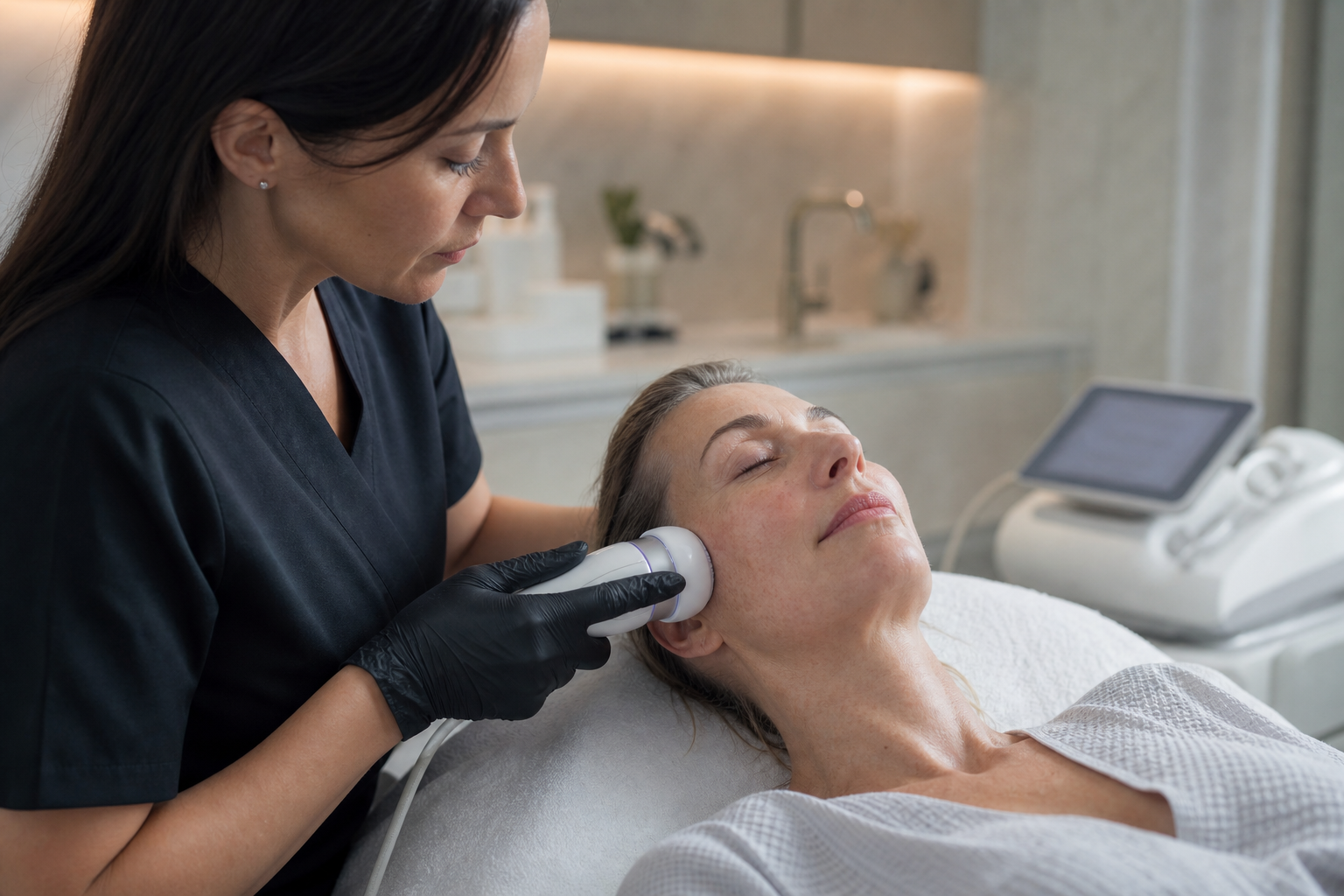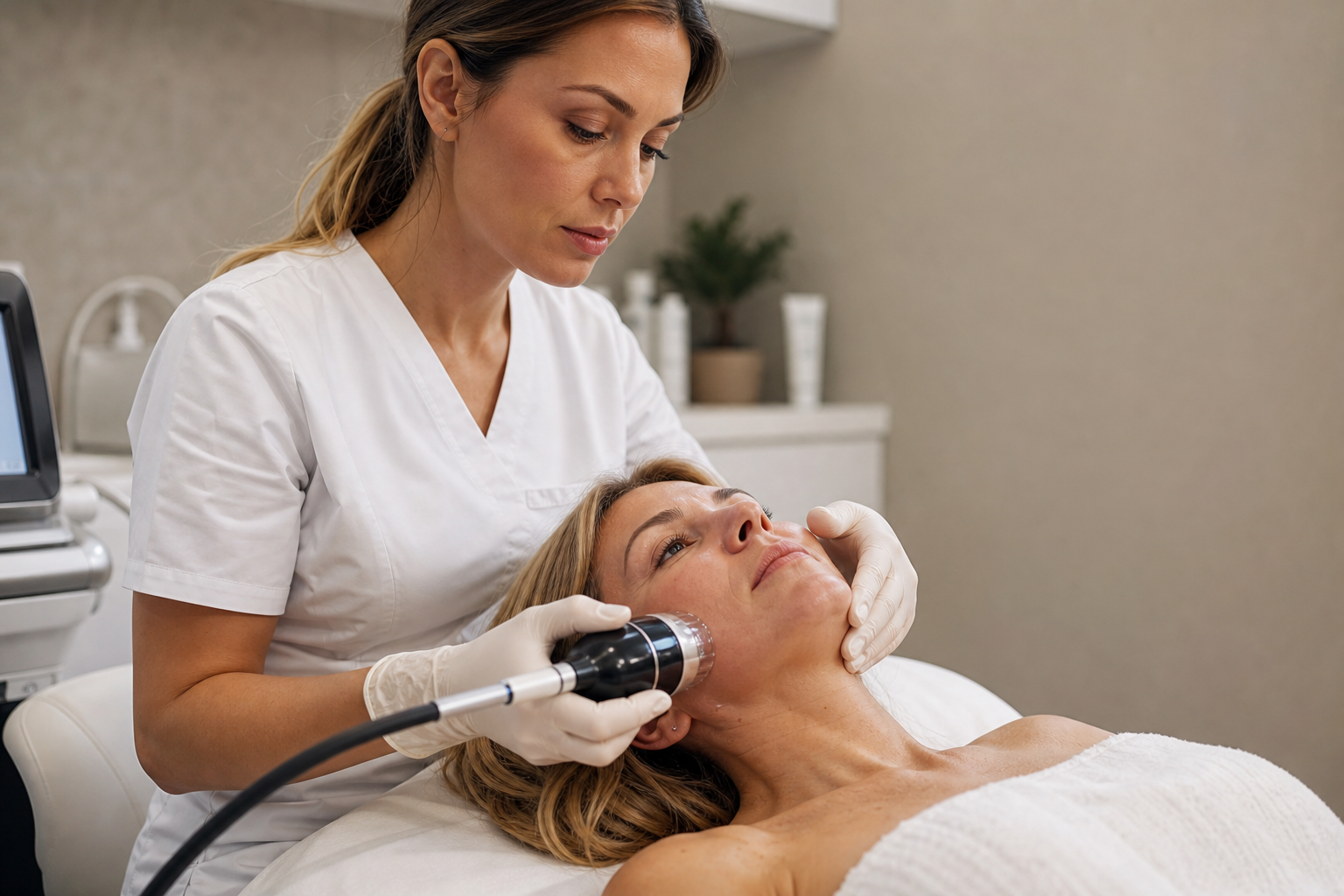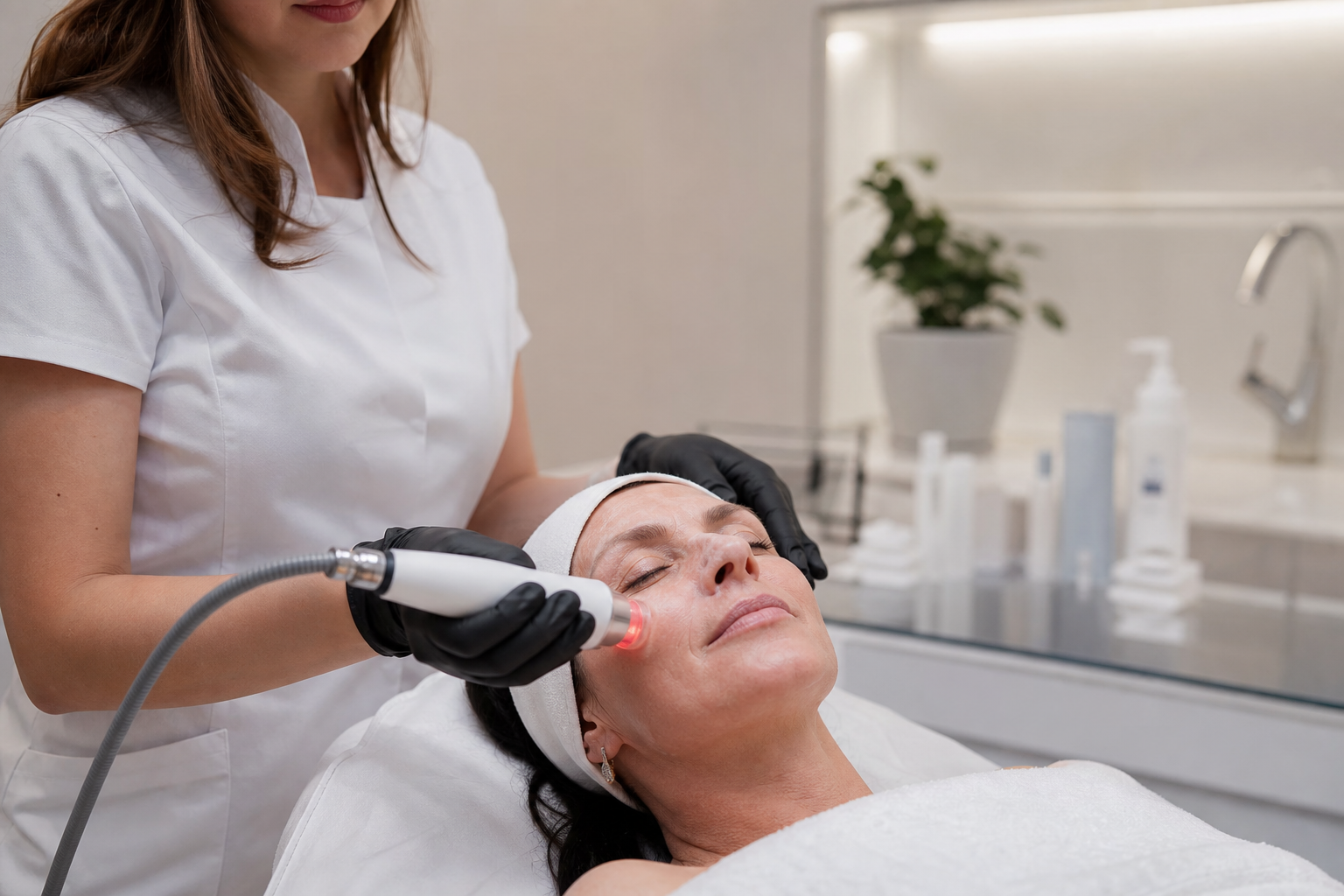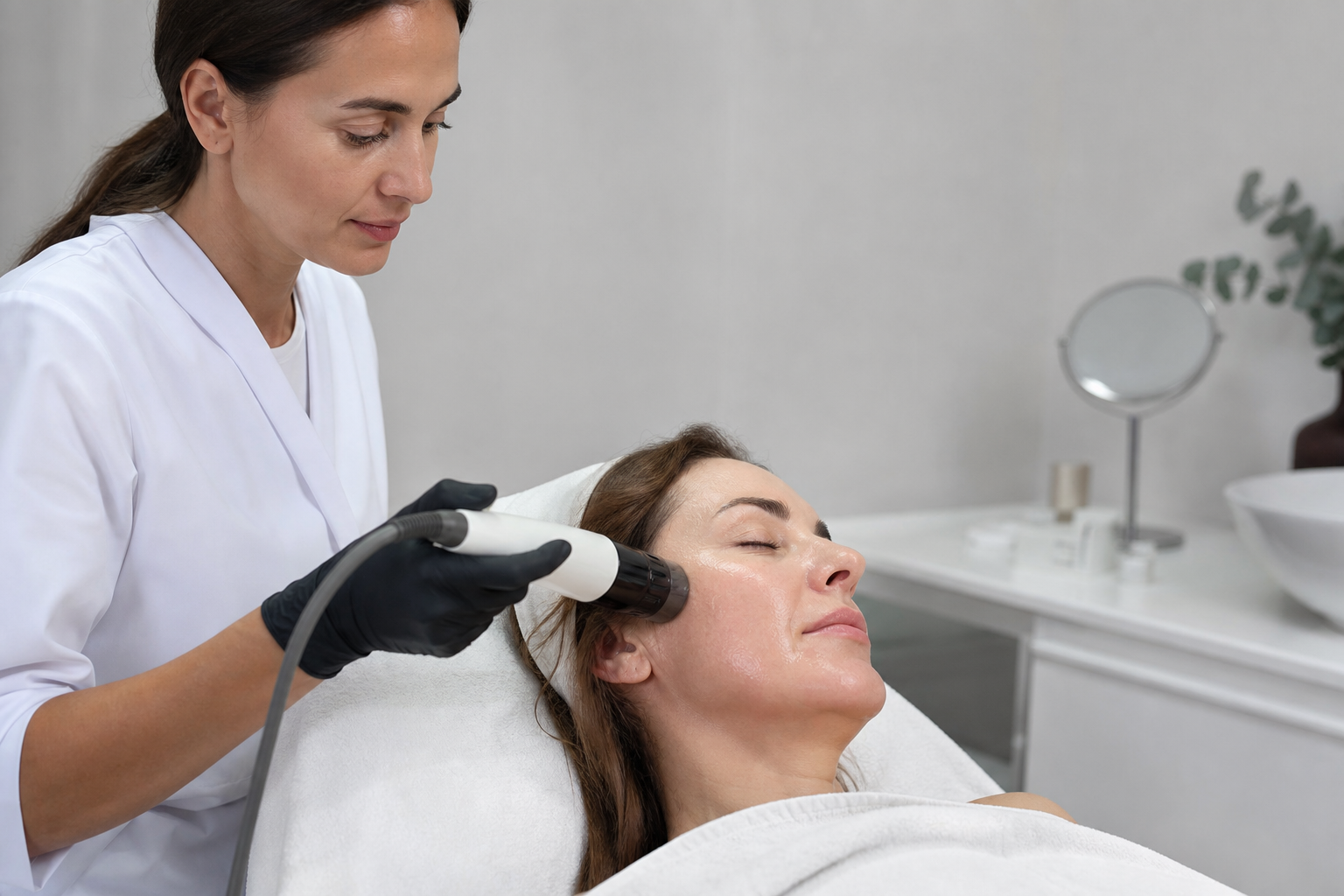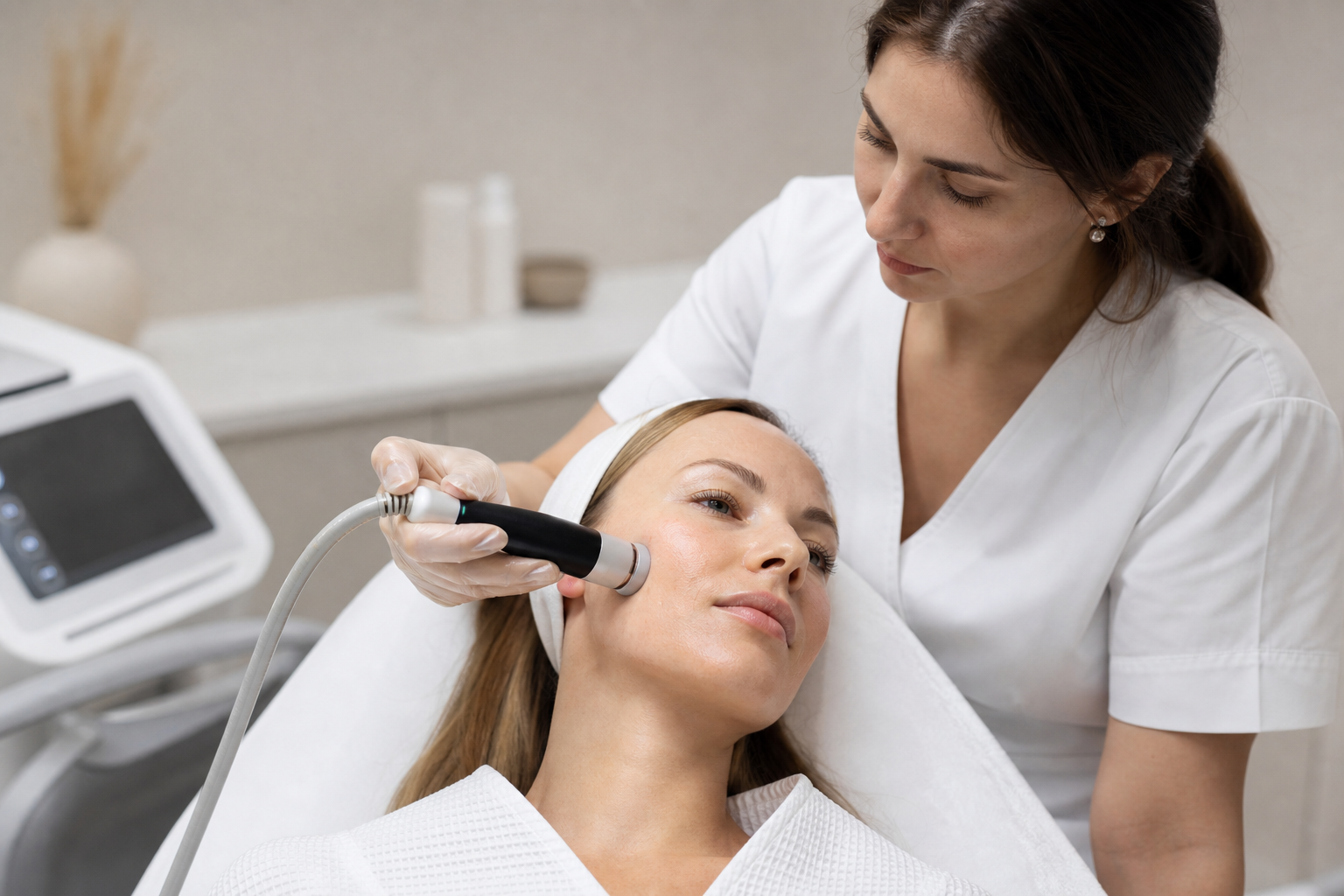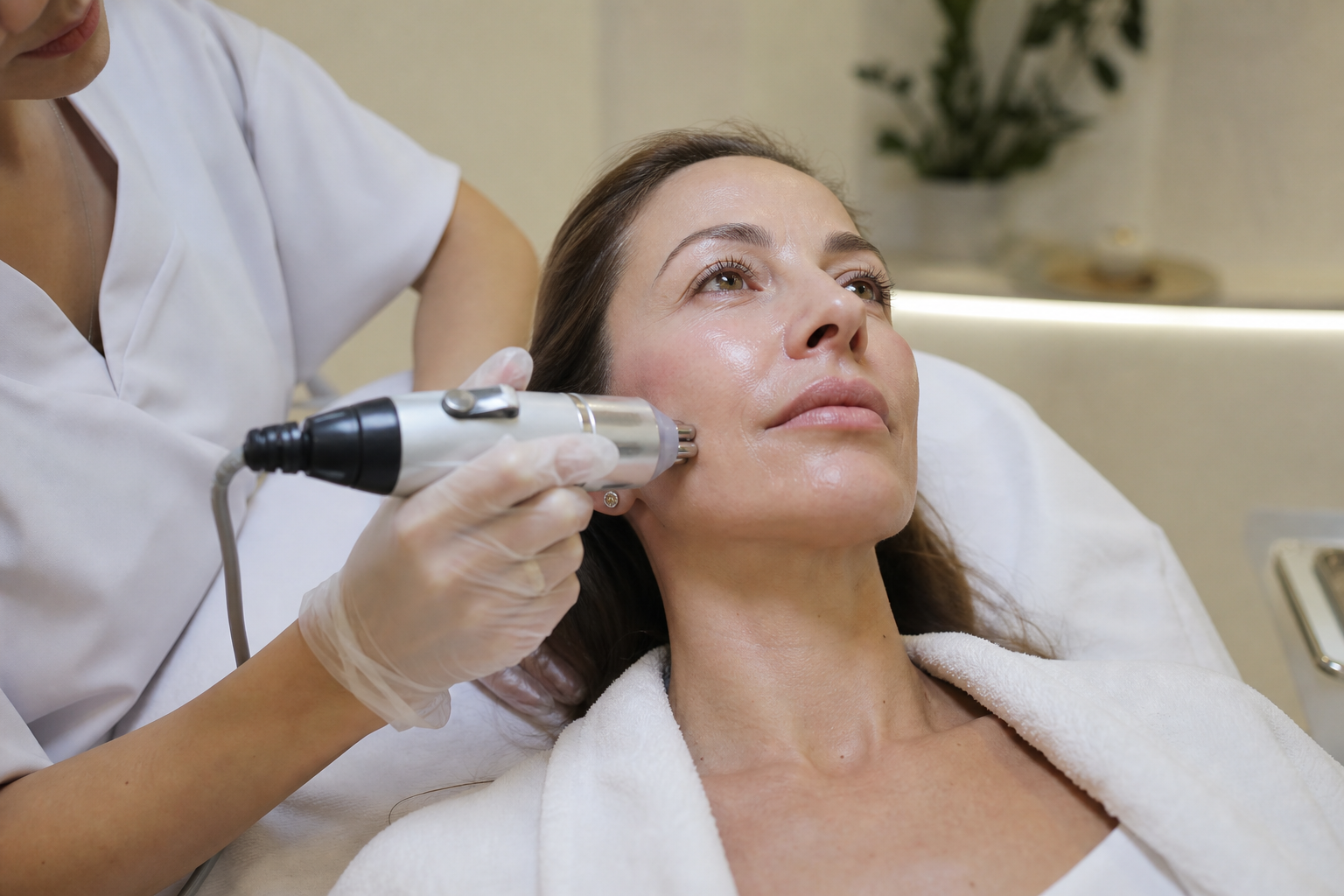
Radiofrequency (RF) lifting, also known as radiofrequency skin tightening, has become a hallmark procedure in contemporary aesthetic dermatology, offering a promising non-invasive alternative to surgical facelifts. At its core, RF lifting leverages controlled radiofrequency energy to stimulate collagen and elastin production deep within the dermis, thereby improving skin tone, elasticity, and overall youthfulness. This treatment appeals to a wide demographic—from younger individuals beginning to notice the early signs of skin aging, to those in middle age aiming to reverse sagging and diminish wrinkles without undergoing surgery.
The significance of RF lifting extends beyond mere cosmetic enhancement. In a society where people increasingly value both natural-looking results and minimal downtime, RF technologies provide an opportunity to rejuvenate skin safely and effectively. However, understanding when to expect visible results, how long those results endure, and how frequently treatments should be applied is essential for anyone considering this procedure. Such knowledge helps manage realistic expectations and maximize patient satisfaction.
This article aims to provide an in-depth exploration of RF lifting outcomes—detailing precisely when results become apparent, the typical duration of effectiveness, and treatment frequency recommendations based on current scientific understanding and clinical practice. Whether you are a prospective patient, a skincare professional, or simply curious about the advancements in non-invasive aesthetic technologies, this comprehensive overview will illuminate the nuances of RF lifting results and guide informed decision-making.
What Is RF Lifting and Who Is It Suitable For?
RF lifting is a non-surgical skin tightening procedure that applies radiofrequency energy to heat the deeper layers of the skin selectively. This controlled thermal effect induces a wound-healing response, prompting fibroblasts—the cells responsible for collagen and elastin synthesis—to regenerate these vital structural proteins. The result is improved skin firmness, reduced laxity, and diminished wrinkles.
The procedure is versatile, addressing concerns such as early signs of aging, moderate skin sagging, fine lines, and loss of skin tone. It is particularly appealing for individuals who wish to avoid invasive surgeries or lengthy recovery periods. Suitable candidates typically exhibit mild to moderate signs of skin aging and possess no contraindications such as certain implanted electrical devices or severe skin conditions.
Another important aspect is the adaptability of RF lifting across various anatomical areas. Treatments can target not only the face and neck but also body regions like the abdomen, arms, and thighs, making it a comprehensive solution for individuals seeking overall skin tightening and contour improvement.
Understanding Different RF Technologies and Their Impact on Results
RF lifting is not a monolithic treatment but encompasses several modalities, each differing in invasiveness, energy delivery, and expected outcomes. A precise grasp of these differences is essential because they influence when and how results manifest.
Non-invasive RF treatments utilize surface electrodes or multipolar applicators to emit radiofrequency waves that penetrate the skin without breaking its surface. The controlled heating effect enhances collagen production gradually and is beneficial for cases of mild to moderate skin laxity. These treatments typically require a series of sessions and yield subtle improvements discernible over weeks.
Fractional RF without needles
RF microneedling
Minimal invasiveness is taken further by intradermal or subdermal RF delivery using specialized electrodes inserted beneath the skin under local anesthesia. These procedures offer intensive heat stimulation directly to dermal or subcutaneous tissues, leading to substantial volumetric tightening and contouring effects, akin in some respects to surgical interventions but with reduced trauma and recovery time.
When Do RF Lifting Results Typically Become Visible?
The timeline for observable improvements after RF lifting varies significantly based on the RF technique used, individual physiological factors, and adherence to treatment protocols.
For non-invasive RF treatments, the earliest signs of skin tightening usually become noticeable within 2 to 4 weeks post-treatment. This latency period corresponds with the gradual remodeling phase of newly synthesized collagen. Optimally, multiple sessions spaced about 1 to 4 weeks apart are scheduled, which cumulatively produce a progressive enhancement in skin firmness and texture over a period of 3 to 6 months.
In the case of fractional RF, the fractional delivery of energy expedites collagen remodeling, with many patients reporting visible skin tightening and improved texture as early as 1 to 3 weeks following initial treatment. However, peak results still tend to develop gradually over several months as tissue regeneration and neocollagenesis progress.
RF microneedling offers a more accelerated course, frequently producing visible improvements in skin tightness and wrinkle reduction within 1 to 2 weeks after treatment. This quicker onset owes to the dual mechanism of mechanical induction of collagen synthesis combined with thermal stimulation. Full maturation of collagen fibers, contributing to maximal effect, continues over 3 to 6 months post-procedure.
For minimal invasiveness RF procedures that penetrate deeply into the dermis or subdermal tissue, some immediate skin contraction can be appreciated following swelling resolution, typically within 1 to 2 weeks. However, optimal results again emerge progressively over several months as collagen and elastin network restoration takes place.
How Long Do RF Lifting Results Last and What Influences Longevity?
The durability of RF lifting outcomes depends on several factors, including the treatment type, patient's age, skin condition, lifestyle, and maintenance protocols.
Generally, results from non-invasive RF treatments persist for approximately 6 to 12 months. With periodic maintenance sessions every 6 to 12 months, patients can sustain and even enhance these effects.
Enhanced protocols such as fractional RF and RF microneedling can confer longer-lasting improvements, often extending up to 12 to 18 months, contingent on patient-specific variables and aftercare.
Minimal invasiveness RF procedures may yield effects surpassing 18 months to 2 years. Nonetheless, it is essential to acknowledge that intrinsic aging processes continue unabated, gradually diminishing the initial benefits. Consequently, ongoing maintenance treatments are recommended for optimal longevity.
Several lifestyle factors influence the persistence of RF results: UV exposure, smoking, poor nutrition, and inadequate skincare regimens can accelerate collagen degradation, shortening the duration of improvements. Conversely, diligent photoprotection, balanced nutrition, and tailored dermocosmetic care bolster skin resilience and prolong the efficacy of RF treatments.
How Many RF Treatments Are Typically Necessary for Desired Results?
Determining the optimal number of RF lifting sessions is a nuanced decision guided by individual skin condition, treatment modality, and aesthetic goals.
For non-invasive RF, an average protocol includes 4 to 8 treatments performed weekly or biweekly. Initial improvements become visible after 2 to 3 sessions, with cumulative benefits peaking after completing the full course.
Fractional RF treatments usually require fewer sessions, approximately 3 to 5, owing to their more intensive energy delivery and enhanced efficacy. Sessions are spaced about 3 to 4 weeks apart to allow adequate skin recovery and collagen formation.
RF microneedling typically involves 3 treatments at intervals of 4 to 6 weeks. This spacing supports progressive remodeling while minimizing downtime and adverse effects.
Minimal invasiveness RF may, in some cases, achieve desired results with a single session; however, follow-up treatments may be advised for maintenance or for more profound rejuvenation.
Practitioners tailor treatment numbers based on patient response, skin characteristics, and tolerance, ensuring a balanced approach that maximizes outcomes without undue risk.
Can a Single RF Treatment Provide Sufficient Results?
While many RF lifting protocols emphasize multiple sessions for optimal collagen remodeling, some treatment formats and patient situations may demonstrate worthwhile improvements after a single session.
For mild skin laxity or preventative care, a single non-invasive RF session can mildly enhance skin texture and tightness temporarily. Similarly, minimal invasiveness RF procedures can sometimes elicit notable contraction immediately post-treatment, though these effects commonly intensify over time.
Nonetheless, relying solely on one treatment often delivers modest and transient results compared to a planned series. Multiple sessions enable cumulative stimulation of collagen synthesis, yielding more durable and substantial improvements.
Therefore, while a single session can be beneficial, expecting dramatic or permanent changes without follow-up treatments is typically unrealistic.
Why Are RF Lifting Results Gradual Rather Than Instant?
RF lifting fundamentally triggers the body's natural wound-healing and regenerative processes rather than producing immediate mechanical changes. The radiofrequency energy heats deep dermal tissues, stimulating fibroblasts to produce new collagen and elastin fibers, which restore skin firmness and elasticity.
This biological remodeling unfolds over weeks to months, as newly synthesized collagen matures, crosslinks, and integrates into the skin's extracellular matrix. Early tightening may occur due to collagen contraction during heating, but the long-term visible improvements depend on the gradual accumulation and maturation of neocollagenesis.
Hence, RF lifting results develop progressively, requiring patient patience and adherence to the recommended treatment schedule to realize the full spectrum of benefits.
What Factors Determine the Extent and Quality of RF Lifting Results?
Several intrinsic and extrinsic factors influence the efficacy and longevity of RF lifting outcomes:
Skin type and condition: Skin thickness, hydration level, and baseline collagen content affect energy absorption and tissue response.
Age: Younger skin often responds more robustly, with faster collagen regeneration; older skin may require intensified protocols.
Treatment parameters: RF energy intensity, frequency, depth of penetration, and treatment duration are critical for optimal stimulation.
Device technology: Advanced RF systems with precise temperature control and modality (monopolar, bipolar, multipolar) yield more consistent results.
Practitioner expertise: Skilled application ensures uniform energy delivery, minimizes risks, and customizes treatments to patient needs.
Post-treatment care: Proper skincare, sun protection, and lifestyle choices sustain collagen health and skin integrity.
Why Do RF Lifting Results Vary Among Individuals?
Despite standardized protocols, individual responses to RF lifting differ due to genetic variability, lifestyle, metabolic factors, and skin biology. Some patients experience rapid and pronounced improvements, while others notice subtler changes requiring additional sessions.
Moreover, underlying medical conditions, medications, and prior skin damage can modulate tissue response. For example, smokers or persons with excessive sun exposure may have impaired fibroblast function, diminishing RF efficacy.
Patient expectations must be aligned with these realities, emphasizing that RF lifting enhances rather than transforms natural skin characteristics, and results should be interpreted as part of a holistic aesthetic strategy.