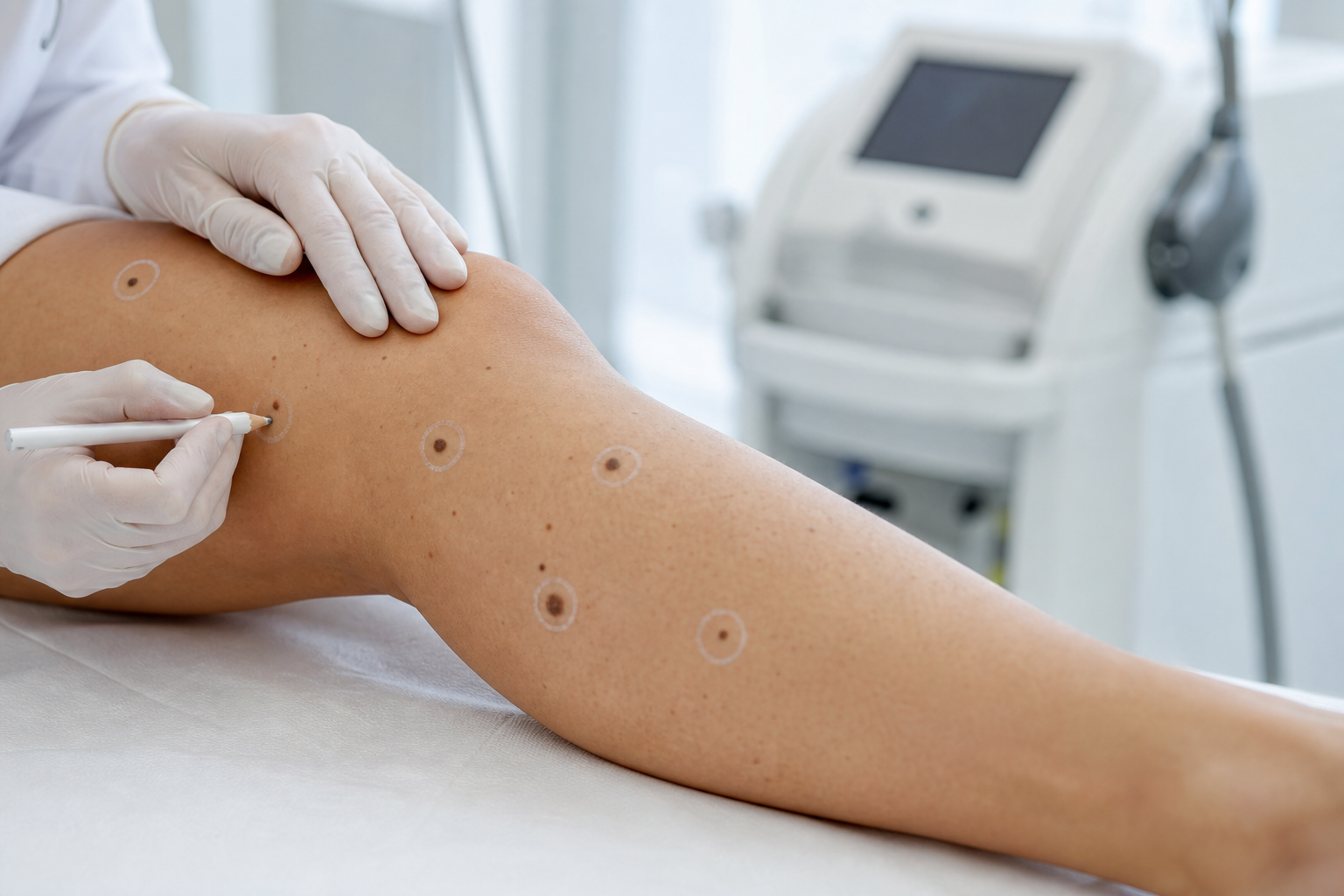
Laser hair removal has gained widespread popularity as a convenient and effective method for long-term reduction of unwanted hair. Yet, for individuals with pigmented moles — also known as nevi — the question arises: Is laser hair removal safe around these skin features? This topic draws significant concern because moles contain concentrated melanin, the pigment laser hair removal targets, which potentially leads to unintended interactions during treatment.
This article is dedicated to those considering or currently undergoing laser hair removal who also have pigmented moles, as well as to professionals seeking to implement safe treatment protocols. It addresses why moles require careful identification and documentation, explains the risks of exposing moles to laser energy, and clarifies why laser hair removal devices are not suitable for mole removal. Understanding these nuances is essential to ensure safety, avoid complications, and maintain the integrity of the skin.
By exploring how lasers interact with skin pigmentation, protocols for protecting moles during treatment, and the critical role of dermatological assessment, this comprehensive overview aims to equip readers with the knowledge they need to make informed decisions regarding laser hair removal.
What Is Laser Hair Removal and How Does It Target Hair?
Laser hair removal utilizes concentrated beams of light, specifically selected for wavelengths that target melanin in hair follicles. Melanin absorbs the laser energy, converting it into heat, which damages the follicle enough to inhibit or delay future hair growth. This process, called selective photothermolysis, aims to minimize harm to surrounding skin and tissues by focusing energy precisely on the pigmented hair follicles.
The efficiency of laser hair removal depends largely on hair color, thickness, skin type, and the laser technology applied. Darker hairs absorb more laser energy, typically resulting in better outcomes, whereas lighter hairs may require different strategies or alternative methods.
However, it's critical to understand that melanin is also concentrated in other pigment-rich areas of the skin, including moles. This key fact forms the foundation for evaluating safety concerns regarding laser exposure near or on moles.
Why Do Pigmented Moles Absorb Laser Energy Designed for Hair?
Moles are clusters of melanocytes — cells responsible for producing melanin — leading to increased pigmentation in these localized skin regions. Since laser devices for hair removal are tuned to target melanin, the pigmented cells in moles inadvertently absorb the laser's energy.
This unintended absorption can cause heating within the mole, potentially leading to irritation, discoloration changes, blistering, or inflammation. The laser energy absorbed by the mole may alter its appearance or cause damage that complicates dermatological assessment later.
Therefore, during laser hair removal, the presence of moles must be identified beforehand. Professionals carefully document their location and appearance to ensure these areas are either avoided or appropriately shielded during treatment sessions.
Why Is Laser Hair Removal Not a Treatment for Moles?
It is vital to distinguish that the lasers used in hair removal are not designed or intended to treat moles or other pigmented lesions. While they specifically target hair follicles, mole removal requires specialized dermatological evaluation and tailored treatment modalities designed for pigmentation correction or lesion excision.
Applying laser hair removal directly on moles may cause adverse effects such as burns, cosmetic alterations, or inflammation without therapeutic benefit for the mole itself. Dermatological treatments for mole removal often involve different laser types, surgical excision, or other precise medical interventions beyond the scope of typical hair removal devices.
Consequently, laser hair removal should never be considered a substitute for professional mole management.
When Should a Dermatologist Assess Moles Before Laser Hair Removal?
Any mole that is new, changing in size or shape, asymmetric, uneven in color, bleeding, itchy, or otherwise symptomatic should undergo professional dermatological evaluation before proceeding with laser hair removal. Self-assessment methods such as the ABCDE (Asymmetry, Border irregularity, Color variation, Diameter, Evolving) checklist can provide initial insight but are not definitive diagnoses.
Only a qualified dermatologist can determine whether a mole is benign and safe to leave exposed during treatment or if it requires monitoring, biopsy, or removal before laser procedures. Such an evaluation aims to mitigate risks and ensure patient safety.
Following proper assessment protocols helps prevent unnecessarily exposing suspicious or malignant lesions to laser energy, which could delay diagnosis or complicate treatment outcomes.
What Are the Protocols for Managing Moles During Laser Hair Removal?
Prior to treatment, practitioners conduct a thorough skin examination to locate and document all moles within the intended area. This often includes visual inspection and photographic records for baseline comparison.
During laser sessions, technicians avoid direct laser exposure on or near moles. Protective measures may include:
- Physically covering moles with opaque barriers such as silicone pads or specialized gels
- Strategically directing laser energy to bypass mole regions
- Adjusting laser settings to minimize energy absorption near pigmented areas
These approaches reduce the likelihood that laser pulses will affect mole tissue, thereby protecting these features from injury or changes.
Professional clinics also maintain strict documentation to monitor mole appearance throughout the treatment course, facilitating early detection of any adverse changes.
What Should You Do If a Mole Is Accidentally Exposed to Laser Hair Removal?
Accidental laser exposure of a mole during hair removal may occur despite precautions. If this happens, it is important to take immediate action:
- Apply cooling measures such as cold compresses to soothe any discomfort and reduce inflammation.
- Avoid sun exposure on the affected area to minimize further skin irritation or pigmentation changes.
- Monitor the mole closely for any signs of altered color, size, texture, or the onset of symptoms like pain or bleeding.
- Seek prompt evaluation by a dermatologist to assess any laser-induced damage and receive guidance on potential treatments if necessary.
Ignoring changes or delaying assessment may lead to complications or missed opportunities to address potential issues early.
What Are the Potential Risks of Ignoring Protocols Around Moles During Laser Hair Removal?
Neglecting proper identification and protection of moles can result in several unwanted outcomes, including:
- Skin Burns and Irritation: Laser energy absorbed by pigmented lesions may cause localized burns or inflammatory reactions.
- Pigmentary Changes: Temporary or permanent hypo- or hyperpigmentation of the mole or surrounding skin can occur.
- Structural Changes in Moles: Alterations in size, shape, or texture may complicate future dermatological evaluations necessary for skin cancer screening.
- Risk of Delayed Diagnosis: Damage to moles might mask early warning signs of melanoma or other malignancies, delaying intervention.
Adhering to established safety protocols and involving dermatologists in pre-treatment assessments significantly mitigate these risks and contribute to safer, more effective laser hair removal experiences.
Are There Specific Laser Hair Removal Technologies Safer for Use Around Moles?
Different laser systems operate at varying wavelengths and pulse durations, impacting their interaction with skin and pigments. For example, Nd:YAG lasers, which utilize longer wavelengths, penetrate deeper and are generally considered safer for darker skin types and pigmented lesions, as they are absorbed less by melanin in the epidermis.
Nonetheless, even with advanced technologies, direct application over moles remains contraindicated. Regardless of laser type, the cornerstone of safety is thorough evaluation, mole identification, protecting or avoiding pigmented lesions, and customized treatment plans.
Laser specialists must choose appropriate devices and settings to maximize hair removal efficiency while minimizing risks around moles and other skin features.
What Are Alternatives to Laser Hair Removal for People Concerned About Moles?
Individuals with numerous or atypical moles hesitant to undergo laser hair removal around pigmented areas may consider alternative hair reduction methods, including:
- Electrolysis: A technique using electrical currents to destroy individual hair follicles that is less affected by skin pigmentation, although it can be more time-consuming.
- Depilatory Creams: Chemical formulations temporarily dissolving hair shafts without penetrating deeply into the skin.
- Waxing and Sugaring: Mechanical removal methods that do not involve light energy and thus avoid pigment interaction.
Each method has advantages and limitations, and choosing the optimal approach should involve evaluation by skincare professionals, considering skin type, mole distribution, treatment goals, and overall safety.
How Can Patients Ensure Safe Laser Hair Removal Sessions When They Have Moles?
Patients can take proactive steps to enhance safety during laser hair removal by:
- Disclosing all moles to the laser technician and providing a detailed medical history.
- Seeking treatment at reputable clinics staffed with certified professionals trained in dermatological assessment and laser safety protocols.
- Undergoing dermatological clearance if any suspicious or symptomatic moles are present.
- Requesting mole documentation and protective measures during treatment.
- Monitoring skin closely after treatments and promptly reporting any unusual changes.
Vigilance and communication between patient and provider are key factors in minimizing risks and achieving desirable results.


