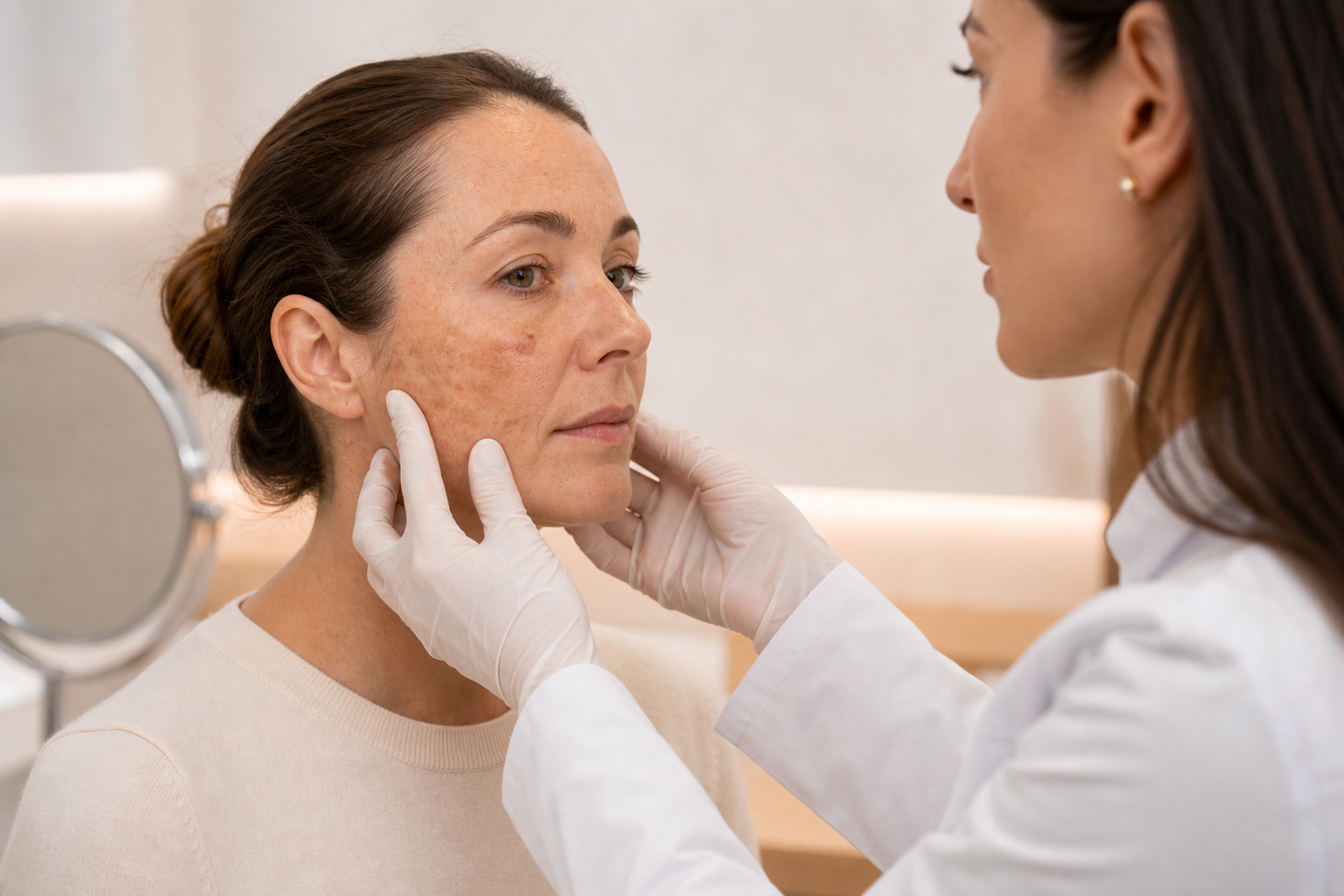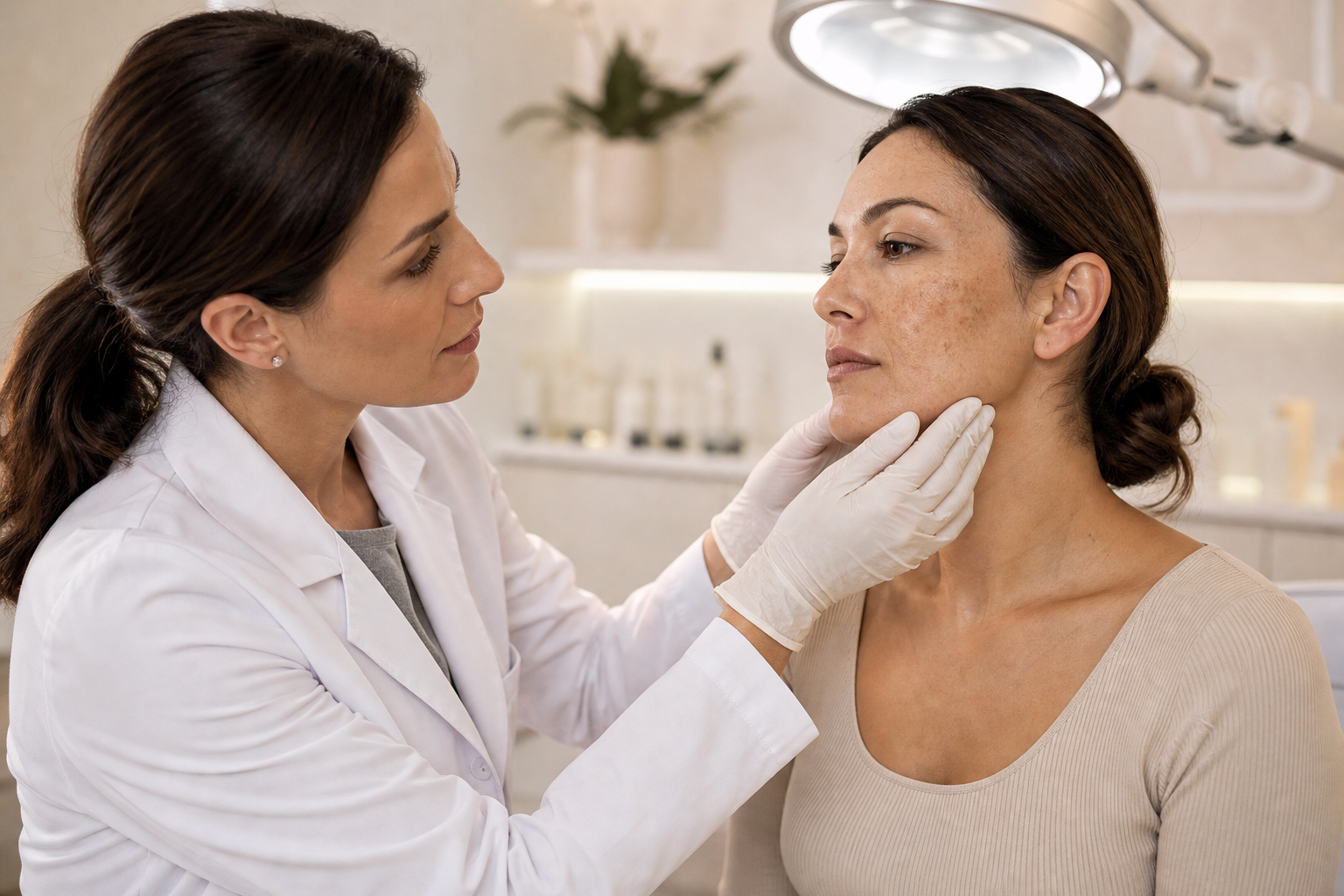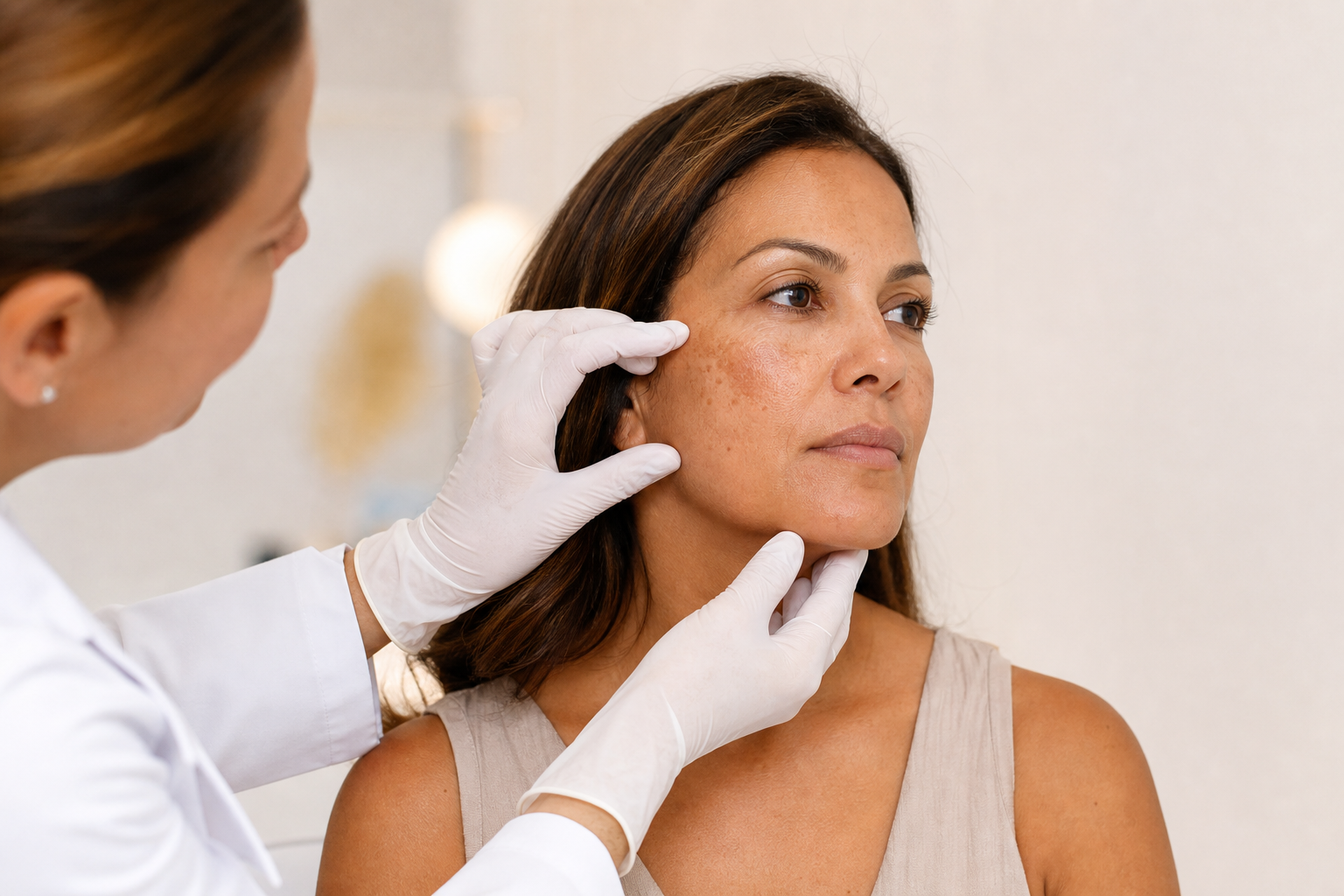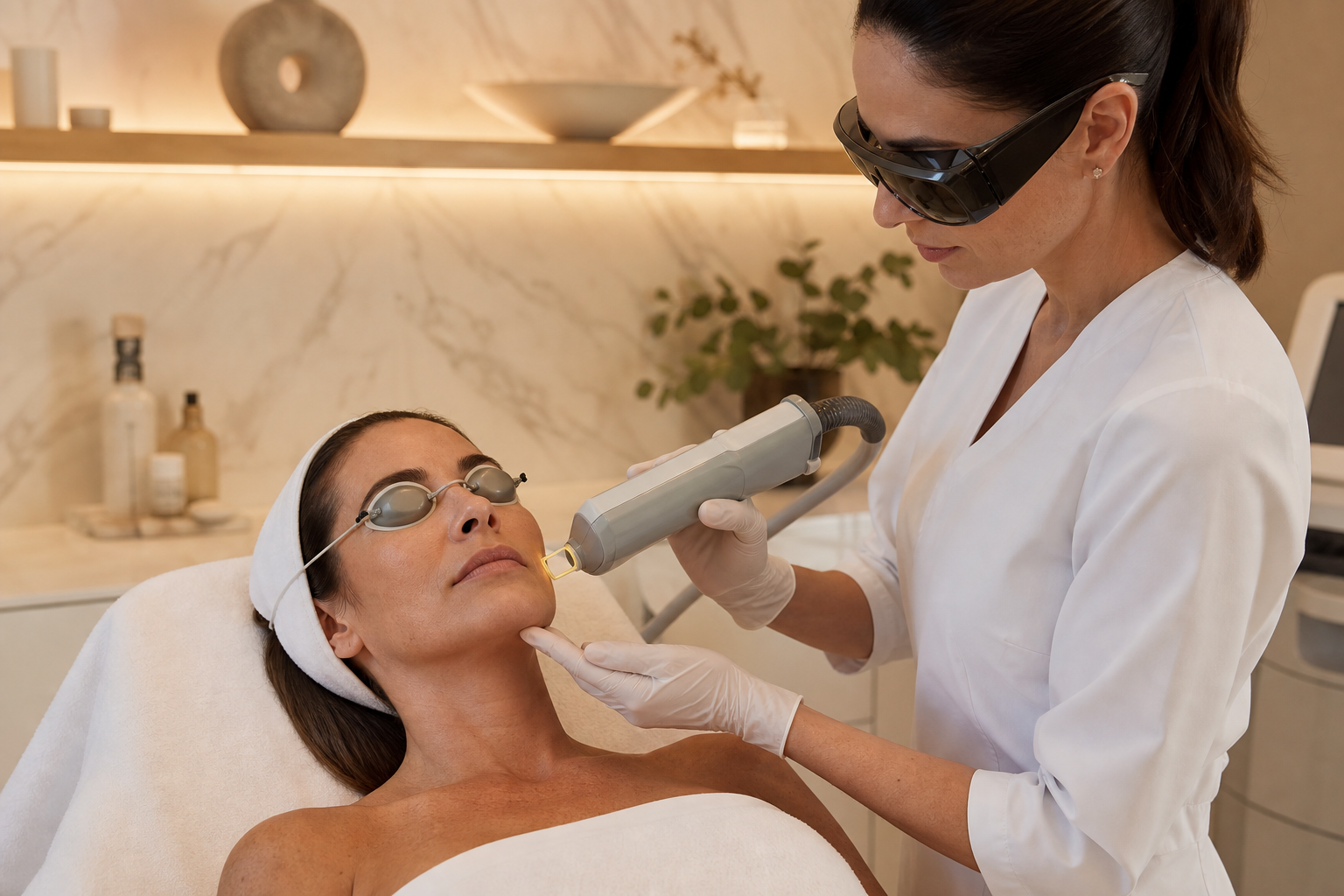
Skin pigmentation refers to areas of the skin where melanin concentration leads to variations in color, manifesting as spots, patches, or diffuse discolorations. These can arise from a variety of causes, ranging from natural aging and sun exposure to hormonal fluctuations and inflammatory processes. As such discolorations often affect visible areas like the face, hands, and décolletage, they carry significant aesthetic concerns for many individuals, impacting not only appearance but also self-esteem.
Among numerous treatment modalities for pigmentation, laser therapies have emerged as a leading technological advancement in dermatology, offering targeted, effective, and often long-lasting results. However, understanding which types of pigmentation respond best to laser treatment, and under what circumstances, is vital to achieving optimal outcomes while minimizing risks.
This article serves as an in-depth exploration of the various pigmentation disorders amenable to laser intervention. It addresses the diagnostic approach necessary to distinguish between different pigment types, the principles guiding laser selection, the treatment process, and considerations for safety and maintenance. Whether you are a patient evaluating options or a clinician looking to deepen your knowledge, this comprehensive guide aims to illuminate the nuanced relationship between pigmentation types and laser treatment efficacy.
What Constitutes Pigmentation and Why Does It Develop?
Pigmentation irregularities arise when melanin, the natural pigment responsible for skin color, is unevenly distributed or overly concentrated. This can be either hereditary or acquired. Environmental factors such as ultraviolet (UV) radiation from sun exposure can stimulate melanocytes, leading to localized overproduction of pigment. Hormonal changes, particularly fluctuations in estrogen and progesterone levels, also play a pivotal role, often seen in conditions like melasma during pregnancy or hormonal therapy.
Inflammation from acne, injuries, or other skin insults can provoke postinflammatory hyperpigmentation (PIH), where patches of darker skin replace healed lesions. Additionally, age-related pigment changes such as solar lentigines, commonly known as sun spots or liver spots, accumulate over time with chronic UV damage.
Knowledge of these causative factors is essential in both prevention and targeted treatment, as it informs not only the selection of therapies but also patient counseling regarding lifestyle modifications.
Which Types of Pigmentation Are Suitable Candidates for Laser Treatment?
Laser therapy can effectively address several forms of pigmentation, but its suitability depends on accurate diagnosis and understanding the pigment’s depth and nature. The main pigmentary conditions commonly treated with lasers include:
Melasma: A chronic, hormone-related pigmentation disorder characterized by symmetric, blotchy brown patches typically on the cheeks, forehead, nose, and upper lip. Melasma presents a therapeutic challenge due to its tendency to recur and its mixed epidermal and dermal pigment component.
Solar Lentigines: These well-demarcated, flat brown spots arise primarily from cumulative sun exposure, often occurring in middle-aged and older adults. Their superficial epidermal location generally makes them responsive to laser treatment.
Postinflammatory Hyperpigmentation (PIH): Resulting from discoloration following injury or inflammation, PIH varies in depth and severity depending on the nature and extent of the preceding skin damage.
Freckles (Ephelides): Small, light brown spots that are typically hereditary and visible in sun-exposed areas, freckle pigmentation is mostly epidermal and amenable to laser correction.
Notably, some pigmented lesions such as dermal melanocytosis or congenital nevi typically require different approaches due to their location and biology.
How Is Pigmentation Diagnosed Prior to Laser Treatment?
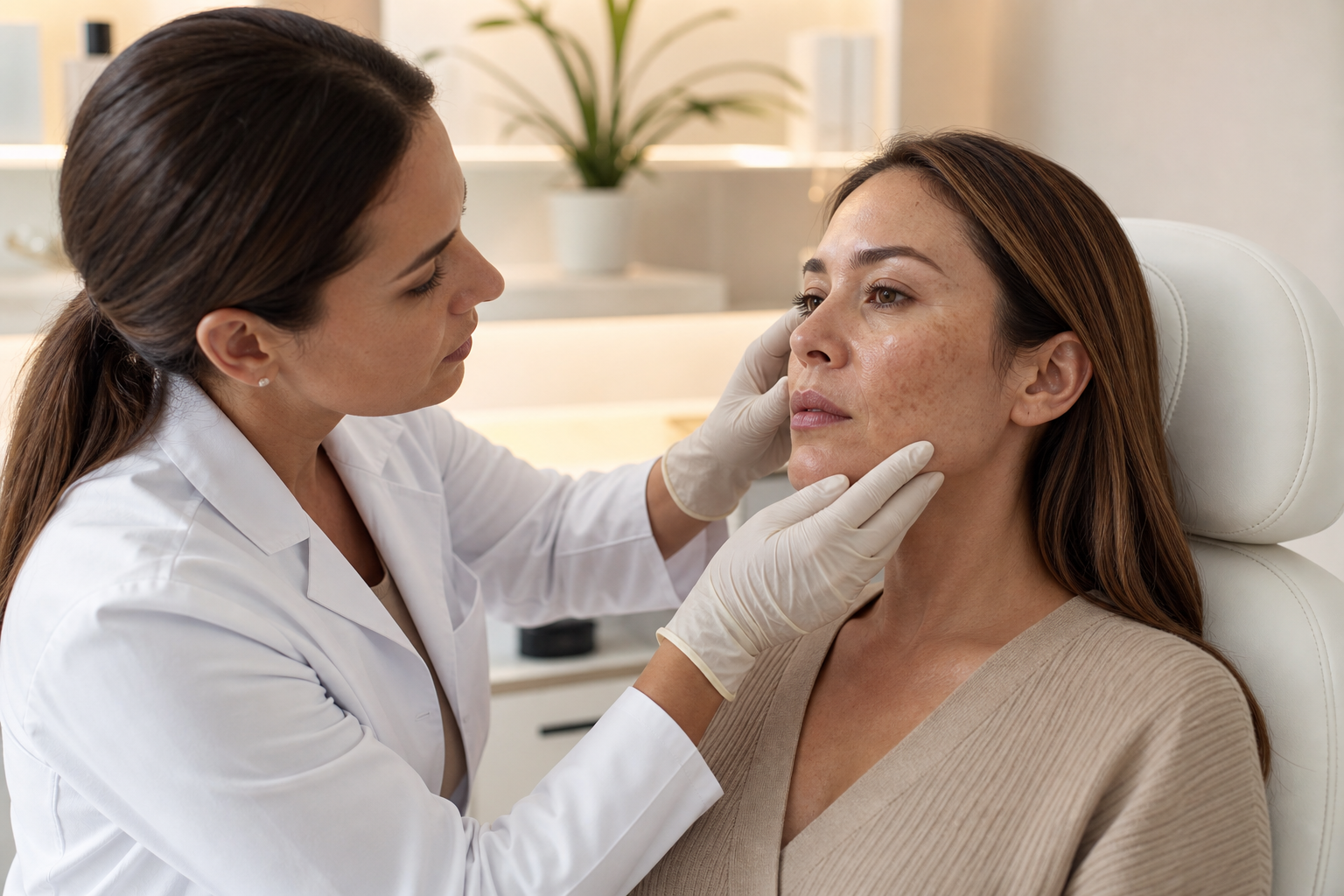
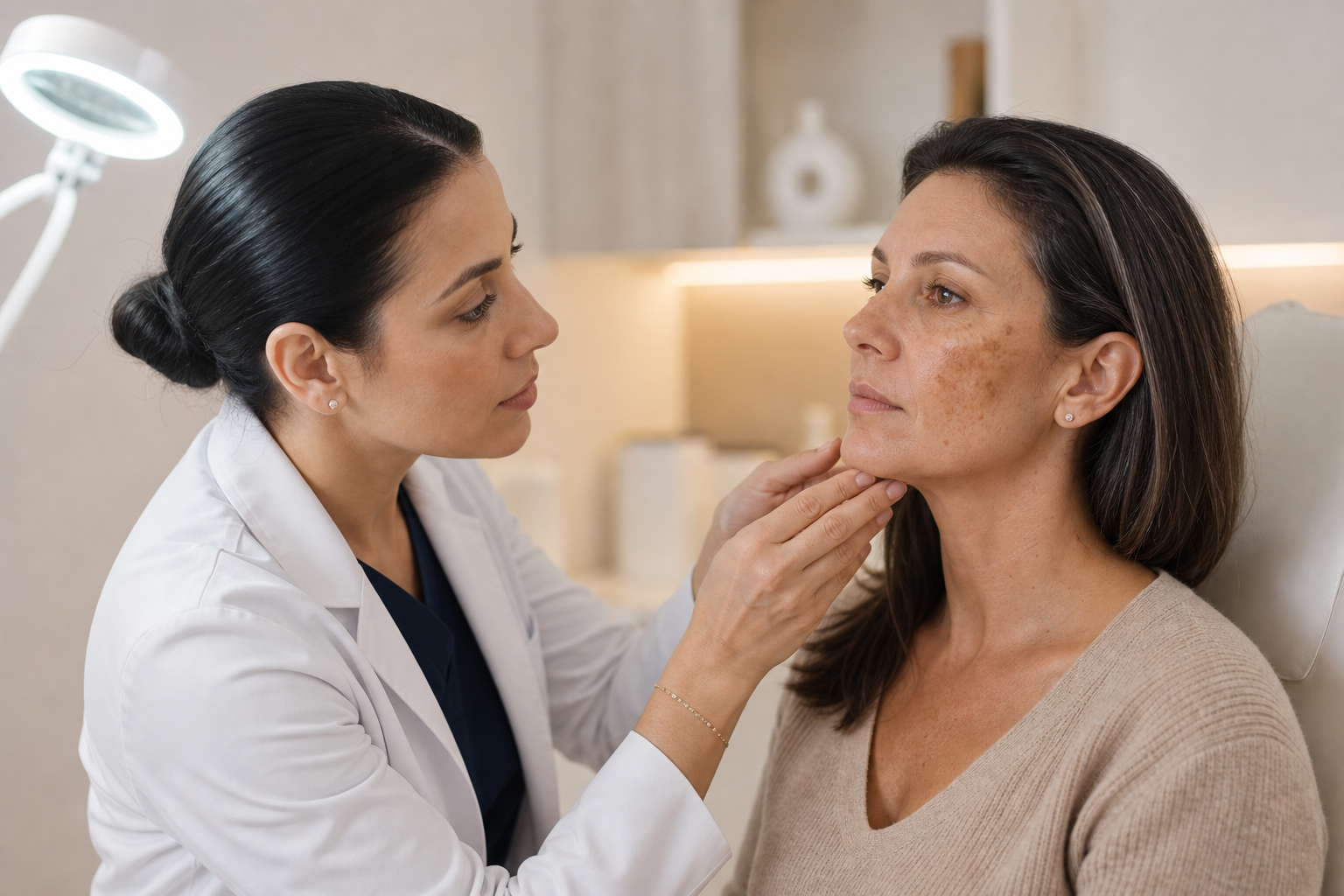
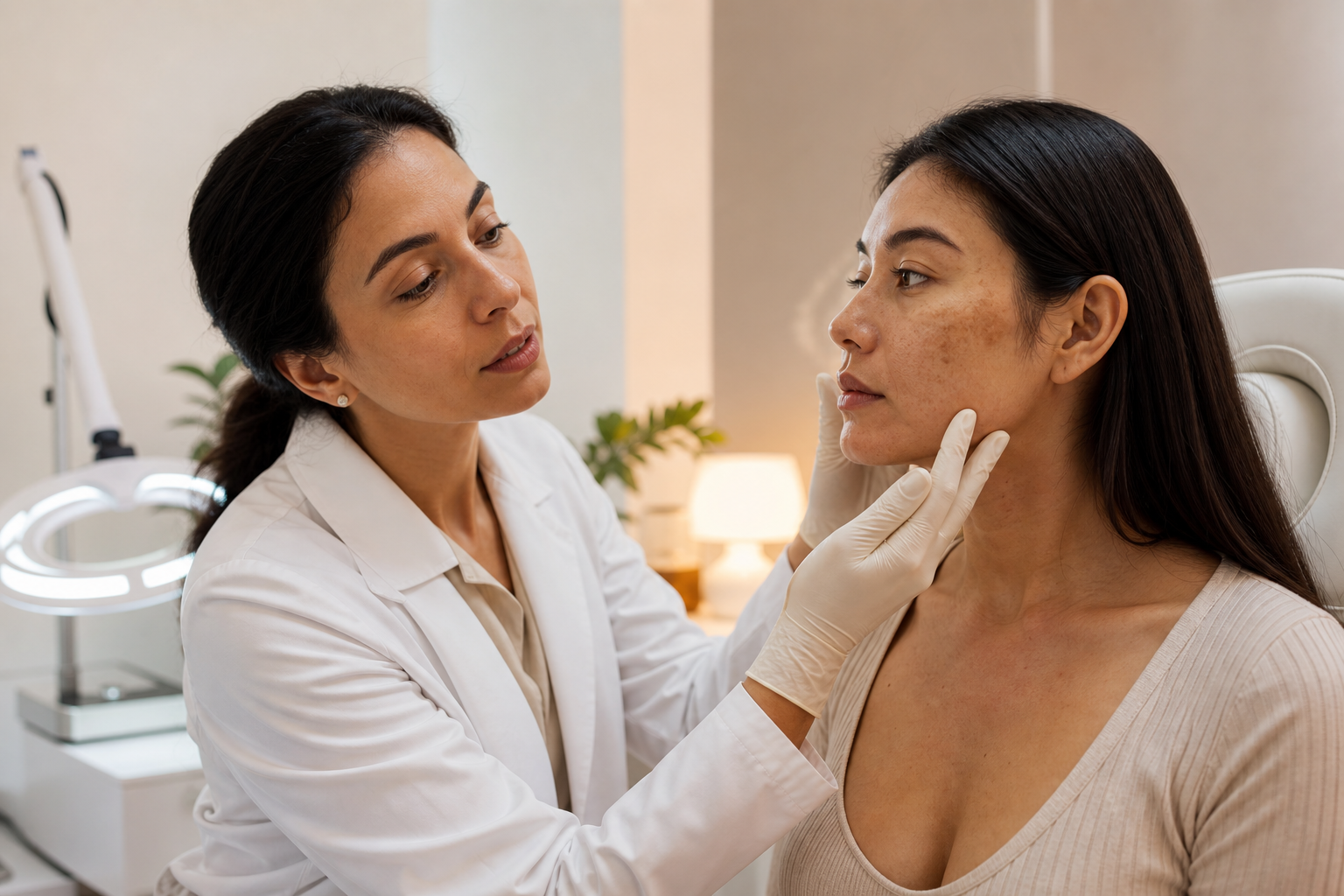
Accurate diagnosis precedes successful laser therapy, as inappropriate treatment can exacerbate pigmentation or cause other complications. The diagnostic process includes a thorough clinical examination by a dermatologist, focusing on lesion appearance, distribution, patient history, and risk factors.
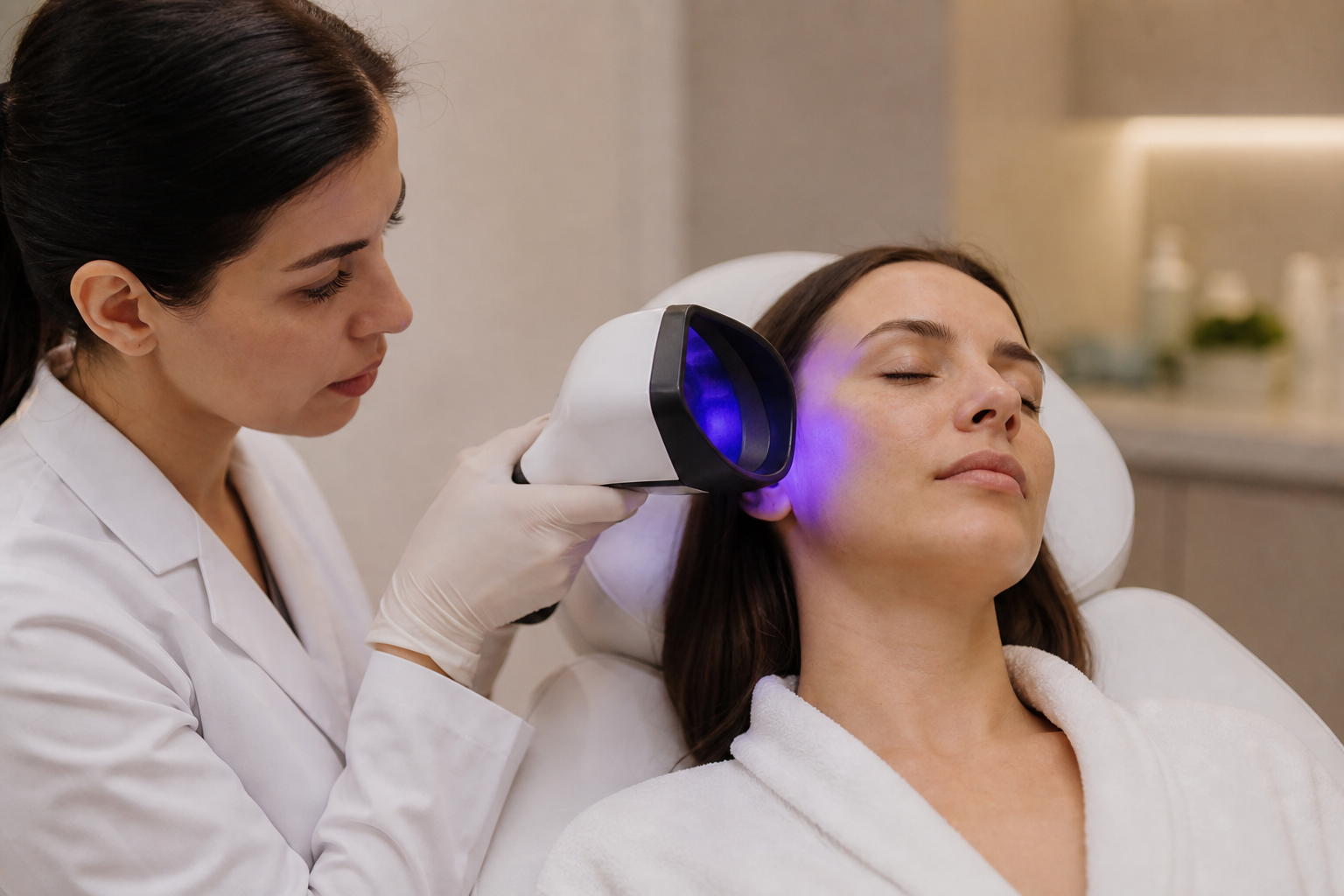
Specialized tools such as Wood's lamp examination augment visual assessment by emitting ultraviolet light that fluoresces different pigments, aiding in distinguishing epidermal from dermal pigmentation. Epidermal pigment appears more pronounced under Wood's lamp, whereas dermal pigment is often less reactive or absent in fluorescence.
If any pigmentation appears suspicious for malignancy or atypical pathology, biopsies and further histologic evaluation are warranted before considering laser treatment. Equally, patients with certain skin types or active skin infections may not be ideal laser candidates, necessitating alternative strategies or pretreatment measures.
Why Is Differentiating Epidermal Versus Dermal Pigmentation Critical in Laser Therapy?
The depth of pigment deposition is a fundamental determinant of laser treatment choice and expected results. Epidermal pigmentation, situated in the skin’s surface layer, is more accessible to lasers and typically responds well to treatments using shorter wavelengths and less aggressive energy settings.
In contrast, dermal pigmentation resides deeper within the skin, often requiring longer wavelengths capable of penetrating tissue without causing excessive damage to surrounding structures. Because dermal pigment is more challenging to clear, treatment may involve more sessions, longer recovery, and a higher risk of incomplete clearance or recurrence.
Misidentifying pigment depth may lead to suboptimal treatment, highlighting the importance of diagnostic precision. For this reason, related readings such as "Epidermal vs Dermal Pigmentation: Why Pigment Depth Changes Treatment" can provide further insight into this critical distinction.
What Types of Lasers and Technologies Are Employed for Pigmentation Treatment?
Laser treatments utilize the principle of selective photothermolysis, targeting melanin pigment while sparing adjacent tissue. The choice of laser depends on pigment type, depth, and patient skin phototype. Common laser systems include:
Q-switched lasers such as Nd:YAG (1064 nm) and Alexandrite (755 nm) target deeper pigments and are effective for melasma and PIH. The short, high-energy pulses fragment pigment particles, which are then cleared by the immune system.
Erbium lasers are often used for superficial pigmentations like solar lentigines due to their precise ablation and skin resurfacing capabilities.
Fractional lasers combine resurfacing and pigment targeting and can be useful in mixed epidermal-dermal pigment disorders.
Laser parameters are carefully adjusted by experienced dermatologists to optimize efficacy and minimize risks, considering skin color, pigmentation characteristics, and patient medical history.
What Advantages Do Lasers Offer Compared to Other Pigmentation Removal Methods?
Laser treatments provide several benefits over conventional therapies like chemical peels, topical agents, or mechanical abrasion. These benefits include:
Precision: Lasers selectively target pigmented cells, reducing damage to surrounding skin and minimizing scarring.
Speed: Multiple lesions can be treated in short sessions, often with visible improvement after fewer treatments.
Safety: Modern lasers are designed to suit various skin phototypes, reducing risk of hypopigmentation or postinflammatory hyperpigmentation.
Durability: Laser treatments can produce longer-lasting pigment reduction compared to topical therapies, especially when combined with proper post-treatment care.
When Is Laser Treatment Not Advisable for Pigmentation?
Certain clinical scenarios warrant postponing or avoiding laser therapy due to elevated risks or reduced efficacy:
Active skin inflammation or infection: Procedures performed on inflamed or infected skin may exacerbate the condition.
High-risk skin phototypes: Darker skin tones may be more prone to laser-induced pigmentary disturbances.
Pregnancy and lactation: Hormonal changes and safety concerns typically contraindicate laser use during these periods.
Suspicious or malignant lesions: Any pigmentary change not clearly benign requires thorough evaluation and biopsy as necessary.
Additionally, patient expectations and compliance with post-treatment protocols influence suitability.
What Does the Laser Treatment Procedure Entail and What Should Patients Expect?
An initial consultation includes detailed assessment and discussion of goals, risks, and anticipated outcomes. On treatment day, the skin is cleansed, and protective eyewear is provided. Local cooling techniques may be used to enhance comfort.
During the procedure, brief laser pulses are applied to the targeted areas. Patients often describe sensations of warmth, snapping, or mild stinging. Treatment duration depends on lesion size and complexity but typically ranges from 15 to 45 minutes.
Post-treatment, transient redness, swelling, or mild peeling may occur, subsiding within days. Multiple sessions spaced weeks apart are commonly required for optimal results, alongside diligent sun protection and skincare.
What Are the Potential Risks and Side Effects of Laser Pigmentation Treatment?
Though generally safe when performed by trained professionals, laser treatments carry inherent risks including:
Transient erythema and edema usually resolving within days.
Postinflammatory hyperpigmentation or hypopigmentation, affecting especially darker skin types or if aftercare is inadequate.
Scarring or textural changes in the rare event of overtreatment or improper technique.
Careful patient selection, laser parameter customization, and strict adherence to post-treatment care reduce adverse effects substantially.
How Can Laser Treatment Results Be Maintained and Future Pigmentation Prevented?
Laser therapy addresses current pigmentary changes but does not halt their recurrence. Long-term success depends on:
Consistent sun protection using broad-spectrum sunscreen of SPF 50+ to shield skin from UV-induced melanogenesis.
Avoidance of peak sun exposure hours between 10 a.m. and 4 p.m.
Use of prescribed skincare products including moisturizers and calming agents to support skin barrier recovery.
Regular dermatological follow-ups to monitor skin condition and address new or recurrent pigmentation early.