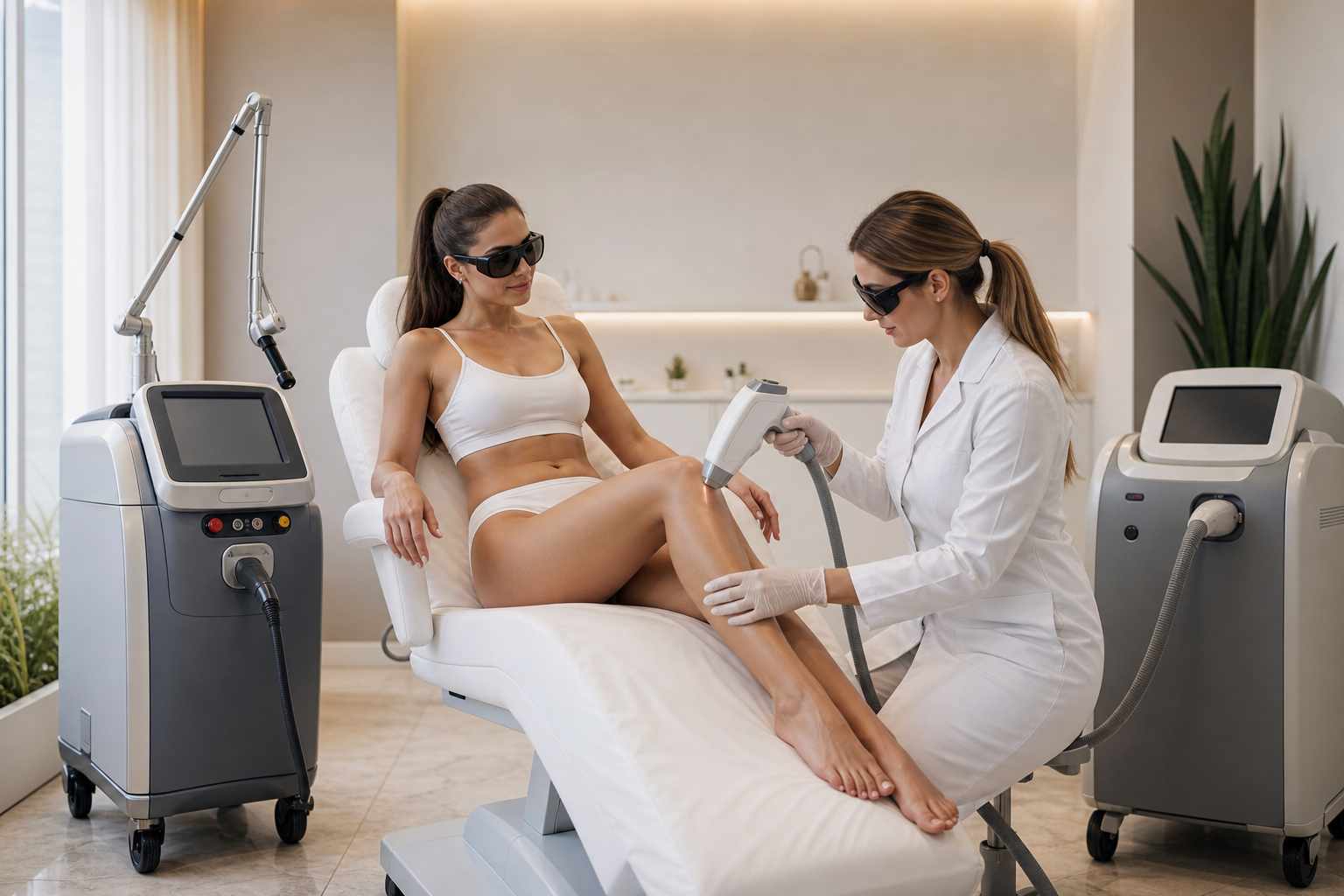
Laser hair removal has become an increasingly popular method for those seeking a long-term solution to unwanted hair. Among the various laser technologies available, Alexandrite and Nd:YAG lasers are two of the most commonly used for hair removal treatments. Choosing between Alexandrite and Nd:YAG laser treatments can be a complex decision for potential patients, as each laser type offers distinct advantages and considerations based on skin type, hair color, and treatment goals. This article delves into the key differences between Alexandrite and Nd:YAG lasers, examining which may be better suited for individual needs and why understanding these distinctions matters for anyone contemplating laser hair removal.
Whether you are considering laser hair removal for the first time, or evaluating your options after researching various treatment modalities, understanding the nuances between Alexandrite and Nd:YAG lasers is essential. This knowledge helps ensure that you select the most effective and safe treatment option tailored to your unique skin and hair characteristics. The goal of this editorial is to provide a comprehensive comparison of these laser technologies, explain how they work, explore their benefits and limitations, and guide readers toward informed decisions that align with their expectations for lasting hair reduction.
What Are Alexandrite and Nd:YAG Lasers in the Context of Laser Hair Removal?
Both Alexandrite and Nd:YAG lasers are types of medical-grade laser devices frequently employed in cosmetic dermatology, particularly for hair removal purposes. They function by targeting the melanin pigment in hair follicles with specific wavelengths of light, which converts to heat and disables the follicle's ability to regrow hair. Despite this shared principle, the two lasers operate at different wavelengths and exhibit varying levels of absorption by melanin and penetration into skin tissues.
The Alexandrite laser emits light at a wavelength of approximately 755 nanometers (nm), situated in the visible to near-infrared spectrum. This wavelength allows strong absorption by melanin, making Alexandrite highly effective at targeting pigmented hair follicles, particularly in individuals with lighter skin tones.
Conversely, the Nd:YAG laser operates at a longer wavelength of approximately 1064 nm, in the near-infrared range. Its longer wavelength penetrates deeper into the skin and is less absorbed by melanin, making it safer for treatment on darker skin tones by minimizing the risk of epidermal damage.
Who Is Best Suited for Alexandrite Laser Hair Removal?
Given its wavelength and absorption properties, Alexandrite laser hair removal is frequently favored for patients with light to olive skin tones (Fitzpatrick skin types I through III) who have dark, coarse hair. The high melanin absorption at 755 nm allows for targeted destruction of hair follicles with a more efficient and often faster treatment course.
Individuals with fair skin benefit from Alexandrite’s selectivity because it targets hair pigment while sparing the surrounding lighter skin. This efficiency often translates to fewer sessions and quicker results compared to other lasers. Alexandrite systems are commonly equipped with larger spot sizes and higher repetition rates, which can result in shorter appointment times for treated areas.
However, Alexandrite lasers are less suitable for darker skin tones beyond type IV, as the higher melanin content in the epidermis increases the risk of burns, hyperpigmentation, or hypopigmentation. For these individuals, a different laser choice is usually recommended.
Why Might Nd:YAG Laser Be Preferable for Darker Skin Types?
Nd:YAG lasers are considered the gold standard for laser hair removal in patients with darker skin tones (typically Fitzpatrick types IV through VI). Their 1064 nm wavelength penetrates deeper into the skin, bypassing much of the melanin in the epidermis. This reduces the risk of thermal injury to the skin's surface, making treatments safer and more comfortable for those with higher melanin content.
Because Nd:YAG lasers do not target melanin as aggressively as Alexandrite lasers, they provide a safer profile for individuals at risk of pigmentary changes from laser procedures. While Nd:YAG treatments might require more sessions or higher fluences to achieve the same level of hair reduction compared to Alexandrite, the safety margin for darker skin types makes it the preferable choice.
Moreover, Nd:YAG lasers are versatile and can be used effectively for a wider range of hair types and skin conditions, including tanned skin or patients with a history of pigmentary disorders. This adaptability widens its applicability but may come with trade-offs in treatment speed and sometimes patient comfort.
How Do Treatment Parameters and Outcomes Differ Between Alexandrite and Nd:YAG Lasers?
Efficient laser hair removal depends not only on the laser wavelength but also on other parameters such as fluence (energy density), pulse duration, spot size, and cooling mechanisms. Alexandrite lasers generally allow higher fluence at shorter pulse durations, contributing to effective follicle destruction in fewer sessions.
Nd:YAG lasers usually require longer pulse durations and moderate fluence to safely target hair follicles without damaging surrounding skin structures, especially in darker skin. This often means that treatment sessions may be longer, and the hair reduction process extends over more visits.
Both lasers commonly incorporate advanced cooling technologies like contact cooling or cryogen sprays to enhance patient comfort and reduce the risk of skin damage. These features are critical for minimizing side effects such as redness, swelling, blistering, or pigment changes after treatments.
In terms of outcomes, clinical studies generally report excellent long-term hair reduction with both Alexandrite and Nd:YAG lasers when appropriately matched to patient skin types and hair characteristics. However, Alexandrite may yield more rapid results for light-skinned individuals, while Nd:YAG remains the safer choice for darker skin, balancing efficacy with prudent risk management.
What Are the Benefits and Limitations of Alexandrite Versus Nd:YAG Laser Hair Removal?
Benefits of Alexandrite Laser:
- Effective for light to medium skin tones with dark hair, producing faster hair reduction and often fewer treatments.
- High melanin absorption leads to selective follicle targeting with minimal impact on the epidermis of lighter skin.
- Larger spot sizes and higher repetition rates can shorten treatment durations.
Limitations of Alexandrite Laser:
- Not recommended for dark skin types due to increased risk of burns and pigmentary changes.
- Less effective on light, gray, or red hair as melanin targeting is critical for success.
Benefits of Nd:YAG Laser:
- Safer for all skin types, especially dark and tanned skin, with a lower risk of adverse skin reactions.
- Deeper penetration capable of reaching hair follicles with less epidermal melanin absorption.
- Suitable for patients with certain skin or hair conditions that contraindicate other laser types.
Limitations of Nd:YAG Laser:
- May require more treatment sessions and longer pulse durations to achieve comparable hair reduction.
- Can be less comfortable during treatment due to deeper tissue heating.
How Should Patients Choose Between Alexandrite and Nd:YAG Laser Hair Removal?
The decision between Alexandrite and Nd:YAG laser hair removal should be guided primarily by your skin type, hair color, and comfort with potential treatment duration and side effects. Consulting with a qualified dermatologic laser specialist is critical to evaluate your specific characteristics and discuss expectations.
Generally, patients with fair to medium skin tones and dark hair are candidates for Alexandrite laser treatments, which may offer a more efficient hair removal experience in terms of fewer sessions and visible results. Conversely, those with darker skin tones or sensitive epidermal conditions are better served by Nd:YAG laser technology to optimize safety while achieving gradual hair reduction.
Additional considerations include the size of the treatment area, pain tolerance, previous experiences with laser or hair removal treatments, and budget. Some clinics offer dual-wavelength laser devices that incorporate both Alexandrite and Nd:YAG technologies to customize treatment plans according to different body areas or hair characteristics, thereby maximizing benefits.
What Should Patients Expect During and After Alexandrite or Nd:YAG Laser Hair Removal Sessions?
During laser hair removal sessions with either Alexandrite or Nd:YAG systems, patients may experience sensations ranging from mild discomfort to a feeling similar to a rubber band snapping against the skin. Treatment areas are usually prepared with cooling techniques to enhance comfort and reduce skin irritation.
The duration of each session varies depending on the size of the area treated and the laser used. Alexandrite’s higher repetition rates might shorten session times for larger areas like legs or back, while Nd:YAG treatments might take longer due to more cautious energy settings.
Post-treatment, patients typically notice redness, mild swelling, or tenderness in the treated zones, which usually resolve within hours to a few days. Proper skin care, sun protection, and adherence to practitioner guidelines are essential to prevent complications. Multiple sessions spaced weeks apart are generally necessary to target hair follicles in different growth phases and achieve sustained hair reduction.
Patients should also be aware that hair removal outcomes can vary individually, influenced by hair density, hormonal factors, and adherence to treatment schedules. Patience and realistic expectations play crucial roles in attaining satisfying results.
Addressing Common Questions and Misconceptions About Alexandrite and Nd:YAG Laser Hair Removal
Is one laser permanently better than the other? There is no absolute "better" laser; the optimal choice depends on skin type, hair characteristics, and treatment goals. Both lasers are effective when applied appropriately.
Can laser hair removal work on all hair colors? Lasers primarily target melanin, so dark hair responds best. Very light, gray, or red hair may not respond well to either laser.
Will laser hair removal be painful? Pain tolerance varies, but most describe sensation as mild to moderate discomfort. Modern cooling systems help minimize pain during treatments.
How many treatments are needed? Typically, 6 to 8 sessions spaced 4 to 8 weeks apart achieve optimal results, though this varies based on hair and skin factors.
Is laser hair removal safe? Yes, when performed by trained professionals using appropriate lasers for the patient's skin type.


