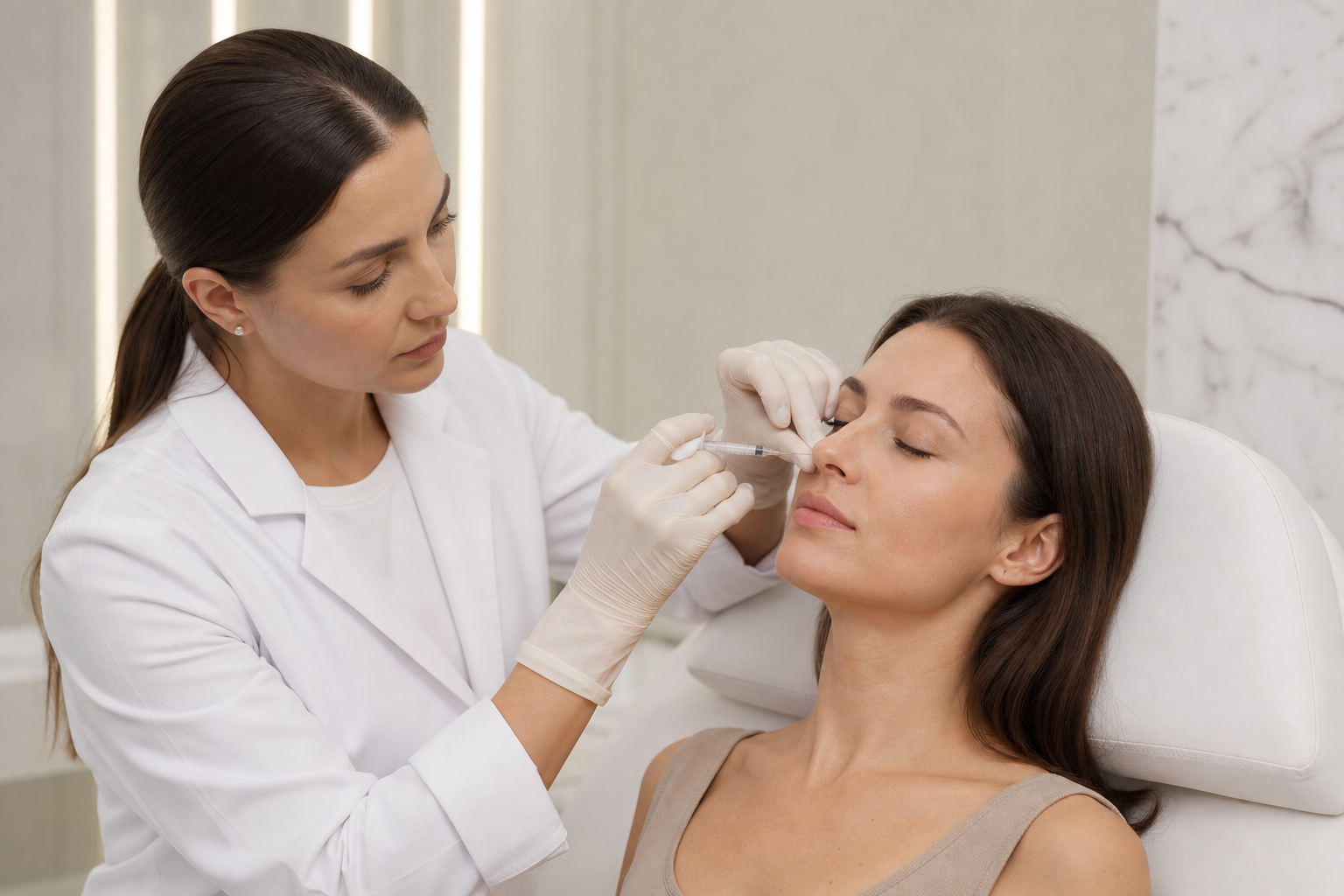
Wrinkles on the nose, commonly referred to as bunny lines, represent a unique and often overlooked aspect of facial aging that can significantly impact one’s overall appearance. These delicate lines appear alongside the upper part of the nose, typically elicited by smiling, squinting, or scrunching the nose, and they can lend an unintended impression of tension or displeasure. For individuals seeking a subtle yet effective rejuvenation of the mid-face area, Botox presents a specialized solution to address these dynamic creases by temporarily relaxing the muscles responsible for their formation.
Understanding bunny lines and the application of Botox in this region is essential for anyone considering aesthetic treatments aimed at enhancing youthfulness and facial harmony. This editorial explores the nature of bunny lines, the physiological mechanisms behind their development, the therapeutic role of Botox, realistic expectations of the treatment outcomes, and key safety considerations. By illuminating the full context of Botox for nose wrinkles, readers can make informed decisions alongside qualified professionals about incorporating this procedure into their personalized aesthetic regimen.
Whether you are a person beginning to notice fine lines in this area, or already seeking correction options to refine your appearance, understanding the specifics of bunny lines and how Botox can be adapted to this delicate facial zone is indispensable. This guide aims to demystify the process and highlight both the benefits and limitations of this targeted approach.
The Anatomy and Formation of Bunny Lines on the Nose
Bunny lines are fine, dynamic wrinkles that develop on the lateral aspects of the nose, typically extending from the nose bridge down toward the nostrils. Their formation is largely resultant from repeated contraction of the nasalis muscle, which plays a critical role in facial expressions such as nose wrinkling and flaring of the nostrils. Unlike static wrinkles that form due to intrinsic skin aging and loss of elasticity, bunny lines materialize prominently during expressive movements, thus earning classification as dynamic wrinkles.
The development of bunny lines is influenced by the repetitive activation of nasal musculature over the years, combined with other factors such as skin quality, genetic predisposition, environmental exposure like ultraviolet radiation, and lifestyle choices including smoking and hydration status. Youthful skin tends to rebound from muscle movements without permanent creasing, but with age, diminished collagen and elastin content reduce skin resiliency, allowing these lines to become etched over time.
Behavioral patterns also contribute to the prominence of bunny lines. Frequent facial gestures involving scrunching of the nose, whether due to emotional expression or habitual tension, accelerate the formation of these wrinkles. Importantly, the nasal area is especially sensitive due to the thinness of the skin and the concentrated musculature underneath, rendering bunny lines both highly visible and somewhat resistant to superficial skin treatments.
How Botox Mechanistically Smooths Bunny Lines
Botox, a purified form of botulinum toxin type A, has revolutionized non-surgical wrinkle correction by modulating muscle activity. When administered to the nasalis muscle region responsible for bunny lines, Botox selectively blocks acetylcholine release at the neuromuscular junction, leading to temporary muscle paralysis. This interruption inhibits contraction, thereby preventing the folding and creasing of the overlying skin during facial movements.
Over time, consistent muscle relaxation contributes to a visible softening of previous lines, allowing the skin to smooth and the face to appear more relaxed and youthful. Importantly, Botox’s effects are localized and reversible, typically lasting from four to six months, after which muscle function gradually resumes, necessitating repeat treatments for sustained results.
The precision of Botox placement in the nose area is paramount. Due to the complexity and proximity to other facial muscles that control expressions and nasal function, injections must be targeted carefully to avoid compromising natural facial dynamics or nasal airflow. Skilled practitioners use detailed anatomical knowledge and refined injection techniques to ensure Botox’s muscle-paralyzing effects yield aesthetic improvement without functional impairment.
Realistic Expectations: Outcomes and Limitations of Botox for Nose Wrinkles
While Botox can dramatically reduce the intensity and visibility of bunny lines, it is vital for patients to set reasonable expectations before undergoing treatment. Botox primarily addresses dynamic wrinkles caused by muscle contraction and therefore is most effective on lines apparent only during movement. It cannot erase static wrinkles that have become etched into the skin through prolonged aging or sun damage.
Results are typically noticeable within three to five days of administration, reaching full effect around two weeks post-treatment. Patients can expect a smoother appearance of the nose during smiling or scrunching, which translates into a more rejuvenated and rested facial expression. However, complete elimination of all wrinkles in the area is not guaranteed, as individual muscle activity, skin characteristics, and aging progression vary.
Patients should recognize that Botox is a maintenance treatment rather than a one-time cure. Effects diminish naturally as nerve signals return, and consistency in follow-up treatments is necessary to preserve the benefits. Additionally, Botox does not add volume or address other structural changes of the nose; for such concerns, complementary procedures like dermal fillers or surgical options might be considered within a holistic aesthetic plan.
Safety Considerations and Potential Side Effects in Botox Nose Treatments
Though Botox is widely regarded as safe when performed by experienced professionals, injecting the delicate nasal region necessitates heightened caution to minimize risks. Side effects can include localized bruising, swelling, mild discomfort, and rarely asymmetry of facial expressions if undesired muscle groups are affected. Precautions are essential to prevent complications such as ptosis (drooping) of adjacent muscles or nasal tip distortion.
Contraindications include pregnancy, breastfeeding, active infections near the injection site, neuromuscular disorders such as myasthenia gravis, and known hypersensitivity to botulinum toxin components. Comprehensive patient history and physical examination by a qualified practitioner are critical to identify risks and ensure treatment suitability.
Adhering to recommended dosing guidelines and injection techniques, as well as following post-treatment care instructions like avoiding strenuous activity or massaging the area, enhances safety and optimizes outcomes. Patients should report any adverse symptoms promptly and schedule regular consultations to monitor their response to treatment.
Integrating Botox for Bunny Lines into a Comprehensive Facial Rejuvenation Strategy
Addressing bunny lines through Botox can serve as a vital component of a broader aesthetic strategy targeting facial harmony and youthful contours. When combined with treatments that restore volume and texture—such as dermal fillers, chemical peels, or laser resurfacing—Botox contributes to a multifaceted approach that not only diminishes wrinkles but also revitalizes overall skin health and morphology.
Specifically, synergistic use of Botox with hyaluronic acid fillers can correct volume loss around the nasal folds or adjacent smile lines, enhancing the balance and smoothness of the mid-face. This integration requires careful treatment sequencing and expertise to ensure natural results without overtreatment.
Moreover, lifestyle modification addressing sun protection, hydration, and smoking cessation complements the effectiveness of injectable treatments by supporting skin integrity and slowing further wrinkle development. Long-term maintenance plans designed by aesthetic professionals maximize therapeutic benefits and support sustained confidence in one’s appearance.
Essential Role of Qualified Medical Professionals in Botox Administration for Nose Wrinkles
A critical factor in achieving optimal, safe results with Botox for bunny lines is the provider’s expertise. Injection precision in the nasal area demands advanced anatomical knowledge, clinical experience, and artistic judgment to tailor treatment to each patient's unique muscular structure and facial expressions.
Patients should seek consultations with board-certified dermatologists, plastic surgeons, or licensed aesthetic physicians who have a documented specialization in cosmetic injectables. An experienced professional will perform a thorough evaluation, discuss realistic outcomes, outline potential risks, and customize injection plans to individual expression dynamics and cosmetic goals.
Transparent communication, professional integrity, and adherence to medical standards differentiate expert providers from less qualified practitioners. Choosing the right clinician not only enhances safety but also contributes significantly to patient satisfaction and the natural revitalization of facial aesthetics.


