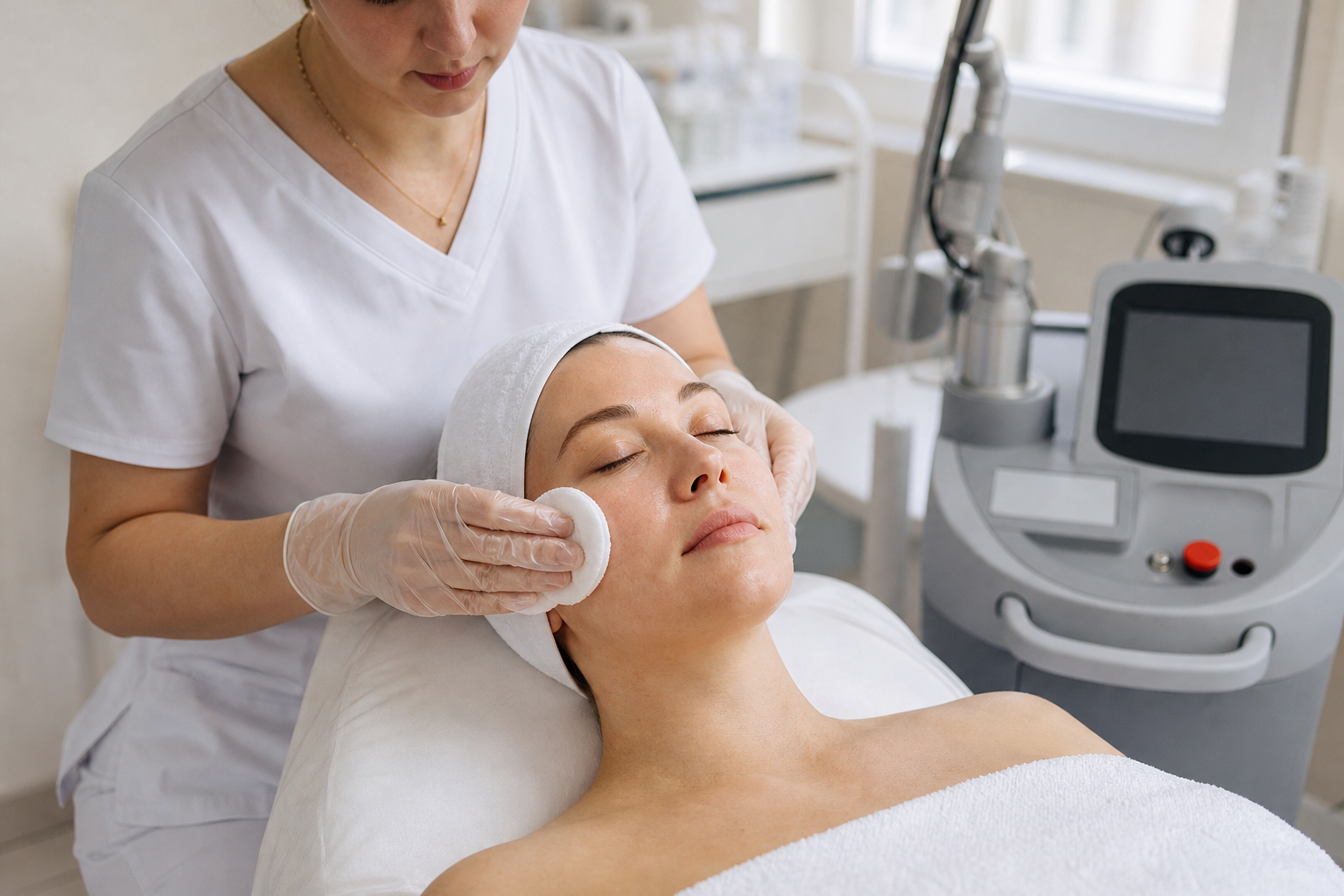
Facial laser treatment has become a sophisticated and sought-after procedure in modern dermatology and aesthetic medicine, designed to enhance the skin's appearance through the targeted application of laser light. It appeals to individuals who seek to address concerns such as fine lines, wrinkles, sun damage, uneven pigmentation, or acne scars with results that typically surpass what conventional topical or cosmetic treatments can achieve. Understanding exactly what transpires during a facial laser treatment, step by step, is essential for anyone considering this procedure. It clarifies expectations about the process, anticipated effects, and possible skin reactions.
This article offers a detailed exploration of the facial laser treatment journey, beginning with initial preparation and progressing through the procedure's clinical phases, culminating in post-treatment care. Since laser treatments are not uniform and adjustments depend on parameters such as the specific laser device, skin type, the intensity of application, and the practitioner’s methodology, this guide emphasizes variability and informs readers about the nuances involved. We draw on professional dermatologic principles and clinical insights to present a comprehensive and refined understanding tailored for prospective patients and skincare professionals alike.
Whether one is ready to embark on this path or simply seeking deeper knowledge to make an informed decision, grasping the procedural sequence and underlying mechanisms of facial laser treatments is invaluable. It also lays the groundwork for appreciating the significance of personalized treatment planning and collaboration between patient and clinician, both crucial for achieving safe and satisfactory outcomes.
What Is Facial Laser Treatment and Who Is It Intended For?
Facial laser treatment involves the use of focused light energy emitted by lasers to target specific skin layers or conditions. There exists a broad range of laser technologies categorized mainly into ablative and non-ablative systems. Ablative lasers, such as CO2 or Er:YAG lasers, physically remove or vaporize the outer skin layers, prompting a regeneration process that can reduce blemishes, wrinkles, and scars effectively. Non-ablative lasers, by contrast, penetrate the skin without surface disruption, stimulating collagen production and improving skin texture gradually.
This treatment suits individuals who aim to diminish visible signs of skin aging, including crow’s feet, laugh lines, and sagging, as well as those wanting to improve textural irregularities from sun exposure or acne scarring. It is also relevant for patients concerned with hyperpigmentation or uneven skin tone. Ideal candidates have realistic expectations, good overall health, and no active skin infections or hypersensitivity in the treatment area.
It is critical to note that not everyone is fit for laser therapy; factors like skin type, certain medical conditions, or medications that increase photosensitivity can contraindicate treatment. Hence, a thorough dermatologist consultation is necessary to ascertain candidacy based on clinical evaluation and medical history.
How Should One Prepare for a Facial Laser Treatment?
Preparation prior to laser therapy plays a pivotal role in minimizing potential side effects and optimizing results. Patients typically begin preparation several weeks before the procedure, guided by their clinician’s personalized plan. A primary focus is sun avoidance; ultraviolet exposure prior to laser treatment can substantially increase risks such as hyperpigmentation or prolonged redness. Protective broad-spectrum sunscreens and physical barriers like hats are recommended.
In addition, individuals are advised to discontinue topical skincare products containing retinoids, alpha or beta hydroxy acids, and other exfoliating agents about a week before treatment. These ingredients can sensitize the skin, increasing irritation during and after the procedure. Some patients might be prescribed antiviral or antibiotic prophylaxis if they have a history of herpes simplex infections to prevent flare-ups triggered by laser treatment.
Depending on the laser type and treatment depth, an anesthetic cream or cooling protocols may be advised and applied shortly before the procedure to reduce discomfort. Open and detailed communication with the treating professional about current skin regimen, medications, and allergies ensures a customized and safe preparation process.
What Occurs During a Facial Laser Treatment: A Step-by-Step Breakdown
The treatment session initiates with a comprehensive cleansing of the face to remove makeup, oils, and surface debris. This ensures optimal laser penetration and safety. Once the skin is dry and clean, a topical anesthetic or cooling device may be used briefly to ease any discomfort, especially in treatments involving ablative lasers.
The clinician then proceeds with the application of the laser handpiece systematically across the face, targeting predetermined areas of concern. This involves carefully calibrated pulses of light energy, where parameters like pulse duration, intensity, and spot size are tailored to the individual's skin condition and desired outcome. For instance, deeper scars might require higher intensity or multiple passes, whereas subtle photorejuvenation may call for gentler energy settings.
Each laser pulse interacts with distinct chromophores—melanin, hemoglobin, or water molecules—depending on the device used, triggering thermal or photochemical effects. These actions stimulate biological processes such as collagen remodeling or removal of damaged epidermal cells. The exposure time for each area is brief; the overall session length varies between approximately 15 and 60 minutes based on treatment complexity.
Throughout the procedure, protective eyewear is mandatory for both patient and practitioner. The clinician monitors patient comfort carefully and may adjust settings or pause as necessary. Following completion, the treated skin often shows immediate changes such as mild redness or a feeling of warmth, which are normal inflammatory responses to laser energy.
What Are the Immediate and Long-Term Skin Responses Following Laser Treatment?
In the hours after treatment, the skin commonly exhibits erythema (redness) and edema (swelling), reflecting its reaction to controlled thermal injury or cellular disruption. These responses are generally transient and indicate activation of reparative processes. Patients might also experience a sensation akin to sunburn, tightness, or minor sensitivity.
Over the subsequent days, in the case of ablative lasers, superficial peeling or flaking occurs as the skin sheds treated layers and regenerates. Non-ablative procedures usually result in milder and less visible shedding or dryness. Importantly, the collagen synthesis triggered by the laser unfolds gradually over weeks, culminating in improved skin elasticity, firmness, diminished pores, and a more even pigmentation profile.
It is worthwhile to recognize that results are typically progressive and require patience. Multiple sessions might be recommended for optimal enhancements, especially for challenging concerns such as deep scars or significant sun damage. The clinician will tailor the course based on individual response and tolerance.
What Post-Treatment Care Practices Support Optimal Healing and Results?
Skincare immediately following the laser session is crucial for minimizing complications and supporting effective healing. Patients should rigorously follow post-procedure instructions issued by their dermatologist or aesthetic practitioner. Key care measures include gentle cleansing with mild, fragrance-free products and frequent, liberal moisturization to restore skin barrier integrity.
Sun protection assumes paramount importance; freshly treated skin is particularly vulnerable to ultraviolet rays and can develop pigmentation irregularities if unprotected. Broad-spectrum sunscreens with high SPF ratings, physical shading, and avoidance of peak sunlight hours are emphasized. Makeup application is typically deferred until sufficient healing has occurred to prevent irritation and infection, with guidance individualized per treatment type.
Additionally, patients ought to refrain from using abrasive scrubs, chemical exfoliants, or any potentially irritating skincare ingredients until clearance from their clinician. Hydrating masks and soothing serums containing ingredients like hyaluronic acid or niacinamide can assist with comfort and repair. Monitoring the skin for unusual symptoms such as excessive redness, blistering, or prolonged discomfort is vital, and prompt communication with a professional is advised if concerns arise.
What Are the Potential Risks and Limitations Associated with Facial Laser Treatment?
While facial laser therapy is generally regarded as safe when administered by trained professionals, it is not without inherent risks. Possible adverse effects include extended redness, swelling, pigmentary changes such as hypo- or hyperpigmentation, and rarely, scarring or infection. These outcomes depend on multiple factors, including skin type, laser parameters, and adherence to pre- and post-treatment guidelines.
Another limitation is that not all skin concerns respond equally well to laser treatment, and some may require adjunctive therapies for best results. Additionally, darker skin types have a higher risk of pigmentary irregularities, necessitating cautious parameter selection or alternative approaches.
It is essential to view laser treatment as one component of comprehensive skin care that integrates lifestyle, ongoing maintenance, and realistic goals. Patients should also understand that results can vary individually and are not guaranteed to be identical across cases.


