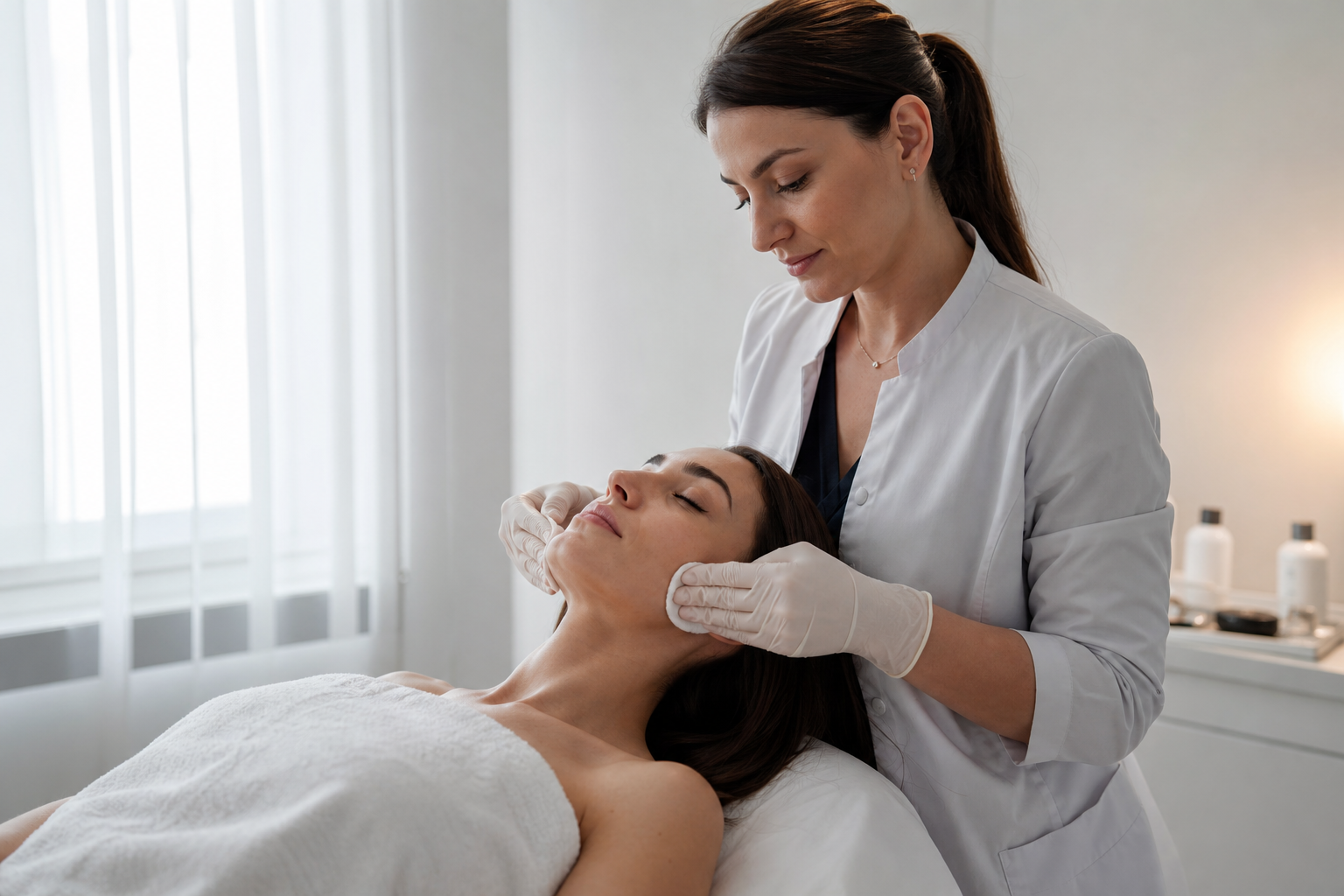
In the realm of modern aesthetic medicine, patients frequently encounter a pivotal question when considering skin improvement procedures: should one choose laser treatments or opt for biorevitalisation? Both approaches aim to enhance the skin's appearance and health, yet they differ considerably in their mechanisms, targeted concerns, and outcomes. Understanding these differences is essential for anyone seeking to make an informed decision tailored to their unique skin needs and expectations.
This article intends to guide individuals contemplating non-invasive or minimally invasive skin therapies. It addresses those curious about how laser treatments compare to biorevitalisation, particularly focusing on whether these modalities address the same concerns or if they serve distinct purposes. By clarifying their working principles, typical candidates, expected benefits, risks, and recovery processes, readers will be enabled to navigate aesthetic options with confidence and clarity.
We will explore fundamental distinctions between laser treatments and biorevitalisation, discussing their respective goals and the kinds of skin conditions they best suit. Additionally, we will clarify the differences between laser therapy and related but distinct procedures such as IPL and RF microneedling, which are often mistakenly conflated. A detailed yet accessible breakdown equips you to discern what each treatment realistically offers without embellishment or confusion.
What Are Laser Treatments and How Do They Work?
Laser treatments harness concentrated beams of light energy to target specific skin concerns at varied depths. Different laser types, like CO₂ or erbium lasers, emit light wavelengths designed to interact with water, pigment, or vascular components in the skin. This interaction induces controlled thermal or photomechanical damage, prompting the skin’s natural healing mechanisms. As a result, collagen and elastin production increase, leading to improved skin texture, tone, and elasticity.
Because of their capacity for precision, lasers can effectively reduce pigmentation irregularities, visible capillaries, acne scars, fine lines, and wrinkles. Ablative lasers remove thin outer layers of skin, promoting regeneration, while non-ablative lasers stimulate underlying dermal remodeling without disrupting the surface. The versatility of different laser technologies allows clinicians to tailor treatments according to the severity and nature of the skin condition.
It is important, however, to recognize that laser procedures require proper patient selection and protocol customization. Parameters such as energy level, pulse duration, and spot size must correspond to patient skin type and the targeted condition to maximize benefits and minimize adverse effects.
What Is Biorevitalisation and Its Core Mechanism?
By contrast, biorevitalisation involves the injection of hydrating and nourishing substances directly into the mid to deep dermis. The primary agent typically includes cross-linked or non-cross-linked hyaluronic acid, alongside vitamins, antioxidants, and amino acids depending on the formulation. Unlike laser treatments, biorevitalisation does not rely on energy-based devices but rather on replenishing essential molecules to revitalize skin cells.
The central aim is to restore hydration levels, improve skin elasticity, and stimulate gentle cellular renewal without inducing thermal damage. This approach is particularly suited for addressing subtle signs of aging such as dryness, slight laxity, and an overall dull complexion rather than severe textural issues or pigmentary disturbances.
Biorevitalisation is typically administered through multiple microinjections across the face or other target areas in a series of sessions. It serves as a complementary or standalone treatment to maintain skin health and delay the progression of intrinsic and extrinsic aging factors.
Who Are the Ideal Candidates for Laser Treatments and Biorevitalisation?
Laser therapy candidates usually present with more defined skin imperfections. These may include acne scars, sun-induced pigmentation, vascular blemishes, pronounced wrinkles, or photoaging signs. Patients seeking substantive skin remodeling and texture renewal often find laser treatments appropriate, provided their skin type and health history allow.
Conversely, biorevitalisation suits younger individuals or those in their middle years who wish to preemptively combat early aging signs such as dehydration, mild sagging, or fatigue-induced dullness. It is also attractive to patients who prefer minimal downtime and less invasive interventions but still desire perceptible improvements in skin quality.
It is crucial to emphasize that neither treatment is universally suitable. Factors such as active skin infections, autoimmune disorders, pregnancy, or specific medications may contraindicate either procedure. A thorough consultation with a qualified dermatologist or aesthetic practitioner is indispensable for personalized assessment.
Do Laser Treatments and Biorevitalisation Address the Same Skin Concerns?
While both laser treatments and biorevitalisation aim to rejuvenate skin, their spheres of influence differ markedly. Laser therapy is primarily designed to correct discrete dermatological issues: pigmentation irregularities, visible capillaries, acne scarring, and deeper rhytides. It accomplishes this through structural remodeling and resurfacing at cellular and extracellular levels.
In contrast, biorevitalisation focuses on improving the skin’s hydration status and subtle volume loss, enhancing natural radiance and softness. It does not resolve pigmentary lesions or significant scarring and is generally not regarded as a substitute for laser resurfacing procedures.
Therefore, the two methods do not address the same concerns in a one-to-one manner but can be complementary in a comprehensive skin care regimen depending on individual needs and goals.
What Are the Typical Recovery and Risk Profiles for Each Treatment?
Post-laser treatment recovery varies with the laser type and intensity. Ablative lasers often necessitate a downtime of several days to a week, during which patients might experience redness, swelling, peeling, and sensitivity. Non-ablative lasers entail milder side effects and quicker recovery but may require multiple sessions for optimal results. Adherence to post-procedure care guidelines is vital to preventing complications such as infections or unwanted pigmentation.
Biorevitalisation generally involves less downtime. Patients may notice minor puncture site redness or swelling that resolves swiftly, allowing rapid return to daily activities. Nonetheless, as an injectable treatment, it carries inherent risks including injection site reactions, hypersensitivity, or infrequent infections if not performed under sterile conditions.
Understanding these recovery trajectories and risk factors is fundamental to aligning treatment choice with patient lifestyle and tolerance for intervention.
Why Are IPL and RF Microneedling Not Equivalents to Laser or Biorevitalisation?
Intense Pulsed Light (IPL) therapy and Radiofrequency (RF) microneedling exemplify distinct modalities that are often confused with lasers or biorevitalisation. IPL emits a broad spectrum of light wavelengths and is effective mainly for superficial pigment and vascular conditions but lacks the precision and depth of laser systems.
RF microneedling synergizes mechanical dermal injury via microneedles with radiofrequency energy to stimulate collagen production through controlled heating. While effective for texture improvement and tightening, this technology operates differently from both laser photo-thermal effects and injectable hydration enhancement.
A significant development is the forthcoming FDA warning scheduled for 2025 concerning RF microneedling devices, highlighting the need for caution and informed usage. These distinctions emphasize that IPL and RF microneedling serve complementary roles rather than acting as replacements for laser or biorevitalisation treatments.
What Limitations Should Patients Consider Before Choosing Laser or Biorevitalisation?
Neither laser treatment nor biorevitalisation can address every skin concern, and each has procedural and patient-specific constraints. Lasers require precise calibration and are limited by skin phototype, as darker skin tones may have a higher risk of post-inflammatory hyperpigmentation. Additionally, certain medications or recent sun exposure can preclude treatment.
Biorevitalisation is less invasive but is restricted to superficial skin quality improvements, thus unsuitable for correcting deeper scars or pigment disorders. Both treatments demand multiple sessions for sustained results, and outcomes depend largely on practitioner expertise and patient adherence to aftercare.
Candidacy assessment includes a detailed medical history, examination, and sometimes diagnostic testing to exclude contraindicative conditions. This careful approach is vital for both safety and satisfactory efficacy.
How Should Patients Approach the Decision Between Laser and Biorevitalisation?
Choosing between laser treatment and biorevitalisation hinges on understanding one’s primary skin concerns, tolerance for downtime, desired results, and individual health status. Patients motivated by correcting visible damage like scars, pigmentation, or pronounced wrinkles may lean toward laser therapy. Those seeking to replenish moisture, maintain youthfulness, and avoid extensive recovery might prefer biorevitalisation.
Often, practitioners recommend a combination or sequential approach integrating both methods with complementary technologies such as IPL or microneedling to optimize outcomes. Professional guidance grounded in thorough evaluation allows customization aligning with patient expectations.
Additional resources elucidating types of laser treatments, comparisons with RF or microneedling procedures, and procedural distinctions can be explored through hubs on laser treatments, IPL versus laser technology, and specialized articles focused on skin texture and tightening.


